
A Comprehensive Guide to LED Light Circuit Board Assembly
Introduction
With the advancement of technology, LED (light-emitting diode) has become the mainstream choice in the lighting industry due to its high efficiency, long life and environmental protection characteristics. The widespread application of LED lights has promoted the development of LED circuit board assembly technology. This article will explore the assembly process of LED circuit boards in depth, including material selection, assembly steps, testing and quality control.
1.Basic composition of LED circuit boards
LED circuit boards are usually composed of the following main parts:
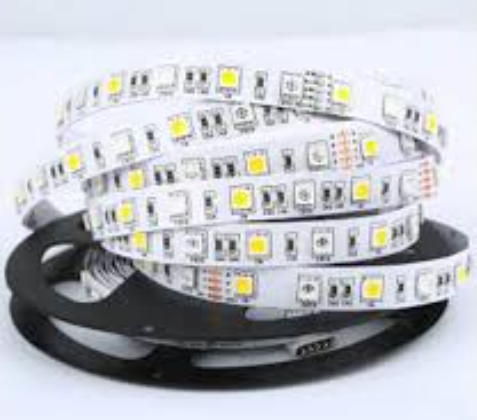
Substrate materials: Commonly used substrate materials include FR-4 (glass fiber epoxy resin), aluminum substrates and copper substrates. Aluminum substrates are widely used in high-power LED lamps due to their good thermal conductivity.
LED chip: LED chip is the core component of light emission, usually made of semiconductor materials such as gallium nitride (GaN).
Drive circuit: The drive circuit is used to control the current and voltage of the LED to ensure that the LED operates within a safe operating range.
Other components: including resistors, capacitors, diodes, etc., which are used to regulate current, filter and protect circuits.
2.Material selection
In the process of LED circuit board assembly, the selection of materials is crucial. Here are some key material selection criteria:
Substrate material:
FR-4: Suitable for low-power LEDs, low cost, but poor thermal conductivity.
Aluminum substrate: Suitable for high-power LEDs, with excellent heat dissipation performance, can effectively extend the service life of LEDs.
LED chip:
Select high-quality LED chips to ensure luminous efficiency and color temperature stability.
Welding material:
Usually use lead-free solder to meet environmental standards. The selection of solder should consider its melting point and fluidity.
Other components:
Select suitable resistors and capacitors according to the circuit design to ensure that their rated power and voltage can meet the circuit requirements.
3.Assembly steps
The assembly process of LED circuit boards usually includes the following steps:
1.Design and layout
Before assembly, circuit design and layout are required first. Use CAD software to design the circuit diagram and generate a PCB (printed circuit board) layout diagram. Factors such as component arrangement, pad size and spacing should be considered during design to ensure that the subsequent assembly and welding process proceeds smoothly.
2.Prototyping and PCB production
Make PCBs according to design drawings. You can choose to make your own PCB or outsource it to a professional PCB manufacturer. After manufacturing, the PCB needs to be cleaned to remove surface impurities.
3.Component placement
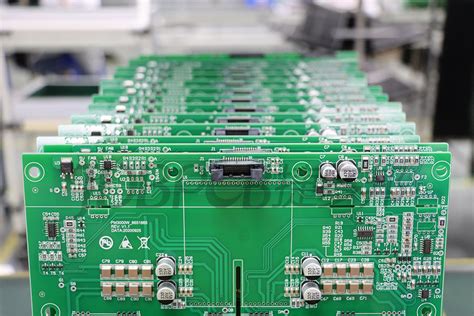
Component placement is a key step in the assembly process. You can choose to place it manually or use an automatic placement machine (SMT) for placement. Automatic placement machines have the advantages of high efficiency and high precision, and are suitable for large-scale production.
4.Soldering
Soldering is an important step to fix components on PCBs. Commonly used soldering methods include:
Wave soldering: suitable for mass production, capable of quickly soldering multiple components.
Reflow soldering: suitable for surface mount components, first apply solder paste to the pad, then heat it to melt the solder paste and fix the component.
After soldering, the solder joints need to be checked to ensure that there are no cold solder joints and short circuits.
5.Testing
After assembly, the LED circuit board needs to be functionally tested. The test content includes:
Electrical test: Check the voltage, current and power of the circuit to ensure that it is within the design range.
Optical test: Test the brightness, color temperature and color consistency of LED.
Thermal test: Test the operating temperature of LED under high load conditions to ensure its good heat dissipation performance.
6.Quality control
Quality control is a key link to ensure the performance and reliability of LED circuit boards. Strict quality standards should be established and checked at each assembly link. Common quality control methods include:
Sampling inspection: Random sampling of production batches for functional and appearance inspection.
Environmental test: Test the performance of LED under different temperature and humidity conditions to ensure that it can adapt to various environments.
7.Common problems and solutions
During the assembly of LED circuit boards, some common problems may be encountered. Here are some solutions:
Hot solder joints: Hot solder joints can cause LEDs to not light up or flicker. The solution is to increase the soldering temperature and time to ensure that the solder is fully melted.
Short circuit: Short circuits may be caused by too much solder or improper component placement. The solder joints should be carefully checked to ensure the right amount of solder and avoid contact between component pins.
Uneven LED brightness: This may be due to inconsistent LED chip quality or unreasonable drive circuit design. High-quality LED chips should be selected, and the drive circuit design should be optimized.
8. Future Development Trends
With the continuous advancement of LED technology, LED circuit board assembly is also developing. Future trends include:
Intelligence: With the development of the Internet of Things, intelligent LED lighting systems will become a trend, and circuit boards will integrate more sensors and control modules.
Environmentally friendly materials: More environmentally friendly materials such as lead-free solder and degradable substrates will be used to meet global environmental standards.
High efficiency: The luminous efficiency of LEDs will continue to improve, and the design of circuit boards will pay more attention to heat dissipation and energy efficiency.
Conclusion
LED circuit board assembly is a complex and delicate process involving multiple links such as material selection, design layout, component mounting, welding, testing and quality control. With the continuous development of LED technology, the assembly process is also evolving. By continuously optimizing the assembly process and improving the quality of materials, we can produce more efficient and reliable LED lighting products, bringing more convenience and comfort to people’s lives.