
Global Leaders: Top PCB Suppliers Shaping Electronics

Key Takeaways
When evaluating PCB manufacturing partners, you’ll find that leading PCB manufacturing companies prioritize innovation and scalability to meet evolving industry demands. The PCB manufacturing cost often reflects material quality, layer complexity, and compliance with sustainability standards—factors critical for balancing performance and budget. For businesses navigating the competitive PCB manufacturing business, strategic partnerships with suppliers offering rigid-flex and HDI solutions can accelerate product development cycles while maintaining reliability.
Regional expertise plays a pivotal role, with China and Taiwan dominating advanced production capabilities, though global diversification ensures supply chain resilience. As you explore options, consider how eco-friendly practices—like halogen-free materials and reduced waste—are reshaping workflows without compromising precision. Transitioning seamlessly, these insights set the stage for understanding how market leaders integrate cutting-edge technologies to power next-gen electronics. Keep these takeaways in mind as we delve deeper into the top suppliers and trends defining 2023’s PCB landscape.
Top 10 PCB Suppliers of 2023
When sourcing PCB manufacturing solutions, you’ll find a competitive landscape dominated by companies balancing innovation with PCB manufacturing cost efficiency. Leading PCB manufacturing companies like Unimicron Technology (Taiwan), TTM Technologies (USA), and Zhen Ding Tech (China) excel in delivering high-volume, precision-engineered boards for aerospace, automotive, and consumer electronics. These firms leverage economies of scale to optimize PCB manufacturing business workflows, ensuring rapid prototyping and bulk production without compromising on reliability.
Below is a snapshot of 2023’s key players and their specialties:
| Company | Region | Core Expertise | Notable Clients |
|---|---|---|---|
| Unimicron Technology | Taiwan | High-density interconnect (HDI) | Apple, NVIDIA |
| TTM Technologies | USA | Rigid-flex PCBs | Lockheed Martin, Cisco |
| Zhen Ding Tech | China | Advanced substrate materials | Huawei, Samsung |
| Samsung Electro-Mechanics | South Korea | Ultra-thin multilayer boards | Tesla, LG |
While PCB manufacturing cost varies by design complexity and material selection (e.g., FR-4 vs. ceramic substrates), these suppliers maintain competitive pricing through automated production lines and strategic raw material sourcing. For startups, partnering with mid-sized PCB manufacturing companies like Tripod Technology or Compeq Manufacturing can offer flexibility for low-volume orders.
As demand grows for IoT and 5G-enabled devices, the PCB manufacturing business prioritizes miniaturization and thermal management—key factors driving partnerships between tech giants and PCB producers. Whether you’re prototyping or scaling, understanding these leaders’ capabilities ensures alignment with your project’s technical and budgetary needs.
Rigid-Flex PCB Tech Innovations
When exploring cutting-edge electronics, you’ll find rigid-flex PCB manufacturing at the heart of devices that demand both durability and adaptability. By seamlessly integrating rigid and flexible substrates, these circuits enable sleeker designs while maintaining high performance—a critical advantage for wearables, aerospace systems, and medical equipment. Leading PCB manufacturing companies are pushing boundaries with ultra-thin materials and laser-drilled microvias, reducing PCB manufacturing cost through advanced automation and precision engineering.
What makes this innovation transformative? Rigid-flex PCBs eliminate bulky connectors, reducing failure points and assembly time. For businesses balancing innovation with budgets, optimizing PCB manufacturing business workflows ensures scalability without compromising quality. Imagine foldable smartphones or implantable medical sensors—these breakthroughs rely on hybrid circuits that withstand bending cycles and harsh environments.
As you evaluate suppliers, consider how material advancements like polyimide films and liquid crystal polymers are redefining thermal stability and signal integrity. The shift toward rigid-flex solutions isn’t just a trend—it’s a strategic response to miniaturization demands across industries. Whether you’re prototyping or scaling production, aligning with manufacturers mastering this duality ensures your projects stay ahead in an increasingly compact, interconnected world.
China and Taiwan PCB Dominance
When exploring the global PCB manufacturing landscape, you’ll quickly notice how China and Taiwan collectively command over 60% of the market. This dominance stems from decades of strategic investments in high-volume production and cutting-edge technologies. Leading PCB manufacturing companies like Taiwan’s Unimicron and China’s Shennan Circuits have perfected economies of scale, significantly reducing PCB manufacturing cost while maintaining stringent quality standards.
Taiwan’s expertise lies in precision engineering for advanced applications—think 5G infrastructure and AI hardware—while China leverages its vast industrial ecosystem to optimize PCB manufacturing business operations. Both regions benefit from government-backed R&D initiatives, enabling rapid adoption of innovations like automated assembly lines and eco-friendly processes.
What sets them apart is their ability to balance affordability with technical sophistication. For instance, Taiwanese firms excel in high-density interconnect (HDI) boards, whereas Chinese suppliers dominate rigid-flex PCB production. This synergy ensures that whether you’re prototyping a wearable device or scaling up automotive electronics, sourcing from these hubs offers unmatched flexibility.
As global demand surges, their integrated supply chains—from raw materials to finished boards—continue to redefine efficiency in PCB manufacturing, solidifying their positions as indispensable players in modern electronics.
HDI Solutions in Modern Electronics
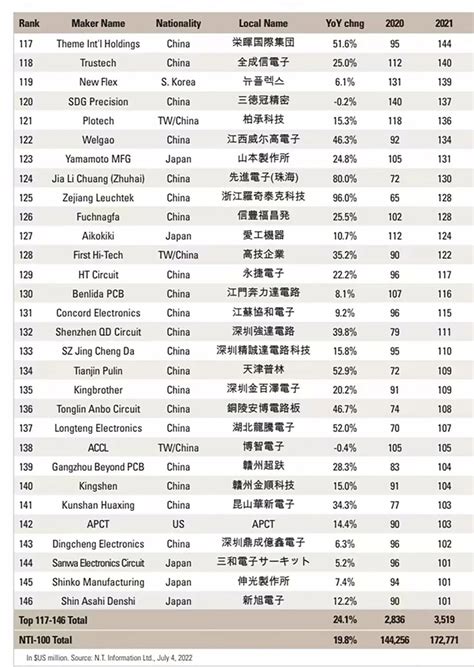
When you need devices that pack more functionality into smaller footprints, HDI (High-Density Interconnect) PCBs become indispensable. These advanced circuits enable miniaturization without compromising performance—critical for smartphones, wearables, and IoT devices. Leading PCB manufacturing companies now prioritize HDI solutions to meet demands for finer traces, microvias, and stacked layers, ensuring signal integrity in space-constrained designs.
Balancing PCB manufacturing cost with technical complexity remains a challenge. While HDI requires specialized materials and precision equipment, its long-term value in reducing assembly steps and enhancing reliability offsets initial investments. Innovators like Taiwanese and Chinese suppliers dominate this niche, leveraging economies of scale to deliver cost-effective, high-yield production.
For your PCB manufacturing business, adopting HDI could unlock opportunities in 5G infrastructure, automotive electronics, and medical devices. However, success hinges on partnering with suppliers skilled in laser drilling and sequential lamination—techniques that define modern HDI capabilities. As performance thresholds rise, expect tighter integration between HDI design and PCB manufacturing processes, driving smarter, more efficient electronics across industries.
Global PCB Market Trends 2023
The PCB manufacturing industry is navigating a transformative phase in 2023, driven by surging demand for smarter, smaller, and faster electronics. As automotive electrification and 5G infrastructure deployments accelerate, PCB manufacturing companies are prioritizing high-density interconnect (HDI) and flexible circuit solutions to meet evolving technical requirements. Global market projections suggest a 6.8% CAGR through 2025, with Asia-Pacific regions—particularly China and Taiwan—accounting for over 65% of production capacity.
"Optimizing PCB manufacturing cost while maintaining quality remains critical for businesses competing in price-sensitive markets like consumer electronics."
Supply chain resilience has become a focal point, with companies diversifying raw material sourcing to mitigate geopolitical risks. Rising copper and substrate prices have pushed PCB manufacturing business models to adopt automation and AI-driven process optimization, reducing waste by up to 20%. Meanwhile, sustainability mandates are reshaping workflows—over 40% of tier-1 suppliers now use halogen-free laminates and lead-free finishes.
As you explore partnerships, consider how regional expertise aligns with your needs. For instance, Taiwanese firms lead in advanced rigid-flex PCB tech, while Chinese players dominate high-volume production. However, balancing PCB manufacturing cost with innovation requires scrutinizing suppliers’ R&D investments and certifications like IATF 16949 for automotive-grade reliability.
This shift toward miniaturization and thermal management solutions underscores why aligning with agile PCB manufacturing companies is vital for staying ahead in 2023’s competitive landscape.
Eco-Friendly PCB Manufacturing
As environmental concerns reshape industries, PCB manufacturing evolves to meet stricter sustainability standards. Leading PCB manufacturing companies now prioritize reducing chemical waste, adopting lead-free processes, and recycling copper-clad laminates. You’ll notice many suppliers integrating water-based cleaning systems and halogen-free materials to minimize ecological footprints without compromising circuit performance.
Balancing PCB manufacturing cost with eco-initiatives remains a challenge, but innovations like energy-efficient etching equipment and solar-powered factories demonstrate progress. For instance, some manufacturers offset higher upfront expenses by optimizing material usage—reducing scrap rates by up to 30% through precision laser drilling. This shift not only aligns with global regulations like RoHS and REACH but also appeals to clients seeking carbon-neutral supply chains.
The PCB manufacturing business increasingly relies on closed-loop systems, where wastewater and metal byproducts are repurposed for secondary applications. By partnering with raw material suppliers committed to sustainability, manufacturers ensure every layer—from rigid boards to flexible circuits—supports greener electronics. As you evaluate suppliers, consider how their environmental strategies complement advancements in HDI or rigid-flex tech discussed earlier, creating a cohesive approach to next-gen electronics.
Key PCB Suppliers Shaping Tech
When evaluating how PCB manufacturing drives technological progress, you’ll find that leading PCB manufacturing companies leverage cutting-edge processes to meet evolving industry demands. Firms like Unimicron and TTM Technologies excel in producing high-density interconnect (HDI) boards and flexible circuits, enabling sleeker designs for smartphones, IoT devices, and automotive systems. Their ability to balance PCB manufacturing cost with performance ensures affordability without compromising on reliability—a critical factor for startups and enterprises alike.
What sets these innovators apart is their integration of automation and AI-driven quality control, which minimizes defects and accelerates production cycles. For example, Shennan Circuits employs advanced laser drilling to achieve micron-level precision, while Zhen Ding Tech focuses on eco-conscious materials to align with global sustainability goals. By optimizing PCB manufacturing business models—such as offering rapid prototyping and small-batch orders—these suppliers empower clients to iterate faster in competitive markets.
As you explore their portfolios, you’ll notice a trend toward hybrid solutions combining rigid and flexible PCBs, ideal for wearables and medical devices. This adaptability underscores why these leaders remain indispensable to sectors like 5G infrastructure and renewable energy, where durability and signal integrity are non-negotiable. Their relentless R&D investments ensure they stay ahead in a landscape where PCB manufacturing isn’t just about circuits—it’s about enabling the next wave of technological breakthroughs.

Conclusion
As the electronics industry accelerates toward smarter and more compact devices, your choice of PCB manufacturing partners becomes critical to maintaining competitive advantage. The leading PCB manufacturing companies highlighted in this analysis demonstrate how innovation in materials, precision engineering, and sustainability practices drives progress across sectors—from consumer gadgets to aerospace systems. While PCB manufacturing cost remains a key consideration, advancements in automation and high-volume production have enabled suppliers to balance affordability with cutting-edge performance.
For businesses navigating the PCB manufacturing business landscape, prioritizing partners with robust R&D capabilities and global scalability ensures access to next-generation solutions like ultra-thin flexible circuits and high-density interconnect (HDI) designs. As environmental regulations tighten, forward-thinking suppliers are also adopting eco-conscious processes—reducing waste and energy consumption without compromising quality.
Ultimately, the evolution of PCB technology hinges on collaboration between innovators and manufacturers. By aligning with industry leaders, you secure not just components, but the foundation for tomorrow’s breakthroughs in connectivity and miniaturization.
FAQs
How do you evaluate reliability in pcb manufacturing companies?
Look for certifications like ISO 9001 and IPC-A-600, which ensure adherence to quality standards. Leading pcb manufacturing providers often showcase their production capabilities, material traceability, and testing protocols for transparency.
What factors influence pcb manufacturing cost?
Key variables include board complexity (layers, size), material selection (FR-4 vs. high-frequency laminates), and turnaround time. Bulk orders typically reduce per-unit costs, while HDI solutions or rigid-flex designs may increase expenses due to specialized processes.
Why do China and Taiwan dominate the pcb manufacturing business?
Their ecosystems combine advanced R&D infrastructure, scalable production facilities, and competitive labor markets. Over 60% of global pcb manufacturing output originates here, driven by demand for consumer electronics and automotive systems.
Can eco-friendly practices reduce pcb manufacturing cost long-term?
Yes. Recycling copper waste, using halogen-free materials, and optimizing energy consumption lower regulatory risks and waste disposal fees. Many pcb manufacturing companies now integrate sustainability to align with global ESG standards.
How do you choose between local and overseas pcb manufacturing partners?
Balance lead times, tariffs, and technical support needs. For prototypes, local suppliers offer faster revisions. High-volume orders often benefit from overseas partners’ economies of scale, provided you verify their quality controls.
Explore Custom PCB Solutions for Your Project
Need tailored rigid-flex, HDI, or high-frequency PCB designs? Click here to connect with specialized engineers who can optimize your pcb manufacturing cost while ensuring reliability.