
Global Leaders in PCB Manufacturing: 2023 Electronics Sector Pioneers
Key Takeaways
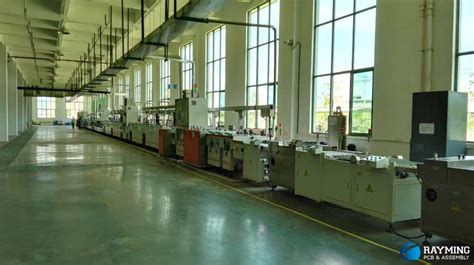
When navigating the PCB manufacturing landscape, you’ll notice three critical factors shaping decisions: technological innovation, regional specialization, and cost optimization. Leading PCB manufacturing companies now prioritize hybrid solutions that merge rigid-flex designs with high-density interconnects, enabling smaller, faster devices for industries like 5G and AI. Asia remains the epicenter of PCB manufacturing business activity, with over 70% of global production concentrated in China, South Korea, and Taiwan—regions offering competitive PCB manufacturing cost structures due to scaled infrastructure and material access.
Tip: When evaluating suppliers, consider how their regional presence impacts lead times and tariffs. For instance, North American and European facilities often provide faster turnaround for localized projects, despite higher labor costs.
Innovations in embedded components and advanced substrates are redefining performance benchmarks, with companies like Unimicron and Zhen Ding Tech pushing boundaries in automotive and aerospace applications. Meanwhile, sustainability initiatives are reshaping PCB manufacturing practices, as firms adopt recyclable materials and energy-efficient processes to meet stricter environmental regulations.
Transitioning between markets requires balancing technical capabilities with economic realities—whether you’re prototyping niche flex circuits or scaling rigid-board production. By aligning with partners that excel in both R&D and supply chain agility, you can mitigate risks while capitalizing on emerging opportunities in this $80+ billion sector.
Global PCB Manufacturing Leaders 2023
When evaluating PCB manufacturing leaders, you’ll find a mix of scale, innovation, and geographic reach defining the competitive landscape. Asia remains the epicenter, hosting over 70% of global PCB manufacturing companies, with giants like Zhen Ding Technology (China) and Samsung Electro-Mechanics (South Korea) driving high-volume production. However, North American and European firms are gaining traction by specializing in low-volume, high-reliability boards for aerospace and medical sectors, balancing PCB manufacturing cost with stringent quality demands.
| Region | Key Players | Specialization | Cost Efficiency |
|---|---|---|---|
| Asia | Zhen Ding, Unimicron | High-volume rigid/flex PCBs | $0.05–$0.20/sq.in |
| North America | TTM Technologies, Flex Ltd. | Aerospace/defense boards | $0.30–$0.50/sq.in |
| Europe | AT&S, Würth Elektronik | Automotive & industrial PCBs | $0.25–$0.45/sq.in |
To optimize your PCB manufacturing business, consider partnering with suppliers offering hybrid solutions—combining rigid and flex technologies—to meet evolving IoT and 5G demands. Innovations like embedded components and high-density interconnect (HDI) designs are reshaping production workflows, though they may elevate PCB manufacturing cost by 15–25%. Leading firms mitigate this through automation and advanced material sourcing, ensuring competitiveness without compromising reliability. Whether prioritizing affordability or cutting-edge tech, aligning with regionally dominant players ensures access to tailored expertise and supply chain resilience.
Innovative Flex and Rigid PCB Technologies
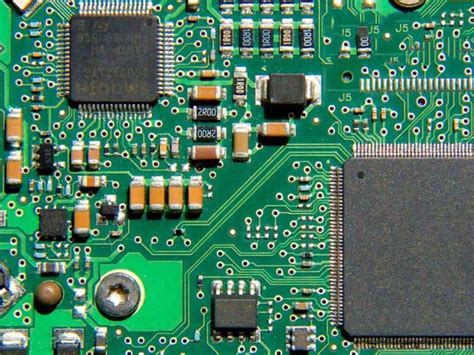
When exploring PCB manufacturing advancements, you’ll find that the divide between flexible and rigid technologies is narrowing. Modern PCB manufacturing companies now integrate both formats to meet demands for compact, high-performance electronics. Flexible PCBs, with their ability to bend and fold, enable sleeker designs in wearables and medical devices, while rigid boards remain critical for stability in industrial equipment and automotive systems.
The PCB manufacturing cost for hybrid solutions has decreased significantly, thanks to improved material efficiency and automated production lines. Innovations like laser-drilled microvias and high-density interconnect (HDI) layers allow manufacturers to pack more functionality into smaller spaces without compromising reliability. For businesses, balancing durability and flexibility is key—especially when targeting industries like aerospace or IoT, where environmental resilience matters.
Leading firms are also addressing sustainability challenges in the PCB manufacturing business by adopting eco-friendly substrates and reducing chemical waste. As you evaluate suppliers, consider how their R&D investments align with emerging needs—whether in 5G infrastructure, foldable displays, or energy-efficient manufacturing processes. These advancements not only enhance product lifespans but also position global leaders to dominate next-generation electronics markets.
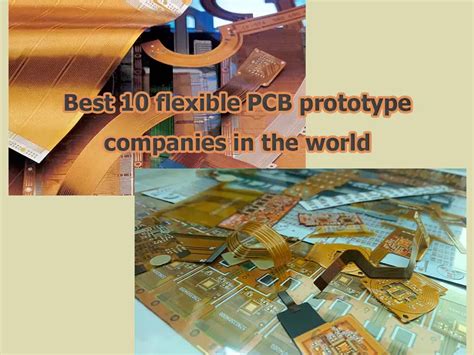
Top Electronics Sector PCB Suppliers
When sourcing PCB manufacturing partners for high-performance electronics, you’ll find industry leaders balancing PCB manufacturing cost efficiency with cutting-edge capabilities. Companies like Foxconn (Hon Hai Precision) and Samsung Electro-Mechanics dominate consumer electronics supply chains, leveraging scale to optimize PCB manufacturing business operations across Asia. Meanwhile, specialized firms like TTM Technologies (U.S.) and AT&S (Austria) cater to aerospace and automotive sectors, where precision and reliability outweigh pure cost considerations.
These PCB manufacturing companies differentiate themselves through vertically integrated workflows, from design validation to mass production. For instance, Unimicron Technology integrates advanced HDI (High-Density Interconnect) processes, critical for miniaturized devices like wearables. When evaluating suppliers, consider how their expertise aligns with your project’s technical demands—whether rigid boards for industrial equipment or flexible circuits for medical devices. Regional infrastructure also plays a role: North American suppliers often excel in rapid prototyping, while Asian hubs like Shenzhen offer unmatched scalability for high-volume orders. By prioritizing partners with proven R&D investment and transparent PCB manufacturing cost structures, you secure both innovation and long-term supply chain stability.
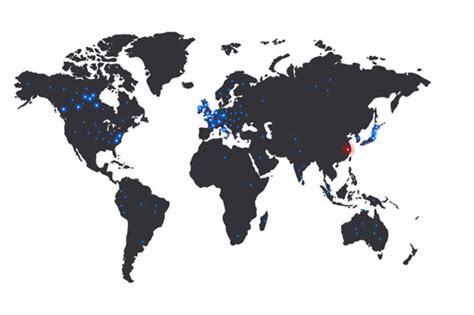
Hybrid PCB Advancements Worldwide
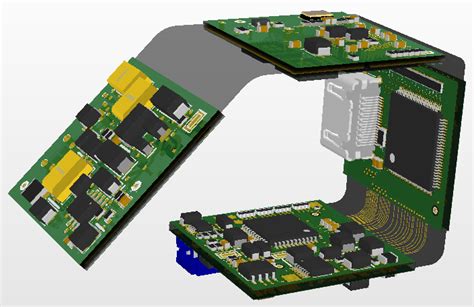
As global demand for compact, high-performance electronics surges, PCB manufacturing companies are accelerating innovations in hybrid circuit board technology. By combining rigid-flex designs with embedded components, these firms address challenges in aerospace, medical devices, and 5G infrastructure—where space constraints and signal integrity are critical. Leading manufacturers in Asia now integrate AI-driven quality control systems, slashing PCB manufacturing cost while boosting yield rates by up to 20%. Meanwhile, European labs pioneer eco-friendly hybrid substrates, reducing reliance on traditional FR-4 materials without compromising thermal stability.
In North America, the PCB manufacturing business increasingly focuses on military-grade hybrid boards, leveraging additive manufacturing to create ultra-thin, vibration-resistant layers. You’ll notice cross-industry collaborations here, with automakers and IoT developers co-designing boards that withstand extreme temperatures. What sets 2023 apart is the shift toward modular hybrid architectures, enabling faster upgrades in consumer electronics. As you examine these advancements, it’s clear that hybrid PCBs aren’t just bridging rigid and flexible technologies—they’re redefining how industries approach durability, scalability, and miniaturization in a hyper-connected world.
North America’s PCB Industry Growth
While Asia remains the epicenter of global PCB manufacturing, North America’s electronics sector is experiencing a resurgence driven by strategic reshoring and advancements in automation. Major PCB manufacturing companies across the U.S. and Canada are capitalizing on government incentives to strengthen domestic supply chains, particularly for high-reliability applications in aerospace, defense, and automotive industries. Innovations in automated assembly lines and AI-driven quality control have significantly reduced PCB manufacturing cost, enabling regional players to compete more effectively with overseas counterparts.
The region’s focus on sustainable practices—such as lead-free materials and energy-efficient production—is reshaping the PCB manufacturing business, aligning with stricter environmental regulations. Companies like TTM Technologies and Sanmina Corporation are leading investments in flexible and high-density interconnect (HDI) PCBs, catering to rising demand for 5G infrastructure and IoT devices. Additionally, collaborations between academia and manufacturers are accelerating R&D in advanced substrates, further solidifying North America’s role as a hub for cutting-edge PCB solutions.
This growth trajectory is reinforced by a skilled workforce and proximity to key markets, positioning the region as a critical link in the global electronics ecosystem. As supply chain uncertainties persist, localized PCB manufacturing capabilities offer resilience—a factor increasingly prioritized by OEMs worldwide.
Europe’s Precision PCB Manufacturing
When exploring PCB manufacturing excellence, Europe’s focus on precision engineering sets it apart. The region’s PCB manufacturing companies prioritize high-quality, low-tolerance production for industries like automotive, aerospace, and medical devices, where reliability is non-negotiable. Unlike mass-scale hubs, European suppliers optimize PCB manufacturing cost through advanced automation and lean processes, balancing efficiency with stringent environmental standards.
You’ll notice firms like AT&S (Austria) and Schweizer Electronic (Germany) leading innovations in high-density interconnect (HDI) and embedded component technologies, catering to evolving demands for miniaturization. These advancements position Europe as a critical player in specialized PCB manufacturing business segments, particularly for applications requiring thermal stability and signal integrity.
While labor and operational expenses remain higher than in Asian markets, the region compensates with certified traceability and cross-industry R&D collaborations. For projects demanding exacting specifications—such as electric vehicle control systems or industrial IoT devices—European manufacturers offer tailored solutions that align with global quality benchmarks. This strategic focus ensures their relevance in an industry increasingly driven by smart, interconnected technologies.
Emerging Trends in Global PCB Markets
As you navigate the evolving landscape of PCB manufacturing, you’ll notice a surge in automation-driven production reshaping how PCB manufacturing companies operate. Advanced robotics and AI-powered quality control systems are reducing PCB manufacturing cost while improving yield rates—critical for staying competitive in high-volume markets like consumer electronics. Another key trend is the rise of sustainable practices, with manufacturers increasingly adopting recyclable materials and energy-efficient processes to meet stricter environmental regulations.
Hybrid PCB designs, combining rigid and flexible substrates, are gaining traction as industries demand lighter, more durable boards for IoT and wearable tech. This innovation is pushing PCB manufacturing business strategies toward R&D-heavy collaborations with automotive and aerospace sectors. Geopolitical shifts are also influencing supply chains, prompting companies to diversify production hubs beyond traditional Asian bases to regions like Eastern Europe and Mexico.
Edge computing and 5G expansion are further accelerating the need for high-frequency PCBs, driving investments in specialized materials like low-loss laminates. For businesses, understanding these trends isn’t optional—it’s essential to aligning your supply chain with the next wave of PCB manufacturing advancements.
Conclusion
As you navigate the evolving landscape of electronics production, understanding the strategic role of PCB manufacturing companies becomes critical. The global leaders in PCB manufacturing have demonstrated how innovation in rigid, flex, and hybrid technologies shapes industries—from consumer electronics to aerospace. While PCB manufacturing costs remain a key consideration, advancements in automation and material science are enabling firms to deliver higher precision at competitive rates, ensuring scalability for businesses of all sizes.
For those exploring the PCB manufacturing business, regional specialization offers unique advantages. Asia’s cost-efficient ecosystems, North America’s focus on high-reliability applications, and Europe’s precision-driven sectors highlight how geographic expertise influences supply chains. Meanwhile, emerging trends like miniaturization and sustainability mandates are pushing manufacturers to adopt greener processes without compromising performance.
Ultimately, partnering with established PCB manufacturing innovators ensures access to cutting-edge solutions while mitigating risks in product development. By aligning your goals with providers that balance technical expertise and cost efficiency, you position your projects to thrive in an increasingly interconnected and demanding market.
Frequently Asked Questions
How do you choose the right PCB manufacturing company for your project?
When selecting a PCB manufacturing partner, consider their expertise in producing your required PCB type (rigid, flex, or hybrid), geographic reach, and certifications like ISO or UL. Leading PCB manufacturing companies often provide design support and prototyping services to streamline production.
What factors influence PCB manufacturing cost?
PCB manufacturing cost depends on material quality, layer count, board size, and production volume. Advanced technologies like high-density interconnect (HDI) or flexible PCBs may increase costs, but bulk orders often reduce per-unit pricing. Always request a detailed quote to balance budget and performance.
Is starting a PCB manufacturing business profitable in 2023?
The PCB manufacturing business remains competitive but lucrative due to rising demand in automotive, aerospace, and IoT sectors. Success requires investing in advanced equipment, skilled labor, and certifications. Partnering with established suppliers for raw materials can also enhance margins.
How are global regions adapting to hybrid PCB trends?
Asia leads in scaling hybrid PCB production, while North America and Europe focus on precision manufacturing for defense and medical sectors. Innovations like embedded components and thermal management solutions are driving adoption across industries.
What certifications should you prioritize for PCB suppliers?
Look for PCB manufacturing companies with ISO 9001 (quality management), IPC-A-600 (acceptability standards), and RoHS compliance. These ensure adherence to international safety, reliability, and environmental protocols.
Ready to Partner with a Trusted PCB Manufacturer?
For tailored solutions in PCB manufacturing, explore advanced capabilities and request a quote today. Please click here to connect with Andwin PCB’s expert team.