
Flexible PCB Assembly: Key Strategies for Reliable Manufacturing
Key Takeaways
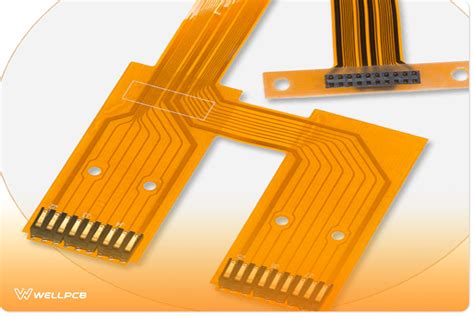
Successful flexible PCB assembly hinges on balancing design precision, material compatibility, and rigorous quality protocols. PCB assembly (PCBA) processes for flex circuits demand specialized strategies to address challenges like thermal stress, mechanical fatigue, and signal integrity. Key considerations include optimizing bend radius during layout, selecting high-temperature substrates (e.g., polyimide), and ensuring proper adhesion between layers.
A critical aspect of reliable manufacturing involves integrating automated optical inspection (AOI) systems to detect microfractures or misalignments early. Additionally, choosing the right surface finish (such as ENIG or immersion silver) enhances solderability and corrosion resistance. Below is a comparison of common materials used in flexible PCBA:
| Material | Key Properties | Ideal Applications |
|---|---|---|
| Polyimide | High thermal stability, flexibility | Aerospace, wearables |
| PET | Cost-effective, moderate flexibility | Consumer electronics |
| Liquid Crystal Polymer (LCP) | Low moisture absorption, high frequency | RF/microwave devices |
To maintain consistency, manufacturers must prioritize environmental testing (e.g., thermal cycling, humidity exposure) and adhere to IPC-6013 standards. By aligning design for manufacturability (DFM) principles with advanced PCBA techniques, engineers can achieve durable, high-performance flexible circuits suited for dynamic applications like medical implants or foldable displays.
Flexible PCB Design Essentials
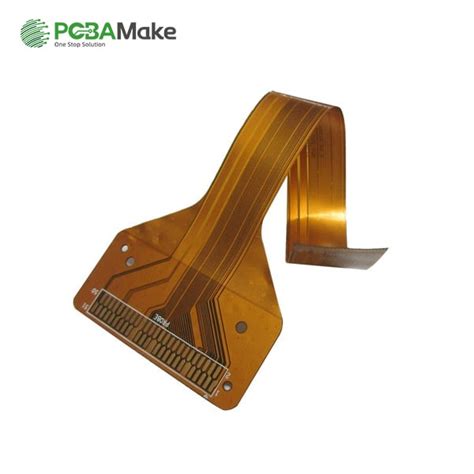
Effective flexible PCB assembly begins with meticulous design planning. Unlike rigid boards, flexible circuits require careful attention to bend radius, dynamic vs. static applications, and trace routing to prevent mechanical stress and signal degradation. Designers must prioritize foldable zones and avoid placing components or vias in areas prone to repeated flexing.
Tip: Use simulation tools to model bending scenarios during the design phase—this reduces prototyping costs and identifies potential failure points early.
Material compatibility is another critical factor. For instance, selecting polyimide substrates instead of standard FR-4 ensures thermal stability and flexibility. Additionally, PCBA processes must account for the unique properties of flexible materials, such as lower glass transition temperatures, to avoid delamination during soldering.
Transitioning between rigid and flexible sections demands precise pad geometry and adhesiveless laminates to maintain electrical continuity. Designers should also optimize conductor widths and spacing for impedance control, especially in high-frequency applications.
"A well-designed flexible PCB balances mechanical resilience with electrical performance," notes a leading PCB assembly engineer. "Iterative testing with 3D mock-ups can validate design choices before full-scale production."
By integrating these principles, manufacturers can streamline PCBA workflows while ensuring reliability in applications like wearable tech or aerospace systems—setting the stage for robust material selection and quality control in subsequent phases.
Material Selection for Durable PCBs
Choosing the right materials is foundational to achieving reliable flexible PCB assembly outcomes. The substrate, adhesive layers, and conductive traces must balance flexibility with durability to withstand mechanical stress and environmental factors. Polyimide remains a preferred substrate due to its exceptional thermal stability and resistance to moisture, while PET (polyethylene terephthalate) offers cost-effective solutions for less demanding applications. For conductive layers, rolled annealed copper is often selected over electrodeposited variants for its superior fatigue resistance during repeated bending.
Adhesives play a critical role in PCBA reliability, with acrylic or epoxy-based options providing robust bonding without compromising flexibility. Manufacturers must also consider dielectric materials that minimize signal loss in high-frequency applications. Compatibility between materials is crucial—mismatched coefficients of thermal expansion can lead to delamination or cracking. Advanced PCB assembly processes now incorporate hybrid material stacks, combining rigid and flexible sections to optimize performance in complex designs.
Quality assurance begins at the material stage, with rigorous testing for tensile strength, thermal cycling tolerance, and chemical resistance. By aligning material choices with application-specific demands, engineers ensure that flexible PCBs meet both functional and longevity requirements.
Quality Control in PCB Manufacturing
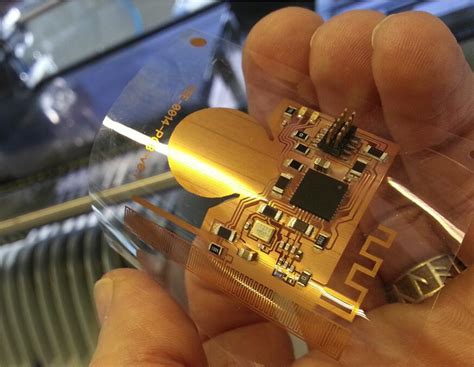
Effective PCB assembly relies on rigorous quality control (QC) processes to ensure the reliability of flexible circuits, particularly in high-stress environments. Dynamic applications such as wearable devices or aerospace systems demand precision at every stage, from solder joint integrity to layer alignment. Advanced PCBA workflows incorporate automated optical inspection (AOI) systems to detect microscopic defects like cracks or misaligned components, which are critical in thin, bendable substrates. X-ray inspection further validates internal connections in multilayer designs, while functional testing simulates real-world operating conditions to assess durability under repeated flexing.
Material verification is equally vital, as mismatched coefficients of thermal expansion (CTE) between polyimide films and copper traces can lead to delamination. QC protocols often include cross-sectional analysis to confirm adhesive uniformity and impedance testing for signal consistency. To align with industry standards such as IPC-6013, manufacturers must document traceability for every batch, ensuring compliance across PCB assembly stages. By integrating these checks into PCBA workflows, producers minimize failure risks and extend the lifecycle of flexible electronics, balancing performance with cost efficiency.
Reliable Flexible PCB Techniques
Achieving reliability in flexible PCB assembly requires a combination of precision engineering and process optimization. A critical factor lies in maintaining consistent trace integrity during bending cycles, which demands careful attention to PCBA layout patterns. Techniques such as controlled impedance routing and strain relief features help mitigate mechanical stress, particularly in dynamic applications. For instance, using PCB assembly processes that incorporate staggered vias or teardrop-shaped pad transitions can significantly reduce the risk of micro-cracking.
Material compatibility also plays a pivotal role. Adhesives and substrates must exhibit thermal stability to withstand soldering temperatures while retaining flexibility. Advanced PCBA workflows often integrate laser-cut apertures and automated optical inspection (AOI) to ensure alignment accuracy, especially for high-density interconnects. Additionally, implementing conformal coating post-assembly enhances environmental resistance without compromising bend radius.
Transitioning from design to production, collaboration between design engineers and flexible PCB assembly specialists is essential to address potential failure points early. This synergy ensures that design-for-manufacturability principles are applied holistically, balancing electrical performance with mechanical durability. By prioritizing these techniques, manufacturers can deliver PCB assembly solutions that meet the rigorous demands of modern electronics, from wearable devices to aerospace systems.
Advanced Flexible PCB Applications
The evolution of flexible PCB assembly has unlocked transformative applications across industries where traditional rigid boards fall short. In medical devices, flexible circuits enable compact, high-precision tools like endoscopes and implantable sensors, where PCBA processes must prioritize biocompatibility and resistance to sterilization cycles. Similarly, aerospace systems rely on lightweight, vibration-resistant designs, with flexible PCBs integrated into avionics and satellite communications to withstand extreme temperatures and mechanical stress.
Emerging wearable technology further highlights the adaptability of flexible PCB assembly, as circuits conform to ergonomic shapes in smartwatches and fitness trackers. Here, dynamic flexing and bend-to-install techniques ensure longevity despite repeated movement. For IoT devices, PCBA workflows incorporate ultra-thin substrates to support high-density interconnects in space-constrained environments like environmental sensors or industrial automation modules.
Critical to these applications is the synergy between advanced materials (e.g., polyimide films) and reliable manufacturing practices, including automated optical inspection (AOI) and X-ray testing. By tailoring flexible PCB assembly to meet sector-specific demands—whether through enhanced thermal management or moisture-resistant coatings—manufacturers deliver solutions that balance performance, durability, and scalability.
Optimizing Flexible PCB Performance
Achieving peak performance in flexible PCB assembly requires balancing design precision with advanced manufacturing techniques. Critical to this process is optimizing trace routing to minimize signal loss while accommodating dynamic bending scenarios. Engineers must account for mechanical stress distribution by strategically placing PCBA components away from high-flex zones, ensuring long-term reliability. Implementing controlled impedance designs becomes essential for high-frequency applications, where even minor deviations can degrade signal integrity.
Material compatibility plays a pivotal role—selecting adhesives with matching thermal expansion coefficients prevents delamination during temperature cycling. Advanced PCB assembly workflows now integrate laser-cut apertures and microvia technologies to enhance circuit density without compromising flexibility. Real-time monitoring during lamination and etching phases ensures consistent layer alignment, a non-negotiable factor for multilayer flexible boards.
Furthermore, post-assembly validation through automated optical inspection (AOI) and bend-test simulations identifies potential failure points before deployment. By combining these strategies, manufacturers can deliver flexible PCBA solutions that meet stringent performance benchmarks across aerospace, wearables, and medical devices—industries where durability and precision are paramount.
Best Practices in PCB Assembly
Implementing ## Best Practices in PCB Assembly is critical for achieving consistent quality in flexible PCB production. A foundational step involves rigorous design validation to ensure compatibility between circuit layouts and mechanical bending requirements. During PCBA (printed circuit board assembly), precise control of solder paste application and reflow profiles minimizes stress on flexible substrates, which are more sensitive to thermal fluctuations than rigid boards.
Adopting automated optical inspection (AOI) systems enhances defect detection rates, particularly for micro-vias and fine-pitch components common in flexible PCB assembly. Additionally, using low-pressure clamping during component placement prevents substrate deformation. For high-reliability applications, conformal coatings should be applied selectively to protect circuitry without compromising flexibility.
Collaboration between design and manufacturing teams streamlines PCBA workflows, reducing iterative revisions. Strict adherence to IPC-6013 standards for flexible circuits ensures mechanical endurance and electrical stability. Finally, environmental stress testing—including thermal cycling and dynamic flexing—validates assembly integrity under real-world operating conditions, aligning with the broader goals of durability and performance outlined in earlier sections.
Conclusion
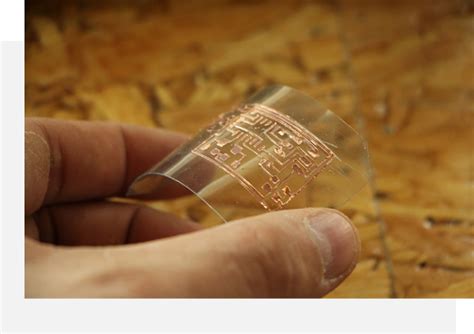
The successful execution of flexible PCB assembly hinges on integrating proactive design principles, precision-driven manufacturing, and rigorous testing protocols. As the demand for compact, high-performance electronics grows, PCBA processes must prioritize adaptability to accommodate complex geometries and dynamic operating conditions. By focusing on material compatibility and thermal management, manufacturers can mitigate risks like delamination or signal degradation, ensuring long-term reliability in wearable devices, medical equipment, and aerospace systems.
A robust quality control framework remains indispensable, combining automated optical inspection (AOI) with functional testing to validate electrical performance under stress. Collaboration between design engineers and PCB assembly specialists during prototyping phases further minimizes production bottlenecks. Ultimately, advancements in laser drilling and adhesive bonding techniques continue to push the boundaries of what flexible circuits can achieve, solidifying their role in next-generation electronics. Adhering to these strategies not only enhances product durability but also streamlines scalability for high-volume PCBA projects.
FAQs
What distinguishes flexible PCB assembly from rigid PCB processes?
PCB assembly for flexible circuits requires specialized handling to prevent damage during bending. Unlike rigid PCBA, processes involve precision lamination and adhesive selection to maintain integrity under dynamic stress.
How does material choice impact flexible PCB reliability?
Selecting high-performance substrates like polyimide ensures thermal stability and mechanical endurance. PCB assembly teams prioritize materials with low moisture absorption to avoid delamination in humid environments.
What quality control steps are critical for flexible PCBA?
Automated optical inspection (AOI) and bend-testing validate circuit durability. PCBA workflows incorporate impedance testing to ensure signal integrity in high-frequency applications.
Can flexible PCBs be repaired after assembly?
Repairs are challenging due to layered construction. Reworking PCB assembly typically requires micro-sectioning analysis to identify faults without compromising adjacent layers.
Why is thermal management vital for flexible circuits?
Thin substrates dissipate heat less efficiently. PCBA designs integrate thermal vias or copper pours to mitigate overheating in compact, high-power devices.
Explore Professional PCB Assembly Solutions
For tailored flexible PCB assembly services, please click here to connect with experts specializing in advanced PCBA workflows and reliability-driven manufacturing.