
Advanced Strategies for Identifying Premier SMT PCB Assembly Partners

Key Takeaways
Selecting optimal PCB assembly partners requires systematic evaluation of technical capabilities and operational frameworks. Start by verifying ISO 9001 and IPC-A-610 certifications, which confirm adherence to international quality management and electronics acceptability standards. For PCBA projects, prioritize suppliers with proven expertise in handling fine-pitch components (≤0.4mm) and mixed-technology boards, supported by automated optical inspection (AOI) systems. Scalability assessments should include multi-shift production capacity analysis and material procurement networks capable of sustaining 30%+ demand surges.
Cross-reference supplier claims with real-world metrics: demand traceable documentation for mean time between failure (MTBF) rates and first-pass yield percentages (ideally >98%). For time-sensitive projects, verify inventory management protocols through just-in-time (JIT) delivery track records. Technical audits should validate solder paste inspection (SPI) capabilities and rework station configurations—critical for maintaining <50ppm defect rates. Reputable providers like Micro Art Services often showcase transparent process controls, including live production dashboards and material traceability systems. Always balance cost considerations with lifecycle reliability factors, as undervalued PCB assembly shortcuts frequently increase total ownership costs by 18-22% through field failures.
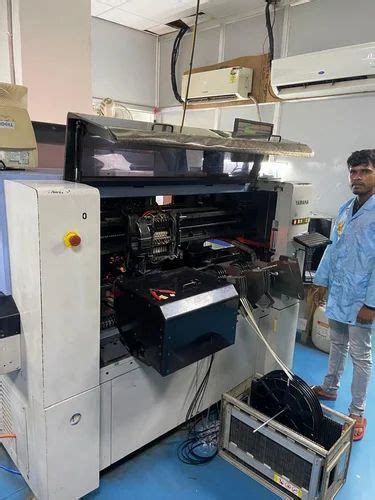
Key PCB Supplier Certifications
When evaluating PCB assembly partners, certifications serve as critical indicators of a supplier’s commitment to quality and adherence to industry standards. Leading PCBA providers typically hold certifications such as ISO 9001 (quality management systems), IPC-A-610 (acceptability of electronic assemblies), and UL listing (safety compliance). These credentials ensure suppliers meet rigorous benchmarks for process control, soldering quality, and material traceability.
For SMT PCB assembly, certifications like ISO/TS 16949 (automotive electronics) or IATF 16949 demonstrate expertise in high-reliability applications. Aerospace-focused suppliers often hold AS9100D, which mandates stringent documentation and defect prevention protocols.
| Certification | Focus Area | Relevance to PCBA |
|---|---|---|
| ISO 9001:2015 | Quality Management | Process consistency, defect reduction |
| IPC-A-610 Class 3 | Workmanship Standards | High-reliability solder joints |
| UL 796 | Material Safety | Flame resistance, component integrity |
Tip: Always verify certification validity through third-party databases, as expired credentials may indicate lapses in quality control.
Suppliers with ITAR registration or NIST SP 800-171 compliance are essential for defense-related projects, ensuring adherence to cybersecurity and export control regulations. For optimized SMT assembly workflows, partners aligned with design-for-manufacturing (DFM) guidelines can significantly reduce prototyping iterations. Prioritize suppliers whose certifications align with your product’s lifecycle requirements, from prototyping to high-volume PCB assembly.
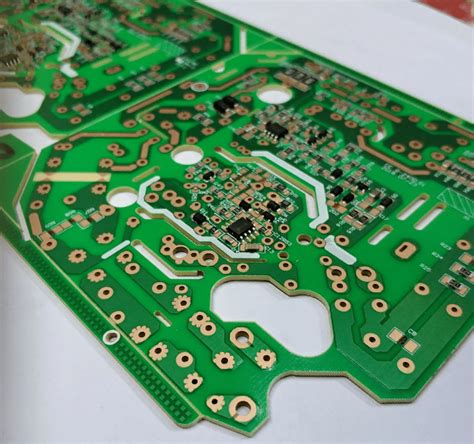
Assessing SMT Technical Expertise
Evaluating a PCB assembly supplier’s technical proficiency in surface-mount technology (SMT) requires a systematic approach to ensure compatibility with modern electronics manufacturing demands. Start by scrutinizing their equipment portfolio: high-speed pick-and-place machines, automated optical inspection (AOI) systems, and precision reflow ovens are critical for achieving PCBA consistency. Suppliers leveraging closed-loop feedback systems for solder paste deposition or advanced vision alignment technologies often demonstrate superior process control, minimizing defects in fine-pitch or BGA components.
Technical expertise extends beyond hardware. Verify the team’s familiarity with PCB assembly design-for-manufacturability (DFM) principles, including pad geometry optimization and thermal management strategies. A partner proficient in thermal profiling and material compatibility analysis can mitigate risks like tombstoning or solder bridging, particularly in mixed-technology boards. Additionally, assess their adaptability to emerging SMT trends, such as ultra-fine-pitch components (≤0.3mm) or low-temperature solder alloys, which demand specialized process tuning.
For PCBA projects requiring scalability, prioritize suppliers with documented process validation protocols, such as IPC-A-610 Class 3 compliance or J-STD-001 certification. Cross-referencing their technical capabilities with real-world case studies—especially in industries with stringent reliability standards like automotive or medical devices—provides tangible evidence of expertise. Finally, ensure their quality assurance frameworks integrate statistical process control (SPC) tools to maintain traceability and continuous improvement across production batches.
Scalable PCB Assembly Solutions
Selecting suppliers capable of delivering scalable PCB assembly requires evaluating their capacity to adapt to fluctuating production demands without compromising quality. Leading PCBA providers employ modular manufacturing systems, enabling seamless transitions between prototyping phases and high-volume runs. Critical indicators include automated SMT line configurations, flexible material procurement strategies, and real-time production monitoring tools—all essential for maintaining consistency across order volumes.
A robust partner should demonstrate agile resource allocation, particularly when scaling from hundreds to millions of units. This involves advanced planning for component sourcing, multi-shift operations, and dynamic testing protocols. For instance, manufacturers optimizing operations through auctioned SMT manufacturing assets often gain access to upgraded equipment, enhancing their ability to handle complex PCB assembly projects.
Equally vital is the integration of demand forecasting with inventory management systems. Suppliers leveraging just-in-time (JIT) methodologies and vendor-managed inventory (VMI) programs reduce lead times while preventing overstocking. When evaluating partners, prioritize those with certifications like IATF 16949 or ISO 13485, which validate their commitment to scalable quality frameworks. By aligning technical adaptability with operational foresight, businesses secure PCBA collaborations capable of supporting both immediate needs and long-term growth trajectories.
Balancing Cost and Quality
Achieving the optimal equilibrium between cost efficiency and quality assurance in PCB assembly requires a nuanced approach. While budget constraints often drive procurement decisions, prioritizing low-cost suppliers without evaluating their PCBA capabilities risks compromising product reliability. Start by analyzing total cost of ownership (TCO), which accounts for material waste, rework rates, and long-term defect risks—factors often overlooked in initial pricing comparisons.
Leading suppliers demonstrate transparency through tiered pricing models, offering scalability for high-volume orders without sacrificing adherence to IPC-A-610 or ISO 9001 standards. For instance, value-added services like automated optical inspection (AOI) or X-ray testing may marginally increase per-unit costs but significantly reduce post-production failures. Concurrently, verify whether potential partners employ lean manufacturing principles to minimize overhead, enabling competitive pricing while maintaining PCB assembly precision.
Transitioning from cost-focused negotiations to collaborative partnerships fosters shared accountability. Suppliers investing in continuous process improvement often deliver better ROI through yield optimization and reduced cycle times. This alignment ensures that PCBA deliverables meet both technical specifications and financial targets, reinforcing the foundation for sustainable electronics manufacturing alliances.
Advanced SMT Assembly Tech
Modern PCB assembly relies on cutting-edge surface-mount technology (SMT) to meet the demands of high-density, precision-driven electronics. Leading suppliers leverage automated optical inspection (AOI) systems and 3D solder paste inspection (SPI) tools to ensure micron-level accuracy in component placement and solder joint quality. These technologies minimize defects in PCBA processes, particularly for complex designs with fine-pitch components or mixed-technology boards.
Advanced SMT lines now integrate machine learning algorithms to predict equipment calibration needs, reducing downtime and optimizing throughput. For instance, MIS Electronics employs AI-driven predictive maintenance in their PCB assembly workflows, enhancing yield rates by 12–18% compared to traditional methods. Additionally, nitrogen-reflow soldering has become a benchmark for high-reliability applications, preventing oxidation and improving thermal consistency during soldering.
When evaluating suppliers, prioritize those offering laser-cut stencils and modular SMT configurations, which enable rapid transitions between prototype and mass-production phases. Scalability here isn’t just about volume—it’s about adapting to evolving technical requirements, such as ultra-low-temperature soldering for heat-sensitive components. Certifications like IPC-A-610 and ISO 13485 further validate a supplier’s capability to handle advanced SMT workflows, ensuring compliance with aerospace, medical, or automotive standards. This technical rigor separates premier PCBA partners from conventional providers.
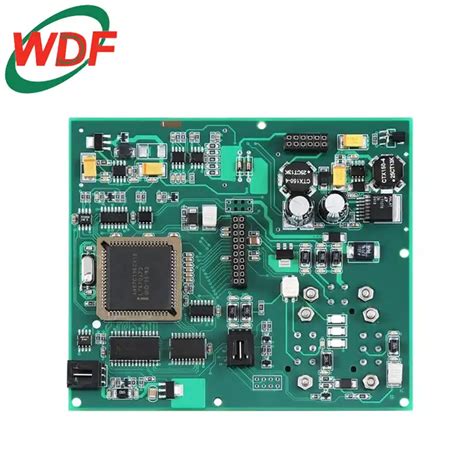
PCB Supplier Reliability Checks
Ensuring the reliability of PCB assembly partners requires a systematic approach to evaluating both technical competencies and operational consistency. Begin by verifying industry certifications such as ISO 9001, IPC-A-610, or IATF 16949, which demonstrate adherence to global quality benchmarks. For PCBA providers, assess their track record in handling high-mix, low-volume (HMLV) projects or high-volume orders, depending on your production needs.
A critical step involves auditing their supply chain resilience—scrutinize material sourcing practices, inventory management systems, and contingency plans for component shortages. Reputable suppliers should provide transparent documentation, including PCB assembly process controls, defect rate histories, and root-cause analysis reports for past failures.
Additionally, evaluate their testing protocols—automated optical inspection (AOI), X-ray inspection, and functional testing—to ensure consistent output quality. For long-term partnerships, prioritize vendors offering real-time production monitoring and data-driven performance dashboards. Scalability remains vital; confirm their capacity to support future design iterations or sudden demand spikes without compromising PCBA reliability.
Finally, cross-reference client testimonials and industry references to validate their claims. A reliable partner balances technical rigor with proactive communication, minimizing risks in electronics manufacturing ecosystems.
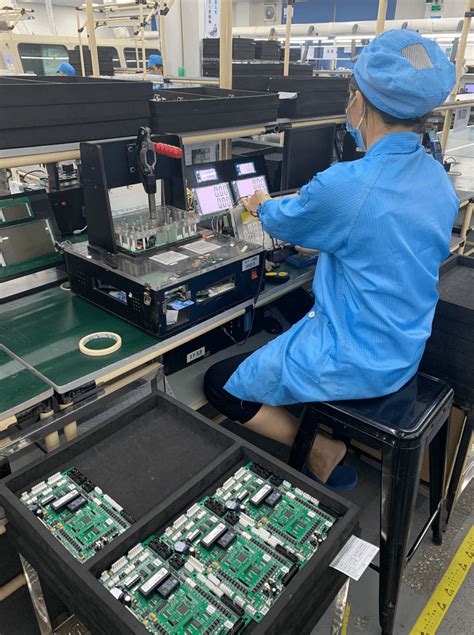
Optimizing Production Lead Times
Streamlining production timelines in PCB assembly requires a data-driven approach that aligns supplier capabilities with project requirements. Design validation phases should integrate PCBA prototyping to identify potential bottlenecks early, while component sourcing strategies must account for global supply chain dynamics. Suppliers offering real-time production tracking systems enable manufacturers to monitor progress and adjust schedules proactively, reducing idle time between fabrication and testing stages.
Critical to lead time optimization is evaluating a partner’s capacity for parallel processing—such as concurrent solder paste application and pick-and-place operations—without compromising PCB assembly precision. Advanced suppliers employ automated optical inspection (AOI) in-line with assembly workflows, eliminating redundant quality checks that delay throughput. For high-mix projects, modular production lines capable of rapid tooling changes ensure faster batch transitions, particularly when paired with demand forecasting tools.
Prioritize partners with proven PCBA expertise in Just-In-Time (JIT) manufacturing, which minimizes inventory overhead while maintaining agile response to design revisions. Transparent communication protocols, including weekly milestone reviews and risk mitigation plans, further solidify timeline adherence. By balancing technical agility with scalable infrastructure, manufacturers can achieve lead times that align with market demands without sacrificing the integrity of PCB assembly outcomes.
SMT Manufacturing Quality Standards
When evaluating PCB assembly partners, adherence to internationally recognized quality benchmarks remains non-negotiable. Leading PCBA suppliers prioritize compliance with standards such as IPC-A-610 (Acceptability of Electronic Assemblies) and ISO 9001, which govern process consistency and defect prevention. Critical parameters like solder joint integrity, component alignment accuracy, and thermal management are rigorously monitored using automated optical inspection (AOI) and X-ray systems.
Scalable production capabilities demand alignment with IATF 16949 for automotive-grade reliability or UL certification for safety-critical applications. Manufacturers employing statistical process control (SPC) methodologies demonstrate measurable reductions in ppm defect rates, particularly in high-volume SMT PCB assembly. Additionally, traceability systems compliant with AS9100D ensure aerospace-grade accountability, linking each PCBA unit to its production batch and testing history.
Transitioning from certification to practice, suppliers must validate process capability indices (Cpk/Ppk) exceeding 1.67 for critical solder paste deposition and reflow profiling. This data-driven approach minimizes latent failures, aligning with the broader article theme of balancing technical rigor with operational scalability. By integrating these standards, partners mitigate risks in complex PCB assembly workflows while maintaining compatibility with emerging Industry 4.0 integration requirements.
Conclusion
Selecting the right PCB assembly partner requires a strategic balance of technical proficiency, operational scalability, and adherence to quality benchmarks. As industries increasingly rely on PCBA solutions for complex electronics, suppliers must demonstrate expertise in advanced surface-mount technology (SMT) processes while maintaining certifications such as ISO 9001 or IPC-A-610. A partner’s ability to integrate scalable production frameworks ensures adaptability to fluctuating demand, minimizing bottlenecks in high-volume manufacturing.
Equally critical is the alignment of cost-efficiency with uncompromising quality—prioritizing suppliers that leverage automation and real-time process monitoring can reduce defects without inflating expenses. Rigorous supply chain audits and transparent communication further solidify reliability, particularly when navigating tight lead times. By prioritizing these factors, businesses secure partnerships that not only meet current PCB assembly needs but also evolve alongside emerging technological demands. In an era defined by rapid innovation, the right PCBA collaborator becomes a cornerstone of sustainable, future-ready electronics production.
Frequently Asked Questions
What criteria define a premier SMT PCB assembly supplier?
Premier PCBA partners demonstrate ISO 9001 or IPC-A-610 certifications, advanced surface-mount technology (SMT) capabilities, and proven scalability for high-volume production. Prioritize suppliers with traceable quality control processes and robust failure analysis systems.
How do I verify a supplier’s technical expertise in PCB assembly?
Request case studies showcasing complex projects, such as fine-pitch component placement or mixed-technology boards. Evaluate their use of automated optical inspection (AOI) and X-ray testing to ensure precision in PCBA workflows.
Can suppliers balance cost efficiency with quality assurance?
Leading providers optimize costs through material sourcing partnerships while maintaining quality via strict IATF 16949 compliance. Transparent pricing models and design-for-manufacturability (DFM) feedback further align budgets with outcomes.
What certifications are critical for high-reliability PCB assembly?
Beyond ISO standards, prioritize UL listing, RoHS compliance, and AS9100D for aerospace or medical applications. These validate adherence to safety, environmental, and industry-specific protocols in PCBA production.
How do suppliers ensure scalability for evolving production needs?
Top partners offer flexible capacity planning, dual-source component strategies, and modular PCB assembly lines. Confirm their ability to scale from prototyping to mass production without compromising turnaround times.
Start Your Partnership Journey Today
Ready to explore vetted PCB assembly experts? Click here to connect with suppliers specializing in advanced PCBA solutions tailored to your project’s technical and operational requirements.