
PCB Soldering Quality Standards and Influencing Factors
Introduction
Printed Circuit Board (PCB) soldering is a critical process in electronics manufacturing, directly impacting the functionality, reliability, and longevity of electronic devices. Poor soldering quality can lead to failures such as short circuits, open connections, or intermittent faults, which may compromise the performance of the final product. Therefore, understanding the standards for PCB soldering quality and the factors that influence it is essential for manufacturers, engineers, and quality control professionals.
This article explores the key standards used to evaluate PCB soldering quality and examines the various factors that affect soldering outcomes, including materials, processes, equipment, and environmental conditions.
PCB Soldering Quality Standards
Several international standards define acceptable soldering quality for PCBs. These standards ensure consistency, reliability, and compliance with industry best practices. The most widely recognized standards include:
1. IPC-A-610 (Acceptability of Electronic Assemblies)
The IPC-A-610 standard, developed by the Association of Connecting Electronics Industries (IPC), is one of the most widely used guidelines for PCB soldering quality. It classifies electronic products into three categories:
- Class 1 (General Electronics): Products where functionality is the primary concern (e.g., consumer electronics).
- Class 2 (Dedicated Service Electronics): Products requiring higher reliability (e.g., industrial equipment).
- Class 3 (High-Performance Electronics): Products where failure is not acceptable (e.g., medical, aerospace, military).
Key soldering criteria under IPC-A-610 include:
- Wetting: Solder should form a smooth, concave fillet between the component lead and PCB pad.
- Solder Fillet Shape: The solder joint should have a proper meniscus and coverage.
- Voids and Cracks: Excessive voids or cracks are considered defects.
- Solder Balling: Solder balls near joints may indicate poor process control.
2. IPC-J-STD-001 (Requirements for Soldered Electrical and Electronic Assemblies)
This standard provides detailed requirements for soldering materials, methods, and inspection criteria. It covers:
- Solder Alloy Composition: Specifies acceptable lead-free (e.g., SAC305) and leaded (e.g., Sn63Pb37) solder compositions.
- Flux Requirements: Defines flux types (e.g., rosin, no-clean, water-soluble) and their application.
- Process Controls: Includes temperature profiles, soldering time, and cleaning procedures.
3. ISO 9001 and IATF 16949 (Quality Management Systems)
While not specific to soldering, these standards require manufacturers to maintain strict process controls to ensure consistent soldering quality, particularly in automotive and high-reliability industries.
4. Military and Aerospace Standards (e.g., MIL-STD-883, NASA-STD-8739)
These standards impose stricter requirements for solder joints in critical applications, including X-ray inspection, thermal cycling tests, and microsection analysis.
Factors Affecting PCB Soldering Quality
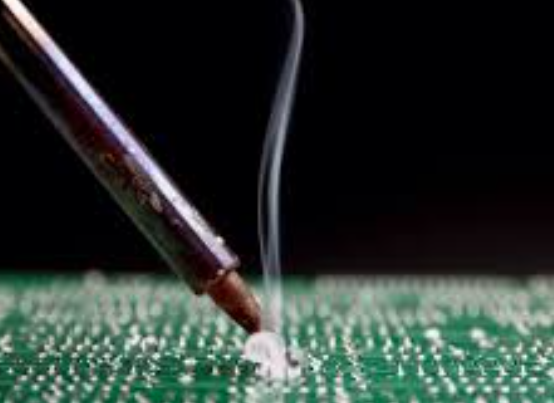
Multiple factors influence the quality of PCB soldering, ranging from material selection to process control. Understanding these factors helps optimize soldering processes and minimize defects.
1. Solder Material and Composition
- Lead-Free vs. Leaded Solder: Lead-free solder (e.g., SAC305) has a higher melting point and may require better thermal management than traditional Sn-Pb solder.
- Solder Paste Quality: Poor-quality solder paste can lead to insufficient wetting, voids, or tombstoning (component misalignment).
- Flux Activity: The flux must be compatible with the solder alloy and PCB surface to prevent oxidation and ensure proper bonding.
2. PCB Design and Surface Finish
- Pad Design: Improper pad size or spacing can lead to solder bridging or insufficient joint formation.
- Surface Finish: Common finishes like HASL (Hot Air Solder Leveling), ENIG (Electroless Nickel Immersion Gold), and OSP (Organic Solderability Preservative) affect solderability.
- Thermal Relief: Poor thermal design can cause uneven heating, leading to cold solder joints.
3. Component Quality and Placement
- Component Lead Plating: Oxidation or contamination on component leads can hinder solder adhesion.
- Moisture Sensitivity: Components exposed to humidity may suffer from “popcorning” (internal cracking during reflow).
- Placement Accuracy: Misaligned components can result in open or weak solder joints.
4. Soldering Process Parameters
- Temperature Profile: Reflow and wave soldering require precise temperature curves to avoid overheating or insufficient melting.
- Soldering Time: Prolonged exposure to heat can damage components, while insufficient time leads to cold joints.
- Cooling Rate: Rapid cooling may induce stress cracks in solder joints.
5. Equipment and Tooling
- Soldering Iron Tip Condition: A worn-out or oxidized tip reduces heat transfer efficiency.
- Reflow Oven Calibration: Uneven heating zones can cause inconsistent solder joints.
- Stencil Thickness and Aperture Design: Affects solder paste deposition in SMT (Surface Mount Technology) assembly.
6. Environmental Conditions
- Humidity and Contamination: Moisture or dust can lead to poor wetting or dendritic growth.
- Static Electricity: Improper grounding may damage sensitive components during soldering.
7. Operator Skill and Training
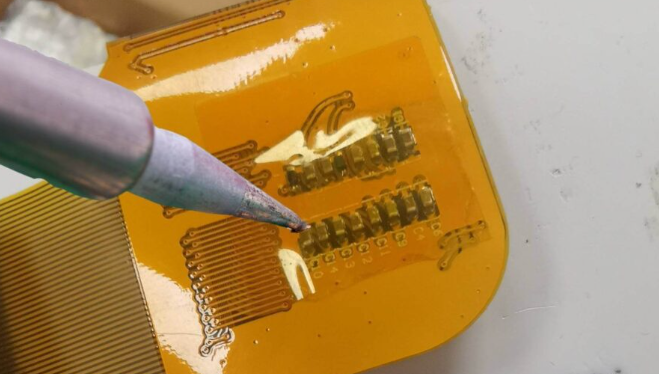
- Hand Soldering Technique: Inconsistent technique can result in cold joints, bridging, or lifted pads.
- Inspection and Rework: Proper training in visual and automated inspection (AOI, X-ray) ensures defect detection and correction.
Common Soldering Defects and Their Causes
Understanding soldering defects helps in troubleshooting and process improvement:
| Defect | Possible Causes |
|---|---|
| Cold Solder Joint | Insufficient heat, contaminated surfaces |
| Solder Bridging | Excessive solder, misaligned stencil |
| Tombstoning | Uneven heating, incorrect pad design |
| Void Formation | Poor flux activation, trapped gases |
| Solder Balling | Excessive paste, improper reflow profile |
Conclusion
PCB soldering quality is governed by stringent standards such as IPC-A-610 and IPC-J-STD-001, ensuring reliability across different industries. Multiple factors—including material selection, PCB design, process control, and environmental conditions—affect soldering outcomes. By adhering to best practices and continuously monitoring these factors, manufacturers can minimize defects and produce high-quality electronic assemblies.
Investing in proper training, advanced inspection techniques, and process optimization is essential for achieving consistent soldering quality, particularly in high-reliability applications such as aerospace, medical devices, and automotive electronics.