
The Hidden Risks of Cheap PCBs: What You Need to Know
Printed Circuit Boards (PCBs) are the backbone of modern electronics, found in everything from smartphones to medical devices. As demand for cost-effective manufacturing grows, many companies turn to cheap PCB suppliers to reduce expenses. However, opting for low-cost PCBs can introduce significant risks that may compromise product reliability, safety, and long-term performance. This article explores the hidden dangers of cheap PCBs and why investing in quality is crucial.
1. Poor Material Quality Leading to Early Failure
One of the most common compromises in cheap PCBs is the use of substandard materials. High-quality PCBs typically use FR-4 (Flame Retardant-4) laminate, which provides excellent thermal and electrical properties. In contrast, low-cost manufacturers may use inferior materials, such as:
- Lower-grade FR-2 or phenolic resins – These materials have poor heat resistance and mechanical strength, leading to warping or delamination under thermal stress.
- Thin or uneven copper layers – Insufficient copper thickness can cause increased resistance, overheating, and eventual trace failure.
- Low-quality solder masks – Cheap solder masks may crack or peel, exposing circuits to moisture and corrosion.
Result: Devices using such PCBs may fail prematurely, leading to higher warranty claims and reputational damage.
2. Manufacturing Defects and Poor Quality Control
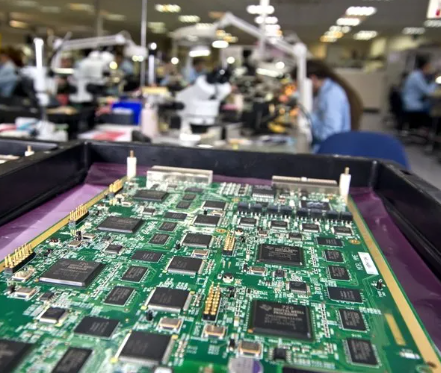
Reputable PCB manufacturers follow strict quality control (QC) processes, including Automated Optical Inspection (AOI), X-ray testing, and electrical testing. Cheap PCB suppliers often skip these steps to cut costs, leading to:
- Misaligned layers – Poor registration between layers can cause short circuits or open connections.
- Inconsistent plating – Weak via plating increases the risk of broken connections under mechanical stress.
- Solder bridging – Improperly applied solder paste can create unintended connections, causing malfunctions.
- Insufficient hole wall quality – Plated through-holes (PTH) with weak adhesion may crack, disrupting signal integrity.
Result: Defective PCBs increase the likelihood of field failures, recalls, and costly rework.
3. Counterfeit Components and Unreliable Sourcing
Many budget PCB assemblers source components from unauthorized distributors, increasing the risk of counterfeit parts. Fake ICs, resistors, and capacitors may:
- Fail under normal operating conditions – Counterfeit parts often lack proper testing and may not meet datasheet specifications.
- Have inconsistent performance – Variations in tolerances can lead to erratic behavior in sensitive circuits.
- Pose safety hazards – Substandard components in power electronics can overheat, leading to fires.
Result: Products with counterfeit parts may malfunction or become safety liabilities, exposing manufacturers to legal risks.
4. Poor Thermal Management and Overheating Risks
Cheap PCBs often lack proper thermal design considerations, such as:
- Inadequate copper weight – Thin traces cannot dissipate heat efficiently, causing hotspots.
- No thermal relief in vias – Poor heat dissipation leads to component degradation.
- Low Tg (Glass Transition Temperature) materials – These materials soften at high temperatures, causing warping.
Result: Overheating reduces component lifespan and can lead to catastrophic failures in high-power applications.
5. Electromagnetic Interference (EMI) and Signal Integrity Issues
High-speed and RF circuits require precise impedance control and EMI shielding. Cheap PCBs often suffer from:
- Improper trace routing – Crosstalk and signal reflections due to poor design.
- Lack of ground planes – Increased EMI susceptibility and noise.
- Inconsistent dielectric properties – Signal loss and timing issues in high-frequency applications.
Result: Devices may experience data corruption, reduced wireless range, or compliance failures with FCC/CE regulations.
6. Environmental and Regulatory Compliance Risks
Many industries (medical, automotive, aerospace) require PCBs to meet strict standards (IPC-A-600, RoHS, REACH). Cheap PCBs may:
- Use non-compliant materials – Hazardous substances like lead or brominated flame retardants.
- Fail reliability tests – Insufficient thermal cycling, vibration, or humidity resistance.
- Lack proper documentation – Missing Certificates of Conformance (CoC) or Material Declarations.
Result: Non-compliant PCBs can lead to legal penalties, import bans, and product recalls.
7. Hidden Costs of Cheap PCBs
While cheap PCBs save money upfront, they often lead to higher long-term costs due to:
- Increased failure rates – More field returns and warranty claims.
- Rework and debugging time – Engineers spend hours troubleshooting poor-quality boards.
- Brand reputation damage – Consumers lose trust in unreliable products.
- Supply chain disruptions – Late deliveries from low-cost suppliers can delay entire projects.
Result: The initial savings are outweighed by operational inefficiencies and lost revenue.
How to Mitigate PCB Risks
To avoid the pitfalls of cheap PCBs, consider the following best practices:
- Choose Reputable Manufacturers – Look for ISO 9001, IPC, and UL-certified suppliers.
- Verify Material Specifications – Ensure FR-4, high Tg, and proper copper weight are used.
- Demand Strict Quality Control – Require AOI, flying probe testing, and X-ray inspection reports.
- Audit Component Sources – Only use trusted distributors to avoid counterfeit parts.
- Invest in Good Design Practices – Follow IPC standards for trace width, spacing, and thermal management.
- Test Prototypes Thoroughly – Conduct environmental and stress tests before mass production.
Conclusion
While cheap PCBs may seem like a cost-saving solution, the hidden risks—poor materials, manufacturing defects, counterfeit components, and compliance issues—can lead to catastrophic failures and financial losses. Investing in high-quality PCBs from trusted suppliers ensures reliability, safety, and long-term success. In electronics, cutting corners on PCBs is a risk no company can afford to take.
By prioritizing quality over cost, manufacturers can deliver durable, high-performance products that meet industry standards and customer expectations. Remember: when it comes to PCBs, you often get what you pay for.