
The Invisible Industry Killer of PCB: Static Electricity
Introduction
Printed Circuit Boards (PCBs) are the backbone of modern electronics, found in everything from smartphones to industrial machinery. However, one of the most overlooked yet destructive threats to PCB manufacturing and assembly is electrostatic discharge (ESD). Often invisible and undetectable without specialized equipment, static electricity can cause catastrophic failures, reduce product reliability, and lead to significant financial losses.
This article explores how static electricity acts as a silent killer in the PCB industry, its mechanisms of damage, real-world consequences, and best practices for mitigation.
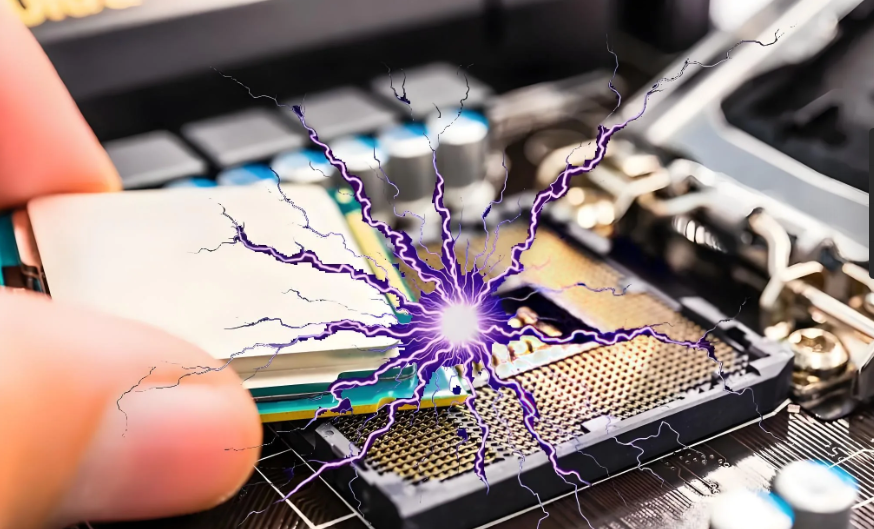
1. Understanding Electrostatic Discharge (ESD)
1.1 What is Static Electricity?
Static electricity is an imbalance of electric charges on the surface of a material, typically caused by friction, separation, or induction. When two materials come into contact and then separate (e.g., during PCB handling), electrons can transfer, leading to a buildup of charge.
1.2 How ESD Occurs in PCB Manufacturing
ESD happens when this accumulated charge suddenly discharges—either through direct contact (conductive discharge) or via an electrostatic field (inductive coupling). Even a tiny discharge of just a few volts can damage sensitive electronic components.
- Human Handling: Workers not wearing proper ESD-safe gear can transfer static charges to PCBs.
- Moving Machinery: Conveyor belts, robotic arms, and packaging materials can generate friction-induced static.
- Workshop Environment: Low humidity increases static buildup, making ESD events more likely.
2. The Hidden Dangers of ESD in PCB Production
2.1 Immediate vs. Latent Damage
- Catastrophic Failures: A high-voltage ESD event can instantly destroy a component (e.g., frying a microcontroller).
- Latent Defects: A weaker discharge may not immediately kill the component but can degrade its performance over time, leading to early-life failures in the field.
2.2 Most Vulnerable PCB Components
- Integrated Circuits (ICs) – Especially CMOS-based chips, which can be damaged by as little as 10-30V.
- Resistors & Capacitors – Thin-film resistors and MLCCs (multilayer ceramic capacitors) are highly sensitive.
- Diodes & Transistors – ESD can alter semiconductor properties, causing leakage or failure.
2.3 Financial & Reputation Impact
- Scrap & Rework Costs: A single ESD event can ruin an entire batch of assembled PCBs.
- Warranty Claims: Latent ESD damage may cause devices to fail after delivery, leading to costly recalls.
- Brand Damage: Repeated failures due to ESD can erode customer trust.
3. Common ESD Generation Sources in PCB Facilities
| Source | Example | Risk Level |
|---|---|---|
| Human Movement | Walking on non-conductive floors | High |
| Plastic Tools | Screwdrivers, trays, bins | Medium-High |
| Automated Equipment | Pick-and-place machines | Medium |
| Packaging Materials | Bubble wrap, foam, plastic bags | High |
| Dry Air (Low Humidity) | <40% RH environments | High |
4. Best Practices for ESD Mitigation
4.1 ESD-Protected Area (EPA) Setup
- Conductive Flooring: Anti-static mats and grounded flooring reduce charge accumulation.
- Humidity Control: Maintain 40-60% RH to minimize static buildup.
- Ionizers: Neutralize static charges in automated assembly lines.
4.2 Proper Personnel Training & Equipment
- ESD-Safe Wrist Straps & Footwear: Ensure workers are properly grounded.
- Anti-Static Clothing: Lab coats and smocks prevent charge transfer.
- Regular Audits: Test ESD protection measures periodically.
4.3 ESD-Safe Handling & Storage
- Conductive Bags & Trays: Use metalized shielding bags instead of regular plastic.
- Grounding Workstations: All tools and surfaces should be connected to a common ground.
- Automated ESD Monitoring: Real-time sensors can alert when static levels exceed safe limits.
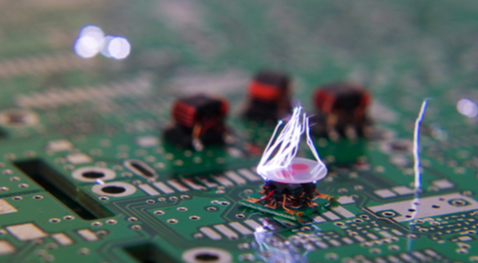
5. Case Study: How ESD Caused a Major PCB Recall
In 2018, a leading automotive electronics manufacturer faced a 20% failure rate in their engine control modules (ECMs). After investigation, it was found that workers in the SMT assembly line were not wearing proper ESD wrist straps, leading to latent damage in MOSFETs. The recall cost exceeded $5 million, highlighting the importance of ESD controls.
6. Future Trends in ESD Protection
- Smart ESD Monitoring: IoT-enabled sensors for real-time static charge detection.
- Self-Healing PCBs: Materials that can recover from minor ESD events.
- Improved Component Shielding: Advanced conformal coatings to dissipate static.
Conclusion
Static electricity may be invisible, but its impact on PCB manufacturing is undeniable. From immediate component failures to long-term reliability issues, ESD poses a severe threat to quality and profitability. By implementing rigorous ESD control measures, manufacturers can safeguard their products, reduce waste, and maintain a competitive edge in the electronics industry.
Final Thought: In the world of PCB manufacturing, the enemy you can’t see is often the one that hurts the most. Don’t let static electricity be your silent killer—take proactive steps today to eliminate ESD risks.