
printed circuit board (PCB) assembly business
As the demand for electronic products continues to grow, the need for printed circuit board (PCB) assembly services has also increased. PCB assembly is the process of assembling electronic components onto a PCB, which is a board made of non-conductive material with conductive pathways etched onto it. This process is critical in the production of electronic devices, as it ensures that the components are correctly connected and function as intended.
The PCB assembly business is a complex industry that requires a high level of expertise and precision. The process involves several stages, including component sourcing, PCB fabrication, component placement, soldering, and testing. Each stage requires specialized equipment and skilled technicians to ensure that the final product meets the required specifications.

One of the most critical aspects of PCB assembly is component sourcing. The quality of the components used in the assembly process can significantly impact the performance and reliability of the final product. PCB assembly companies must source components from reputable suppliers and ensure that they meet the required standards.
Once the components are sourced, the PCB fabrication process begins. This involves creating the PCB layout, drilling holes, and etching the conductive pathways onto the board. The PCB layout is a crucial step in the process, as it determines the placement of the components and the routing of the conductive pathways.
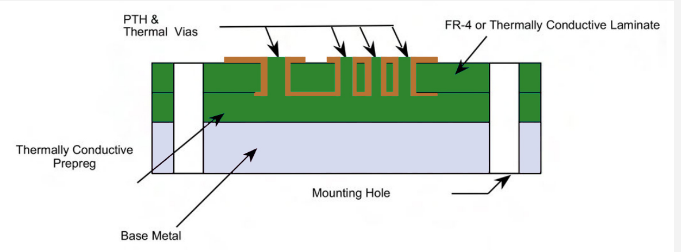
After the PCB is fabricated, the components are placed onto the board using specialized equipment. This process requires a high level of precision, as the components must be placed in the correct location and orientation. Once the components are placed, the board is sent through a soldering process to connect the components to the conductive pathways.
The final stage of the PCB assembly process is testing. This involves checking the functionality of the board and ensuring that all components are working correctly. PCB assembly companies use a range of testing methods, including visual inspection, functional testing, and automated testing, to ensure that the final product meets the required specifications.
The PCB assembly business is a highly competitive industry, with companies competing on price, quality, and turnaround time. To remain competitive, PCB assembly companies must invest in the latest equipment and technology and employ skilled technicians who can deliver high-quality products.
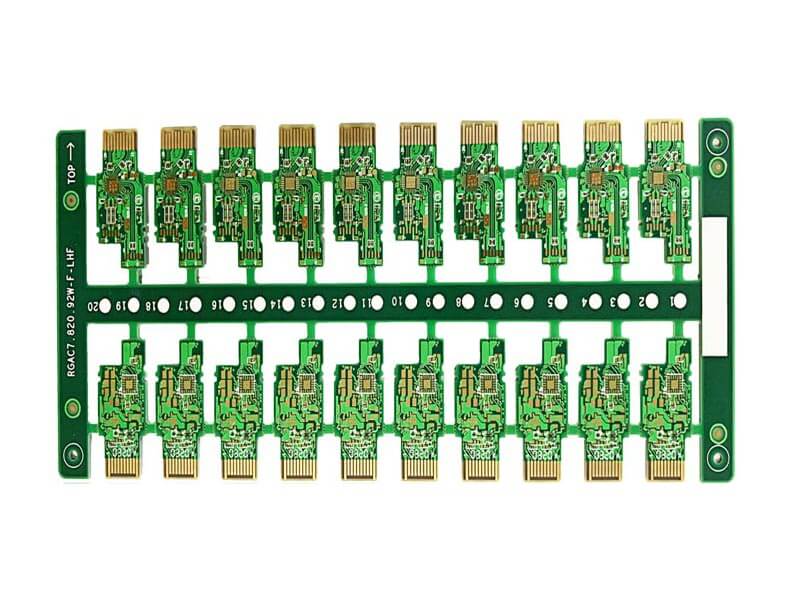
In addition to traditional PCB assembly services, many companies now offer value-added services such as design assistance, prototyping, and supply chain management. These services can help customers streamline the product development process and bring their products to market faster.
Overall, the PCB assembly business plays a critical role in the production of electronic devices. As the demand for electronic products continues to grow, the demand for high-quality PCB assembly services will also increase. PCB assembly companies that can deliver high-quality products, competitive pricing, and fast turnaround times will be well-positioned to succeed in this dynamic industry.