Accelerate Your Innovations with Fast Turn Prototype PCB Boards: Speed and Quality Combined!
Key Takeaways
Understanding the significance of fast turn prototype PCBs is essential in today’s fast-paced environment. The ability to quickly develop prototypes can greatly influence your position in the market. By collaborating with reliable pcb manufacturing companies, you can access solutions that allow for rapid prototyping without sacrificing quality. It’s crucial to balance speed with meticulous craftsmanship, as cutting corners can lead to increased pcb manufacturing costs and project delays. Your choice of pcb manufacturing business should prioritize advanced techniques that streamline production processes, enabling quicker turnarounds. With robust in-house capabilities, these companies can effectively manage production timelines, ensuring that your prototypes not only meet but exceed industry standards. Engaging in fast turn prototype PCB development means embracing a methodology where innovation becomes a continuous cycle, empowering you to swiftly transition from design to testing and ultimately, a successful product launch.
Understanding the Importance of Fast Turn Prototype PCBs in Product Development
In the fast-paced world of product development, understanding the significance of fast turn prototype PCBs is essential for staying competitive. When you opt for these boards, you are not just accelerating your design process; you are also ensuring that your projects align with industry demands. The ability to receive rapid prototypes directly influences your decision-making process, allowing for quick iterations and improvements without incurring excessive pcb manufacturing costs. You’ll find that many reputable pcb manufacturing companies can deliver swift turnaround times, which facilitates timely testing and validation phases. The seamless integration of fast turn prototyping into your development cycle helps establish a well-structured workflow, ultimately contributing to a more efficient pcb manufacturing business model. Moreover, investing in quick prototype solutions enables you to bring innovations to market faster than competitors who may still rely on cumbersome traditional processes. By embracing these advanced capabilities, you’re equipping yourself with the tools necessary for sustained growth and innovation in an increasingly technology-driven landscape.
Key Features of Fast Turn Prototype PCB Boards
When exploring fast turn prototype PCB boards, you will discover several key features that make them invaluable in the realm of PCB manufacturing. One of the most notable characteristics is their ability to reduce development time significantly, allowing you to move swiftly from design to functioning prototype. This rapid turnaround can greatly lower PCB manufacturing costs, as you can iterate designs and implement changes on a much shorter timeline. Additionally, many PCB manufacturing companies focus on maintaining high-quality standards even in their expedited processes, ensuring that your prototypes not only arrive quickly but also meet rigorous testing criteria. The integration of advanced technology in their processes enables precision and reliability, which are critical in today’s fast-paced market. Furthermore, with in-house capabilities, these businesses can streamline production workflows, further enhancing efficiency and allowing for more flexibility in order quantities and timelines. By leveraging these features, your product development cycle can become more dynamic and responsive to market demands, aiding your pursuit of innovation success.
Balancing Speed and Quality: How to Ensure Rigorous Standards in Prototyping
In the fast-paced arena of product development, achieving a balance between speed and quality in your PCB manufacturing process is essential. As you delve into the world of fast turn prototype PCB boards, it’s vital to understand how to maintain rigorous standards amidst the pressures of rapid production. To ensure that your prototypes meet both performance and reliability expectations, you should focus on key elements that impact the PCB manufacturing cost. This includes selecting reputable PCB manufacturing companies known for their precision and quality control measures. Engaging with partners who utilize advanced technology can significantly streamline your development cycle, allowing for quicker iterations without sacrificing integrity. When exploring options, pay close attention to their track record in implementing best practices for testing and validation. By nurturing a collaborative relationship with your selected PCB manufacturing business, you can guarantee that your prototypes undergo thorough assessments, ultimately resulting in products that are market-ready and perform reliably. The intersection of speed and quality is not merely a target; it is an achievable goal when informed choices are made throughout the PCB manufacturing process.
Advanced Manufacturing Techniques for Efficient PCB Production
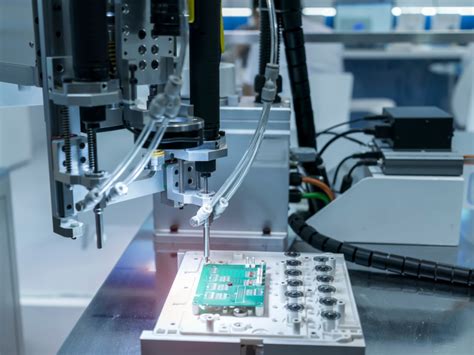
Efficient PCB production relies heavily on advanced manufacturing techniques that streamline processes and minimize waste, ultimately reducing PCB manufacturing costs. By incorporating methods such as automated assembly, precision laser cutting, and advanced inspection systems, PCB manufacturing companies can ensure that each prototype meets the demanding standards of quality and performance. You may find that employing these techniques allows for quicker turnaround times while maintaining the integrity of the design. Moreover, by utilizing in-house capabilities, businesses can oversee production closely, identifying and rectifying issues promptly to avoid delays. As you consider your options in the PCB manufacturing business, it is essential to analyze how these advancements can impact both efficiency and quality in your prototypes.
“Utilizing the latest technologies not only speeds up production but also enhances accuracy, leading to better prototypes.”
In your quest for innovation, leveraging these advanced techniques is imperative to stay competitive in a fast-paced market. This strategic approach allows you to bring ideas to life more efficiently while preserving the quality necessary for rigorous testing and validation.
The Role of In-House Capabilities in Achieving Quick Turnarounds
To excel in today’s fast-paced market, in-house capabilities play a pivotal role in reducing lead times and enhancing the efficiency of the pcb manufacturing process. By utilizing advanced machinery and skilled personnel, pcb manufacturing companies can streamline their operations and respond swiftly to client demands. This setup allows for rapid iteration during the prototyping phase, ultimately leading to significant reductions in pcb manufacturing cost. For instance, having access to local engineering teams means that any necessary adjustments can be made promptly, ensuring that each prototype aligns perfectly with design specifications.
Implementing lean management principles further amplifies the benefits of in-house capabilities. By minimizing waste and optimizing resource allocation, companies can create a more agile environment that facilitates faster turnaround times. Here’s a small comparison table highlighting the advantages of maintaining in-house capabilities versus outsourcing:
| In-House Capabilities | Outsourcing |
|---|---|
| Quick adjustments | Slower response times |
| Direct quality control | Dependence on external quality |
| Enhanced collaboration | Communication barriers |
| Reduced shipping delays | Potential international delays |
These factors contribute to not only improved speed but also the assurance that your prototypes will meet rigorous standards without compromising on quality. By harnessing the power of skilled teams and cutting-edge technology within your own facilities, you can place your business in a prime position to innovate rapidly and maintain a competitive edge in the ever-evolving landscape of product development.
Real-World Applications: Success Stories Using Fast Turn PCBs
In various industries, companies are realizing the tremendous potential of fast turn prototype PCBs to achieve rapid development and market entry. For instance, in the consumer electronics sector, one company faced a tight deadline to launch a new gadget. By collaborating with innovative pcb manufacturing companies, they were able to design and produce prototypes in record time while maintaining high standards of quality. Their choice of fast turn PCBs enabled them to conduct rigorous testing and iteratively refine their product based on real-world feedback. This direct approach not only reduced the overall pcb manufacturing cost, but also shortened their time-to-market significantly.
Another striking example comes from the automotive industry, where breakneck advancements require constant innovation. A leading automotive manufacturer leveraged its in-house capabilities for pcb manufacturing to swiftly address design modifications in response to regulatory changes. The ability to produce fast turn prototype PCBs allowed them to adapt their designs quickly without jeopardizing performance or safety. This strategy has proven essential for keeping ahead in a competitive landscape where every second counts.
By employing advanced techniques and prioritizing speed alongside quality, these organizations illustrate how harnessing fast turn prototypes can lead not only to successful products but also reinforce a company’s position within its respective market. Clearly, incorporating fast turn PCBs into your development processes can lead to transformative outcomes that define your innovation trajectory, responsively aligning with market demands.
Strategies for Effective Testing and Validation with Fast Turn Prototypes
To enhance your pcb manufacturing process, implementing effective testing and validation strategies with fast turn prototypes is essential. Fast turn prototypes allow you to rapidly iterate designs, enabling you to identify potential weaknesses before full-scale production. By prioritizing rigorous testing methodologies, such as automated testing and simulated performance analysis, you can ensure that your prototypes meet the necessary specifications while keeping pcb manufacturing costs manageable. Collaborating with reliable PCB manufacturing companies can provide access to advanced tools and technologies that facilitate accurate testing procedures. Moreover, integrating feedback loops from initial prototype tests into your design process can substantially minimize errors in later stages. This iterative approach not only shortens the development cycle but also increases the reliability of your final products, thus placing your pcb manufacturing business in a position to respond swiftly to market demands. By investing time in these strategies, you’ll not only speed up your product development but also refine the quality of your final outputs.
Future Trends in PCB Manufacturing: What’s Next for Fast Turn Solutions
As the pcb manufacturing landscape continues to evolve, the demand for speed and efficiency in prototype development is becoming ever more crucial. You might be wondering how pcb manufacturing companies are adapting to these trends. Companies are increasingly focusing on rapid prototyping solutions that leverage advanced manufacturing techniques, enabling you to achieve quicker turnaround times without sacrificing the integrity and quality of your designs. The integration of automation and smart technologies is likely to play a pivotal role in this transformation, allowing you to streamline your workflow while reducing pcb manufacturing costs.
Moreover, with the growth of in-house capabilities becoming more prevalent, you can harness these resources to bring concepts to fruition faster than ever. This shift not only enhances your ability to experiment and innovate but also mitigates risks commonly associated with outsourcing. As you look towards the future of your pcb manufacturing business, maintaining a strategic focus on speed, quality, and technological integration will be essential for staying competitive in this dynamic environment. By investing in fast turn solutions, you’re not just keeping pace with industry trends; you’re positioning yourself as a leader ready to embrace the future challenges and opportunities that await.
Conclusion
In conclusion, the landscape of pcb manufacturing is evolving rapidly, and you can leverage these advancements to enhance your product development. Adopting fast turn prototype PCB boards allows you to streamline your processes, significantly reducing the pcb manufacturing cost while maintaining high-quality standards. As a decision-maker in your organization, it’s essential to partner with reputable pcb manufacturing companies that understand the balance between speed and precision. These companies often employ cutting-edge techniques and possess robust in-house capabilities, which can minimize delays and optimize your pcb manufacturing business operations. By prioritizing fast turn prototypes, you not only improve your testing and validation processes but also position yourself competitively within the industry. Remember that the ability to innovate quickly can result in tangible benefits, such as faster time-to-market and enhanced product reliability. Aim for partnerships that emphasize quality alongside speed; this approach will help you stay ahead in this increasingly competitive technological landscape.
FAQs
When exploring pcb manufacturing, you might have several questions regarding the process, its costs, and how it all fits into your product development timeline. PCB manufacturing companies can vary significantly in their offerings, so it’s essential to understand what you need and how to choose the right partner. A common inquiry revolves around the cost of pcb manufacturing. Factors influencing this cost can include the complexity of your design, material selection, and whether you are opting for fast turn prototype PCB services or standard production runs.
You may also wonder about the benefits of investing in a pcb manufacturing business that specializes in quick turnarounds. By partnering with companies that prioritize speed without sacrificing quality, you can significantly enhance your development cycles. Quick turn prototyping not only facilitates faster testing but also allows for rapid iteration based on feedback. As you consider these aspects, remember that aligning with a manufacturer who understands both quality standards and efficient production processes is crucial for successful product development.