Advancements in Automated PCB Manufacturing Technologies
Key Takeaways
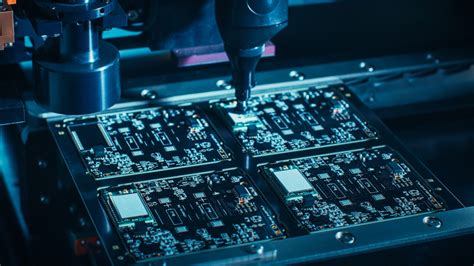
The evolution of automated PCB manufacturing has significantly transformed the landscape of printed circuit board production. With advancements in pcba technologies, the integration of sophisticated processes has led to remarkable gains in efficiency and precision. Automation in pcb assembly is no longer merely a supplementary aspect but is now central to manufacturing strategies. Innovations such as advanced robotics enable not only higher throughput but also improve the consistency and quality of production outputs. Enhanced quality control mechanisms powered by automation help in identifying defects early in the assembly process, ensuring that only high-quality products reach the market. Moreover, the impact of artificial intelligence cannot be overlooked; it plays a crucial role in optimizing workflows and predicting maintenance needs, thus reducing downtime. The scalability offered by automated processes ultimately allows manufacturers to meet varying customer demands without compromising on quality or speed. Each of these factors contributes to a more seamless and integrated manufacturing environment that shapes the future of PCB technologies.
Introduction to Automated PCB Manufacturing
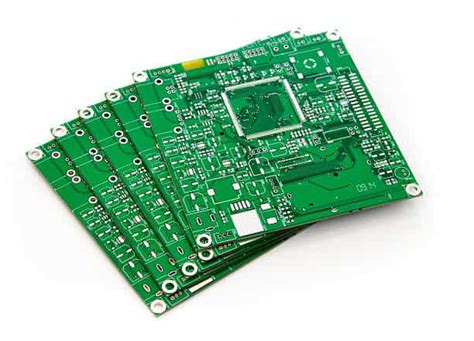
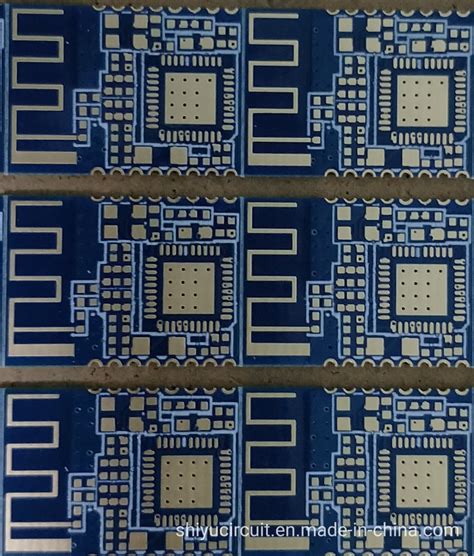
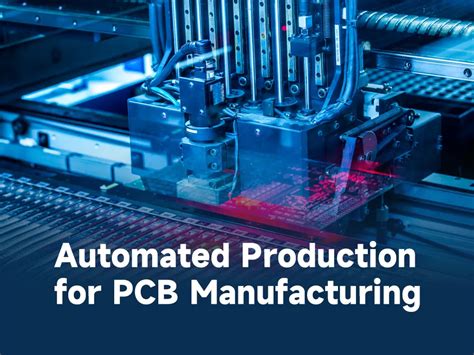
The evolution of automated PCB manufacturing has transformed the landscape of electronics production, leading to enhanced efficiency and accuracy in the creation of printed circuit boards. As manufacturers strive to meet the demands of a fast-paced market, innovations in pcb assembly processes are becoming critical. The integration of advanced technologies—ranging from precision robotics to sophisticated software solutions—streamlines workflow and minimizes human error during pcba processes. Furthermore, automation not only accelerates production rates but also ensures consistent quality control, facilitating a higher standard in the final products. As industries move forward, embracing these advancements will be key in fostering scalability and maintaining competitive advantage in a global marketplace increasingly reliant on complex electronic infrastructures. The synergy between technology and manufacturing processes heralds a new era for automated PCB manufacturing, where precision and speed coexist harmoniously to meet evolving consumer needs.
Key Technologies Driving Automation in PCB Production
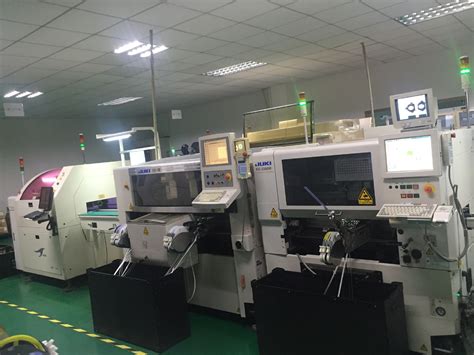
The evolution of automated PCB manufacturing processes is significantly influenced by a collection of cutting-edge technologies that streamline production and enhance the efficiency of PCB assembly. Central to this shift is the implementation of advanced robotics, which operate with precision in tasks ranging from component placement to soldering. These robotic systems are equipped with high-resolution vision systems that ensure accuracy in aligning components on the printed circuit boards (PCBs), thereby reducing human error and increasing throughput. Another significant contributor is the development of smart PCBA machines that utilize data analytics to optimize workflows, predict maintenance needs, and enhance operational efficiency.
Moreover, the integration of machine learning algorithms allows for adaptive manufacturing processes that can adjust in real-time to changes in production demands or component specifications. This adaptability is crucial for manufacturers looking to meet custom orders quickly while maintaining high standards of quality. Enhancing quality control through automation not only mitigates risks associated with defects but also ensures compliance with international standards.
“Incorporating these technologies paves the way for industries to achieve unmatched levels of scalability and efficiency.” Embracing these advancements will enable manufacturers to remain competitive in an ever-evolving market landscape where demand for innovative electronic solutions continues to escalate. Ultimately, these technological advancements represent a paradigm shift in how PCB assembly is approached, promising a future where automated processes become not just beneficial but essential for successful production practices.
Innovations in PCB Design Software and Their Impact
The landscape of automated PCB manufacturing has been fundamentally reshaped by advancements in PCB design software, which are crucial for optimizing the PCB assembly process. As electronic devices become more intricate, the demand for precision in design has intensified. Innovations in these software tools have led to enhanced capabilities, allowing engineers to create complex layouts while ensuring that all design rules are adhered to effectively. Notably, these programs facilitate real-time simulation and validation of designs, which significantly reduces errors before the actual production begins. Moreover, modern pcba tools integrate seamlessly with manufacturing systems, streamlining the transition from design to production. This not only accelerates the overall workflow but also enhances communication between design and manufacturing teams. As a result, companies experience a notable improvement in operational efficiency and product quality. The ability to quickly iterate designs and adapt to evolving requirements reflects a shift towards more agile manufacturing practices, making it easier for manufacturers to respond to market demands. Overall, these advancements contribute significantly to the scalability of operations while maintaining high standards of accuracy in PCB assembly processes.
Advanced Robotics and Their Role in Automated Manufacturing
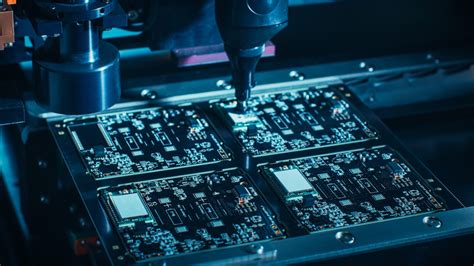
The integration of advanced robotics into automated PCB manufacturing represents a significant leap forward in the efficiency and precision of pcb assembly processes. These highly specialized robots are designed to perform intricate tasks such as component placement and soldering at speeds and accuracies unattainable by human operators. By utilizing state-of-the-art technology, such as machine vision and artificial intelligence, these robotic systems are transforming the landscape of pcba, allowing for real-time monitoring and adjustments during production. This not only enhances product quality but also ensures consistency across multiple production runs. Furthermore, the adaptability of advanced robotics enables manufacturers to switch between different designs quickly, accommodating the growing demand for customized printed circuit boards without sacrificing scalability. As the industry’s competition intensifies, embracing robotic automation will be crucial for pcb assembly operations looking to maintain a competitive edge while meeting evolving market needs. The role that robotics plays in this sector is not just about improving output; it is fundamentally reshaping how PCBs are conceived, designed, and produced.
Enhancing Quality Control through Automation
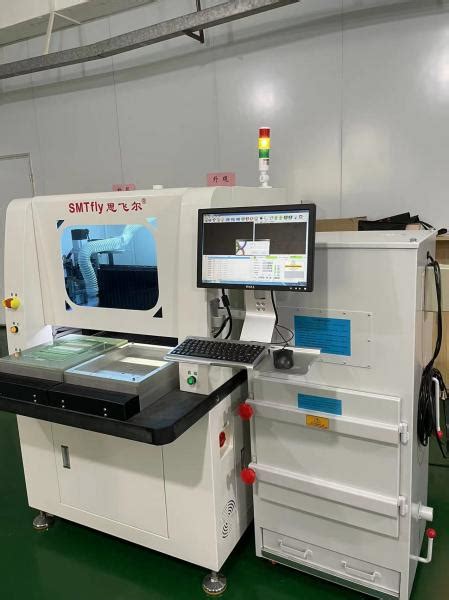
Quality control is a critical aspect of pcb assembly, as it ensures that the printed circuit boards (PCBs) produced meet the required standards for performance and reliability. With the advancements in automated pcb manufacturing technologies, companies are now able to incorporate sophisticated quality control measures into the production process. Automation enables real-time monitoring and assessment of each step in the PCBA process, significantly reducing human error and increasing accuracy. Automated inspection systems utilize high-resolution imaging and advanced algorithms to detect even minor defects in components or solder joints, allowing for immediate corrective actions before final assembly. Furthermore, data analytics generated from these automated systems can provide insights into production trends, leading to continuous improvements in manufacturing processes. By integrating automation into quality control strategies, manufacturers not only enhance product reliability but also optimize overall efficiency, making it possible to scale operations without compromising on quality. As businesses continue to embrace these automated solutions, the landscape of pcb assembly is likely to evolve towards even greater precision and dependability.
The Role of Artificial Intelligence in PCB Production
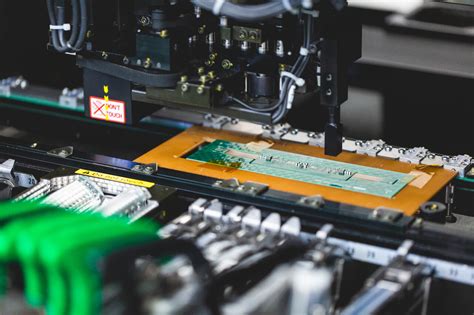
The integration of Artificial Intelligence (AI) in PCB production is revolutionizing the industry by enhancing the efficiency and precision of the pcb assembly processes. AI-powered systems analyze vast amounts of data generated during production to predict potential failures before they occur, thereby reducing downtime and improving overall productivity. Furthermore, these intelligent systems can optimize the design and layout for printed circuit boards (PCBs), ensuring that the designs are not only functional but also scalable for mass production.
One notable application is in the realm of automated inspection. Traditional inspection methods can often miss minute defects due to human error or oversight. However, with AI-driven visual inspection systems, manufacturers can achieve a remarkable degree of accuracy. These systems utilize machine learning algorithms that have been trained on thousands of images to identify and categorize defects with exceptional clarity.
| Aspect | Traditional Methods | AI-Powered Methods |
|---|---|---|
| Inspection Accuracy | Moderate | High |
| Data Handling | Minimal | Extensive |
| Speed | Slower | Faster |
| Predictive Maintenance | Limited | Advanced |
By implementing AI technologies, companies can not only reduce costs associated with defects but also enhance customer satisfaction through consistent quality in every pcb assembly project. As a result, the combination of AI with other automated processes is paving the way for more agile and responsive manufacturing environments, addressing challenges in real time. As we move forward, it is evident that AI will continue to play a critical role in transforming how pcba is conceived, designed, and produced.
Scalability and Efficiency: Benefits of Automated Processes
The implementation of automated PCB manufacturing processes significantly enhances both scalability and efficiency in the production of printed circuit boards. As demand for diverse and complex electronic devices grows, the ability to swiftly adapt production capacities is critical. Automated systems excel in this regard, enabling manufacturers to rapidly scale their operations while maintaining a high level of precision in pcb assembly. The reduction in manual intervention not only accelerates production timelines but also minimizes the risk of human error, leading to improved overall quality in assembled boards or PCBA. Moreover, automation facilitates seamless integration of advanced technologies which can optimize workflows—ensuring that as production volumes rise, operational costs remain manageable. By streamlining the entire manufacturing process, companies can enhance their output without compromising on the integrity or functionality of the final product. This dual focus on efficiency and scalability is central to meeting the evolving needs of the electronics marketplace and ensuring that manufacturers remain competitive in a rapidly changing environment.
Future Trends in Automated PCB Manufacturing Technologies
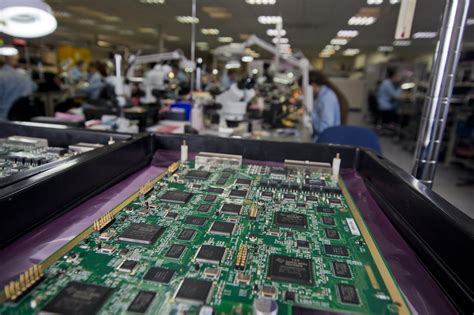
The landscape of automated PCB manufacturing is continually evolving, with several trends set to shape its future. One significant trend is the increasing adoption of smart manufacturing practices, which incorporate Internet of Things (IoT) technology to facilitate real-time monitoring and control throughout the production process. This connectivity not only optimizes efficiency but also enables predictive maintenance of machinery, reducing downtime and enhancing overall productivity. Another noteworthy development is the integration of AI-driven solutions in the PCB assembly process. By leveraging machine learning algorithms, manufacturers can analyze vast amounts of data to identify patterns and make informed decisions regarding production scheduling, quality control, and resource allocation. Additionally, advancements in robotics are playing a critical role, with more sophisticated robotic arms capable of executing intricate assembly tasks, thereby improving precision in PCBA (printed circuit board assembly). Furthermore, the focus on sustainability is driving manufacturers to adopt eco-friendly materials and processes, aligning with global environmental standards while maintaining competitive advantages. Together, these trends are not just enhancing the efficiency and accuracy of automated processes, but also paving the way for a new era of scalability in PCB production that meets the rising demands of various industries seamlessly.
Conclusion
In summary, the landscape of automated PCB manufacturing continues to evolve, driven by a myriad of technological advancements that promise to revolutionize the industry. The integration of advanced robotics facilitates more precise pcb assembly, significantly reducing the chances of human error while increasing overall production speed. Furthermore, breakthroughs in design software ensure that the process from concept to finished product is seamless, enhancing both efficiency and accuracy. As quality control becomes increasingly reliant on automated systems, manufacturers can ensure that each PCBA meets strict standards before reaching the marketplace. The incorporation of artificial intelligence adds another layer of sophistication, allowing for real-time adjustments and predictive maintenance that dramatically improve operational scalability. Looking forward, as innovations in technology continue to emerge, the potential for enhanced productivity and reduced costs will likely solidify automated processes as essential components in the future of pcb manufacturing.
FAQs
What is automated PCB manufacturing?
Automated PCB manufacturing refers to the use of technology and machinery to streamline the production process of printed circuit boards (PCBs) with minimal human intervention. This enhances efficiency and precision in PCB assembly.
How has automation improved PCB assembly processes?
Automation has significantly reduced production times while increasing accuracy and consistency. Automated processes allow for more complex PCBA designs to be manufactured reliably.
What technologies are currently driving automation in PCB production?
Key technologies include advanced robotics, machine vision systems, and automated soldering techniques. These innovations help ensure high-quality PCB assembly, reduce errors, and optimize workflow.
What role does artificial intelligence (AI) play in PCB manufacturing?
AI is utilized in predictive maintenance, quality control, and optimizing production schedules. This integration enhances efficiency and allows for real-time adjustments during the PCBA process.
Are there scalability benefits associated with automated PCB manufacturing?
Yes, automated processes enable manufacturers to quickly scale production up or down based on demand, thus ensuring that resources are used efficiently while maintaining high standards in PCB assembly.