Advancements in Circuit Card Assembly Techniques and Technologies
Key Takeaways
The landscape of circuit card assembly (CCA) has evolved significantly, marking a pivotal moment in the field of electronic manufacturing. With advancements in pcb assembly techniques, manufacturers are increasingly adopting innovative practices that optimize efficiency and enhance the overall quality of products. One of the most notable trends is the seamless integration of automation, which not only speeds up production times but also allows for greater precision in assembling pcba (printed circuit board assemblies). This trend culminates in a reduction of human error and improved consistency across multiple production runs. Furthermore, emerging technologies such as advanced soldering techniques and inspection systems are paving the way for enhanced reliability in circuit card assembly processes. These innovations are complemented by sustainability practices aimed at reducing waste and energy consumption, ensuring that manufacturing remains not only efficient but also environmentally responsible. As we look to the future, it is clear that these advancements will play a crucial role in shaping a more productive and eco-friendly landscape for electronic manufacturing.
Introduction to Circuit Card Assembly: A Brief Overview
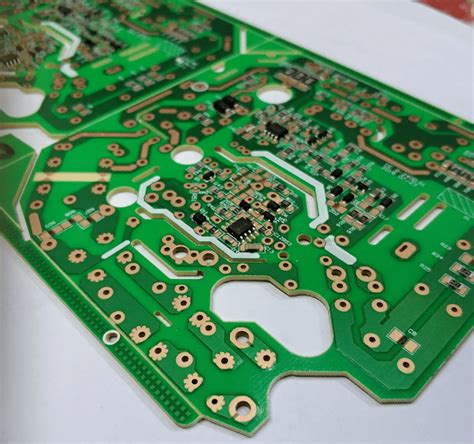
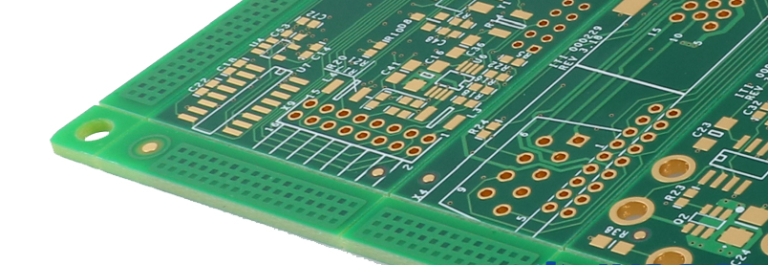
Circuit card assembly (CCA) is a fundamental aspect of the electronics manufacturing industry, focusing on the assembly of printed circuit boards (PCBs) and their components. The process of pcb assembly, often referred to by the acronym PCBA, involves several intricate steps, ranging from component placement to soldering and testing. This overview emphasizes the significance of CCA in enhancing the functionality and reliability of electronic devices.
Recent advancements in circuit card assembly techniques have ushered in a new era of production efficiency and product quality. Automated systems have revolutionized how components are positioned on PCBs, significantly reducing human error and increasing throughput. With increasing demand for smaller, faster, and more integrated devices, modern techniques such as surface mount technology (SMT) have become indispensable.
The rise of IoT (Internet of Things) and other technology trends further highlight the importance of efficient CCA practices. Manufacturers are adapting to these changes by embracing innovative practices that not only improve production capabilities but also keep pace with quickening market demands. The ongoing development within this sector ensures that PCB assembly methods continue evolving to enhance both performance and sustainability.
To illustrate this point, consider the following table that summarizes key components in modern pcb assembly processes:
| Component Type | Description | Impact on CCA |
|---|---|---|
| Surface Mount Devices | Compact components mounted directly onto PCB | Space-saving technology |
| Through-Hole Components | Components with leads inserted into holes in PCBs | Enhanced mechanical strength |
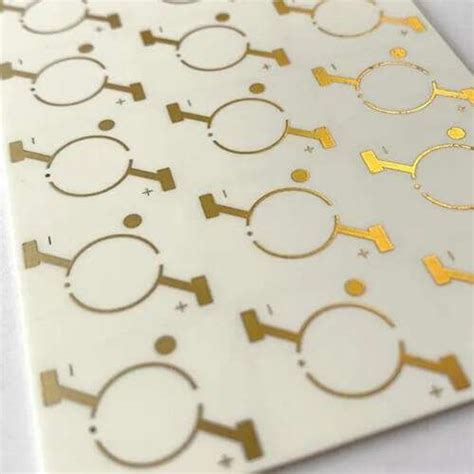
| Flexible Circuit Boards | Thin, flexible substrates for adaptable designs | Versatility in applications |
These innovations not only address manufacturing challenges but also pave the way for a future where electronic manufacturing continues to adapt swiftly to new technological landscapes. Overall, understanding these developments is essential for anyone involved in or studying electronic manufacturing processes today.
Key Innovations in Circuit Card Assembly Techniques
The landscape of pcb assembly is continually evolving, showcasing a variety of innovative techniques that enhance both functionality and production efficiency. One significant advancement in circuit card assembly (CCA) is the adoption of surface-mount technology (SMT), which allows for a greater density of components on a single board, ultimately leading to smaller and lighter electronic devices. Additionally, automated optical inspection (AOI) systems are now commonplace, enabling real-time defect detection during the assembly process, thereby reducing waste and improving overall quality. Moreover, the integration of advanced materials such as flexible substrates facilitates the creation of bendable and wearable devices that were previously unattainable.
Emergence of 3D printing technologies in the production stages has also made a considerable impact. This innovation enables rapid prototyping and allows for more complex geometries that traditional methods cannot achieve. Furthermore, the use of digital twins in monitoring assembly processes provides manufacturers with invaluable data analytics to predict potential failures before they occur.
“Constant innovation is key for staying competitive in electronic manufacturing,” a leading expert noted. As we look to the future, embracing these advancements in pcba will be crucial for companies aiming to streamline their operations and offer cutting-edge products to an increasingly tech-savvy market. The incorporation of these technologies not only improves efficiency but also sets a foundation for future developments within the industry.
Efficiency Improvements in Modern Circuit Card Assembly Processes
In the rapidly evolving field of pcb assembly and pcba, efficiency improvements have become paramount for manufacturers striving to enhance productivity while maintaining quality. One significant advancement is the adoption of automated systems, which allow for the precision placement of components on circuit boards, thus reducing errors and increasing speed. Advanced soldering techniques such as selective soldering and reflow soldering have further contributed to efficiency by ensuring stronger connections with minimal waste. Additionally, innovative materials used in circuit card assembly processes have led to lighter, more compact designs that ease installation and reduce costs. The integration of smart technologies, such as the Internet of Things (IoT) in monitoring equipment performance, aids in predictive maintenance, which minimizes downtime. With these improvements, manufacturers can respond rapidly to market demands while ensuring a high standard in their pcba products. Overall, the continuous enhancement of these processes demonstrates a commitment to not only efficiency but also to fostering an adaptable environment for future advancements in electronic manufacturing.
The Role of Automation in Circuit Card Assembly
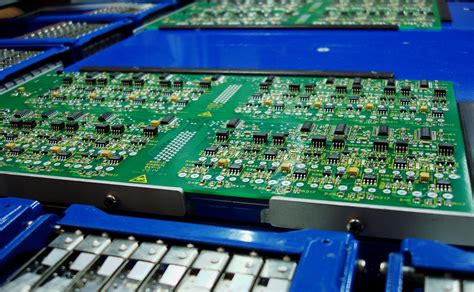
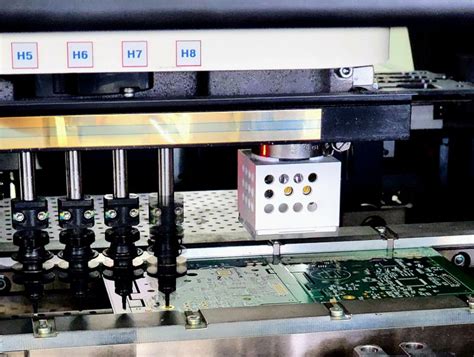
The integration of automation in circuit card assembly (CCA) has revolutionized the manufacturing landscape, particularly in the production of printed circuit boards (PCBs). In recent years, automation technologies such as robotic arms and automated optical inspection systems have enhanced the efficiency and precision of pcb assembly processes. By minimizing human intervention, manufacturers can achieve higher consistency and reduce the likelihood of errors. This shift towards automated solutions not only speeds up production cycles but also optimizes resource allocation. For instance, automated pick-and-place machines can accurately place components onto PCBs at incredibly high speeds, greatly improving throughput. Additionally, these innovations facilitate real-time monitoring and data collection throughout the assembly process, enabling predictive maintenance and better quality assurance practices. As the demand for more complex pcba designs increases, automation equips manufacturers with the tools to meet these challenges while maintaining cost-effectiveness. The continuous evolution of automation technology is set to further transform CCA practices, making them more adaptable to changing market requirements and pushing the boundaries of what is possible in electronic manufacturing.
Emerging Trends Influencing the Future of Electronic Manufacturing
The landscape of electronic manufacturing is continuously evolving, driven by several emerging trends that significantly influence circuit card assembly (CCA) processes and technologies. One of the most notable trends is the increasing adoption of automation in pcb assembly systems, which not only enhances efficiency but also allows for greater precision in manufacturing. As companies seek to reduce production times and minimize errors, automated machinery is becoming indispensable, enabling higher throughput and better scalability for various assembly tasks. Additionally, the integration of smart technologies such as Artificial Intelligence (AI) and Machine Learning (ML) into the design and production processes is reshaping how pcba is approached. These innovations are being implemented to predict failures before they occur and optimize assembly processes in real time, ensuring superior quality control. Moreover, there’s a growing emphasis on sustainability, leading manufacturers to adopt practices that minimize waste and utilize environmentally friendly materials. As these trends unfold, it’s clear that they will not only transform circuit card assembly but also set new standards for efficiency and quality in the electronics sector overall.
Quality Control and Testing in Circuit Card Assembly
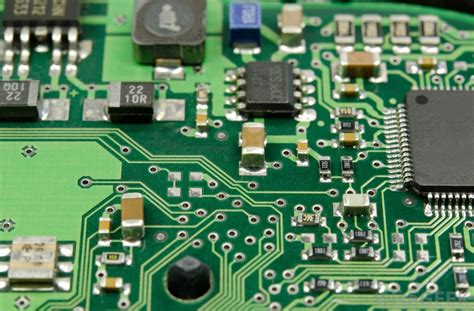
In the realm of pcb assembly and pcba, ensuring unmatched quality control and effective testing protocols is vital for the success of electronic manufacturing. As the complexity of circuit card assembly increases, manufacturers are required to adopt more stringent quality assurance measures. Advanced testing techniques, such as automated optical inspection (AOI) and X-ray inspection, play a critical role in identifying defects at an early stage in the pcb assembly process. Additionally, software-driven testing methodologies enable real-time monitoring and analysis, ensuring that each unit meets high industry standards. The integration of these innovative practices not only minimizes production costs but also enhances overall product reliability. Implementing robust quality control protocols strengthens the ability to deliver safe and efficient electronic devices to consumers. Thus, staying ahead in these areas is crucial for companies that aspire to lead the market in pcba solutions, paving the way for advancements that will drive future growth in electronic manufacturing.
Sustainability Practices in Circuit Card Assembly
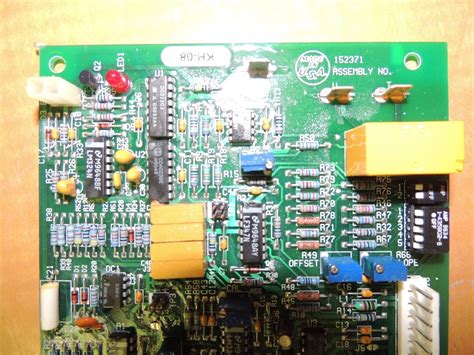
In the realm of pcb assembly, sustainable practices have taken on a critical role as the electronics industry increasingly prioritizes environmental responsibility. The shift towards green manufacturing techniques has sparked innovation in circuit card assembly (CCA) processes, emphasizing energy-efficient methods and the reduction of waste. For instance, the adoption of lead-free solder materials not only aligns with regulatory requirements but also contributes to a healthier ecosystem by minimizing hazardous substances in electronic products. Furthermore, companies are investing in smart technology that enables real-time monitoring of energy consumption during pcba processes, facilitating more efficient use of resources and reducing carbon footprints. The integration of recycling programs for end-of-life electronic components is another emerging trend, ensuring that materials are repurposed rather than disposed of in landfills. By focusing on sustainability, organizations engaged in circuit card assembly can enhance both their brand reputation and operational efficiency while actively contributing to a more sustainable future for electronic manufacturing.
Conclusion: The Future Landscape of Circuit Card Assembly Technologies
As the field of pcb assembly continues to evolve, the future landscape of pcba technologies promises to be shaped by a myriad of influential factors. Industry leaders are now leveraging innovative methodologies that prioritize not just efficiency, but also the integration of advanced automation systems. These innovations enhance the precision and speed of circuit card assembly, ensuring that manufacturers can respond swiftly to market demands without compromising quality. Moreover, emerging trends suggest a heightened focus on sustainability, with manufacturers seeking environmentally friendly materials and processes that minimize waste. The introduction of machine learning algorithms into production lines is also gaining momentum, enabling real-time adjustments to assembly processes that optimize performance and reduce errors. Additionally, the ongoing enhancements in quality control and testing methods are critical for ensuring reliability in electronic devices. Ultimately, as these advancements converge, they are set to redefine industry standards while paving the way for more robust and adaptable pcb assembly solutions that meet the growing complexities of modern electronics.
Conclusion: The Future Landscape of Circuit Card Assembly Technologies
As the field of circuit card assembly (CCA) continues to evolve, it is vital to recognize the significance of PCB assembly (also known as PCBA) advancements that are driving the industry forward. Innovations such as the use of advanced materials, improved soldering techniques, and sophisticated printing processes contribute to more reliable and higher-quality assemblies. Additionally, the incorporation of smart manufacturing principles and automation technologies enhances productivity and reduces errors in pcb assembly production lines. Manufacturers are increasingly adopting Industry 4.0 practices that allow for real-time monitoring and data-driven decision-making, optimizing both efficiency and quality in assembly processes. As we look to the future, trends such as miniaturization and increased complexity in electronic designs will necessitate further advancements in circuit card assembly techniques. The integration of sustainable practices into pcb assembly not only addresses ecological concerns but also aligns with modern consumer expectations for responsible manufacturing. In summary, the landscape of PCBA technologies is set to transform significantly, driven by continuous innovation and a focus on efficiency, quality, and sustainability.
FAQs
What is circuit card assembly?
Circuit card assembly, often referred to as pcb assembly or pcba, is the process of assembling electronic components onto a printed circuit board (PCB). This process is crucial for creating functional electronic devices, ranging from consumer appliances to complex industrial machinery.
What advancements have been made in circuit card assembly techniques?
Recent advancements in pcb assembly techniques include the adoption of advanced soldering methods, improved pick-and-place technologies, and the integration of high-density packaging. These innovations enhance both the speed and accuracy of assembling electronic components.
How does automation improve the circuit card assembly process?
Automation significantly increases efficiency in pcba processes by reducing manual labor and minimizing errors. Automated systems can consistently perform complex tasks at high speeds, streamlining production and contributing to higher yield rates.
What trends are currently shaping circuit card assembly?
Emerging trends include a growing emphasis on miniaturization, IoT integration, and sustainability practices within pcb assembly processes. These trends are pushing manufacturers to adopt more innovative solutions that align with modern technological demands.
How is quality control implemented in circuit card assembly?
Quality control in pcba involves various testing methods such as X-ray inspection, automated optical inspection (AOI), and functional testing. These methods ensure that assembled boards meet strict quality standards before they are shipped for use in electronic devices.