Carbon Neutral PCB: The Future of Sustainable Electronics Manufacturing
Introduction
The electronics industry is a significant contributor to global carbon emissions, with printed circuit boards (PCBs) playing a crucial role in nearly every electronic device. As the world shifts toward sustainability, the concept of carbon-neutral PCBs has emerged as a key innovation in reducing the environmental impact of electronics manufacturing.
A carbon-neutral PCB is one where the total greenhouse gas (GHG) emissions produced during its lifecycle—from raw material extraction to manufacturing, transportation, and disposal—are balanced by carbon removal or offsetting measures. Achieving carbon neutrality in PCB production requires a combination of sustainable materials, energy-efficient manufacturing processes, waste reduction, and carbon offset initiatives.
This article explores the challenges, strategies, and future prospects of carbon-neutral PCBs, highlighting how the electronics industry can transition toward a more sustainable future.
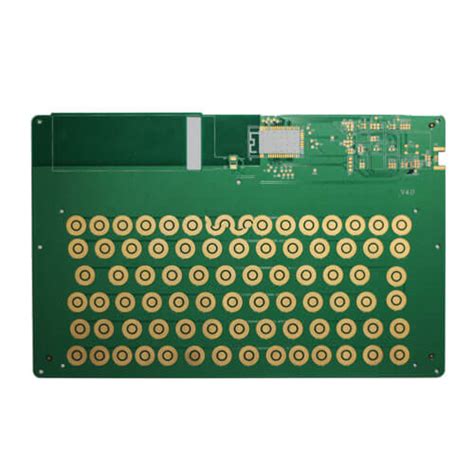
1. The Environmental Impact of Traditional PCB Manufacturing
Traditional PCB manufacturing is resource-intensive and generates significant carbon emissions due to:
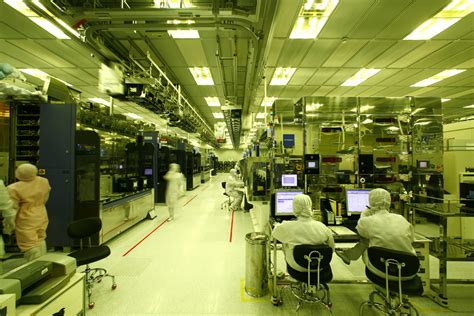
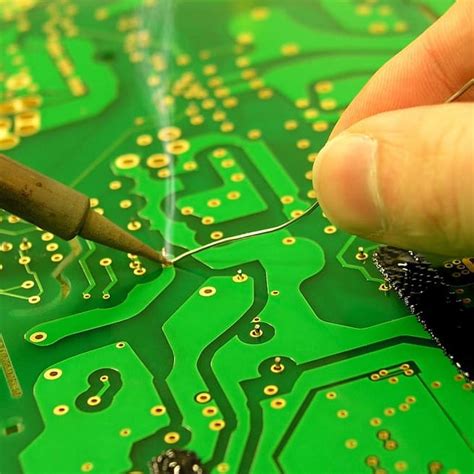
- Energy Consumption: PCB fabrication involves high-energy processes such as etching, plating, and soldering, often powered by fossil fuels.
- Material Use: Conventional PCBs rely on non-biodegradable materials like fiberglass (FR4), copper, and lead-based solders, which contribute to pollution.
- Chemical Waste: The use of hazardous chemicals (e.g., solvents, acids, and heavy metals) in PCB production leads to toxic waste and water contamination.
- End-of-Life Disposal: Most discarded PCBs end up in landfills or are incinerated, releasing harmful substances into the environment.
Given these challenges, the industry must adopt sustainable practices to minimize its carbon footprint.
2. Strategies for Achieving Carbon-Neutral PCBs
2.1 Sustainable Material Selection
The choice of materials significantly impacts a PCB’s carbon footprint. Key sustainable alternatives include:
- Bio-Based Substrates: Researchers are developing PCB substrates from biodegradable or renewable materials such as flax, hemp, and polylactic acid (PLA) instead of traditional FR4.
- Recycled Metals: Using recycled copper and aluminum reduces mining-related emissions.
- Lead-Free Solder: Alternatives like tin-silver-copper (SAC) alloys eliminate toxic lead while maintaining performance.
2.2 Energy-Efficient Manufacturing
Reducing energy consumption in PCB production is critical for carbon neutrality. Strategies include:
- Renewable Energy: Factories can transition to solar, wind, or hydropower to run production lines.
- Process Optimization: Advanced manufacturing techniques like laser direct imaging (LDI) and additive manufacturing reduce energy waste compared to traditional etching methods.
- Heat Recovery Systems: Capturing and reusing waste heat from PCB fabrication can lower overall energy demands.
2.3 Waste Reduction and Circular Economy
Minimizing waste through recycling and reuse is essential:
- Closed-Loop Recycling: Recovering copper, gold, and other metals from discarded PCBs reduces the need for virgin materials.
- Design for Disassembly: Modular PCB designs allow easier component recovery and recycling.
- Chemical Recovery: Advanced filtration systems can reclaim and reuse solvents and acids, reducing hazardous waste.
2.4 Carbon Offsetting and Removal
For unavoidable emissions, companies can invest in carbon offset projects such as:
- Reforestation Initiatives: Planting trees to absorb CO₂.
- Renewable Energy Credits (RECs): Supporting wind or solar farms to balance emissions.
- Carbon Capture Technologies: Emerging solutions like direct air capture (DAC) can neutralize residual emissions.
3. Case Studies: Pioneering Carbon-Neutral PCB Initiatives
3.1 Apple’s Carbon-Neutral PCB Efforts
Apple has committed to carbon neutrality across its supply chain by 2030. The company is working with PCB suppliers to:
- Use 100% recycled copper in PCB traces.
- Transition to renewable energy for PCB fabrication.
- Implement advanced recycling programs for end-of-life PCBs.
3.2 European Union’s Green PCB Standards
The EU’s Circular Electronics Initiative promotes sustainable PCB manufacturing by:
- Enforcing stricter regulations on hazardous substances (e.g., RoHS compliance).
- Encouraging eco-design principles to extend PCB lifespan.
- Funding research into biodegradable PCB materials.
3.3 Startups Innovating in Sustainable PCBs
Several startups are leading the way in carbon-neutral PCB technology:
- BioBoards: A UK-based company developing PCBs from plant-based resins.
- CircuLiT: A German firm specializing in recyclable PCBs with embedded disassembly features.
- Jiva Materials: Known for its Soluboard, a water-soluble PCB substrate that eliminates e-waste.
4. Challenges in Implementing Carbon-Neutral PCBs
Despite progress, several barriers remain:
- Higher Costs: Sustainable materials and renewable energy investments can increase production costs.
- Performance Trade-offs: Some eco-friendly PCB materials may have lower thermal or mechanical stability.
- Supply Chain Complexity: Ensuring all suppliers adhere to carbon-neutral practices is difficult.
- Lack of Standards: Universal carbon accounting methods for PCBs are still evolving.
5. The Future of Carbon-Neutral PCBs
The shift toward carbon-neutral PCBs is accelerating due to:
- Government Regulations: Stricter environmental policies (e.g., EU Green Deal, U.S. Climate Goals) are pushing manufacturers toward sustainability.
- Consumer Demand: Eco-conscious buyers prefer electronics with lower carbon footprints.
- Technological Advancements: Innovations in materials science and clean energy will make carbon-neutral PCBs more viable.
By 2030, carbon-neutral PCBs could become the industry standard, drastically reducing the environmental impact of electronics.
Conclusion
The transition to carbon-neutral PCBs is not just an environmental necessity but also a competitive advantage for electronics manufacturers. Through sustainable materials, energy-efficient processes, waste reduction, and carbon offsetting, the PCB industry can significantly reduce its carbon footprint.
While challenges remain, collaboration among governments, corporations, and researchers will drive innovation and make carbon-neutral PCBs a reality. As the world moves toward a greener future, the electronics industry must lead by example—ensuring that every circuit board contributes to a sustainable planet.