Ceramic pcb market
Growth Trends In The Ceramic PCB Market
The ceramic PCB market has been experiencing significant growth, driven by a confluence of technological advancements and increasing demand across various industries.
As electronic devices become more sophisticated, the need for reliable and efficient circuit boards has intensified, positioning ceramic PCBs as a preferred choice due to their superior thermal management and electrical insulation properties. This trend is particularly evident in sectors such as telecommunications, automotive, and consumer electronics, where the performance and durability of components are paramount.
One of the primary factors contributing to the growth of the ceramic PCB market is the rapid expansion of the telecommunications industry.
With the advent of 5G technology, there is a heightened demand for components that can support higher frequencies and faster data transmission rates. Ceramic PCBs, known for their excellent thermal conductivity and stability at high frequencies, are increasingly being utilized in the production of 5G infrastructure and devices. This shift is not only enhancing the performance of telecommunications equipment but also driving the market for ceramic PCBs.
In addition to telecommunications, the automotive industry is another significant driver of growth in the ceramic PCB market.
The transition towards electric vehicles (EVs) and advanced driver-assistance systems (ADAS) has necessitated the use of components that can withstand high temperatures and harsh operating conditions. Ceramic PCBs, with their ability to dissipate heat efficiently, are ideal for use in power electronics and battery management systems within EVs. Furthermore, as automotive manufacturers continue to innovate and integrate more electronic components into vehicles, the demand for ceramic PCBs is expected to rise correspondingly.
Moreover, the consumer electronics sector is witnessing a surge in demand for ceramic PCBs, fueled by the proliferation of smart devices and wearable technology.
As consumers increasingly seek devices that are not only compact but also powerful and reliable, manufacturers are turning to ceramic PCBs to meet these requirements. The miniaturization of electronic components, coupled with the need for enhanced performance, has made ceramic PCBs an attractive option for consumer electronics manufacturers aiming to deliver cutting-edge products.
Furthermore, the global push towards sustainability and energy efficiency is also playing a crucial role in the growth of the ceramic PCB market.
Industries are increasingly prioritizing materials and technologies that contribute to reduced energy consumption and lower environmental impact. Ceramic PCBs, with their long lifespan and ability to operate efficiently under extreme conditions, align well with these sustainability goals. As a result, they are becoming an integral part of efforts to create more sustainable electronic products.
In conclusion, the ceramic PCB market is poised for continued growth, driven by advancements in telecommunications, automotive, and consumer electronics industries.
The unique properties of ceramic PCBs, such as superior thermal management and electrical insulation, make them indispensable in the development of next-generation electronic devices. As industries continue to evolve and prioritize performance, reliability, and sustainability, the demand for ceramic PCBs is expected to increase, solidifying their position as a critical component in the global electronics market. This growth trajectory underscores the importance of ongoing research and innovation in ceramic PCB technology to meet the ever-changing needs of various industries.
Key Applications Of Ceramic PCBs In Modern Electronics
The ceramic PCB market has witnessed significant growth in recent years, driven by the increasing demand for high-performance electronic components across various industries. Ceramic printed circuit boards (PCBs) are renowned for their superior thermal conductivity, mechanical strength, and electrical insulation properties, making them indispensable in modern electronics. As technology continues to advance, the applications of ceramic PCBs have expanded, playing a crucial role in enhancing the performance and reliability of electronic devices.
One of the primary applications of ceramic PCBs is in the field of power electronics.
These PCBs are particularly favored in power modules and converters due to their ability to efficiently dissipate heat. The high thermal conductivity of ceramic materials ensures that heat generated by power components is effectively managed, thereby enhancing the longevity and reliability of the devices. This is especially critical in applications such as electric vehicles and renewable energy systems, where efficient thermal management is paramount to maintaining optimal performance.
In addition to power electronics, ceramic PCBs are extensively used in the telecommunications industry.
With the advent of 5G technology, there is a growing need for components that can operate at higher frequencies and power levels. Ceramic PCBs, with their excellent dielectric properties, are well-suited for high-frequency applications. They are commonly used in antennas, filters, and other RF components, where they contribute to improved signal integrity and reduced losses. As the demand for faster and more reliable communication networks continues to rise, the role of ceramic PCBs in telecommunications is expected to become even more prominent.
Furthermore, the automotive industry has increasingly adopted ceramic PCBs, particularly in the development of advanced driver-assistance systems (ADAS) and electric vehicle (EV) components.
The harsh operating conditions in automotive environments, characterized by extreme temperatures and vibrations, necessitate the use of robust and reliable materials. Ceramic PCBs offer the durability and thermal stability required for such applications, ensuring that critical systems function reliably over the vehicle’s lifespan. As the automotive sector continues to innovate, the integration of ceramic PCBs in various electronic systems is likely to expand.
Moreover, ceramic PCBs find significant applications in the aerospace and defense sectors.
The stringent requirements for reliability and performance in these industries make ceramic PCBs an ideal choice for mission-critical applications. Their ability to withstand extreme temperatures and mechanical stresses makes them suitable for use in avionics, radar systems, and satellite communications. The ongoing advancements in aerospace technology, coupled with the increasing demand for sophisticated defense systems, are expected to drive further adoption of ceramic PCBs in these sectors.
In the realm of consumer electronics, ceramic PCBs are gaining traction in the production of high-end audio equipment and LED lighting systems.
The superior thermal management capabilities of ceramic PCBs enhance the performance and lifespan of LEDs, making them a preferred choice for manufacturers aiming to deliver energy-efficient lighting solutions. Similarly, in audio equipment, ceramic PCBs contribute to improved sound quality by minimizing electrical interference and ensuring stable signal transmission.
In conclusion, the key applications of ceramic PCBs in modern electronics underscore their critical role in advancing technology across various industries.
From power electronics and telecommunications to automotive, aerospace, and consumer electronics, ceramic PCBs offer unparalleled performance and reliability. As the demand for high-performance electronic components continues to grow, the ceramic PCB market is poised for further expansion, driven by ongoing innovations and the increasing need for efficient and durable electronic solutions.
Innovations Driving The Ceramic PCB Industry
The ceramic PCB market has witnessed significant growth in recent years, driven by a series of innovations that have enhanced the performance and applicability of ceramic-based printed circuit boards. As industries increasingly demand high-performance materials capable of withstanding extreme conditions, ceramic PCBs have emerged as a preferred choice due to their superior thermal conductivity, mechanical strength, and electrical insulation properties. These attributes make them particularly suitable for applications in sectors such as aerospace, automotive, telecommunications, and consumer electronics.
One of the key innovations propelling the ceramic PCB industry forward is the development of advanced ceramic materials.
Traditional materials like alumina have been supplemented by newer options such as aluminum nitride and silicon nitride, which offer even better thermal management capabilities. These materials are crucial in applications where heat dissipation is critical, such as in LED lighting and power electronics. The ability to efficiently manage heat not only enhances the performance of electronic devices but also extends their lifespan, thereby providing a significant advantage over conventional PCB materials.
Moreover, the advent of multilayer ceramic PCBs has opened new avenues for miniaturization and integration in electronic devices.
By stacking multiple layers of ceramic substrates, manufacturers can create compact and highly integrated circuits that meet the demands of modern electronic devices. This innovation is particularly beneficial in the development of compact and lightweight devices, which are increasingly sought after in the consumer electronics market. The ability to integrate more functionality into a smaller footprint without compromising performance is a testament to the versatility of ceramic PCBs.
In addition to material advancements, manufacturing techniques have also seen significant improvements
The introduction of laser direct structuring (LDS) technology, for instance, has revolutionized the way ceramic PCBs are produced. This technique allows for the precise and efficient creation of complex circuit patterns directly onto ceramic substrates, reducing production time and costs. Furthermore, LDS technology enables greater design flexibility, allowing manufacturers to produce customized solutions tailored to specific applications. This level of customization is particularly valuable in industries where unique design specifications are required.
Another noteworthy innovation is the integration of ceramic PCBs with other advanced technologies, such as the Internet of Things (IoT) and 5G networks. As these technologies continue to evolve, the demand for reliable and high-performance PCBs is expected to rise. Ceramic PCBs, with their ability to operate in high-frequency environments and withstand harsh conditions, are well-positioned to meet these demands. Their integration into IoT devices and 5G infrastructure not only enhances connectivity and data transmission but also ensures the durability and reliability of these systems.
Furthermore, environmental considerations are increasingly influencing the development of ceramic PCBs.
As sustainability becomes a priority across industries, manufacturers are exploring eco-friendly production methods and materials. The inherent durability and longevity of ceramic PCBs contribute to their sustainability, as they reduce the need for frequent replacements and minimize electronic waste. Additionally, ongoing research into recyclable and biodegradable ceramic materials holds promise for further reducing the environmental impact of PCB production.
In conclusion, the ceramic PCB market is being driven by a combination of material advancements, innovative manufacturing techniques, and integration with emerging technologies. These innovations are not only enhancing the performance and applicability of ceramic PCBs but also positioning them as a sustainable and reliable solution for a wide range of industries. As the demand for high-performance electronic components continues to grow, the ceramic PCB industry is poised for continued expansion and evolution.
Competitive Landscape Of The Ceramic PCB Market
The competitive landscape of the ceramic PCB market is characterized by a dynamic interplay of innovation, strategic partnerships, and market expansion efforts by key players. As the demand for high-performance electronic components continues to rise, companies within this sector are increasingly focusing on enhancing their product offerings and expanding their market reach. This competitive environment is driven by the need to cater to diverse applications across industries such as telecommunications, automotive, aerospace, and consumer electronics.
One of the primary factors influencing the competitive landscape is the rapid pace of technological advancements.
Companies are investing heavily in research and development to create ceramic PCBs that offer superior thermal management, high-frequency performance, and miniaturization capabilities. These advancements are crucial in meeting the stringent requirements of modern electronic devices, which demand reliability and efficiency. Consequently, firms that can innovate and bring cutting-edge solutions to the market are likely to gain a competitive edge.
Moreover, strategic collaborations and partnerships are becoming increasingly prevalent in the ceramic PCB market.
By joining forces, companies can leverage each other’s strengths, share resources, and accelerate the development of new technologies. These alliances often result in the creation of more comprehensive product portfolios, enabling firms to better serve their customers and address a wider range of applications. Additionally, partnerships with research institutions and universities are also common, as they provide access to the latest scientific insights and technological breakthroughs.
In addition to innovation and collaboration, market expansion strategies play a crucial role in shaping the competitive landscape.
Companies are actively seeking to expand their geographical footprint by entering emerging markets and establishing a presence in regions with high growth potential. This expansion is often accompanied by the establishment of new manufacturing facilities and distribution networks, which help firms to better serve local customers and reduce lead times. Furthermore, mergers and acquisitions are also a common strategy employed by companies to enhance their market position and gain access to new technologies and customer bases.
The competitive landscape is also influenced by the regulatory environment, which can vary significantly across different regions.
Companies must navigate a complex web of regulations related to environmental standards, safety, and quality assurance. Compliance with these regulations is essential for maintaining market access and avoiding potential legal and financial repercussions. As a result, firms that can effectively manage regulatory challenges and demonstrate a commitment to sustainability are likely to enhance their reputation and competitiveness.
Furthermore, customer-centric approaches are becoming increasingly important in the ceramic PCB market.
Companies are focusing on understanding the specific needs and preferences of their customers to deliver tailored solutions that meet their unique requirements. This involves not only offering high-quality products but also providing exceptional customer service and support. By building strong relationships with their clients, companies can foster loyalty and gain valuable insights that drive further innovation and improvement.
In conclusion, the competitive landscape of the ceramic PCB market is shaped by a combination of technological innovation, strategic partnerships, market expansion efforts, regulatory compliance, and customer-centric strategies. Companies that can successfully navigate these factors are well-positioned to thrive in this dynamic and rapidly evolving market. As the demand for advanced electronic components continues to grow, the ceramic PCB market is expected to witness further competition and innovation, driving the development of increasingly sophisticated solutions.
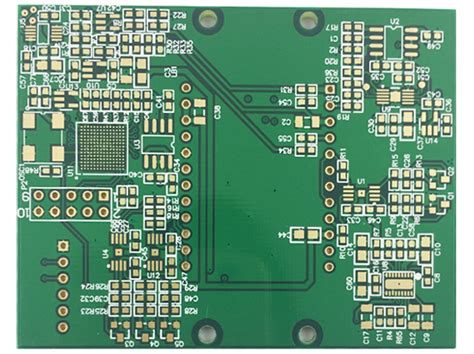
Environmental Impact And Sustainability In Ceramic PCB Production
The ceramic PCB market has been experiencing significant growth, driven by the increasing demand for high-performance electronic components across various industries. As this market expands, it becomes crucial to consider the environmental impact and sustainability of ceramic PCB production. The manufacturing process of ceramic PCBs, while offering numerous advantages in terms of thermal management and electrical insulation, also presents several environmental challenges that need to be addressed to ensure a sustainable future.
One of the primary environmental concerns in ceramic PCB production is the energy-intensive nature of the manufacturing process
The production of ceramic substrates requires high-temperature sintering, which consumes a substantial amount of energy. This energy consumption contributes to greenhouse gas emissions, which are a significant factor in climate change. To mitigate this impact, manufacturers are increasingly exploring alternative energy sources, such as solar and wind power, to reduce their carbon footprint. Additionally, advancements in manufacturing technologies are being pursued to enhance energy efficiency and minimize waste.
Moreover, the raw materials used in ceramic PCB production also pose environmental challenges.
The extraction and processing of materials like alumina and beryllium oxide can have detrimental effects on the environment, including habitat destruction and pollution. To address these issues, there is a growing emphasis on sourcing materials responsibly and developing recycling programs to recover and reuse materials from end-of-life products. By implementing closed-loop systems, manufacturers can significantly reduce the environmental impact associated with raw material extraction and processing.
In addition to energy consumption and raw material concerns, the use of hazardous chemicals in the production process is another critical environmental issue.
The manufacturing of ceramic PCBs often involves the use of solvents, etchants, and other chemicals that can be harmful to both human health and the environment. To promote sustainability, companies are investing in research and development to identify safer alternatives and improve waste management practices. This includes the implementation of advanced filtration and treatment systems to prevent the release of harmful substances into the environment.
Furthermore, the end-of-life management of ceramic PCBs is an essential aspect of sustainability.
As electronic waste continues to grow, finding effective ways to recycle and dispose of ceramic PCBs is imperative. Unlike traditional PCBs, ceramic PCBs are more challenging to recycle due to their robust construction and the materials used. However, ongoing research is focused on developing innovative recycling techniques that can efficiently recover valuable materials while minimizing environmental impact. Encouragingly, some companies are already implementing take-back programs and collaborating with recycling facilities to ensure responsible disposal of their products.
In conclusion, while the ceramic PCB market is poised for continued growth, it is imperative to address the environmental impact and sustainability of its production processes. By focusing on energy efficiency, responsible sourcing of raw materials, reduction of hazardous chemicals, and effective end-of-life management, the industry can move towards a more sustainable future.
As manufacturers, researchers, and policymakers work together to develop and implement sustainable practices, the ceramic PCB market can continue to thrive while minimizing its environmental footprint. This commitment to sustainability not only benefits the environment but also enhances the industry’s reputation and long-term viability in an increasingly eco-conscious world.