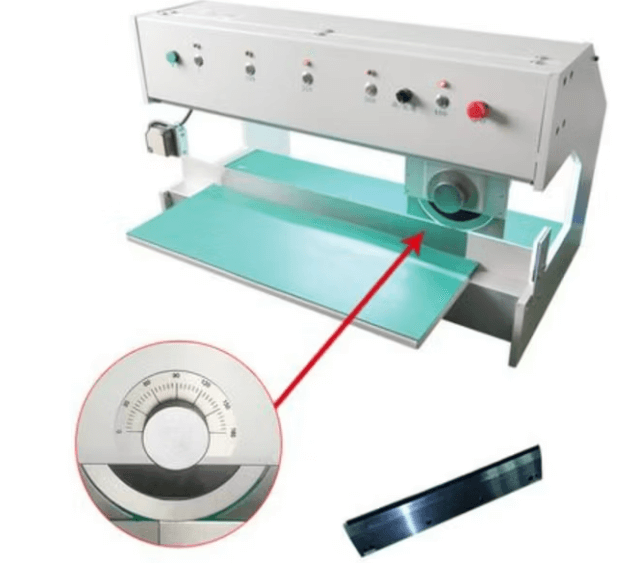
Characteristics of PCB Curve Cutting Machines
Introduction
Printed Circuit Board (PCB) manufacturing involves multiple precision processes, and one of the critical steps is separating individual PCBs from a larger panel. Traditional straight-line cutting methods are limited when dealing with complex PCB shapes, leading to the development of PCB curve cutting machines. These advanced machines utilize high-precision mechanical and optical systems to achieve smooth, accurate, and efficient cutting of irregular PCB contours.
This article explores the key characteristics of PCB curve cutting machines, including their precision, flexibility, automation capabilities, and other technological advantages that make them essential in modern PCB manufacturing.
1. High Precision Cutting
One of the most significant features of PCB curve cutting machines is their ability to perform highly precise cuts. Unlike traditional straight-line cutting methods, these machines can follow complex curves with minimal deviation.
Key Aspects of Precision:
- Laser and Router-Based Cutting: Advanced machines use laser beams or high-speed spindle routers to achieve micron-level accuracy.
- Computer-Controlled Movements: The cutting path is controlled by CNC (Computer Numerical Control) systems, ensuring consistent accuracy.
- Minimal Kerf Width: Laser-based systems produce extremely narrow cuts, reducing material waste and allowing for tighter PCB layouts.
This precision is crucial for modern PCBs with high-density components, where even minor deviations can affect electrical performance.
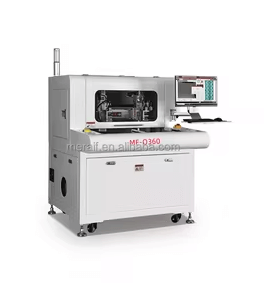
2. Flexibility in Cutting Shapes
PCB curve cutting machines excel in handling irregular and complex board shapes, making them indispensable for customized PCB designs.
Advantages in Flexibility:
- Support for Non-Linear Contours: Can cut circles, arcs, and other non-rectangular shapes without requiring multiple tool changes.
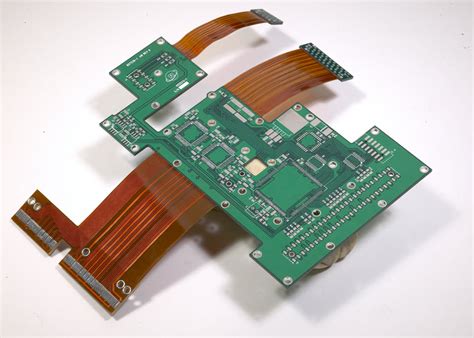
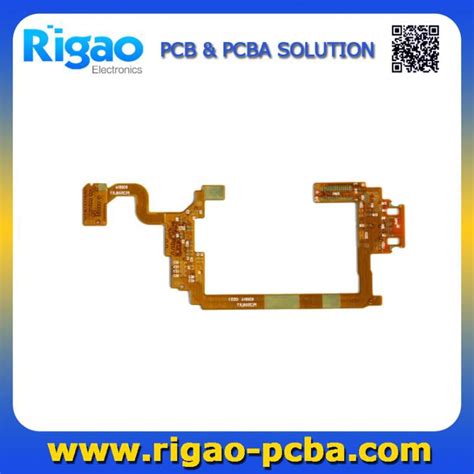
- Adaptability to Different Materials: Works with FR4, flexible PCBs, and even metal-core boards.
- Quick Reprogramming for New Designs: CAD/CAM software integration allows rapid adjustments for different PCB layouts.
This flexibility is particularly beneficial for industries like automotive, aerospace, and consumer electronics, where PCBs often have unique form factors.
3. Automation and Efficiency
Modern PCB curve cutting machines incorporate automation to enhance productivity and reduce human error.
Automation Features:
- Automatic Panel Loading/Unloading: Reduces manual handling and speeds up production.
- Vision Alignment Systems: Cameras and sensors ensure accurate positioning before cutting.
- Multi-Tool Integration: Some machines can switch between drilling, routing, and cutting automatically.
These features significantly reduce production time while maintaining high-quality output, making them ideal for high-volume manufacturing.
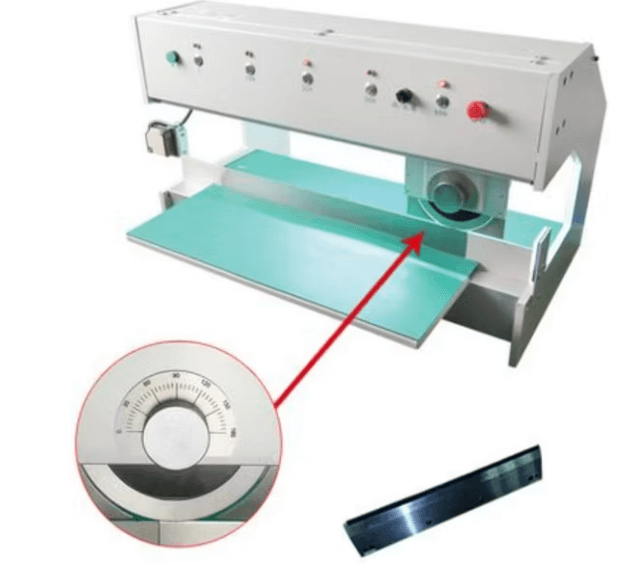
4. Reduced Stress and Damage
Traditional mechanical cutting methods can induce stress, leading to micro-cracks or delamination. PCB curve cutting machines minimize these risks.
Stress-Reduction Mechanisms:
- Laser Cutting: Non-contact process eliminates mechanical stress.
- Vibration Damping Systems: Advanced machines reduce vibrations that could harm delicate PCBs.
- Optimized Cutting Parameters: Software adjusts speed and power to prevent overheating or tearing.
This ensures higher reliability and yield, especially for sensitive high-frequency or multilayer PCBs.
5. Dust and Debris Management
Cutting PCBs generates dust and debris, which can affect machine performance and product quality.
Debris Control Solutions:
- Integrated Vacuum Systems: Extract particles during cutting.
- Water-Cooled Laser Cutting: Reduces thermal debris in laser-based systems.
- Self-Cleaning Mechanisms: Some machines include automated cleaning cycles.
Effective debris management extends machine lifespan and maintains a cleaner production environment.
6. Software Integration and Smart Features
PCB curve cutting machines often come with advanced software for design import, simulation, and optimization.
Software Capabilities:
- CAD/CAM Compatibility: Supports industry-standard design files (Gerber, DXF, etc.).
- Real-Time Adjustments: Operators can modify cutting paths on the fly.
- Predictive Maintenance Alerts: AI-driven diagnostics predict component wear.
These smart features enhance usability and reduce downtime.
7. Energy Efficiency and Environmental Considerations
With increasing emphasis on sustainable manufacturing, modern PCB curve cutting machines are designed for energy efficiency.
Eco-Friendly Features:
- Low-Power Laser Options: Reduce energy consumption without sacrificing performance.
- Recyclable Waste Collection: Separates and collects scrap materials for recycling.
- Reduced Chemical Use: Laser cutting minimizes the need for additional cleaning solvents.
This aligns with global trends toward greener electronics manufacturing.
Conclusion
PCB curve cutting machines represent a significant advancement over traditional separation methods. Their high precision, flexibility, automation, and stress-free operation make them indispensable for modern PCB production. As PCB designs continue to evolve toward more complex and miniaturized forms, these machines will play an even more critical role in ensuring manufacturing efficiency and product reliability.
Investing in advanced PCB curve cutting technology not only improves production quality but also reduces waste and operational costs, making it a smart choice for electronics manufacturers aiming for competitiveness in the industry.