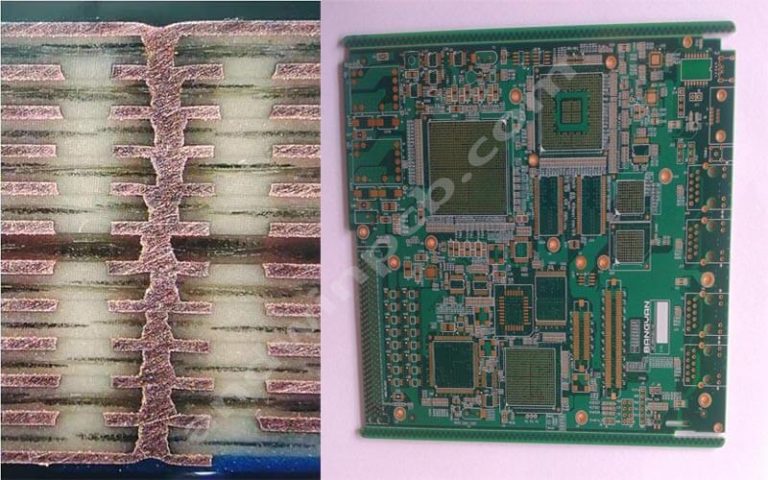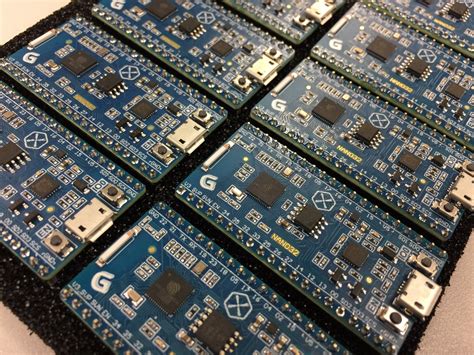
China metal core pcb
Advantages Of Metal Core PCBs In China’s Electronics Industry
Metal Core Printed Circuit Boards (MCPCBs) have emerged as a pivotal component in the electronics industry, particularly within China, where rapid technological advancements and manufacturing capabilities have positioned the country as a global leader. The advantages of MCPCBs in China’s electronics industry are manifold, contributing significantly to the efficiency, reliability, and performance of electronic devices. As we delve into these advantages, it becomes evident why MCPCBs are increasingly favored over traditional PCBs in various applications.
To begin with, one of the primary advantages of MCPCBs is their superior thermal management capabilities.
Unlike conventional PCBs, which are typically made from materials with low thermal conductivity, MCPCBs incorporate a metal core—usually aluminum or copper—that effectively dissipates heat. This characteristic is particularly beneficial in high-power applications, such as LED lighting and power electronics, where excessive heat can lead to device failure. In China, where the demand for energy-efficient and high-performance electronics is on the rise, the ability of MCPCBs to manage heat efficiently is a significant advantage, ensuring the longevity and reliability of electronic products.
Moreover, the mechanical stability of MCPCBs is another noteworthy advantage.
The metal core provides a robust structure that enhances the durability of the PCB, making it less susceptible to mechanical stress and deformation. This is especially important in applications that require high levels of mechanical reliability, such as automotive and industrial electronics. In the context of China’s electronics industry, where there is a strong focus on producing durable and high-quality products, the mechanical stability offered by MCPCBs is a critical factor that contributes to their widespread adoption.
In addition to thermal management and mechanical stability, MCPCBs also offer improved electrical performance.
The metal core not only aids in heat dissipation but also serves as a ground plane, reducing electromagnetic interference (EMI) and enhancing signal integrity. This is particularly advantageous in high-frequency applications, where maintaining signal quality is paramount. As China continues to advance in the fields of telecommunications and consumer electronics, the enhanced electrical performance of MCPCBs supports the development of cutting-edge technologies that require precise and reliable signal transmission.
Furthermore, the cost-effectiveness of MCPCBs cannot be overlooked.
While the initial cost of manufacturing MCPCBs may be higher than that of traditional PCBs, their long-term benefits, such as reduced cooling requirements and extended product lifespan, often result in overall cost savings. In a competitive market like China’s, where manufacturers are constantly seeking ways to optimize production costs without compromising quality, the economic advantages of MCPCBs are particularly appealing.
Finally, the environmental benefits associated with MCPCBs align with China’s growing emphasis on sustainable manufacturing practices.
The efficient thermal management of MCPCBs reduces the need for additional cooling mechanisms, thereby lowering energy consumption. This contributes to a reduction in the carbon footprint of electronic products, supporting China’s broader environmental goals.
In conclusion, the advantages of Metal Core PCBs in China’s electronics industry are multifaceted, encompassing superior thermal management, mechanical stability, improved electrical performance, cost-effectiveness, and environmental benefits. As the demand for high-performance and reliable electronic devices continues to grow, MCPCBs are poised to play an increasingly important role in shaping the future of China’s electronics industry. Through their unique properties and benefits, MCPCBs not only enhance the performance of electronic products but also contribute to the sustainable and innovative growth of the industry as a whole.
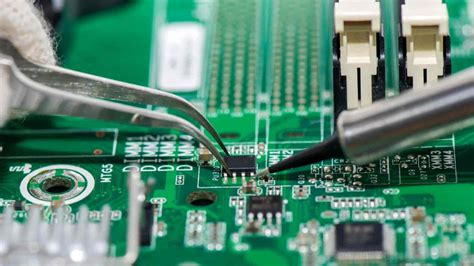
Manufacturing Process Of Metal Core PCBs In China
The manufacturing process of metal core printed circuit boards (PCBs) in China is a sophisticated and intricate procedure that combines advanced technology with meticulous craftsmanship. As the demand for high-performance electronic devices continues to rise, the need for efficient heat dissipation in PCBs has become increasingly critical. Metal core PCBs, which incorporate a metal substrate to enhance thermal management, have emerged as a solution to this challenge. In China, a global leader in electronics manufacturing, the production of these specialized PCBs involves several key stages, each contributing to the overall quality and functionality of the final product.
Initially, the process begins with the selection of appropriate materials.
The core of a metal core PCB typically consists of aluminum or copper, chosen for their excellent thermal conductivity properties. This metal core is then laminated with a dielectric layer, which serves to electrically insulate the conductive layers from the metal substrate. The choice of dielectric material is crucial, as it must possess both high thermal conductivity and electrical insulation properties to ensure optimal performance.
Following material selection, the next step involves the design and layout of the PCB.
Advanced computer-aided design (CAD) software is employed to create precise and intricate circuit patterns. This digital blueprint guides the subsequent stages of manufacturing, ensuring that the final product meets the specific requirements of the application for which it is intended. Once the design is finalized, the production process moves to the fabrication stage.
In the fabrication stage, the metal core is prepared by cleaning and treating its surface to enhance adhesion.
A layer of photoresist is then applied to the surface, and the circuit pattern is transferred onto the board using a photolithographic process. This involves exposing the photoresist-coated board to ultraviolet light through a mask that contains the circuit design. The exposed areas of the photoresist are then developed, revealing the underlying metal, which is subsequently etched away to form the desired circuit pattern.
After etching, the board undergoes a series of drilling and plating processes.
Holes are drilled into the board to accommodate components and interconnections, and these holes are plated with copper to ensure electrical continuity. The board is then coated with a solder mask, which serves to protect the circuit from environmental factors and prevent solder bridges during component assembly.
Quality control is a critical aspect of the manufacturing process in China, where rigorous testing is conducted at various stages to ensure the reliability and performance of the metal core PCBs. Automated optical inspection (AOI) systems are used to detect any defects in the circuit pattern, while electrical testing verifies the integrity of the connections. Additionally, thermal testing is performed to assess the board’s ability to dissipate heat effectively.
Finally, the completed metal core PCBs are subjected to a thorough inspection before being packaged and shipped to customers worldwide.
The entire manufacturing process, from material selection to final inspection, is characterized by a commitment to precision and quality, reflecting China’s position as a leader in the global electronics industry. Through continuous innovation and adherence to stringent standards, Chinese manufacturers are able to produce metal core PCBs that meet the demanding requirements of modern electronic applications, ensuring their widespread adoption in various industries.
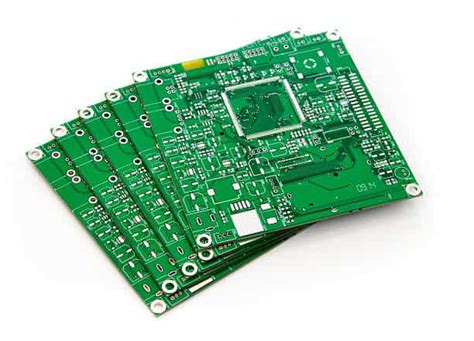
Innovations In Metal Core PCB Technology In China
China has long been at the forefront of technological advancements, and its innovations in metal core printed circuit board (MCPCB) technology are no exception. As the demand for more efficient and reliable electronic devices continues to grow, the role of MCPCBs has become increasingly significant. These boards, which incorporate a metal core to enhance thermal conductivity, are essential in applications where heat dissipation is critical, such as in LED lighting, power supplies, and automotive electronics. China’s advancements in this field are not only meeting global demands but also setting new standards for quality and performance.
One of the key innovations in China’s MCPCB technology is the development of advanced materials that improve thermal management.
Traditionally, aluminum has been the material of choice for the metal core due to its excellent thermal conductivity and cost-effectiveness. However, Chinese manufacturers are now exploring alternative materials, such as copper and even hybrid composites, to further enhance performance. Copper, for instance, offers superior thermal conductivity compared to aluminum, albeit at a higher cost. By optimizing the use of these materials, Chinese companies are able to offer MCPCBs that provide better heat dissipation, thereby extending the lifespan and reliability of electronic components.
In addition to material innovations, China has also made significant strides in manufacturing processes.
The adoption of automated production lines and precision engineering techniques has allowed for greater consistency and quality control in MCPCB fabrication. This has resulted in boards with finer tolerances and more complex designs, catering to the increasingly sophisticated needs of modern electronics. Moreover, the integration of advanced testing and inspection technologies ensures that each board meets stringent quality standards before it reaches the market.
Furthermore, China’s focus on research and development has led to breakthroughs in MCPCB design.
Engineers are now able to create multi-layered MCPCBs, which offer enhanced functionality and compactness. This is particularly beneficial in applications where space is at a premium, such as in wearable technology and compact consumer electronics. By stacking multiple layers of circuitry on a single board, these innovations allow for more complex electronic systems without compromising on performance or reliability.
Another area where China is making significant progress is in the customization of MCPCBs.
With the rise of the Internet of Things (IoT) and smart devices, there is a growing need for tailored solutions that meet specific application requirements. Chinese manufacturers are leveraging their expertise to offer bespoke MCPCB solutions, providing clients with boards that are optimized for their unique thermal and electrical needs. This level of customization not only enhances the performance of the end product but also provides a competitive edge in the global market.
In conclusion, China’s innovations in metal core PCB technology are driving the industry forward, offering solutions that are both cutting-edge and practical. Through advancements in materials, manufacturing processes, design, and customization, Chinese companies are not only meeting the current demands of the electronics industry but are also paving the way for future developments. As the world continues to rely on electronic devices in every aspect of life, the importance of efficient and reliable MCPCBs cannot be overstated, and China’s contributions to this field are proving to be invaluable.
Environmental Impact Of Metal Core PCB Production In China
The production of metal core printed circuit boards (PCBs) in China has become a significant component of the global electronics manufacturing industry. As the demand for advanced electronic devices continues to rise, so does the need for efficient and reliable PCBs, which are crucial for the performance of these devices. However, the environmental impact of metal core PCB production in China is a growing concern that warrants careful consideration.
To begin with, the manufacturing process of metal core PCBs involves several stages that can have detrimental effects on the environment.
The production process typically includes the extraction and processing of raw materials, such as aluminum or copper, which are used as the core materials. These activities often result in the depletion of natural resources and contribute to habitat destruction. Furthermore, the mining and refining processes are energy-intensive and can lead to significant greenhouse gas emissions, exacerbating the issue of climate change.
In addition to resource extraction, the chemical processes involved in PCB manufacturing pose another environmental challenge.
The etching and plating processes, which are essential for creating the intricate circuits on the boards, require the use of various chemicals, including acids and solvents. These substances, if not managed properly, can lead to soil and water contamination. In China, where environmental regulations have historically been less stringent, there have been instances of improper disposal of hazardous waste, resulting in pollution of local ecosystems and posing health risks to nearby communities.
Moreover, the energy consumption associated with metal core PCB production is substantial.
The manufacturing facilities often rely on non-renewable energy sources, contributing to carbon emissions. As China continues to industrialize, the energy demands of its manufacturing sector are expected to increase, further straining the country’s energy resources and impacting its carbon footprint. Transitioning to renewable energy sources could mitigate some of these effects, but such a shift requires significant investment and infrastructure development.
Despite these challenges, there are efforts underway to address the environmental impact of metal core PCB production in China.
The Chinese government has been implementing stricter environmental regulations and promoting sustainable manufacturing practices. For instance, initiatives to improve waste management and reduce emissions are being encouraged across the industry. Additionally, advancements in technology are paving the way for more efficient production processes that minimize resource use and waste generation.
Furthermore, some companies are exploring the use of alternative materials and eco-friendly chemicals in PCB production.
These innovations not only aim to reduce the environmental footprint of the manufacturing process but also enhance the recyclability of the PCBs, thereby contributing to a circular economy. By adopting such practices, manufacturers can play a crucial role in mitigating the environmental impact of their operations.
In conclusion, while the production of metal core PCBs in China is integral to the global electronics industry, it is imperative to address the environmental challenges associated with this process. Through a combination of regulatory measures, technological advancements, and industry commitment to sustainability, it is possible to reduce the ecological impact of PCB manufacturing. As the world continues to prioritize environmental conservation, the Chinese PCB industry has the opportunity to lead by example, demonstrating that economic growth and environmental stewardship can go hand in hand.