circuit board assembly services
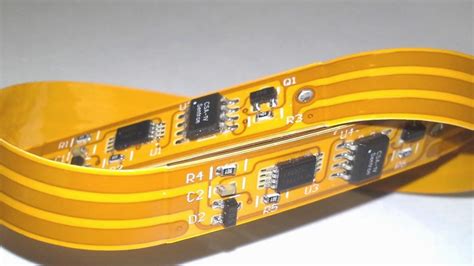
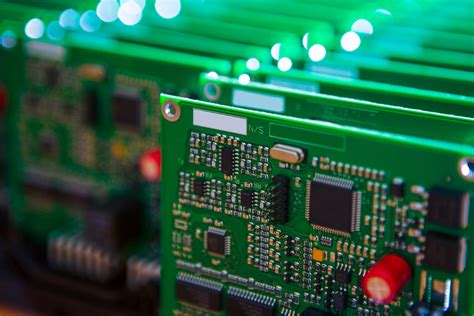
Circuit board assembly services are an essential aspect of the electronics industry. They
involve the process of assembling electronic components onto a printed circuit board (PCB)
to create a functional electronic device. The process of circuit board assembly involves a
series of steps, including component placement, soldering, and testing. These services are
offered by specialized companies that have the necessary equipment and expertise to handle
complex electronic assemblies.
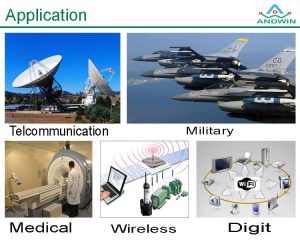
Circuit board assembly services are used in a wide range of industries, including
automotive, aerospace, medical, and telecommunications. These industries require high-
quality electronic components that are assembled with precision and accuracy to ensure
optimal performance and reliability. Circuit board assembly services offer a cost-effective
and efficient solution for companies that need to outsource their electronic assembly
needs.

One of the main benefits of using circuit board assembly services is the ability to access
specialized expertise and equipment. These companies have highly trained technicians who
are skilled in the assembly of complex electronic components. They also have access to
state-of-the-art equipment and technology that allows them to produce high-quality
electronic assemblies with precision and accuracy.
Another benefit of using circuit board assembly services is the ability to reduce costs and
increase efficiency. Outsourcing electronic assembly needs can help companies save money on
equipment, labor, and training costs. It also allows them to focus on their core business
activities, such as product design and marketing, while leaving the assembly process to the
experts.
Circuit board assembly services also offer a range of customization options. These
companies can work with clients to design and assemble custom electronic components that
meet their specific needs. This allows companies to create unique products that stand out
in the market and offer a competitive advantage.
The process of circuit board assembly involves several steps, including component
placement, soldering, and testing. Component placement involves placing electronic
components onto the PCB according to a specific design. This requires precision and
accuracy to ensure that the components are placed in the correct location and orientation.
Soldering is the process of joining the electronic components to the PCB using solder. This
process requires specialized equipment and expertise to ensure that the solder joints are
strong and reliable. Soldering also requires careful attention to detail to avoid damaging
the components or the PCB.
Testing is the final step in the circuit board assembly process. This involves testing the
electronic components and the PCB to ensure that they are functioning correctly. Testing
can involve a range of techniques, including visual inspection, functional testing, and
environmental testing.
In conclusion, circuit board assembly services are an essential aspect of the electronics
industry. They offer a cost-effective and efficient solution for companies that need to
outsource their electronic assembly needs. These services provide access to specialized
expertise and equipment, customization options, and a range of testing capabilities. By
using circuit board assembly services, companies can reduce costs, increase efficiency, and
create high-quality electronic products that meet their specific needs.