Common Problems Encountered in PCB Drilling and Their Solutions
Introduction
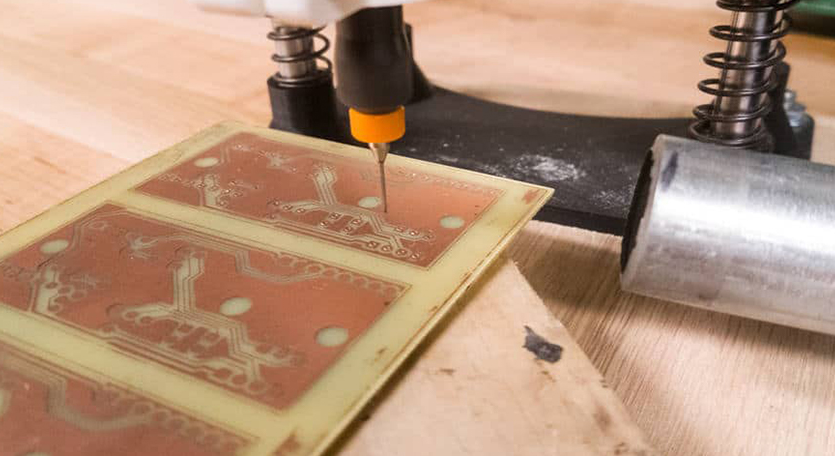
Printed Circuit Board (PCB) drilling is a critical process in PCB manufacturing that involves creating holes for through-hole components, vias, and mounting. Despite being a well-established process, PCB drilling presents numerous challenges that can affect board quality, production efficiency, and cost. This article examines the most common problems encountered during PCB drilling operations, their causes, and potential solutions to help manufacturers maintain high-quality standards while optimizing their production processes.
1. Drill Breakage
Causes:
Drill breakage is one of the most frequent and costly problems in PCB drilling operations. Several factors contribute to this issue:
- Excessive feed rate: Pushing the drill too hard into the material
- Incorrect spindle speed: Improper RPM settings for the drill diameter and material
- Worn or damaged drills: Using tools beyond their recommended lifespan
- Improper drill geometry: Unsuitable point angles or helix angles for the material
- Material inconsistencies: Variations in PCB laminate quality or composition
- Inadequate chip evacuation: Poor removal of drilling debris leading to clogging
Solutions:
- Optimize feed rates and spindle speeds based on drill diameter and material
- Implement strict tool life management with automatic replacement systems
- Use high-quality drills with appropriate geometry for the application
- Ensure proper chip evacuation through optimized peck drilling cycles
- Monitor drilling parameters in real-time with automated detection systems
2. Hole Wall Roughness and Smearing
Causes:
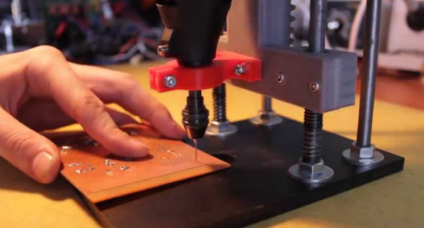
Rough hole walls can lead to plating problems and reduced reliability:
- Incorrect drill parameters: Improper speed/feed combinations
- Dull drills: Worn cutting edges tear rather than cut the material
- Material characteristics: Certain laminates (e.g., high Tg, RF materials) are prone to smearing
- Thermal effects: Excessive heat causing resin softening and redeposition
Solutions:
- Use sharp drills with appropriate coatings (e.g., diamond-like carbon)
- Optimize drilling parameters to balance productivity and quality
- Implement controlled peck drilling cycles to improve debris removal
- Consider specialized drill geometries for challenging materials
- Apply appropriate back-up and entry materials to minimize tear-out
3. Hole Location Accuracy Issues
Causes:
Inaccurate hole placement affects component assembly and board functionality:
- Machine calibration errors: Misaligned spindles or positioning systems
- Thermal effects: Machine expansion/contraction from temperature variations
- Material movement: Stress relief in the PCB laminate during processing
- Tool deflection: Especially problematic with small diameter drills
- Registration errors: Misalignment between drill files and board artwork
Solutions:
- Implement regular machine calibration and maintenance schedules
- Maintain stable environmental conditions in the drilling area
- Use stress-relieved materials and proper panel support
- Optimize drilling sequences to minimize cumulative errors
- Verify drill file alignment with optical recognition systems
4. Burr Formation
Causes:
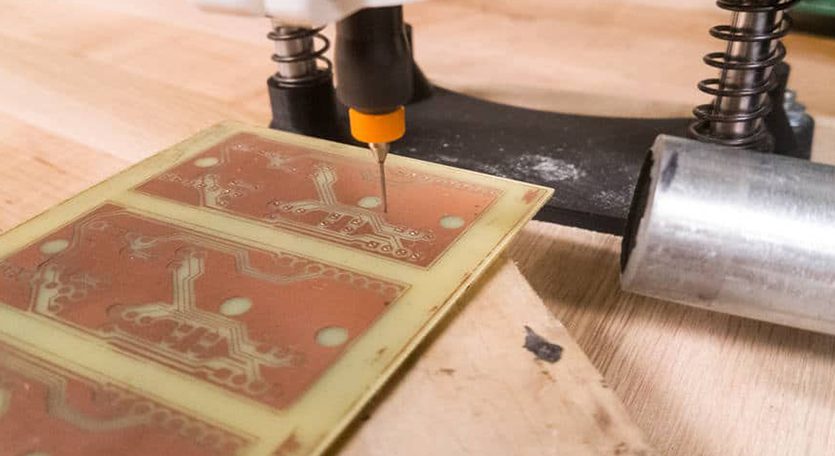
Burrs at hole entry and exit points can interfere with plating and assembly:
- Dull drill bits: Worn tools push material rather than cutting cleanly
- Inappropriate feed rates: Too fast or too slow can both cause burring
- Material properties: Some copper grades and laminate types burr more easily
- Inadequate support: Poor backing material selection or clamping
Solutions:
- Maintain sharp tools with proper regrinding procedures
- Optimize feed rates for specific material combinations
- Use appropriate entry and backup materials (e.g., aluminum foil, phenolic backup)
- Implement deburring processes when necessary
- Consider microgeometry optimized drills for burr reduction
5. Nail Heading
Causes:
Nail heading refers to the widening of holes at the entry point:
- Excessive feed rates: Particularly at hole entry
- Drill point geometry issues: Unsuitable angles for the material
- Tool deflection: More pronounced with small diameter drills
- Inadequate entry material: Poor support during initial penetration
Solutions:
- Optimize entry feed rates with controlled acceleration
- Use drills with appropriate point angles (typically 130° for PCBs)
- Implement stepped drilling cycles for critical holes
- Ensure proper entry material selection and application
6. Resin Re-deposition and Plugging
Causes:
Resin can redeposit in holes, creating obstructions:
- Excessive heat generation: Causes resin to melt and redeposit
- Inadequate chip evacuation: Allows material to accumulate in holes
- Material properties: Some high-resin content laminates are more prone
- Dull tools: Generate more heat and tear rather than cut
Solutions:
- Optimize peck drilling cycles for effective debris removal
- Use drills with polished flutes to reduce friction
- Consider specialized drill coatings to minimize resin adhesion
- Implement appropriate cleaning processes before plating
7. Drill Wear and Tool Life Issues
Causes:
Premature tool wear increases costs and affects quality:
- Abrasive materials: Glass-reinforced laminates wear tools quickly
- Improper parameters: Speed/feed combinations that accelerate wear
- Coolant issues: Inadequate or improper coolant application
- Poor quality tools: Inconsistent manufacturing or materials
Solutions:
- Implement tool life monitoring systems
- Use high-performance drill materials (e.g., micrograin carbide)
- Apply advanced coatings (TiAlN, diamond-like carbon)
- Optimize coolant delivery and composition
- Establish preventive replacement schedules
8. Hole Size Variations
Causes:
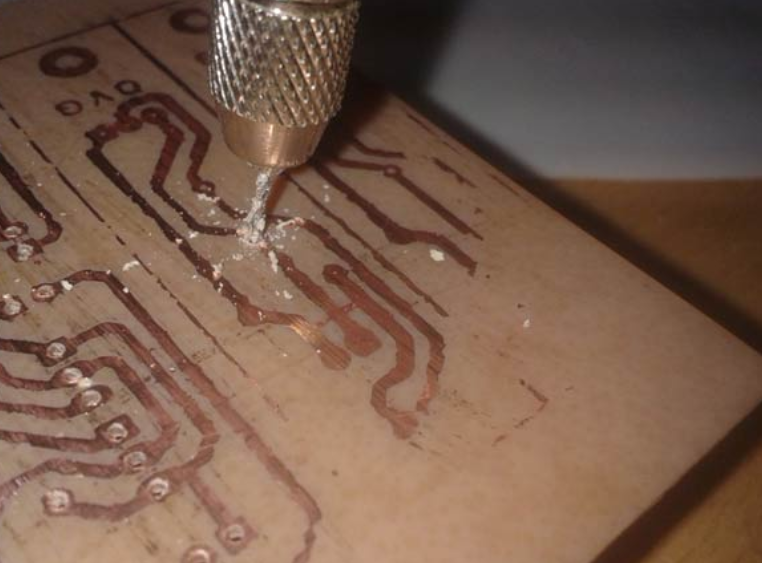
Inconsistent hole diameters affect plating and component fit:
- Tool wear: Drills gradually reduce in diameter with use
- Tool deflection: Especially with small diameter drills
- Thermal effects: Material and tool expansion
- Machine repeatability issues: Spindle runout or positioning errors
Solutions:
- Implement strict tool life management
- Use drills with controlled geometry for better size maintenance
- Maintain stable environmental conditions
- Regularly calibrate machine tools and spindles
- Consider adaptive drilling technologies that compensate for wear
9. Delamination and Hole Wall Damage
Causes:
Separation of laminate layers around holes:
- Excessive drilling forces: Too high feed rates or dull tools
- Material weaknesses: Poor laminate bonding or moisture absorption
- Thermal stress: Rapid heating/cooling during drilling
- Improper stack height: Too many panels drilled simultaneously
Solutions:
- Optimize drilling parameters for specific materials
- Ensure proper material storage and handling
- Use appropriate stack heights based on material and drill diameter
- Consider pre-baking moisture-sensitive materials
- Implement controlled drilling cycles with thermal management
10. Copper Burrs and Pull-up
Causes:
Copper foil deformation at hole edges:
- Dull tools: Push rather than cut copper cleanly
- Improper entry materials: Inadequate support during breakthrough
- Excessive feed rates: Particularly at hole exit
- Copper characteristics: Certain foil types more prone to deformation
Solutions:
- Maintain sharp tools with proper geometries for copper cutting
- Use appropriate entry and backup materials
- Optimize feed rates at entry and exit
- Consider drills with specialized copper-cutting geometries
Conclusion
PCB drilling presents numerous technical challenges that can significantly impact product quality and manufacturing efficiency. By understanding the root causes of common drilling problems—including drill breakage, hole wall roughness, location inaccuracies, burring, and tool wear—manufacturers can implement targeted solutions to optimize their processes. Key strategies include proper parameter selection, high-quality tooling, machine maintenance, environmental control, and continuous process monitoring.
As PCB technology advances with higher densities, smaller features, and more challenging materials, drilling processes must continue to evolve. Implementing the solutions discussed in this article will help manufacturers maintain high yields, reduce costs, and produce reliable PCBs that meet increasingly demanding specifications. Continuous improvement in drilling technology, combined with careful process control, remains essential for success in the competitive PCB manufacturing industry.