Dupont flex pcb material
Advantages Of Using DuPont Flex PCB Material In Modern Electronics
DuPont flex PCB material has become a cornerstone in the development of modern electronics, offering a range of advantages that cater to the evolving demands of the industry. As electronic devices continue to shrink in size while expanding in functionality, the need for materials that can support these advancements becomes increasingly critical. DuPont’s flex PCB material stands out due to its unique properties that address these challenges effectively.
One of the primary advantages of using DuPont flex PCB material is its exceptional flexibility.
This characteristic is particularly beneficial in applications where space is limited, and the design requires the circuit to bend or fold without compromising performance. For instance, in wearable technology, where comfort and adaptability are paramount, the flexibility of DuPont materials allows for seamless integration into fabrics and other substrates. This flexibility not only enhances the user experience but also opens up new possibilities for innovative product designs.
In addition to flexibility, DuPont flex PCB material is renowned for its durability.
Electronics are often subjected to harsh environments, including extreme temperatures, moisture, and mechanical stress. DuPont materials are engineered to withstand these conditions, ensuring the longevity and reliability of the electronic devices in which they are used. This durability is crucial in industries such as automotive and aerospace, where failure is not an option, and components must perform consistently over extended periods.
Moreover, DuPont flex PCB material offers excellent electrical performance, which is essential for maintaining signal integrity in high-speed applications.
As devices become more complex, the need for materials that can support rapid data transmission without loss or interference becomes more pronounced. DuPont’s materials are designed to minimize signal loss and crosstalk, thereby enhancing the overall performance of the electronic system. This capability is particularly important in telecommunications and data processing, where efficiency and speed are critical.
Another significant advantage of DuPont flex PCB material is its lightweight nature.
As the demand for portable and lightweight devices grows, the materials used in their construction must contribute to reducing the overall weight without sacrificing functionality. DuPont’s materials achieve this balance, making them ideal for use in mobile devices, drones, and other applications where weight is a critical factor. The reduction in weight not only improves the portability of these devices but also contributes to energy efficiency, as lighter devices typically require less power to operate.
Furthermore, DuPont flex PCB material is compatible with a wide range of manufacturing processes, which enhances its versatility.
This compatibility allows manufacturers to integrate these materials into existing production lines with minimal adjustments, thereby reducing costs and time to market. The ease of integration is a significant advantage in a competitive industry where speed and efficiency are paramount.
In conclusion, the advantages of using DuPont flex PCB material in modern electronics are manifold. Its flexibility, durability, excellent electrical performance, lightweight nature, and manufacturing compatibility make it an ideal choice for a wide range of applications. As the electronics industry continues to evolve, the demand for materials that can meet the challenges of modern design and functionality will only increase. DuPont’s flex PCB material is well-positioned to meet these demands, providing a reliable foundation for the next generation of electronic devices.
Comparing DuPont Flex PCB Material To Traditional Rigid PCBs
In the ever-evolving landscape of electronics, the choice of materials plays a pivotal role in determining the performance, reliability, and versatility of printed circuit boards (PCBs). Among the myriad of options available, DuPont flex PCB material has emerged as a significant contender, offering distinct advantages over traditional rigid PCBs. To understand the comparative benefits, it is essential to delve into the characteristics and applications of both types of materials.
DuPont flex PCB material is renowned for its flexibility, which is a stark contrast to the rigid nature of traditional PCBs.
This flexibility is not merely a physical attribute but a functional advantage that allows for innovative design possibilities. Flex PCBs can be bent, folded, and twisted without compromising their electrical integrity, making them ideal for applications where space is constrained or where the board must conform to a specific shape. This adaptability is particularly beneficial in modern electronics, such as wearable devices, smartphones, and medical equipment, where compactness and durability are paramount.
In addition to flexibility, DuPont flex PCB material offers enhanced thermal management capabilities.
The material’s ability to dissipate heat efficiently is crucial in high-performance applications where excessive heat can lead to component failure. This thermal advantage is complemented by the material’s lightweight nature, which contributes to the overall reduction in the weight of electronic devices. Consequently, this makes flex PCBs an attractive option for aerospace and automotive industries, where weight reduction is a critical factor.
On the other hand, traditional rigid PCBs have been the backbone of electronic devices for decades, offering a stable and robust platform for mounting components.
Their rigidity provides structural support, which is advantageous in applications where mechanical stability is required. Moreover, rigid PCBs are generally easier to manufacture in large volumes, making them cost-effective for mass production. This economic benefit is a significant consideration for consumer electronics, where cost efficiency is a driving factor.
However, the rigidity of traditional PCBs can be a limitation in dynamic environments.
Unlike flex PCBs, rigid boards cannot withstand repeated mechanical stress, which can lead to fractures and failures over time. This limitation is particularly evident in applications that require frequent movement or where the device is subject to constant vibration. In such scenarios, the durability and resilience of DuPont flex PCB material provide a distinct advantage.
Furthermore, the integration of DuPont flex PCB material into hybrid designs, which combine both rigid and flexible elements, offers a compelling solution that leverages the strengths of both materials. These hybrid PCBs provide the structural support of rigid boards while incorporating the flexibility of flex materials in areas that require movement or bending. This synergy allows for more complex and compact designs, pushing the boundaries of what is possible in electronic device engineering.
In conclusion, while traditional rigid PCBs continue to serve a vital role in the electronics industry, the unique properties of DuPont flex PCB material present compelling advantages in specific applications. The choice between these materials ultimately depends on the specific requirements of the project, including factors such as flexibility, thermal management, weight, and cost. As technology continues to advance, the ability to select the appropriate PCB material will remain a critical factor in the successful development of innovative electronic devices.
Innovations In DuPont Flex PCB Material For Wearable Technology
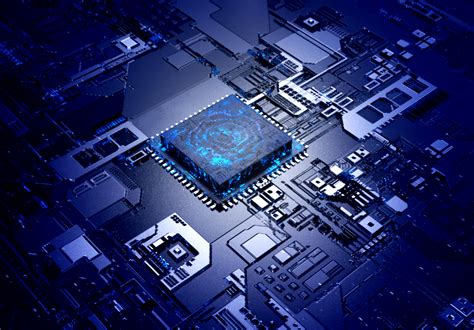
In recent years, the rapid advancement of wearable technology has necessitated the development of innovative materials that can meet the unique demands of these devices. Among the leaders in this field, DuPont has emerged as a pioneer with its cutting-edge flex PCB (Printed Circuit Board) materials.
These materials are crucial in the design and functionality of wearable technology, offering a blend of flexibility, durability, and performance that traditional rigid PCBs cannot provide. As wearable devices become more sophisticated, the need for materials that can withstand the rigors of daily use while maintaining high performance is paramount. DuPont’s flex PCB materials are engineered to address these challenges, providing a foundation for the next generation of wearable technology.
One of the key innovations in DuPont’s flex PCB materials is their exceptional flexibility.
This characteristic is essential for wearable devices, which must conform to the contours of the human body. Unlike rigid PCBs, which can be cumbersome and uncomfortable, flex PCBs can bend and twist without compromising their functionality. This flexibility is achieved through the use of advanced polymers and substrates that maintain electrical integrity even under stress. Consequently, designers have greater freedom to create devices that are not only functional but also comfortable and aesthetically pleasing.
In addition to flexibility, DuPont’s flex PCB materials offer remarkable durability.
Wearable devices are often exposed to harsh environmental conditions, including moisture, temperature fluctuations, and physical impact. DuPont has addressed these challenges by developing materials that are resistant to such conditions, ensuring that the devices remain operational over extended periods. The incorporation of robust protective coatings and laminates further enhances the durability of these materials, safeguarding the delicate electronic components within the devices.
Moreover, DuPont’s flex PCB materials are designed to support high-density interconnects, which are essential for the miniaturization of wearable technology.
As devices become smaller and more complex, the need for materials that can accommodate intricate circuitry without sacrificing performance becomes increasingly important. DuPont’s materials facilitate the integration of multiple functions into a single, compact device, enabling the development of wearables that are both powerful and lightweight. This capability is particularly significant in applications such as health monitoring and fitness tracking, where precision and reliability are critical.
Furthermore, DuPont is committed to sustainability, and its flex PCB materials reflect this commitment.
The company has made strides in reducing the environmental impact of its products by utilizing eco-friendly manufacturing processes and materials. This approach not only aligns with global sustainability goals but also meets the growing consumer demand for environmentally responsible products. By prioritizing sustainability, DuPont is setting a standard for the industry and paving the way for the development of green technologies.
In conclusion, DuPont’s innovations in flex PCB materials are playing a pivotal role in the evolution of wearable technology. By offering a combination of flexibility, durability, high-density interconnect capability, and sustainability, these materials are enabling the creation of devices that are more advanced, reliable, and environmentally friendly. As the demand for wearable technology continues to grow, DuPont’s contributions will undoubtedly remain at the forefront, driving further advancements and shaping the future of this dynamic industry.
Environmental Impact And Sustainability Of DuPont Flex PCB Material
The environmental impact and sustainability of DuPont flex PCB material have become increasingly significant topics in the electronics industry, as manufacturers and consumers alike seek to balance technological advancement with ecological responsibility. DuPont, a leader in material science, has developed flex PCB materials that are not only high-performing but also designed with sustainability in mind. This focus on eco-friendly practices is crucial, given the growing demand for electronic devices and the corresponding increase in electronic waste.
To begin with, DuPont’s flex PCB materials are engineered to minimize environmental impact throughout their lifecycle.
The company employs a comprehensive approach that includes the selection of raw materials, manufacturing processes, and end-of-life disposal. By prioritizing the use of renewable resources and reducing the reliance on hazardous substances, DuPont aims to lessen the ecological footprint of its products. For instance, the incorporation of bio-based polymers and recyclable materials in the production of flex PCBs is a testament to DuPont’s commitment to sustainability.
Moreover, the manufacturing process of DuPont flex PCB materials is designed to be energy-efficient and to minimize waste.
Advanced production techniques, such as precision coating and lamination, help reduce material wastage and energy consumption. These methods not only enhance the performance and reliability of the flex PCBs but also contribute to a more sustainable manufacturing process. Additionally, DuPont has implemented stringent waste management protocols to ensure that any by-products generated during production are either recycled or disposed of in an environmentally responsible manner.
In addition to the production phase, the durability and longevity of DuPont flex PCB materials play a crucial role in their environmental impact.
By extending the lifespan of electronic devices, these materials help reduce the frequency of replacements and, consequently, the amount of electronic waste generated. The robust nature of DuPont’s flex PCBs ensures that they can withstand harsh operating conditions, thereby enhancing the overall sustainability of the devices in which they are used.
Furthermore, DuPont is actively involved in research and development to continuously improve the environmental performance of its flex PCB materials.
The company invests in innovative technologies and collaborates with industry partners to explore new ways of reducing the ecological impact of electronic components. This commitment to innovation is evident in DuPont’s efforts to develop materials that are not only recyclable but also biodegradable, offering a potential solution to the growing problem of electronic waste.
Transitioning to the end-of-life phase, DuPont emphasizes the importance of responsible disposal and recycling of flex PCB materials.
The company advocates for the implementation of circular economy principles, where materials are reused and recycled to create new products, thereby minimizing waste and conserving natural resources. By promoting recycling initiatives and providing guidance on the proper disposal of electronic components, DuPont aims to foster a more sustainable electronics industry.
In conclusion, the environmental impact and sustainability of DuPont flex PCB material are integral to the company’s mission of advancing technology while preserving the planet. Through the use of eco-friendly materials, energy-efficient manufacturing processes, and a focus on durability and recyclability, DuPont is setting a benchmark for sustainability in the electronics industry. As the demand for electronic devices continues to rise, the adoption of sustainable practices in the production and disposal of flex PCBs will be essential in mitigating the environmental challenges associated with electronic waste.