Elevating Electronic Design through Complex PCB Assembly Mastery
Key Takeaways
Mastering complex PCB assembly is crucial for enhancing electronic design. Understanding the intricate details of pcba processes not only streamlines production but also significantly improves the overall quality of electronic products. A profound comprehension of the foundational principles of pcb assembly allows engineers and manufacturers to identify potential pitfalls and avoid common challenges.
Furthermore, embracing best practices for precision in PCB assembly is vital to ensure that components are accurately placed and soldered, ultimately leading to improved performance and reliability in electronic devices. Incorporating innovative techniques can drastically enhance assembly times and reduce costs, making projects not only more feasible but also more scalable.
Quality control remains a cornerstone in complex PCB manufacturing, as it ensures that each unit meets stringent standards before reaching consumers. The integration of advanced tools plays a significant role in elevating assembly efficiency, facilitating smooth workflows, and minimizing errors.
"In the world of electronics, attention to detail in pcba is what sets successful projects apart from the rest."
As we navigate through the ever-changing landscape of electronic design, staying informed about future trends will help professionals adapt their strategies accordingly. Ultimately, mastering complex PCB assembly not only promotes successful electronic design but also paves the way for innovative solutions that can address emerging challenges in technology.
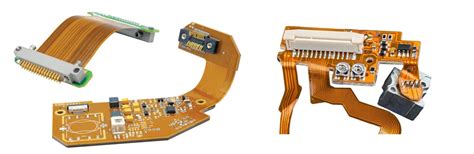
Understanding the Foundations of Complex PCB Assembly
Mastering complex PCB assembly is an essential step in elevating the field of electronic design. The foundation of PCB assembly lies in understanding the intricate relationship between various components, layouts, and production techniques. It involves a comprehensive grasp of how different materials and designs influence the performance and reliability of the final product. A well-executed PCBA begins with a well-thought-out design that takes into account factors such as thermal management, signal integrity, and manufacturing processes. Each aspect plays a critical role in achieving optimal functionality and durability.
Moreover, the integration of advanced technologies has revolutionized the PCB assembly landscape. For instance, utilizing computer-aided design (CAD) software not only streamlines the design process but also enables designers to spot potential issues long before production begins. Furthermore, understanding the complexities involved in supply chain logistics—such as sourcing components and managing inventory—greatly enhances efficiency. Ultimately, developing a solid foundation in these areas ensures that manufacturers can produce high-quality PCBA at scale while meeting stringent industry standards. This sets the stage for innovation by allowing designers to push boundaries while relying on robust assembly processes that empower complex electronic projects.
Best Practices for Precision in PCB Assembly
Achieving precision in PCB assembly is essential for ensuring the functionality and reliability of electronic devices. To elevate the quality of PCBA, incorporating several best practices can lead to significant enhancements in the assembly process. Firstly, it is crucial to maintain clean environments during assembly. Contaminants can compromise solder joint integrity, so implementing strict cleaning protocols is essential.
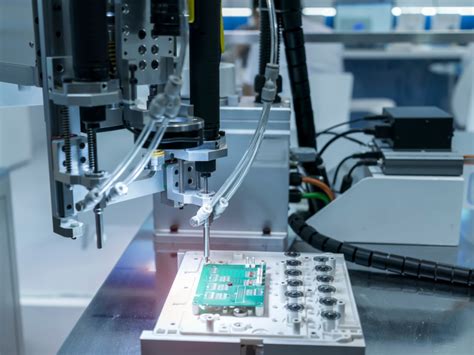
Furthermore, leveraging automated assembly techniques can substantially improve the accuracy of placements. Automated machines, equipped with precision vision systems, can significantly reduce human error and enhance repeatability in component placement. Regular calibration of these machines is paramount to ensure they maintain high standards of accuracy.
Another key aspect is thorough and ongoing training for assembly technicians. Well-trained personnel who understand the intricacies of the complexity involved in pcb assembly will naturally contribute to higher precision outcomes. Establishing a culture of continuous improvement allows teams to identify flaws early, making corrective actions faster and more effective.
To better understand these practices, here’s a summary table:
| Best Practice | Description |
|---|---|
| Clean Environments | Implementation of cleaning protocols to avoid contaminants |
| Automated Assembly | Use of automated machines for precise placements |
| Regular Calibration | Frequent calibration checks on equipment |
| Technician Training | Ongoing training for assembly personnel |
| Continuous Improvement Culture | Encouraging teams to identify and rectify errors promptly |
By integrating these best practices into daily operations, manufacturers can achieve higher levels of consistency and quality in pcb assembly, thereby ensuring that advanced electronic projects meet rigorous performance standards.
Innovative Techniques for Streamlined Assembly Processes
In the realm of pcb assembly, innovation plays a pivotal role in enhancing productivity and efficiency. One of the most groundbreaking approaches involves the utilization of automation technology. By integrating automated processes into PCBA workflows, manufacturers can significantly reduce the time spent on assembly while maintaining precision. This shift not only cuts down labor costs but also minimizes human error, leading to improved quality control. Furthermore, the adoption of advanced soldering techniques, such as laser soldering and selective soldering, allows for greater accuracy in connecting components on complex circuit boards. These innovations enable even the most intricate designs to be assembled with ease, ensuring that every connection is terminated securely and effectively. Another notable technique is the implementation of 3D printing for creating prototypes; this rapid prototyping enhances design iterations, ensuring that engineers can test and modify their layouts before final production runs. Such advancements not only facilitate a faster turnaround time but also ensure that pcba solutions meet stringent industry standards. By embracing these innovative techniques, electronic designers can streamline their assembly processes and enhance overall productivity in their projects.
Quality Control in Complex PCB Manufacturing
Quality control in complex PCB assembly plays a vital role in ensuring that every pcba meets the rigorous standards required for modern electronic devices. Implementing robust quality control measures allows manufacturers to detect defects early, thus minimizing waste and reducing production costs. Key practices include detailed inspections during the pcb assembly process, where each stage—from component placement to soldering—is monitored to adhere to strict tolerances and specifications. Utilizing automated optical inspection (AOI) systems, manufacturers can enhance their ability to identify potential issues that are often invisible to the naked eye. Emphasizing the importance of skilled personnel who are trained in best practices for handling sensitive components further strengthens quality assurance efforts. This multi-faceted approach not only promotes efficiency in production but also builds trust in the pcba output by ensuring high-quality products that meet or exceed customer expectations. Furthermore, continuous improvement processes, such as Six Sigma methodologies, can be implemented to refine quality control measures continuously, leading the way for innovations that enhance overall assembly performance and reliability. By prioritizing quality control within the complex PCB manufacturing framework, organizations can foster improved outcomes that contribute significantly to the success of advanced electronic projects.
The Role of Advanced Tools in Enhancing Assembly Efficiency
In the realm of pcb assembly, the integration of advanced tools has revolutionized the way manufacturers approach the assembly process. Tools that incorporate state-of-the-art technology, such as automated pick-and-place machines and sophisticated inspection systems, significantly improve the efficiency and precision of PCBA. These advanced instruments not only streamline production schedules but also minimize human error, thereby enhancing overall productivity. Utilizing software that integrates design with assembly capabilities allows engineers to predict potential issues before they arise, fostering a smoother workflow. Furthermore, advancements in PCB design software enable easier modifications and adjustments during the development phase, which enables rapid prototyping and increases adaptability in response to client needs. As technology continues to evolve, embracing these tools can provide a competitive edge in meeting the demanding requirements of modern electronic design projects. Ultimately, investing in these advanced tools is crucial for achieving high-quality outcomes and ensuring long-term success within the pcb assembly landscape.
Navigating Common Challenges in PCB Assembly
In the realm of pcb assembly, professionals often face a myriad of challenges that can impact the overall quality and efficiency of their projects. One primary concern is the complexity associated with pcba design, which can lead to errors during the production phase if not adequately addressed. These errors may stem from factors such as mismatched component specifications or inadequate soldering techniques, which highlight the importance of referring to established best practices throughout the assembly process.
Additionally, maintaining a streamlined workflow is essential for reducing lead times and avoiding bottlenecks. Employing innovative techniques such as automated assembly processes can alleviate some of these pressures by enhancing precision and consistency in each step. It’s also critical to invest in robust quality control measures that ensure every unit meets stringent standards before reaching the market. As such, developing a comprehensive understanding of potential obstacles is vital for professionals in this field to elevate their skills and improve the overall pcb assembly outcome. By proactively navigating these challenges, engineers can effectively enhance their electronic designs while embracing the complexities inherent in pcba manufacturing.
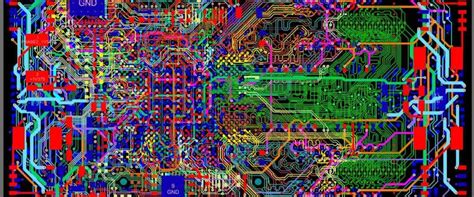
Future Trends in Electronic Design and PCB Innovation
As the demand for advanced electronic products continues to rise, the landscape of PCB assembly is undergoing significant transformation. Innovative technologies, such as automated assembly and smart manufacturing, are reshaping traditional PCB assembly processes, leading to heightened efficiency and precision. The integration of Internet of Things (IoT) solutions is facilitating real-time monitoring of manufacturing stages, allowing for immediate adjustments and minimizing errors. Furthermore, advancements in machine learning are enabling enhanced predictive maintenance, resulting in reduced downtime and improved production rates in PCBA. Another emerging trend is the emphasis on sustainability within electronic design; manufacturers are increasingly seeking environmentally friendly materials and processes that align with global eco-friendly initiatives. The rise of flexible circuit boards also paves the way for new applications, offering versatility that meets the needs of modern electronics. As these trends continue to evolve, staying abreast of innovations in complex PCB assembly will be crucial for designers aiming to deliver high-quality products that exceed market expectations.
Conclusion
In summary, mastering complex PCB assembly is instrumental in elevating electronic design to new heights. By understanding the foundations and best practices of PCB assembly, designers can enhance the precision and efficiency of their projects. The incorporation of innovative techniques not only streamlines the PCBA process but also fosters higher quality outcomes in complex electronic components. Effective quality control measures are essential, ensuring that every unit produced meets rigorous standards. Additionally, leveraging advanced tools plays a crucial role in optimizing assembly efficiency, addressing common challenges faced in manufacturing. Looking ahead, staying abreast of future trends in electronic design will be vital for those engaged in PCB assembly, as innovations continue to emerge, reshaping the landscape of modern electronics. As we conclude this exploration, it’s clear that a thorough grasp of complex PCBA processes is key to successful electronic project implementation and long-term advancement in this dynamic field.
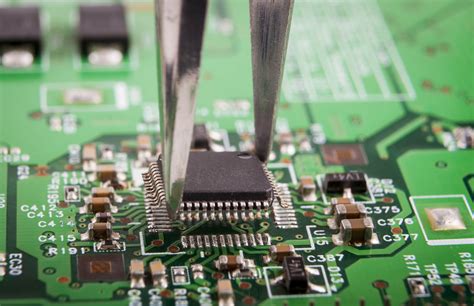
FAQs
What is complex PCB assembly?
Complex PCB assembly involves the intricate process of fitting and integrating multiple components into a printed circuit board (PCB) to create a fully functional electronic system. This includes managing various component sizes, types, and arrangements, as well as ensuring compatibility among different parts.
How does mastering PCB assembly improve my electronic design?
Mastering PCBA techniques can greatly enhance your electronic design by allowing for more efficient layout, improved signal integrity, and the ability to accommodate cutting-edge technology. This mastery leads to refined designs that function better and can be produced at a quicker rate.
What are some common challenges faced in PCB assembly?
Some common challenges in PCB assembly include component misalignment, soldering defects, and challenges in managing thermal properties. Understanding these issues allows for better quality control measures which improve the overall success of the assembly process.
Why is quality control important in complex PCB manufacturing?
Quality control is crucial in complex PCB manufacturing because it ensures that each assembled board meets the required specifications and functions correctly. This process helps prevent failures in the final product, thereby safeguarding a company’s reputation and customer satisfaction.
How can advanced tools enhance PCB assembly efficiency?
Advanced tools such as automated pick-and-place machines and advanced inspection systems streamline the pcba process by increasing speed and accuracy. These tools not only minimize human error but also allow for greater flexibility in processing various designs.
For more insights on complex pcb assembly, please visit our page: