Essential Insights into Industrial PCB Manufacturing and Applications
Key Takeaways
Understanding industrial PCB manufacturing is essential for anyone involved in electronics, as it directly impacts the reliability and performance of a variety of applications. Many PCB manufacturing companies focus on optimizing their processes to reduce the PCB manufacturing cost, which is crucial for staying competitive in today’s market. Whether you are venturing into a new PCB manufacturing business or enhancing an existing one, grasping these key takeaways will help you make informed decisions.
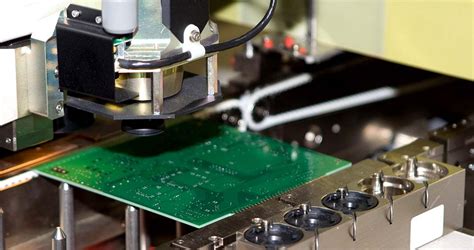
Firstly, the processes involved in PCB production are diverse and include etching, soldering, and laminating. Each step is critical in ensuring the final product meets quality standards. It’s also important to recognize that emerging technologies are redefining these processes. For instance, advancements such as automated assembly and precise inspection techniques boost both efficiency and accuracy.
In various industries—from automotive to telecommunications—the applications of industrial PCBs are extensive. These boards form the backbone of numerous electronic devices, thus playing a pivotal role in operational success. By selecting reliable manufacturers and understanding their capabilities, you can align your projects with the most suitable manufacturing solutions.
Here’s a brief table summarizing some major factors relevant to choosing a PCB manufacturer:
| Factor | Importance |
|---|---|
| Quality Control | Ensures reliability and performance |
| Manufacturing Cost | Direct impact on overall project budget |
| Turnaround Time | Affects product launch schedules |
| Technology Used | Influences design capabilities and end results |
In conclusion, familiarity with industrial PCB manufacturing intricacies will not only enhance your understanding but also improve your decision-making capacity when it comes to selecting manufacturers or optimizing designs for specific applications. For further insights into PCB solutions, visit Andwin PCB.
Introduction to Industrial PCB Manufacturing
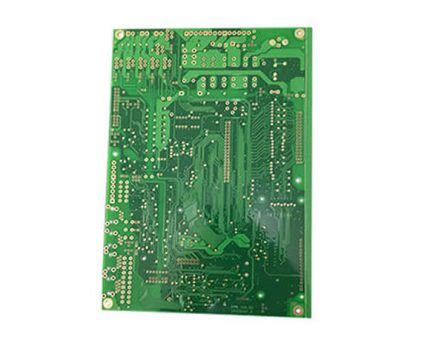
In today’s fast-paced industrial landscape, PCB manufacturing has emerged as a cornerstone of modern technology. Understanding the intricacies of industrial PCB production is essential, as it directly influences the performance and reliability of various industrial applications. When you delve into the world of pcb manufacturing, you’ll discover that it’s not merely about creating a circuit board; it’s an elaborate process involving multiple steps, from design to assembly.
The role of pcb manufacturing companies cannot be overstated, as they play a vital part in ensuring that each component meets stringent quality standards. You need to consider factors such as material selection, layer count, and surface finish, all of which contribute to the overall pcb manufacturing cost. For those looking to establish a pcb manufacturing business, understanding these core elements is crucial for success and competitiveness in a crowded marketplace.
The efficiency and effectiveness in the SMPPB (standard multi-layer printed boards) production process will ultimately determine how well these boards perform in demanding environments. Therefore, collaborating with reputable pcb manufacturing companies allows you to leverage their expertise in optimizing designs for enhanced functionality and durability, thus yielding better long-term outcomes for your industry-specific needs.
Key Processes in Industrial PCB Production
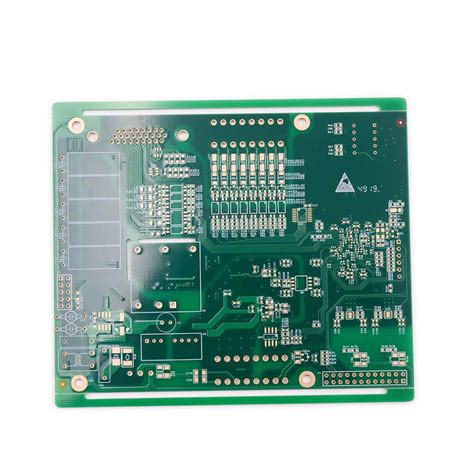
In the realm of PCB manufacturing, a thorough understanding of the key processes involved is essential for achieving high-quality outcomes. You will encounter several stages that drive the efficiency and efficacy of PCB production. Initially, design layout is critical, as it sets the blueprint for the physical structure and functionality of the PCB. Using sophisticated Computer-Aided Design (CAD) tools can help streamline this process. After finalizing the design, material selection comes into play, which involves choosing materials like FR-4 epoxy glass or polyimide to ensure durability and performance under demanding conditions.
Following design and materials selection, photolithography is employed to create intricate patterns on the copper layers. This process requires precision to maintain signal integrity, which is paramount in industrial applications where reliability is non-negotiable. After developing these patterns, non-etched areas are treated through a chemical etching process that cleans excess copper, leading to well-defined circuit layouts.
One particularly effective tip to keep in mind: “Engage with reputable PCB manufacturing companies that offer comprehensive services from prototyping to full-scale production; this can significantly reduce your overall PCB manufacturing cost by optimizing resource allocation and minimizing errors.”
Moreover, as production continues through stages such as drilling and plating, you should remain aware that quality control measures are integral throughout these processes. By incorporating strict testing protocols such as Automated Optical Inspection (AOI) or X-Ray inspection before final assembly and shipment ensures that each PCB not only meets but exceeds industrial standards.
Ultimately, your experience within the PCB manufacturing business hinges on mastering these processes while collaborating effectively with other industry professionals to stay ahead of technological advancements. Implementing efficient methods can lead not only to cost savings but also enhance product performance in various applications across different sectors.
Technologies Driving Industrial PCB Performance
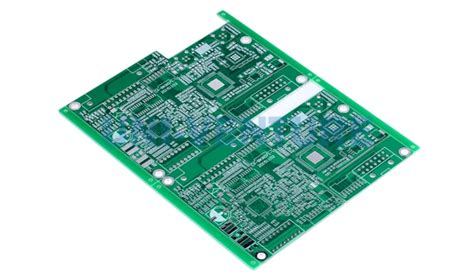
In the realm of pcb manufacturing, a multitude of technologies plays a pivotal role in enhancing the performance and reliability of industrial PCBs. As you navigate through the processes, you’ll encounter innovations such as surface mount technology (SMT) and advanced printing techniques, which have significantly improved the efficiency and density of circuit designs. Moreover, automation in pcb manufacturing has notably reduced human error, thus ensuring higher precision and consistency across production batches. By leveraging newer materials, such as high-frequency laminate substrates, you can optimize thermal management and electrical performance. Additionally, with regard to pcb manufacturing companies, many are now focusing on developing eco-friendly materials to address sustainability concerns while maintaining performance standards. On the business side, understanding the nuances of pcb manufacturing costs—including aspects like material selection and production scale—can provide you with valuable insights that directly impact your profitability. By incorporating these cutting-edge technologies into your operations or products, you not only enhance your capabilities but also position yourself favorably within an increasingly competitive pcb manufacturing business landscape.
Applications of Industrial PCBs in Various Industries
Industrial PCBs (Printed Circuit Boards) serve a vital role across an array of sectors, providing essential solutions that ensure performance, efficiency, and reliability. In the pcb manufacturing sector, diverse industries leverage these components for their unique needs. For instance, the automotive industry relies heavily on PCBs for control systems and advanced driver-assistance systems, making them critical for enhancing vehicle safety and functionality. Meanwhile, the telecommunications field utilizes PCB manufacturing companies to develop high-speed network equipment that supports seamless connectivity in a rapidly evolving digital landscape. The aerospace industry also benefits from the robust nature of industrial PCBs, which are designed to withstand extreme conditions, thereby ensuring operational safety in flights.
Moreover, your application of industrial PCBs can extend to medical devices where precise technology is paramount. The integration of reliable PCBs is crucial in devices like MRI machines and pacemakers which require exceptional performance without failure. When contemplating pcb manufacturing costs, it is important to recognize that investing in high-quality components leads to better long-term outcomes. In your pcb manufacturing business, targeting such sectors not only ensures a steady demand but also enhances your reputation through successful projects that showcase the reliability and functionality of your products.
In summary, understanding the diverse applications of industrial PCBs allows you to tap into various markets effectively while positioning your business for growth and innovation. These applications demonstrate how crucial well-manufactured PCBs are across multiple domains, ultimately driving technological advancements and improving operational efficiencies within industries that rely on them.
Ensuring Reliability in Industrial PCB Designs
When it comes to PCB manufacturing, ensuring the reliability of your design is paramount. As you delve into the complexities of industrial PCB manufacturing, you should prioritize several key factors that dictate the performance and longevity of your PCBs. First, consider the materials used; selecting high-quality substrates, such as FR-4 or polyimide, is crucial as they can greatly influence heat resistance and electrical insulation. It’s also essential to collaborate with reputable PCB manufacturing companies that adhere to stringent quality standards, thus reducing the risk of defects that may emerge during production.
Another significant aspect in your pursuit of reliability is understanding PCB manufacturing costs. While it can be tempting to opt for the cheapest options, investing in robust engineering practices and thorough testing phases can yield better long-term results. This approach not only enhances durability but also minimizes potential failures in industrial settings where performance is critical.
Active consideration of design methodologies such as redundant pathways, appropriate component spacing, and proper thermal management should be integrated into your design process. These elements ensure that even if one part fails, it does not compromise the overall functionality of your system. Adopting best practices in soldering techniques and implementing thorough testing protocols further solidifies the reliability aspect.
Ultimately, cultivating a strong relationship with your selected pcb manufacturing business will facilitate smoother communication regarding design adjustments and material choices, equipping you with a foundation for resilience and performance in various applications. Making informed decisions in these areas will set you on a path towards producing PCBs that meet and exceed industry standards for reliability.
Innovations in Industrial PCB Manufacturing
In recent years, the field of pcb manufacturing has seen remarkable innovations that significantly enhance the efficiency and effectiveness of the production process. These advancements are largely driven by the increasing demands for higher performance and reliability in industrial applications. For you, understanding these innovations is essential, as they directly influence the pcb manufacturing cost and overall quality of the product.
One of the most notable trends is the adoption of advanced PCB manufacturing technologies, such as automated assembly processes and precision etching techniques. These technologies not only reduce labor costs but also improve accuracy in circuit design, ultimately leading to superior operational performance. You may also find that many pcb manufacturing companies are now integrating smart manufacturing concepts into their operations, leveraging data analytics and IoT solutions to optimize production lines.
Additionally, environmentally friendly materials and processes are becoming more prominent in the pcb manufacturing business, reflecting a growing commitment to sustainability among manufacturers. These changes not only help reduce waste but also meet stringent regulatory standards, making them appealing to industries that prioritize environmentally conscious practices. As you navigate through this rapidly evolving landscape, being aware of these innovative trends will empower you to make informed decisions about your industrial PCB needs and consider how they can enhance your own applications or projects.
Case Studies: Successful Uses of Industrial PCBs
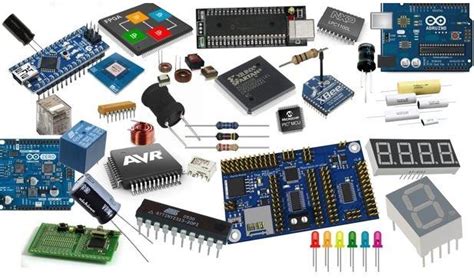
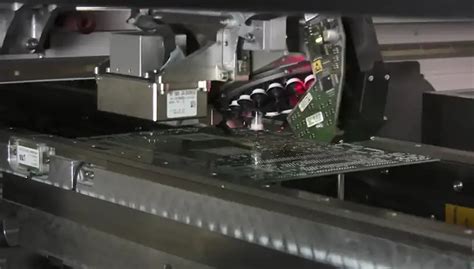
In various sectors, the implementation of industrial PCBs has proven to be a game-changer, showcasing their significance and versatility. For instance, in the automotive industry, pcb manufacturing has allowed for the development of advanced driver assistance systems (ADAS) that enhance safety and efficiency. Through collaboration with established pcb manufacturing companies, automakers have integrated sophisticated sensor technology into their vehicles, leading to improved performance and reliability. In the realm of aerospace, the rigorous demands for weight reduction and durability drive pcb manufacturing costs to be meticulously optimized. Companies have innovated to ensure that their designs withstand extreme conditions while maintaining functionality. One notable example involves a leading aerospace firm that utilized advanced pcb manufacturing techniques to create lightweight yet robust circuits for satellite communications. Such applications underline how strategic partnerships and forward-thinking approaches in the pcb manufacturing business can yield significant advancements across multiple industries. By studying these successes, it’s clear that understanding the dynamics of industrial PCB utilization is crucial for future innovations and operational excellence in technology-driven fields.
Conclusion
In summary, understanding the intricacies of industrial PCB manufacturing is imperative for anyone involved in the pcb manufacturing business. You have explored how pcb manufacturing companies implement various technologies and processes to ensure high-quality production. The pcb manufacturing cost can vary significantly based on design complexity and materials used, which sensitizes you to the financial aspects of your projects. By grasping the essential insights shared in this article, you are better equipped to make informed decisions that enhance reliability and performance in your applications. The evolving landscape of industrial PCBs offers numerous opportunities for innovation, allowing you to stay competitive in a rapidly changing market. With a sound grasp of these principles, you can leverage your knowledge effectively to foster growth and advancement in your operations.
FAQs
What is PCB manufacturing?
PCB manufacturing refers to the process of creating printed circuit boards (PCBs), which are essential components in electronic devices. This involves various stages like designing, fabricating, and assembling circuitry into a functional board.
What are typical costs associated with PCB manufacturing?
The pcb manufacturing cost can vary based on factors such as complexity, size, materials used, and volume. Generally, larger orders tend to reduce the per-unit cost significantly.
How do I choose a reliable PCB manufacturing company?
When selecting pcb manufacturing companies, consider their experience, reviews from previous clients, technological capabilities, and the quality of their materials. A reputable company should also provide transparent pricing and excellent customer support.
What are common applications for industrial PCBs?
Industrial PCBs are widely used in sectors like automotive, telecommunications, consumer electronics, and healthcare. They play a vital role in ensuring the performance and reliability of various devices used in these industries.
What factors influence the choice of PCB manufacturing processes?
The choice of processes in pcb manufacturing business often depends on the application requirements such as thermal management, electrical performance, and design complexity. You should analyze these aspects to select the most suitable production method.