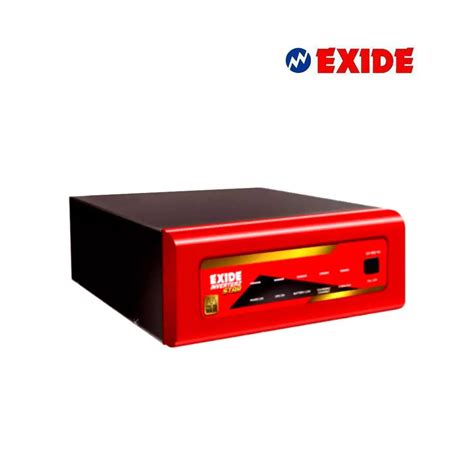
Exide Inverter PCB Price Guide: Authentic Components & Market Rates
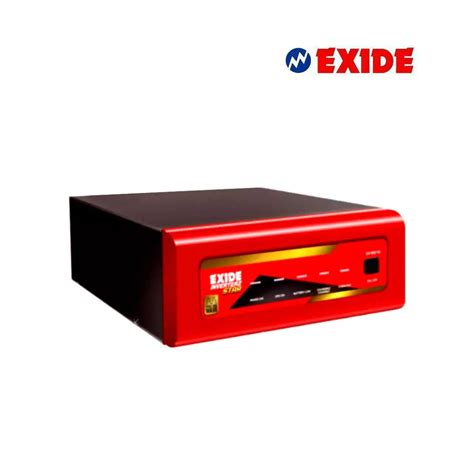
Key Takeaways
When evaluating Exide inverter PCB options, understanding pcb manufacturing fundamentals helps contextualize pricing. Authentic control cards typically start around ₹240, but pcb manufacturing cost varies based on material quality, design complexity, and supplier certifications. Reputable pcb manufacturing companies prioritize durable substrates and precision soldering, directly impacting component longevity.
| Factor | Genuine Exide PCB | Counterfeit PCB |
|---|---|---|
| Price Range (₹) | 240–600 | 150–300 |
| Warranty Coverage | 12–18 months | 0–3 months |
| Lifespan (Years) | 3–5 | 1–2 |
| Failure Rate | <8% | >35% |
For businesses in the pcb manufacturing business, sourcing OEM-certified driver boards ensures compatibility with Exide inverters. While lower upfront costs from unauthorized vendors might seem appealing, long-term maintenance expenses often offset initial savings. Prioritize suppliers with pan-India networks, as localized logistics reduce lead times and minimize damage risks during transit.
When comparing pcb manufacturing companies, verify ISO certifications and third-party testing reports to avoid counterfeit components. Authentic suppliers provide traceable serial numbers and technical support—critical for troubleshooting voltage irregularities or firmware mismatches. Always cross-reference market rates with real-time inventory updates to avoid outdated pricing traps.
Exide PCB Prices From 240
When sourcing PCB manufacturing components for your Exide inverter, prices typically start at ₹240 for basic models, though costs vary based on design complexity and supplier reliability. Reputable PCB manufacturing companies emphasize quality control, which directly impacts durability and performance. While lower-priced options might seem appealing, they often reflect compromises in materials or testing standards, leading to higher long-term PCB manufacturing cost from frequent replacements.
For example, OEM-grade driver boards may cost 15-20% more than generic alternatives, but they ensure compatibility and reduce failure risks. Always verify certifications like ISO markings or Exide-authorized partnership seals when purchasing. A trusted supplier’s PCB manufacturing business model should prioritize transparency—providing detailed breakdowns of material grades and warranty terms.
Tip: Request batch testing reports from suppliers to confirm component authenticity. Counterfeit parts often lack proper heat resistance, a critical factor in India’s fluctuating power conditions.
Pan-India availability has improved, but regional price disparities persist. Urban centers like Mumbai or Delhi often offer competitive rates due to concentrated supply chains, while remote areas may incur additional logistics fees. Balancing upfront costs with lifecycle value ensures optimal investment in your inverter’s performance.
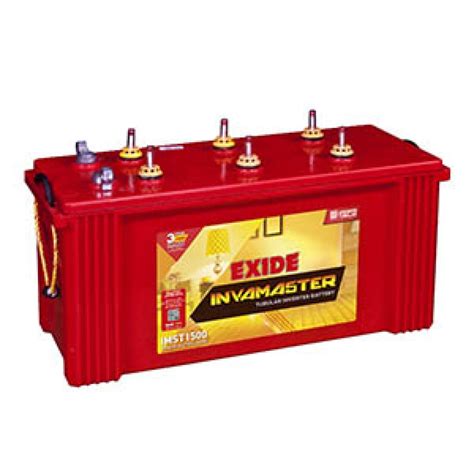
Authentic Exide Control Card Costs
When evaluating PCB manufacturing costs for authentic Exide control cards, you’ll notice prices typically start around ₹240 and scale based on technical specifications. These components are engineered to precise standards by certified PCB manufacturing companies, ensuring compatibility with Exide inverters. The higher upfront cost reflects rigorous quality testing, durable materials, and adherence to OEM design protocols—factors that directly impact long-term reliability.
While counterfeit alternatives might seem cheaper, they often lack the advanced circuitry or thermal resistance found in genuine parts. Reputable suppliers source control cards directly from authorized PCB manufacturing business partners, minimizing risks of system failures. Additionally, production scale and regional logistics influence PCB manufacturing cost variations—urban hubs may offer competitive rates due to centralized distribution networks, whereas remote areas might incur slight premiums.
For optimal performance, prioritize suppliers who provide traceable documentation and warranty coverage. This ensures your investment aligns with Exide’s performance benchmarks, reducing unexpected downtime. As you explore options, consider how certified suppliers integrate these components into broader maintenance plans—a topic that seamlessly transitions into understanding OEM driver board market dynamics.
OEM Exide Driver Board Market Rates
When sourcing OEM Exide driver boards, understanding market rates requires evaluating factors like PCB manufacturing cost, component quality, and supplier reliability. Genuine Exide driver boards typically range between ₹1,800 and ₹3,500, depending on the inverter model and regional pricing variations. Reputable PCB manufacturing companies prioritize high-grade materials and precision engineering, which directly impacts durability and performance. While lower-priced alternatives might seem appealing, they often compromise on thermal resistance or circuit integrity, leading to frequent failures.
To avoid counterfeit risks, verify suppliers’ certifications and inquire about their PCB manufacturing business practices. Established manufacturers adhere to Exide’s technical specifications, ensuring compatibility with your inverter system. Bulk purchases from authorized distributors may offer marginal discounts, but prioritize transparency in pricing breakdowns—labor, testing, and material costs should align with industry standards. Always cross-check warranty terms, as genuine OEM components often include longer coverage periods compared to generic replacements.
By balancing PCB manufacturing quality with competitive pricing, you secure long-term value for your inverter’s critical components.
Pan-India PCB Supplier Networks
When sourcing components like Exide inverter PCBs, accessing a reliable network of suppliers across India ensures you receive authentic parts without compromising on quality. PCB manufacturing companies with nationwide distribution channels often maintain standardized pricing (₹240 and above for base models), reducing regional cost disparities. These suppliers typically partner directly with OEMs, guaranteeing that driver boards and control cards meet factory specifications.
However, PCB manufacturing cost can vary based on order volume, material quality, and technical support services. Established networks leverage economies of scale, allowing you to procure components at competitive rates while minimizing logistical delays. For businesses, collaborating with certified PCB manufacturing business partners mitigates risks of counterfeit parts, which are prevalent in unregulated markets.
To verify authenticity, check for supplier certifications like ISO 9001 or Exide-authorized dealerships. Many pan-India providers also offer warranty-backed replacements, ensuring long-term reliability for your inverter systems. By prioritizing suppliers with transparent PCB manufacturing processes, you safeguard both performance and cost-efficiency across maintenance cycles.
Genuine vs. Counterfeit Exide Components
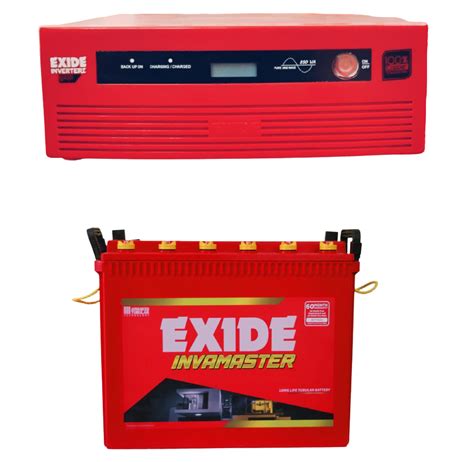
When sourcing replacement parts for your Exide inverter, distinguishing between genuine and counterfeit components becomes critical. While counterfeit PCBs may appear similar, they often lack the precision engineering and quality materials used in PCB manufacturing by authorized Exide partners. Low-cost imitations might save you money upfront but risk system failures, voided warranties, and safety hazards due to substandard PCB manufacturing cost optimizations.
Authentic Exide control boards undergo rigorous testing to meet performance standards, a practice rarely replicated by unauthorized PCB manufacturing companies. Genuine parts feature traceable serial numbers and anti-counterfeit holograms, ensuring compatibility with your inverter’s firmware. In contrast, counterfeit units often bypass quality checks inherent in legitimate PCB manufacturing business operations, leading to inconsistent soldering or incorrect voltage ratings.
To verify authenticity, cross-check supplier credentials with Exide’s authorized network and request material certifications. Reputable PCB manufacturing companies provide detailed component datasheets, while counterfeit sellers typically avoid transparency. Remember: investing in genuine parts reduces long-term maintenance costs and safeguards your inverter’s efficiency.
Exide PCB Maintenance Cost Guide
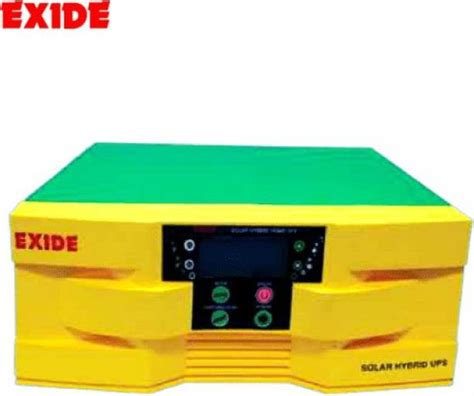
Understanding PCB manufacturing costs helps contextualize maintenance expenses for your Exide inverter. While genuine Exide control boards are precision-engineered, their upkeep depends on factors like component quality, labor charges, and regional service rates. OEM replacements typically cost 15–25% more than generic alternatives, but they ensure compatibility and longevity.
When sourcing parts, prioritize PCB manufacturing companies authorized by Exide to avoid counterfeit boards that escalate long-term repair costs. For instance, improper soldering or substandard materials in aftermarket PCBs can lead to frequent failures, doubling your annual maintenance budget.
The PCB manufacturing business model also influences pricing—authorized suppliers often bundle diagnostic services with component replacements, while third-party vendors may charge separately. Always request a breakdown covering labor, testing, and part procurement. Proactive measures like dust prevention and voltage stabilization can reduce wear, lowering your PCB manufacturing cost overhauls by up to 30%.
However, complex repairs—such as replacing driver ICs or reprogramming firmware—require specialized tools, increasing service fees. Compare quotes from multiple certified technicians and verify warranty terms for replaced components. This ensures transparency and aligns with the overall reliability expected from Exide’s ecosystem.
Trusted Exide Spare Parts Suppliers
When selecting suppliers for Exide inverter components, prioritize those specializing in PCB manufacturing with proven expertise in OEM-grade parts. Certified vendors often collaborate with established PCB manufacturing companies to source control cards and driver boards that meet strict quality benchmarks. This becomes especially critical when balancing PCB manufacturing cost against long-term reliability—substandard components may save upfront expenses but risk frequent breakdowns and voided warranties.
Look for suppliers offering traceable documentation, such as material certificates and compliance reports, to confirm authenticity. Many reputable distributors partner directly with PCB manufacturing business networks, ensuring access to updated designs aligned with Exide’s technical specifications. Additionally, verify their service coverage: pan-India suppliers with regional warehouses reduce delivery delays, while local technical support teams assist with installation or troubleshooting.
Always cross-check pricing against market averages—transparent suppliers explain cost variations based on raw material quality or testing protocols. Avoid vendors who cannot clarify how their PCB manufacturing processes align with Exide’s standards. By focusing on these factors, you secure components that optimize your inverter’s lifespan without compromising safety or efficiency.
Exide Inverter Component Availability Guide
When sourcing components for your Exide inverter, understanding availability hinges on reliable access to PCB manufacturing networks. Genuine Exide control cards and driver boards are distributed through authorized suppliers, but regional stock levels may vary due to demand cycles. Reputable PCB manufacturing companies often partner with OEMs to ensure consistent supply, though delays can occur if PCB manufacturing costs fluctuate or raw material shortages arise.
To avoid counterfeit risks, prioritize suppliers integrated with Exide’s certified production chains. These partners typically maintain pan-India inventories, reducing wait times for replacements. For instance, driver boards sourced directly from OEM-approved facilities often include traceable serial numbers, confirming authenticity. If you’re managing a PCB manufacturing business, aligning with Exide’s authorized distributors ensures access to bulk orders without compromising quality.
Pro tip: Verify supplier credentials by cross-checking their ties to registered PCB manufacturing hubs. This step helps mitigate inflated pricing or substandard components. Additionally, inquire about warranty coverage—authentic parts often include service guarantees, unlike generic alternatives. By balancing cost considerations with supply chain transparency, you can maintain your inverter’s performance while navigating market dynamics.
Conclusion
When evaluating your options for PCB manufacturing, it’s critical to balance cost and quality. Reputable PCB manufacturing companies prioritize precision and durability, factors that directly impact the longevity of components like Exide inverter PCBs. While PCB manufacturing cost varies based on material quality and design complexity, opting for OEM-certified parts ensures compatibility and reduces long-term maintenance expenses. For businesses, understanding the PCB manufacturing business ecosystem—from raw material sourcing to supplier networks—helps you identify trusted partners offering genuine components at competitive rates.
Always verify certifications and cross-check market rates before finalizing purchases. Whether replacing a control card or sourcing driver boards, prioritize suppliers with transparent pricing and pan-India service coverage. By aligning with established manufacturers, you safeguard against counterfeit risks while optimizing your inverter system’s performance. Remember: investing in authentic components today minimizes downtime and operational costs tomorrow.
FAQs
How do authentic Exide inverter PCBs differ from generic alternatives?
Genuine components undergo rigorous quality checks at authorized PCB manufacturing facilities, ensuring compatibility with Exide systems. Counterfeit parts often lack proper insulation and fail prematurely.
What factors influence PCB manufacturing cost for replacement control cards?
Material quality, circuit complexity, and order volume directly affect pricing. Reputable PCB manufacturing companies maintain transparency by providing detailed cost breakdowns for OEM components.
Can I source driver boards locally to reduce maintenance expenses?
While regional suppliers offer convenience, verify their affiliation with certified PCB manufacturing business networks. Cross-check component serial numbers through Exide’s online verification portal.
How does PCB manufacturing quality impact inverter performance?
Precision-etched boards from ISO-certified facilities prevent voltage fluctuations and thermal issues. Substandard manufacturing often leads to frequent tripping and reduced battery lifespan.
Are premium-priced PCBs always genuine?
Not necessarily. Some unethical sellers mark up counterfeit parts. Always request manufacturer certificates and warranty documents when purchasing high-cost components.
Need Custom PCB Solutions for Your Exide Inverter?
For specialized requirements or bulk orders, please click here to connect with certified PCB manufacturing partners offering tailored pricing and quality guarantees.