Fast-Turn Flex & Rigid PCB Manufacturing Solutions
Key Takeaways
When evaluating PCB manufacturing partners, understanding their core competencies ensures alignment with your project’s technical and logistical demands. Leading PCB manufacturing companies prioritize rapid prototyping and scalable production, enabling seamless transitions from low-volume testing to high-volume output. For projects requiring tight timelines, PCB manufacturing cost optimization often hinges on design-for-manufacturability (DFM) expertise—ensuring layouts minimize material waste and assembly complexity.
Specialized rigid-flex integration capabilities allow manufacturers to consolidate multi-board systems into unified designs, reducing PCB manufacturing business overheads linked to component sourcing and assembly. Look for partners offering real-time DFM feedback, which accelerates iteration cycles while preventing costly redesigns. Whether prototyping or scaling, balancing PCB manufacturing cost with performance requires suppliers who combine advanced fabrication technologies with transparent pricing models. By prioritizing vendors with accelerated timelines and space-saving design mastery, you secure solutions that align with both technical specifications and budgetary constraints.
Rapid Flex PCB Prototyping Services
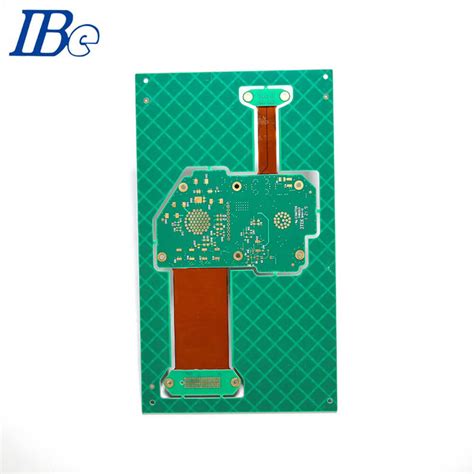
When your project demands agility without compromising quality, PCB manufacturing partners specializing in rapid flex circuit prototyping become indispensable. Leading PCB manufacturing companies leverage advanced laser direct imaging (LDI) and automated optical inspection (AOI) to slash lead times to 24–48 hours for initial prototypes. This speed is critical for industries like medical devices or aerospace, where iterative testing cycles dominate development phases.
Key advantages of partnering with a dedicated flex PCB prototyping service include:
| Factor | Impact |
|---|---|
| Material Selection | High-frequency laminates or polyimide films for thermal stability |
| Layer Stack-Up | 1-12 layers with hybrid rigid-flex configurations |
| Tolerance Control | ±2 mil line spacing, 0.1mm microvia drilling |
By optimizing PCB manufacturing cost through panel utilization and design-for-manufacturability (https://www.andwinpcba.com) can be adjusted early to prevent impedance mismatches in high-speed applications.
This approach aligns with the broader goals of a PCB manufacturing business, where reducing time-to-market directly correlates with competitive advantage. Whether validating a wearable tech concept or refining IoT sensor layouts, rapid prototyping bridges the gap between conceptual CAD models and full-scale high-volume flex PCB production.
US-Based Rigid-Flex PCB Production
When sourcing PCB manufacturing solutions for complex rigid-flex applications, partnering with domestic PCB manufacturing companies offers distinct advantages. Local production eliminates international shipping delays, ensuring faster turnaround times while maintaining strict quality control standards. U.S.-based facilities typically adhere to IPC-6013 and Class 3 specifications, critical for aerospace, medical, and defense applications where reliability is non-negotiable.
Tip: To optimize PCB manufacturing cost, consider consolidating layer counts during design reviews. Experienced manufacturers can recommend material substitutions without compromising performance.
Domestic PCB manufacturing business operations also simplify compliance with ITAR and other regulatory frameworks, reducing administrative hurdles for sensitive projects. Advanced capabilities like laser-drilled microvias and hybrid stack-ups enable seamless integration of rigid and flexible sections, crucial for modern electronics requiring miniaturization and durability. For high-volume needs, scalable production lines with automated optical inspection (AOI) ensure consistency across batches while meeting accelerated timelines.
By aligning with U.S.-based partners, you gain access to real-time collaboration during prototyping and volume runs, minimizing revisions through expert DFM support. This localized approach not only streamlines logistics but also strengthens supply chain resilience—a critical factor in industries where component traceability and rapid iteration are paramount.
Quick-Turn PCB Solutions for All Volumes
When scaling your electronics project, balancing speed and volume is critical. Leading PCB manufacturing companies specialize in delivering accelerated timelines without compromising quality, whether you require 10 prototypes or 10,000 production units. By leveraging advanced fabrication workflows, these providers optimize PCB manufacturing cost structures, ensuring affordability across low- and high-volume orders. For startups, this means rapid iteration of space-saving rigid-flex designs; for enterprises, it guarantees seamless scalability to meet market demands.
A trusted PCB manufacturing business will align its processes with your goals, offering tiered pricing models and flexible lead times. Automated quoting systems, paired with real-time production tracking, minimize delays and keep projects on budget. This flexibility ensures you avoid overpaying for excess capacity or sacrificing speed due to rigid order thresholds. Additionally, integrated PCB manufacturing workflows—from design validation to final testing—streamline transitions between prototyping and full-scale production, reducing time-to-market by up to 40%.
Whether you’re refining a medical device or ramping up automotive electronics, prioritizing quick-turn solutions ensures your supply chain remains agile. Partnering with experts who understand the nuances of volume-driven PCB manufacturing cost dynamics can unlock efficiencies that drive long-term competitiveness.
Space-Saving Rigid-Flex Design Expertise
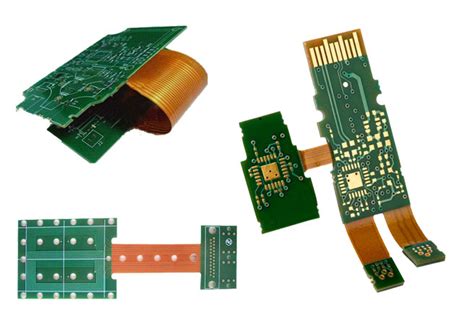
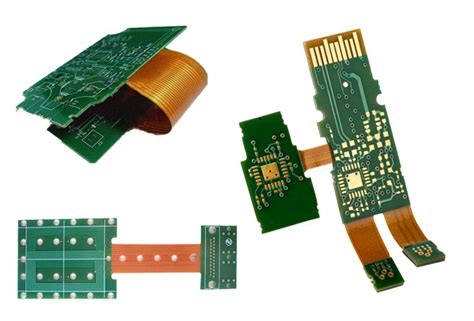
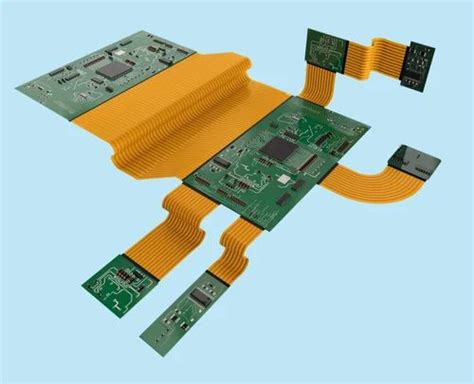
When optimizing electronic assemblies for compact applications, PCB manufacturing requires specialized expertise to balance performance with spatial constraints. Space-saving rigid-flex designs integrate rigid and flexible substrates into unified circuits, eliminating bulky connectors and reducing overall footprint by up to 60%. Leading PCB manufacturing companies achieve this through advanced layer-stacking techniques, precision routing, and material selection that ensures reliability under mechanical stress.
By leveraging 3D modeling and iterative prototyping, engineers refine designs to fit tightly into wearable tech, medical devices, or aerospace systems—applications where every millimeter matters. This approach not only minimizes PCB manufacturing cost by reducing material waste but also accelerates assembly timelines. For businesses scaling their PCB manufacturing business, rigid-flex solutions offer a competitive edge by enabling lighter, more durable products without compromising signal integrity.
Transitioning to rigid-flex designs demands collaboration with manufacturers skilled in design-for-manufacturability (DFM) analysis. Their feedback ensures bend radii, copper thickness, and stiffener placements align with both functional requirements and production feasibility, avoiding costly redesigns. Whether prototyping or scaling, prioritizing space efficiency early in the design phase maximizes ROI across high-mix, low-volume or mass-production scenarios.
Seamless Integration in PCB Manufacturing
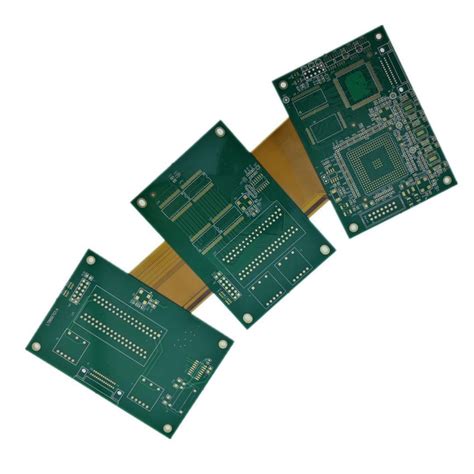
Achieving seamless integration in PCB manufacturing requires precision across design, material selection, and assembly processes. Leading PCB manufacturing companies prioritize unified workflows to eliminate compatibility gaps between rigid and flexible circuit layers, ensuring reliable signal transmission and mechanical stability. By integrating advanced simulation tools and automated assembly systems, manufacturers reduce human error while accelerating production timelines—critical for balancing PCB manufacturing cost and quality.
Your design’s success hinges on how well stack-up configurations and component placements align with fabrication capabilities. For instance, optimized via structures and adhesive technologies prevent delamination in rigid-flex designs, directly impacting long-term durability. This level of integration also minimizes post-production adjustments, lowering overheads for your PCB manufacturing business. Whether prototyping or scaling to high volumes, synchronized processes enable consistent performance across temperature fluctuations and dynamic bending cycles.
Transitioning between design and manufacturing phases becomes effortless when suppliers offer real-time DFM feedback, addressing potential bottlenecks before tooling begins. Such collaboration ensures your project meets both technical specifications and budgetary constraints without compromising on miniaturization or electrical performance—key factors in today’s competitive electronics landscape.
Expert DFM Support for Flex Circuits
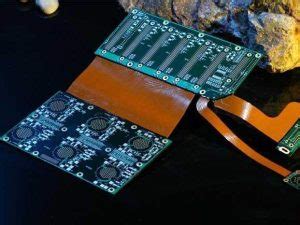
When designing flexible circuits, pcb manufacturing challenges often arise from complex geometries, material selection, and signal integrity requirements. This is where design for manufacturability (DFM) expertise becomes critical. Leading pcb manufacturing companies integrate DFM analysis early in the design phase to identify potential issues like inadequate bend radii, improper layer stacking, or thermal mismatches. By collaborating with engineers, they ensure your flex circuits meet both performance goals and production realities, minimizing costly redesigns.
For instance, pcb manufacturing cost optimization relies on DFM-driven adjustments such as panel utilization improvements or material substitutions that maintain reliability while reducing waste. Expert DFM support also addresses unique flex circuit demands—like dynamic flex zones or impedance control—ensuring seamless translation from design to production. This proactive approach not only accelerates timelines but also enhances yield rates, a key advantage in the competitive pcb manufacturing business. Whether you’re prototyping or scaling, DFM guidance ensures your flex designs align with manufacturing capabilities, delivering robust solutions without compromising innovation.
High-Volume Flex PCB Production
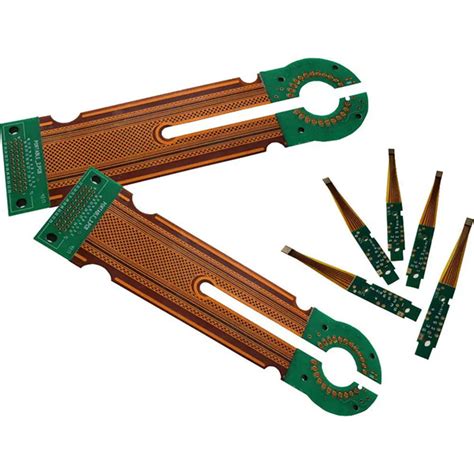
When scaling your electronics projects to high-volume demands, partnering with experienced PCB manufacturing companies ensures consistent quality and operational efficiency. Advanced flex PCB manufacturing processes leverage automated assembly lines and precision tooling to maintain tight tolerances across thousands of units, reducing defect rates while optimizing PCB manufacturing cost. For applications requiring durable, lightweight circuits—such as wearable tech or automotive systems—high-volume production demands rigorous material selection and process validation to avoid supply chain bottlenecks.
Leading manufacturers integrate real-time monitoring and statistical process control (SPC) to identify deviations early, ensuring your PCB manufacturing business avoids costly rework. They also employ panelization strategies to maximize substrate utilization, further lowering per-unit expenses. For industries with strict compliance requirements, such as medical devices, certified partners provide documentation traceability and accelerated testing protocols.
Transitioning from prototypes to mass production requires seamless coordination between design and fabrication teams. By aligning your design-for-manufacturability (DFM) feedback with scalable processes, you achieve faster time-to-market without compromising reliability. This approach not only streamlines PCB manufacturing workflows but also strengthens long-term partnerships for evolving product needs.
Accelerated PCB Manufacturing Timelines
When developing PCB manufacturing strategies, time efficiency directly impacts project success. Leading PCB manufacturing companies leverage advanced automation, synchronized workflows, and real-time monitoring to slash production cycles by up to 40% compared to traditional methods. By optimizing material procurement, panelization, and just-in-time assembly, these providers ensure prototypes reach your bench in as few as 24–48 hours, even for complex rigid-flex designs.
A critical factor in reducing PCB manufacturing cost lies in minimizing iterative delays. Modern fabrication facilities employ AI-driven design rule checks (DRC) to preemptively flag potential flaws, allowing engineers to refine layouts before tooling begins. This proactive approach not only accelerates timelines but also prevents costly mid-production revisions. For businesses scaling their PCB manufacturing business, such precision ensures seamless transitions from low-volume validation to high-rate output without compromising quality.
To maintain momentum, prioritize partners offering integrated supply chain management. By consolidating material sourcing, fabrication, and testing under one roof, vendors eliminate logistical bottlenecks that typically add weeks to delivery schedules. Real-time progress tracking further empowers you to align manufacturing milestones with broader product development goals, ensuring no critical path dependencies arise. Whether you’re iterating prototypes or ramping to full production, accelerated timelines transform how you respond to market demands.
Conclusion
When selecting a PCB manufacturing partner, balancing speed, quality, and cost-effectiveness is critical. Leading PCB manufacturing companies specialize in delivering rapid-turn solutions without compromising on reliability, ensuring your projects stay on schedule. By leveraging advanced technologies and design-for-manufacturability (DFM) insights, these providers streamline production cycles while optimizing PCB manufacturing cost—a key advantage for startups and enterprises alike.
For businesses scaling their PCB manufacturing business, partnering with a trusted manufacturer ensures seamless transitions from prototyping to high-volume runs. Whether you require space-saving rigid-flex designs or complex multilayer boards, expertise in material selection and thermal management directly impacts performance and longevity. Moreover, transparent communication throughout the process minimizes delays, allowing you to focus on innovation rather than logistics.
Ultimately, the right collaboration transforms how you approach PCB manufacturing, turning technical challenges into competitive advantages. By prioritizing suppliers with proven expertise in quick-turn capabilities and end-to-end integration, you secure not just components, but a foundation for scalable, future-ready electronics.
FAQs
How quickly can you deliver flex-rigid PCB prototypes?
Most PCB manufacturing companies require 5-7 days for prototypes, but specialized providers offer 48-hour turnaround for urgent projects. Lead times depend on design complexity and material availability.
What factors influence PCB manufacturing cost for rigid-flex designs?
Costs vary based on layer count, material selection (e.g., polyimide vs. FR4), and impedance control requirements. High-volume orders typically reduce per-unit expenses through economies of scale.
Why choose US-based PCB manufacturing for critical projects?
Domestic facilities provide tighter quality control, faster communication, and IP protection advantages. This minimizes risks in aerospace or medical PCB manufacturing business applications.
How do you ensure reliability in PCB manufacturing for high-temperature environments?
Advanced providers use thermal stress simulations during the prototyping phase and select materials with verified CTE (coefficient of thermal expansion) stability.
Can rigid-flex PCBs integrate with existing electronic assemblies?
Yes, expert PCB manufacturing companies employ 3D modeling tools to verify mechanical fit and signal integrity before production, ensuring seamless integration.
Ready to Streamline Your PCB Project?
For tailored solutions that balance PCB manufacturing cost and performance, please click here to consult our engineering team. We specialize in optimizing designs for manufacturability across all volumes.