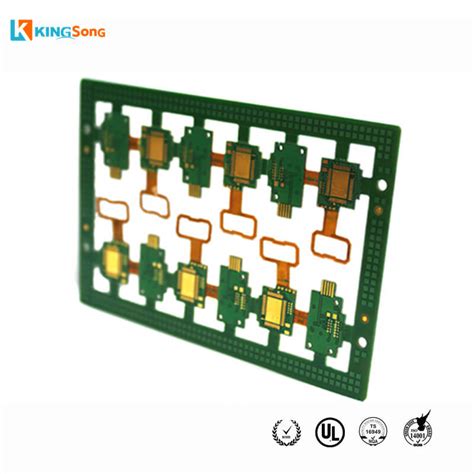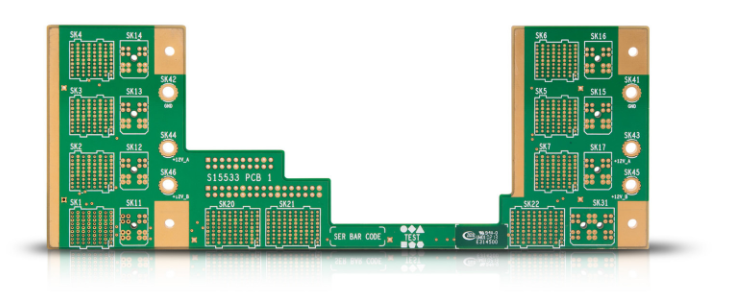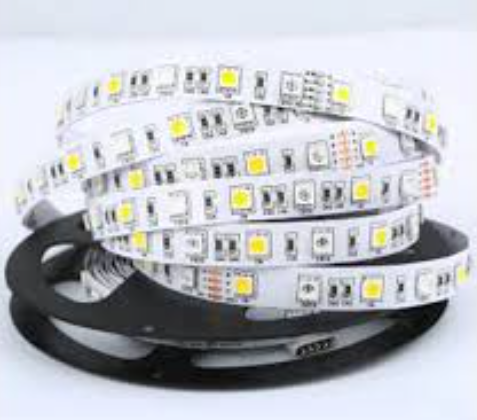
Flex pcb for led
Advantages Of Using Flex PCB for LED Lighting Systems
Flex PCBs, or flexible printed circuit boards, have become increasingly popular in LED lighting systems due to their numerous advantages.
One of the primary benefits of using flex PCBs in LED lighting is their inherent flexibility.
Unlike traditional rigid PCBs, flex PCBs can be bent, folded, and twisted to fit into unconventional spaces. This adaptability is particularly valuable in LED applications where the lighting needs to conform to various shapes and surfaces, such as in automotive lighting, wearable devices, and architectural installations.
Moreover, the lightweight nature of flex PCBs contributes to their appeal in LED lighting systems.
The reduced weight not only makes the installation process easier but also enhances the overall efficiency of the lighting system. This is especially important in applications where weight is a critical factor, such as in aerospace and portable electronic devices. Additionally, the thin profile of flex PCBs allows for more compact and streamlined designs, which is a significant advantage in modern electronic devices that prioritize sleek and minimalistic aesthetics.
Another significant advantage of flex PCBs in LED lighting systems is their improved thermal management capabilities.
LEDs generate heat during operation, and efficient heat dissipation is crucial to maintain their performance and longevity. Flex PCBs are often made from materials with excellent thermal conductivity, which helps in effectively dissipating heat away from the LEDs. This not only enhances the reliability of the LED lighting system but also extends the lifespan of the LEDs, resulting in cost savings over time.
Furthermore, the durability and reliability of flex PCBs make them an ideal choice for LED lighting systems.
Flex PCBs are designed to withstand mechanical stress, vibrations, and harsh environmental conditions, making them suitable for a wide range of applications. For instance, in automotive lighting, flex PCBs can endure the constant vibrations and temperature fluctuations experienced by vehicles. Similarly, in outdoor LED lighting installations, flex PCBs can resist moisture, dust, and other environmental factors, ensuring consistent performance and longevity.
In addition to their physical advantages, flex PCBs also offer significant electrical benefits.
The ability to design complex circuits on a single flex PCB reduces the need for multiple interconnections, which can introduce points of failure and increase the risk of electrical issues. This streamlined design not only enhances the reliability of the LED lighting system but also simplifies the manufacturing process, leading to reduced production costs and faster time-to-market.
Moreover, the use of flex PCBs in LED lighting systems allows for greater design flexibility and creativity.
Designers can create intricate and innovative lighting solutions that were previously not possible with rigid PCBs. This opens up new possibilities for customized lighting designs in various applications, from decorative lighting in homes and commercial spaces to specialized lighting solutions in medical and industrial settings.
In conclusion, the advantages of using flex PCBs in LED lighting systems are manifold. Their flexibility, lightweight nature, improved thermal management, durability, and electrical benefits make them an ideal choice for a wide range of applications. As technology continues to advance, the use of flex PCBs in LED lighting systems is likely to become even more prevalent, driving innovation and enhancing the performance and efficiency of lighting solutions across various industries.
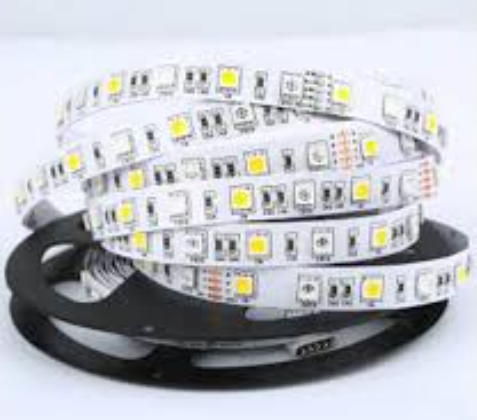
Design Considerations For Flex PCBs In LED Applications
When designing flexible printed circuit boards (flex PCBs) for LED applications, several critical considerations must be taken into account to ensure optimal performance and reliability. Flex PCBs offer numerous advantages, such as lightweight construction, space-saving capabilities, and enhanced durability, making them particularly suitable for LED applications. However, the unique requirements of LEDs necessitate careful planning and execution during the design phase.
To begin with, material selection is paramount.
Flex PCBs are typically made from polyimide or polyester films, which provide the necessary flexibility and thermal stability. Polyimide is often preferred due to its superior heat resistance, which is crucial for LED applications where heat dissipation is a significant concern. The choice of adhesive is equally important; it must withstand the thermal cycles and mechanical stresses that the flex PCB will encounter during its operational life.
Another critical aspect is the layout design.
The arrangement of the LED components on the flex PCB must be meticulously planned to ensure even light distribution and minimize shadowing effects. This involves precise placement of LEDs and careful routing of the conductive traces. The trace width and spacing must be optimized to handle the current requirements of the LEDs while minimizing resistance and potential signal loss. Additionally, the bend radius of the flex PCB should be considered to prevent mechanical stress and potential damage to the conductive traces.
Thermal management is another vital consideration in the design of flex PCBs for LED applications.
LEDs generate significant amounts of heat, which can adversely affect their performance and longevity if not properly managed. Incorporating thermal vias, heat sinks, or thermal pads into the flex PCB design can help dissipate heat more effectively. Moreover, selecting materials with high thermal conductivity can further enhance heat dissipation, ensuring that the LEDs operate within their optimal temperature range.
Electrical performance is also a key factor in the design of flex PCBs for LED applications.
Ensuring low electrical resistance and minimal signal interference is essential for maintaining the efficiency and reliability of the LED system. This can be achieved by using high-quality conductive materials, such as copper, and implementing proper grounding techniques. Additionally, the use of impedance control and shielding can help mitigate electromagnetic interference (EMI) and ensure stable electrical performance.
Mechanical reliability is another crucial consideration.
Flex PCBs are often subjected to repeated bending and flexing, which can lead to mechanical fatigue and failure over time. To enhance the mechanical reliability of the flex PCB, it is essential to design with appropriate bend radii and avoid sharp corners or stress points. Reinforcing areas that are prone to mechanical stress with additional layers or stiffeners can also help improve durability.
Finally, manufacturability and cost-effectiveness must be taken into account.
While flex PCBs offer numerous advantages, they can be more complex and costly to manufacture compared to traditional rigid PCBs. Therefore, it is important to work closely with experienced manufacturers to ensure that the design is optimized for production without compromising on quality or performance. This includes considering factors such as panel utilization, material costs, and assembly processes.
In conclusion, designing flex PCBs for LED applications requires a comprehensive understanding of the unique requirements and challenges associated with LEDs. By carefully considering factors such as material selection, layout design, thermal management, electrical performance, mechanical reliability, and manufacturability, designers can create flex PCBs that deliver superior performance and reliability in LED applications. Through meticulous planning and collaboration with experienced manufacturers, it is possible to harness the full potential of flex PCBs to enhance the efficiency and longevity of LED systems.
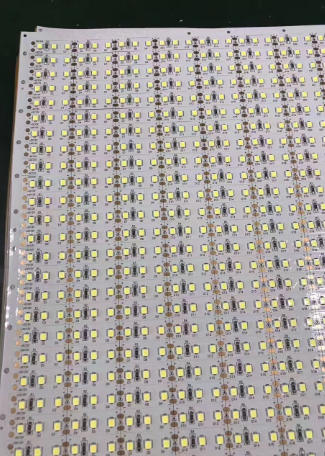
Manufacturing Process Of Flex PCBs For LED Lights
The manufacturing process of flexible printed circuit boards (Flex PCBs) for LED lights involves a series of meticulously coordinated steps, each crucial to ensuring the final product’s reliability and performance. Flex PCBs are favored in LED applications due to their ability to conform to various shapes and spaces, offering enhanced design flexibility and durability. The process begins with the selection of appropriate materials, typically involving a flexible substrate such as polyimide, which provides the necessary flexibility and thermal stability.
Once the substrate is chosen, the next step involves the application of a conductive layer, usually copper, onto the substrate.
This is achieved through a process known as lamination, where the copper foil is bonded to the substrate under heat and pressure. Following lamination, the copper layer undergoes a photoresist application. A photoresist is a light-sensitive material that, when exposed to ultraviolet (UV) light through a photomask, hardens in the exposed areas. The photomask contains the desired circuit pattern, and the UV exposure transfers this pattern onto the photoresist-coated copper layer.
Subsequently, the board undergoes a development process where the unexposed photoresist is washed away, revealing the underlying copper.
The exposed copper is then etched away using a chemical solution, leaving behind the desired circuit pattern protected by the hardened photoresist. After etching, the remaining photoresist is stripped away, exposing the final copper circuit pattern on the flexible substrate.
To ensure the Flex PCB can withstand the rigors of LED applications, it undergoes a series of additional treatments.
One such treatment is the application of a solder mask, which is a protective layer that insulates the copper traces and prevents short circuits. The solder mask is typically applied through a screen-printing process and then cured using UV light or heat. This step is crucial for protecting the circuit during soldering and operation.
Following the application of the solder mask, the Flex PCB is subjected to surface finishing processes
. These processes involve coating the exposed copper pads with a material that enhances solderability and protects against oxidation. Common surface finishes include Hot Air Solder Leveling (HASL), Electroless Nickel Immersion Gold (ENIG), and Organic Solderability Preservatives (OSP). Each finish has its advantages, with ENIG being particularly favored for its excellent surface planarity and long shelf life.
The next phase in the manufacturing process is the drilling of holes
, which are necessary for component mounting and electrical connections between different layers of the PCB. Advanced laser drilling techniques are often employed for Flex PCBs due to their precision and ability to handle the delicate nature of flexible substrates. Once the holes are drilled, they are plated with copper to establish electrical connectivity.
Finally, the Flex PCB undergoes a series of rigorous testing procedures to ensure its functionality and reliability.
Electrical testing verifies the integrity of the circuit connections, while mechanical testing assesses the board’s flexibility and durability under various conditions. Any defects identified during testing are addressed through rework or, if necessary, the board is discarded.
In conclusion, the manufacturing process of Flex PCBs for LED lights is a complex and precise endeavor that involves multiple stages, each critical to the final product’s performance. From material selection and circuit patterning to protective treatments and rigorous testing, every step is designed to ensure that the Flex PCB meets the stringent requirements of LED applications. This meticulous process ultimately results in a highly reliable and versatile product that enhances the functionality and longevity of LED lighting systems.
Cost-Effectiveness Of Flex PCBs In LED Technology
The cost-effectiveness of flexible printed circuit boards (Flex PCBs) in LED technology is a topic of growing interest among industry professionals. As the demand for more efficient, compact, and versatile lighting solutions increases, the role of Flex PCBs becomes ever more significant. To understand their cost-effectiveness, it is essential to consider several factors, including material costs, manufacturing processes, and long-term benefits.
Initially, the material costs for Flex PCBs may appear higher compared to traditional rigid PCBs.
Flex PCBs are typically made from polyimide or polyester films, which are more expensive than the FR4 material commonly used in rigid PCBs. However, this initial cost is offset by the unique advantages that Flex PCBs offer. For instance, their ability to bend and conform to various shapes allows for more innovative and compact LED designs. This flexibility can lead to significant savings in terms of space and weight, which are critical factors in applications such as automotive lighting, wearable devices, and portable electronics.
Moreover, the manufacturing process of Flex PCBs can be more cost-effective in the long run.
Traditional rigid PCBs often require multiple layers and complex assembly processes, which can drive up production costs. In contrast, Flex PCBs can integrate multiple functions into a single layer, reducing the need for additional components and simplifying the assembly process. This integration not only lowers manufacturing costs but also enhances the reliability of the final product by minimizing potential points of failure.
Another aspect to consider is the reduction in assembly and labor costs.
Flex PCBs can be designed to fit precisely into the available space within an LED device, eliminating the need for additional connectors and wiring. This precise fit reduces the time and labor required for assembly, leading to further cost savings. Additionally, the inherent flexibility of these PCBs allows for easier installation and maintenance, which can be particularly beneficial in applications where space is limited or where the LED system needs to be frequently accessed.
Furthermore, the durability and reliability of Flex PCBs contribute to their cost-effectiveness.
These PCBs are designed to withstand harsh environments, including extreme temperatures, vibrations, and mechanical stress. This robustness ensures a longer lifespan for LED products, reducing the need for frequent replacements and repairs. Consequently, the total cost of ownership for LED systems utilizing Flex PCBs is often lower compared to those using traditional rigid PCBs.
In addition to these direct cost benefits, Flex PCBs also offer indirect savings through enhanced performance and energy efficiency.
The ability to design more compact and efficient LED systems can lead to lower power consumption and improved thermal management. Efficient thermal management is crucial for maintaining the performance and longevity of LEDs, as excessive heat can degrade their light output and lifespan. By optimizing the design and layout of LED systems, Flex PCBs help in achieving better thermal performance, thereby enhancing the overall energy efficiency of the system.
In conclusion, while the initial material costs of Flex PCBs may be higher, their overall cost-effectiveness in LED technology is evident when considering the long-term benefits. The advantages of reduced manufacturing and assembly costs, improved reliability and durability, and enhanced performance and energy efficiency make Flex PCBs a compelling choice for modern LED applications. As the demand for innovative and efficient lighting solutions continues to grow, the role of Flex PCBs in driving cost-effective LED technology is likely to become even more prominent.