Flex pcb wearable
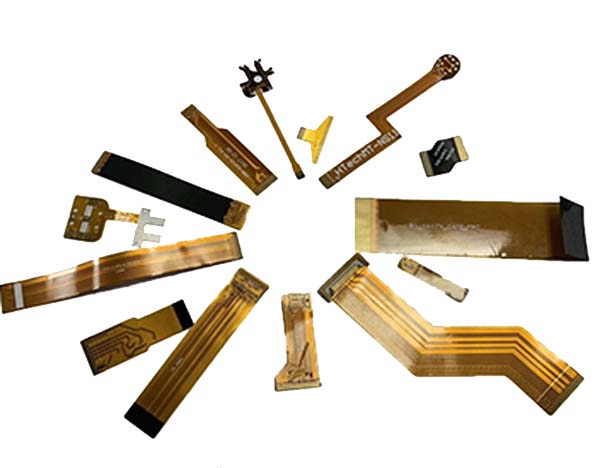
Flex PCBs are commonly used in wearable technology due to their flexibility and ability to conform to the shape of the human body.
Wearable devices require flexible circuits that can withstand bending, twisting, and stretching without breaking.
Flex PCBs are ideal for this purpose as they are thin, lightweight, and can be made to fit the contours of the body.
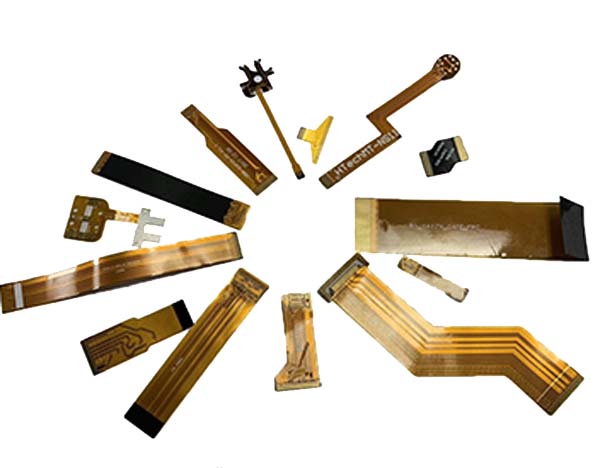
Some examples of wearable devices that use flex PCBs include:
1. Smartwatches:
Flex PCBs are used to connect the display, battery, and other components in smartwatches.
They allow for a slim and lightweight design that is comfortable to wear.
2. Fitness trackers:
Flex PCBs are used in fitness trackers to connect sensors and other components.
They allow for a flexible and durable design that can withstand the rigors of exercise.
3. Medical devices:
Flex PCBs are used in medical devices such as electrocardiogram (ECG) monitors,
insulin pumps, and hearing aids. They allow for a compact and flexible design that can be worn discreetly.
Overall, flex PCBs are an important component in wearable technology as they enable the creation of devices that are comfortable, durable, and flexible.
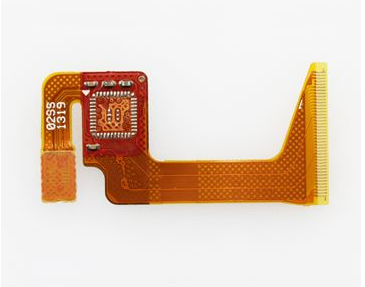
Why Flexible Printed Circuit Boards Are Wearable
Flexible printed circuit boards (PCBs) are wearable because they are thin, lightweight, and flexible.
They can be easily integrated into wearable devices,
such as smartwatches, fitness trackers, and medical devices, without adding bulk or weight to the device.
Flexible PCBs are made of thin, flexible materials, such as polyimide or polyester,
which allow them to bend and twist without breaking.
This flexibility makes them ideal for use in wearable devices,
which need to be able to conform to the shape of the wearer’s body.
In addition, flexible PCBs can be designed to be waterproof and resistant to sweat and other fluids,
which is important for wearable devices that are worn during physical activity or in wet environments.
Overall, the flexibility, durability, and lightweight nature of flexible PCBs make them an ideal choice for wearable devices,
allowing for greater design flexibility and improved user experience.
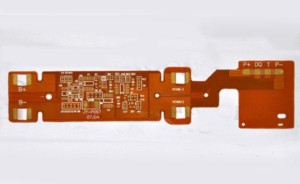
flex pcb weight
The weight of a flexible printed circuit board (flex PCB) can vary depending on the size, thickness, and material used.
Generally, flex PCBs are much lighter than traditional rigid PCBs due to their thin and flexible construction.
The weight of a flex PCB is typically measured in ounces per square foot (oz/ft2) or grams per square meter (g/m2).
The weight can range from as low as 0.1 oz/ft2 (3 g/m2) for ultra-thin flex PCBs to around 2 oz/ft2 (60 g/m2) for thicker and more robust flex PCBs.
It’s important to note that the weight of a flex PCB may not have a significant impact on the overall weight of a wearable device or electronic product. However, it can affect the flexibility and durability of the PCB, which are important factors to consider when designing a wearable device.
What is the weight of the flexible printed circuit board related to
The weight of a flexible printed circuit board (flex PCB) is related to several factors, including:
1. Size: The larger the flex PCB, the heavier it will be.
2. Thickness: Thicker flex PCBs will be heavier than thinner ones.
3. Material: The type of material used to make the flex PCB can affect its weight.
For example, a flex PCB made from polyimide will be lighter than one made from FR4.
4. Copper weight: The amount of copper used in the flex PCB can also affect its weight.
A flex PCB with a higher copper weight will be heavier than one with a lower copper weight.
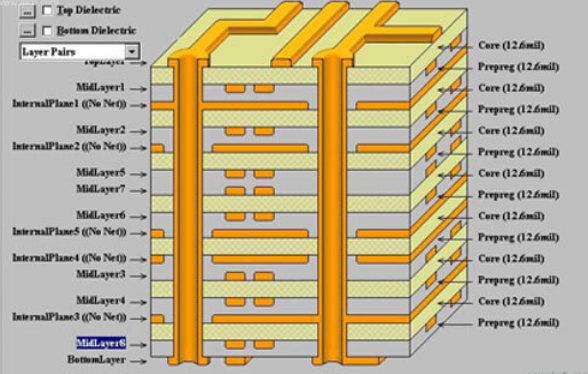
5. Number of layers: The more layers a flex PCB has, the heavier it will be.
Overall, the weight of a flex PCB is determined by a combination of these factors and can vary widely depending on the specific design and application requirements.