Flex vs non flex pcb
Advantages Of Flex VS Non Flex PCB
Flex PCBs, or flexible printed circuit boards, have emerged as a significant advancement in the field of electronics, offering numerous advantages over their non-flex counterparts.
One of the primary benefits of flex PCBs is their ability to bend and conform to various shapes and spaces, which provides unparalleled design flexibility.
This adaptability is particularly valuable in applications where space constraints are a critical factor, such as in compact electronic devices, medical equipment, and wearable technology. The ability to fold, twist, and bend without compromising performance allows engineers to create more innovative and efficient designs.
In addition to their physical flexibility, flex PCBs are also known for their durability and reliability.
The materials used in the construction of flex PCBs, such as polyimide or polyester films, are inherently more resilient to environmental stresses compared to the rigid substrates used in non-flex PCBs. This resilience translates to better performance in harsh conditions, including extreme temperatures, vibrations, and exposure to chemicals. Consequently, flex PCBs are often the preferred choice in industries where reliability is paramount, such as aerospace, automotive, and military applications.
Another significant advantage of flex PCBs is their potential for weight and space reduction.
By eliminating the need for connectors and interconnecting wires, flex PCBs can significantly reduce the overall weight and volume of an electronic assembly. This reduction is particularly beneficial in applications where weight savings are crucial, such as in portable electronic devices and aerospace components. The streamlined design not only enhances the aesthetic appeal of the final product but also contributes to improved performance and energy efficiency.
Moreover, flex PCBs offer superior signal integrity and electrical performance.
The continuous, uninterrupted conductive paths in flex PCBs minimize the risk of signal loss and electromagnetic interference, which are common issues in non-flex PCBs with multiple connectors and interconnections. This improved signal integrity is essential in high-speed and high-frequency applications, where maintaining signal quality is critical for optimal performance. Additionally, the inherent flexibility of these PCBs allows for more efficient routing of traces, further enhancing their electrical performance.
Cost-effectiveness is another notable advantage of flex PCBs.
While the initial manufacturing costs of flex PCBs may be higher than those of non-flex PCBs, the overall cost savings can be substantial when considering the entire lifecycle of the product. The reduction in the number of components, such as connectors and cables, leads to lower assembly costs and fewer potential points of failure. Furthermore, the enhanced durability and reliability of flex PCBs result in lower maintenance and replacement costs over time, making them a more economical choice in the long run.
In terms of assembly and installation, flex PCBs offer significant advantages as well.
their ability to be folded or bent allows for easier and more efficient assembly processes, reducing the time and labor required for installation. This ease of assembly is particularly beneficial in complex electronic systems where space is limited and accessibility is challenging. The flexibility of these PCBs also simplifies the integration of multiple components, leading to more compact and efficient designs.
In conclusion, the advantages of flex PCBs over non-flex PCBs are manifold, encompassing design flexibility, durability, weight and space reduction, superior signal integrity, cost-effectiveness, and ease of assembly. These benefits make flex PCBs an increasingly popular choice in a wide range of applications, from consumer electronics to critical industrial systems. As technology continues to evolve, the demand for innovative and efficient electronic solutions will undoubtedly drive further advancements in flex PCB technology, solidifying their position as a cornerstone of modern electronics.

Cost Comparison: Flex PCBs Vs Non-Flex PCBs
When evaluating the cost implications of flex PCBs versus non-flex PCBs, it is essential to consider various factors that influence the overall expenditure.
Both types of printed circuit boards (PCBs) serve distinct purposes and offer unique advantages, but their cost structures differ significantly due to the materials, manufacturing processes, and application-specific requirements involved.
To begin with, the material costs for flex PCBs are generally higher than those for non-flex PCBs.
Flex PCBs are constructed using flexible substrates such as polyimide or polyester, which are more expensive than the rigid fiberglass or epoxy materials used in non-flex PCBs. These flexible materials are chosen for their ability to bend and conform to different shapes, which is crucial for applications requiring dynamic movement or space-saving designs. Consequently, the initial material investment for flex PCBs tends to be higher.
In addition to material costs, the manufacturing process for flex PCBs is more complex and labor-intensive compared to that of non-flex PCBs.
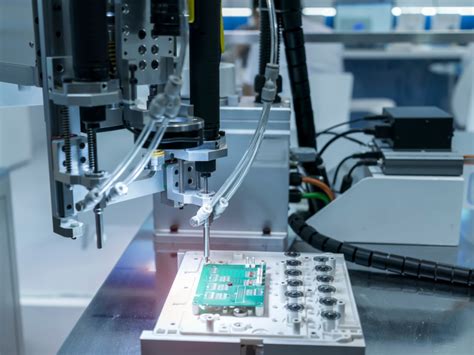
Flex PCBs require specialized equipment and techniques to handle the delicate flexible substrates without causing damage. This includes precision drilling, cutting, and layering processes that ensure the integrity and functionality of the flexible circuits. The need for meticulous handling and advanced machinery contributes to higher production costs. On the other hand, non-flex PCBs benefit from a more straightforward manufacturing process, which typically involves standard equipment and well-established techniques, resulting in lower production costs.
Another factor influencing the cost comparison is the design complexity.
Flex PCBs often necessitate intricate designs to accommodate their flexibility and the specific requirements of the application. This complexity can lead to increased design time and higher engineering costs. Non-flex PCBs, while not devoid of design challenges, generally involve less complexity, translating to reduced design and engineering expenses. However, it is worth noting that the design phase is a critical investment for both types of PCBs, as it directly impacts the performance and reliability of the final product.
Despite the higher initial costs associated with flex PCBs, they can offer long-term cost savings in certain applications.
For instance, flex PCBs can reduce the need for connectors and cables, as they can be designed to integrate multiple functions into a single, flexible unit. This integration can lead to a reduction in assembly time and labor costs, as well as a decrease in the overall weight and size of the final product. In contrast, non-flex PCBs may require additional components and connectors to achieve the same level of functionality, potentially increasing the total cost of the assembly.
Furthermore, the durability and reliability of flex PCBs in dynamic environments can result in lower maintenance and replacement costs over time.
Flex PCBs are designed to withstand repeated bending and flexing, making them ideal for applications such as wearable devices, medical equipment, and aerospace technology. Non-flex PCBs, while robust in static applications, may not offer the same level of durability in environments where movement and flexibility are required.
In conclusion, while flex PCBs generally incur higher initial costs due to material expenses, complex manufacturing processes, and intricate design requirements, they can provide long-term cost benefits in specific applications by reducing assembly time, labor costs, and maintenance expenses. Non-flex PCBs, with their lower material and production costs, remain a cost-effective solution for static applications. Ultimately, the choice between flex and non-flex PCBs should be guided by the specific needs and constraints of the intended application, balancing initial investment against long-term performance and reliability.
Applications Of Flex PCBs In Modern Electronics
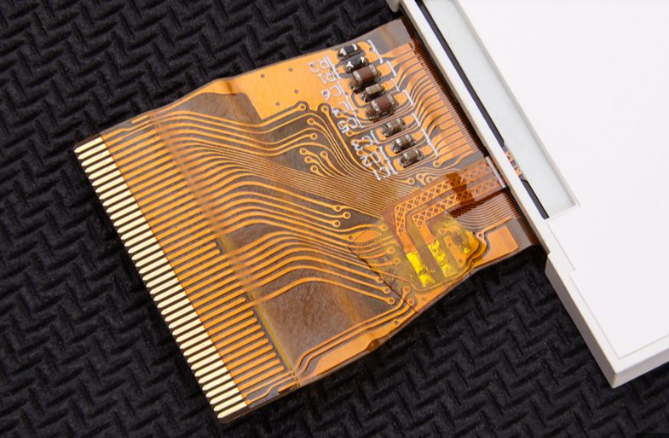
Flex PCBs, or flexible printed circuit boards, have become increasingly prevalent in modern electronics due to their unique properties and versatile applications. Unlike traditional rigid PCBs, flex PCBs are designed to bend and conform to various shapes, making them ideal for a wide range of innovative uses. This flexibility allows for more compact and lightweight designs, which are essential in today’s ever-evolving technological landscape.
One of the primary applications of flex PCBs is in the consumer electronics industry.
Devices such as smartphones, tablets, and wearable technology benefit significantly from the use of flexible circuits. The compact nature of flex PCBs enables manufacturers to design thinner and lighter devices without compromising functionality. For instance, in smartphones, flex PCBs are often used to connect different components within the device, such as the display, battery, and sensors, allowing for a more streamlined and efficient design. Similarly, wearable devices like smartwatches and fitness trackers rely on flex PCBs to maintain their sleek and ergonomic form factors while housing a multitude of sensors and connectivity options.
In addition to consumer electronics, the medical field has also seen substantial advancements through the use of flex PCBs.
Medical devices, such as hearing aids, pacemakers, and diagnostic equipment, require reliable and compact circuitry to function effectively. Flex PCBs provide the necessary durability and flexibility to withstand the rigors of medical applications. For example, in hearing aids, the flexible nature of the PCB allows it to fit comfortably within the ear canal, providing users with a discreet and comfortable experience. Moreover, the biocompatibility of certain flex PCB materials ensures that they can be safely used within the human body, making them ideal for implantable medical devices.
The automotive industry is another sector where flex PCBs have made a significant impact.
Modern vehicles are equipped with a plethora of electronic systems, including advanced driver-assistance systems (ADAS), infotainment systems, and various sensors. Flex PCBs are used extensively in these applications due to their ability to withstand harsh environmental conditions, such as extreme temperatures and vibrations. For instance, in ADAS, flex PCBs are used to connect cameras, radar, and other sensors, ensuring reliable performance and safety. Additionally, the lightweight nature of flex PCBs contributes to the overall reduction in vehicle weight, which can improve fuel efficiency and reduce emissions.
Furthermore, the aerospace and defense industries have also embraced the use of flex PCBs.
In aerospace applications, weight and space are critical factors, and flex PCBs offer a solution that meets these stringent requirements. They are used in various systems, including communication, navigation, and control systems, where their reliability and durability are paramount. In defense applications, flex PCBs are employed in advanced weaponry, surveillance equipment, and ruggedized communication devices, where their ability to perform under extreme conditions is essential.
In conclusion, the applications of flex PCBs in modern electronics are vast and varied, spanning across multiple industries. Their unique properties, such as flexibility, durability, and lightweight design, make them an invaluable component in the development of cutting-edge technology. As the demand for more compact, efficient, and reliable electronic devices continues to grow, the role of flex PCBs in shaping the future of electronics is set to become even more significant.
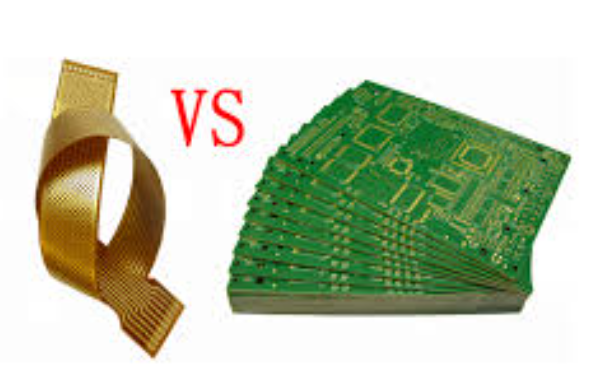
Design Considerations For Flex And Non-Flex PCBs
When designing printed circuit boards (PCBs), engineers must carefully consider whether to use flexible (flex) or non-flex (rigid) PCBs, as each type offers distinct advantages and challenges. The choice between flex and non-flex PCBs significantly impacts the design process, material selection, manufacturing techniques, and overall performance of the final product. Understanding these design considerations is crucial for optimizing functionality, reliability, and cost-effectiveness.
To begin with, the primary distinction between flex and non-flex PCBs lies in their structural properties.
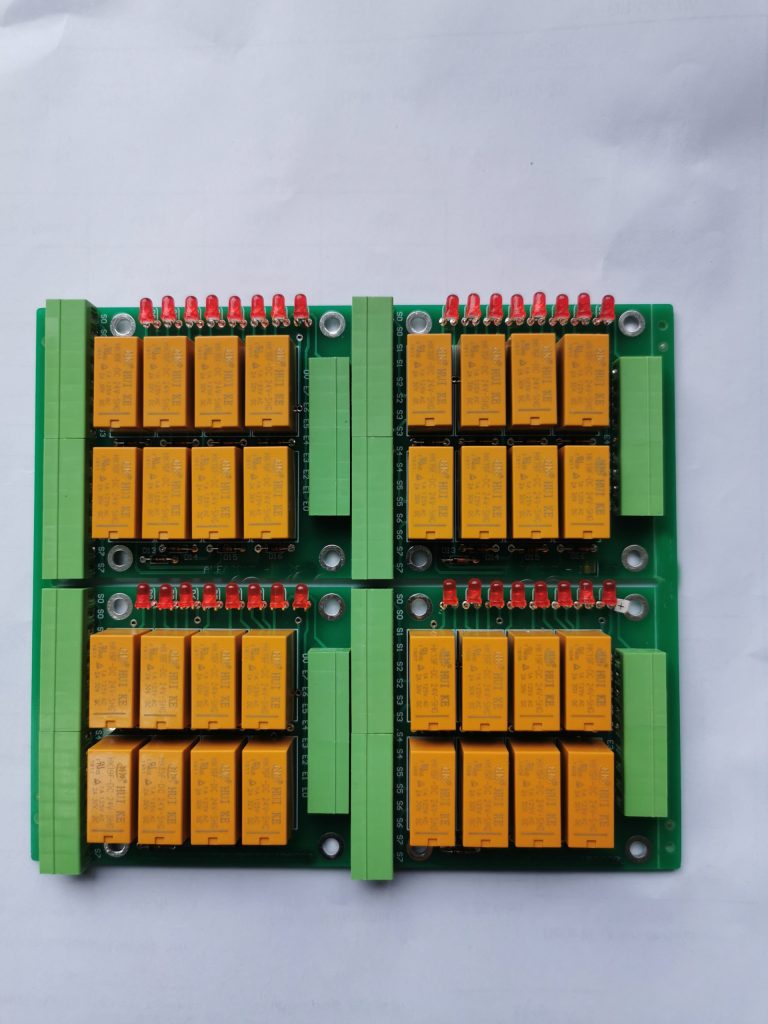
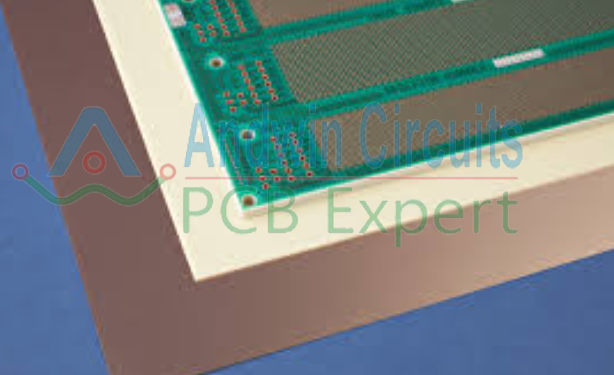
Flex PCBs are made from flexible materials such as polyimide, which allows them to bend and conform to various shapes. This flexibility is particularly advantageous in applications where space constraints or dynamic movements are involved, such as in wearable devices, medical implants, and aerospace components. Conversely, non-flex PCBs are constructed from rigid materials like FR4, providing a stable and robust platform for electronic components. These are typically used in applications where mechanical stability and durability are paramount, such as in desktop computers, industrial machinery, and automotive systems.
Transitioning to the design phase, one must consider the mechanical and thermal stresses that the PCB will encounter.
Flex PCBs are designed to withstand repeated bending and flexing without compromising their electrical integrity. This requires careful attention to the layout of traces and components to avoid stress points that could lead to failure. Additionally, the choice of adhesive and coverlay materials is critical to ensure long-term reliability. In contrast, non-flex PCBs do not face the same mechanical challenges but must be designed to handle thermal expansion and contraction, especially in high-power applications. Proper thermal management techniques, such as the use of thermal vias and heat sinks, are essential to prevent overheating and ensure consistent performance.
Another important consideration is the complexity of the circuit design.
Flex PCBs offer greater design freedom due to their ability to fold and twist, enabling more compact and intricate configurations. This can lead to significant space savings and weight reduction, which are crucial in portable and miniaturized devices. However, this complexity also demands advanced design tools and expertise to ensure signal integrity and minimize electromagnetic interference (EMI). On the other hand, non-flex PCBs, with their straightforward planar structure, are generally easier to design and manufacture. They provide a stable platform for high-density interconnects and multi-layer designs, making them suitable for complex circuits with numerous components.
Cost is another critical factor in the decision-making process.
Flex PCBs tend to be more expensive due to the specialized materials and manufacturing processes required. The initial design and prototyping stages can also be more time-consuming and costly. However, the long-term benefits, such as reduced assembly costs and improved reliability in dynamic environments, can offset these initial expenses. Non-flex PCBs, being more conventional, are typically less expensive to produce and assemble. They benefit from well-established manufacturing processes and economies of scale, making them a cost-effective choice for many applications.
In conclusion, the decision between flex and non-flex PCBs hinges on a thorough understanding of the specific requirements and constraints of the application. Flex PCBs offer unparalleled versatility and are ideal for applications where space, weight, and dynamic movement are critical considerations. Non-flex PCBs, with their robustness and ease of design, are well-suited for applications demanding mechanical stability and high-density interconnects. By carefully evaluating the mechanical, thermal, and cost implications, engineers can make informed decisions that optimize the performance and reliability of their electronic designs.