How thermal pad works

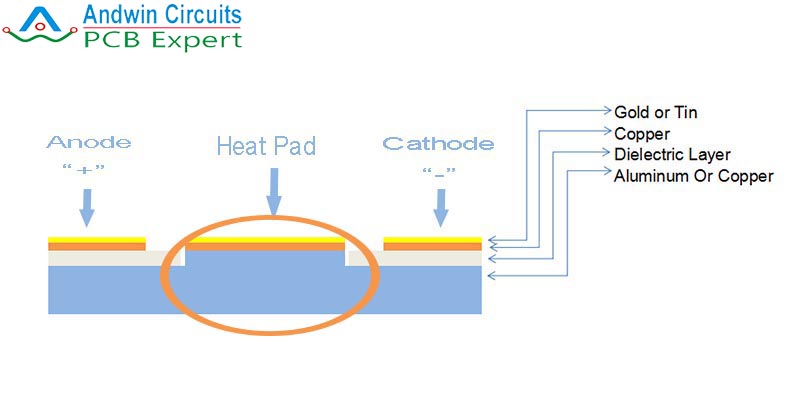
A thermal pad works by providing a thermal interface between two surfaces,
typically a heat-generating component and a heat sink or PCB. The thermal pad is made of a soft,

thermally conductive material that fills any gaps or imperfections between the two surfaces,
allowing heat to transfer more efficiently.
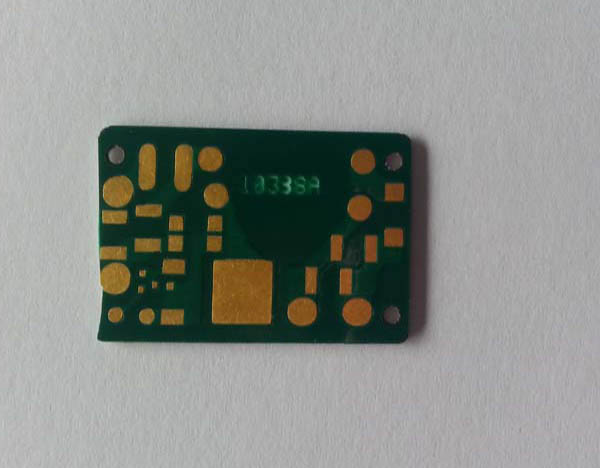
When a component generates heat, it needs to be dissipated to prevent damage or failure.
The thermal pad helps transfer the heat from the component to the PCB or heat sink,

which can then dissipate it into the surrounding environment.
This helps maintain a safe operating temperature for the component and prevents it from overheating.

The thermal pad works by using its thermally conductive properties to transfer heat from the component to the PCB or heat sink.
The soft material conforms to the surfaces it is in contact with, creating a tight thermal interface that maximizes heat transfer.

The thermal pad is also designed to be electrically insulating,
preventing any electrical shorts between the component and the PCB.
GET IN TOUCH!

pcb ground thermal pad

A PCB ground thermal pad is a large copper pad on a printed circuit board (PCB) that is connected to the ground plane of the board.
It is designed to dissipate heat generated by a component mounted on the pad, such as a power amplifier or voltage regulator.

The thermal pad provides a low thermal resistance path for heat to flow from the component to the ground plane,
which acts as a heat sink. The size and shape of the thermal pad are important factors in determining its effectiveness in dissipating heat.

A larger pad with more surface area will typically provide better thermal performance.
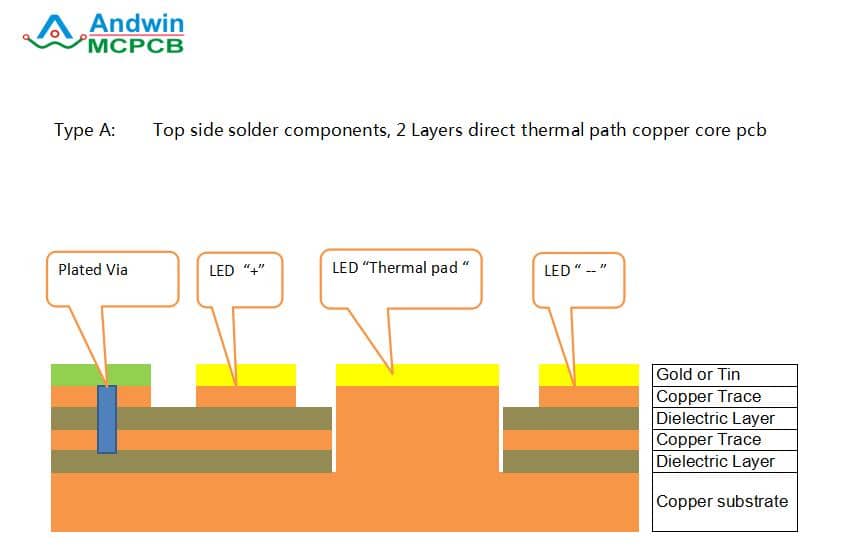
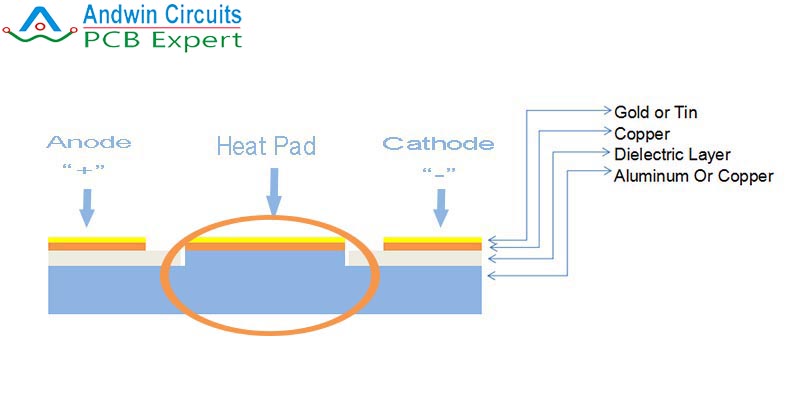
2layers direct thermal path copper core pcb

the role of pcb ground thermal pad

The role of a PCB ground thermal pad is to dissipate heat generated by a component mounted on the pad.
When a component, such as a power amplifier or voltage regulator, is in operation, it generates heat.

If this heat is not dissipated properly, it can cause the component to fail or reduce its lifespan.
The thermal pad provides a low thermal resistance path for heat to flow from the component to the ground plane,

which acts as a heat sink. This helps to keep the component operating within its safe temperature range and prolong its lifespan.

The thermal pad also helps to reduce the overall temperature of the PCB,
which can improve the performance and reliability of other components on the board.


GET IN TOUCH!

Similar Posts

  • Double sided flex pcb

    DuPont Flex PCB refers to a type of flexible printed circuit board (PCB) that is manufactured using DuPont’s advanced materials and technology. Flex PCBs are thin, lightweight, and flexible, making them ideal for use in applications where space is limited or where the circuit board needs to conform to a specific shape or contour. DuPont Flex PCBs are made…

  • |

    PCB assembly process

    1. Solder paste application: Solder paste is applied to the pads on the flex PCB using a stencil or screen printing process. 2. Pick and place: Surface mount components are picked and placed on the solder paste using automated equipment. 3. Reflow soldering: The flex PCB with components is passed through a reflow oven where…

  • |

    Aluminium pcb thermal resistance

    Aluminum PCBs have good thermal conductivity and low thermal resistance compared to traditional FR4 PCBs. The thermal resistance of an aluminum PCB depends on the thickness of the aluminum layer, the thickness of the dielectric layer, and the copper thickness. Generally, the thicker the aluminum layer, the lower the thermal resistance. The thermal resistance of an aluminum PCB can…

  • |

    Rogers 5880 datasheet

    – Dielectric constant (Dk): 2.20 +/- 0.02– Dissipation factor (Df): 0.0009 @ 10 GHz– Thickness: 0.020″ (0.508 mm)– Copper foil thickness: 1 oz/ft2 (0.035 mm)– Operating temperature range: -55°C to +125°C– RoHS compliant For more detailed information, you can refer to the Rogers 5880 datasheet available on the Rogers Corporation website or contact a Rogers…

  • The Importance of PCB in Automotive Electronics Reliability Design

    Automotive electronics are not completely different from other complex electronic products: multiple CPUs, networks, real-time data collection, and extremely complex PCBs. Design pressures in the automotive industry are similar to other types of electronic products: design times are short and market competition is fierce. So what is the difference between automotive electronics and, for example,…

  • |

    Flex pcb radius

    Flex PCB radius is used in various applications where flexibility is required, such as in wearable technology, medical devices, automotive electronics, and aerospace. The radius is used to determine the degree of flexibility and bendability of the PCB. It is important to design the radius correctly to ensure that the PCB can bend without breaking…