Imi pcb assembly
Understanding the Basics of IMI PCB Assembly: A Comprehensive Guide
In the realm of electronics manufacturing, the process of Printed Circuit Board (PCB) assembly is a critical component that ensures the functionality and reliability of electronic devices. Among the various companies specializing in this field, Integrated Micro-Electronics, Inc. (IMI) stands out as a leader in PCB assembly services. Understanding the basics of IMI PCB assembly involves delving into the intricate processes and technologies that underpin this essential service.
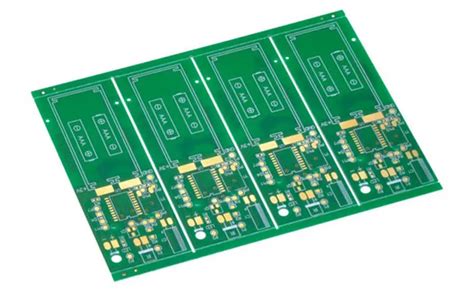
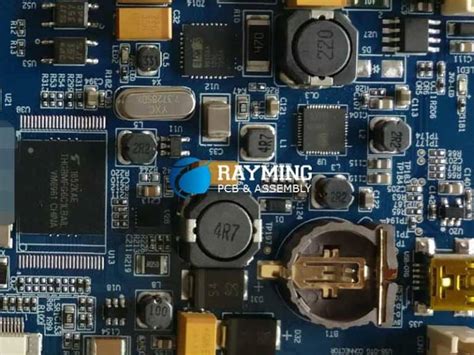
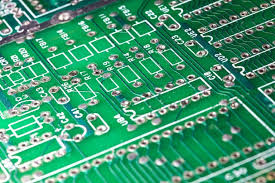
To begin with, PCB assembly is the process of mounting electronic components onto a PCB, which serves as the backbone of most electronic devices.
This process is crucial because it transforms a bare board into a functional unit capable of performing complex tasks. IMI, with its extensive experience and advanced technological capabilities, excels in providing comprehensive PCB assembly solutions that cater to a wide range of industries, including automotive, industrial, and consumer electronics.
One of the fundamental aspects of IMI’s PCB assembly process is surface mount technology (SMT).
SMT is a method where components are mounted directly onto the surface of the PCB, as opposed to older through-hole technology, which involves inserting component leads through holes in the board. SMT offers several advantages, such as reduced size and weight of the final product, increased component density, and improved performance. IMI’s expertise in SMT allows for the efficient assembly of complex PCBs with high precision and reliability.
In addition to SMT, IMI also employs through-hole technology for specific applications where it is deemed more suitable.
This method is often used for components that require a stronger mechanical bond to the PCB, such as connectors and large capacitors. By offering both SMT and through-hole assembly, IMI provides versatile solutions that meet the diverse needs of its clients.
Furthermore, IMI’s commitment to quality is evident in its rigorous testing and inspection processes.
Each assembled PCB undergoes a series of tests to ensure it meets the required specifications and standards. These tests include automated optical inspection (AOI), in-circuit testing (ICT), and functional testing. AOI uses cameras to visually inspect the PCB for defects, while ICT checks the electrical performance of the board. Functional testing, on the other hand, verifies that the PCB operates as intended in a real-world scenario. By implementing these comprehensive testing procedures, IMI ensures that its PCB assemblies are of the highest quality and reliability.
Moreover, IMI’s PCB assembly services are supported by its robust supply chain management and global manufacturing footprint.
With facilities strategically located around the world, IMI can efficiently source components and materials, reducing lead times and costs for its clients. This global presence also allows IMI to offer localized support and services, ensuring that clients receive timely and effective solutions tailored to their specific needs.
In conclusion, understanding the basics of IMI PCB assembly involves recognizing the company’s expertise in advanced assembly technologies, its commitment to quality through rigorous testing, and its ability to provide comprehensive solutions supported by a global manufacturing network. As electronic devices continue to evolve and become more complex, the role of companies like IMI in delivering reliable and efficient PCB assembly services becomes increasingly vital. Through its dedication to innovation and excellence, IMI remains at the forefront of the PCB assembly industry, driving progress and enabling the development of cutting-edge electronic products.
The Role of IMI PCB Assembly in Modern Electronics Manufacturing
In the rapidly evolving landscape of modern electronics manufacturing, the role of Integrated Micro-Electronics, Inc. (IMI) in printed circuit board (PCB) assembly has become increasingly significant. As the demand for more compact, efficient, and reliable electronic devices continues to grow, the expertise and capabilities of companies like IMI are crucial in meeting these challenges. IMI PCB assembly is at the forefront of this technological advancement, providing essential services that ensure the seamless integration of electronic components into functional devices.
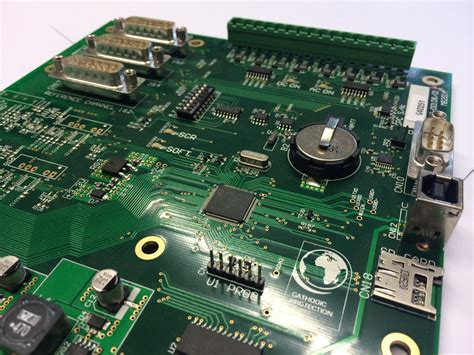
To begin with, PCB assembly is a critical process in the production of electronic devices, as it involves the precise placement and soldering of components onto a PCB.
This process requires a high degree of accuracy and reliability, given the complexity and miniaturization of modern electronic components. IMI, with its extensive experience and advanced technological capabilities, excels in delivering high-quality PCB assembly services. The company employs state-of-the-art equipment and methodologies, ensuring that each PCB meets the stringent standards required by today’s electronics industry.
Moreover, IMI’s role in PCB assembly extends beyond mere component placement.
The company is deeply involved in the design and prototyping stages, working closely with clients to optimize the layout and functionality of the PCBs. This collaborative approach not only enhances the performance of the final product but also reduces time-to-market, a critical factor in the competitive electronics sector. By leveraging its expertise in design for manufacturability (DFM) and design for testability (DFT), IMI helps clients streamline their production processes, resulting in cost savings and improved product quality.
In addition to its technical prowess, IMI is committed to maintaining the highest standards of quality and reliability in its PCB assembly operations.
The company adheres to international quality standards, such as ISO 9001 and ISO/TS 16949, ensuring that its processes are consistently monitored and improved. This dedication to quality is reflected in the durability and performance of the electronic devices that incorporate IMI-assembled PCBs, which are used in a wide range of applications, from consumer electronics to automotive systems and industrial equipment.
Furthermore, IMI’s global presence and extensive supply chain network enable it to offer flexible and scalable PCB assembly solutions.
With manufacturing facilities strategically located in key regions around the world, IMI can efficiently serve clients across different markets, providing localized support and reducing logistical complexities. This global reach, combined with its robust supply chain management, allows IMI to respond swiftly to changes in demand and ensure the timely delivery of products.
In conclusion, the role of IMI PCB assembly in modern electronics manufacturing is indispensable. Through its advanced technological capabilities, commitment to quality, and global operational footprint, IMI plays a pivotal role in enabling the production of cutting-edge electronic devices. As the electronics industry continues to evolve, the expertise and innovation demonstrated by IMI in PCB assembly will remain a cornerstone of its success, driving the development of new technologies and supporting the ever-growing demand for sophisticated electronic solutions.
Innovations and Trends in IMI PCB Assembly Technology
In recent years, the field of IMI PCB (Printed Circuit Board) assembly has witnessed significant innovations and emerging trends that are reshaping the landscape of electronic manufacturing. As technology continues to advance at a rapid pace, the demand for more efficient, reliable, and compact electronic devices has driven the evolution of PCB assembly processes.
One of the most notable innovations in this domain is the integration of advanced automation technologies.
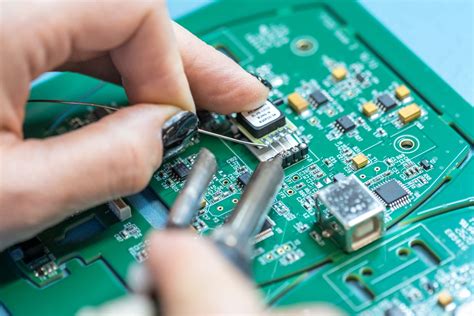
Automation has revolutionized PCB assembly by enhancing precision, reducing human error, and increasing production speed. Robotic arms and automated pick-and-place machines are now commonplace in modern assembly lines, allowing for the precise placement of components on PCBs with remarkable accuracy. This not only improves the quality of the final product but also significantly reduces production time and costs.
Moreover, the trend towards miniaturization in electronics has necessitated the development of new assembly techniques.
As devices become smaller and more complex, traditional assembly methods are often inadequate. In response, manufacturers have adopted surface mount technology (SMT), which allows for the placement of smaller components on both sides of a PCB. This technique not only saves space but also enhances the performance and reliability of electronic devices. Additionally, the use of advanced materials, such as flexible PCBs, has gained traction. These materials enable the creation of bendable and foldable electronic devices, opening up new possibilities for innovative product designs.
Another significant trend in IMI PCB assembly is the increasing focus on sustainability and environmental responsibility.
As the electronics industry faces growing scrutiny over its environmental impact, manufacturers are adopting greener practices. This includes the use of lead-free soldering materials and the implementation of energy-efficient manufacturing processes. Furthermore, recycling and reusing components have become integral parts of the assembly process, reducing waste and conserving resources. These sustainable practices not only benefit the environment but also align with the growing consumer demand for eco-friendly products.
In addition to these technological advancements, the rise of the Internet of Things (IoT) has had a profound impact on PCB assembly.
The proliferation of IoT devices has led to an increased demand for PCBs that can support wireless connectivity and data processing capabilities. Consequently, manufacturers are incorporating more sophisticated components, such as microcontrollers and sensors, into their designs. This trend has spurred the development of PCBs with enhanced functionality, enabling seamless communication between devices and the cloud.
Furthermore, the adoption of Industry 4.0 principles is transforming PCB assembly into a more interconnected and data-driven process.
By leveraging data analytics and machine learning, manufacturers can optimize production processes, predict maintenance needs, and improve quality control. This shift towards a smart manufacturing environment not only enhances efficiency but also allows for greater customization and flexibility in production.
In conclusion, the innovations and trends in IMI PCB assembly technology are driving the electronics industry towards a future characterized by greater efficiency, sustainability, and connectivity. As automation, miniaturization, and sustainability continue to shape the landscape, manufacturers are poised to meet the evolving demands of consumers and industries alike. The integration of IoT and Industry 4.0 principles further underscores the transformative potential of these advancements, promising a new era of electronic manufacturing that is both innovative and responsible. As these trends continue to evolve, the future of IMI PCB assembly holds exciting possibilities for technological progress and environmental stewardship.
Challenges and Solutions in IMI PCB Assembly Processes
In the realm of electronics manufacturing, the assembly of printed circuit boards (PCBs) is a critical process that demands precision and efficiency. Integrated Micro-Electronics, Inc. (IMI) is a prominent player in this field, known for its advanced PCB assembly processes. However, like any complex manufacturing operation, IMI faces a myriad of challenges that require innovative solutions to ensure high-quality outcomes and maintain competitive advantage.
One of the primary challenges in IMI PCB assembly is the miniaturization of components.
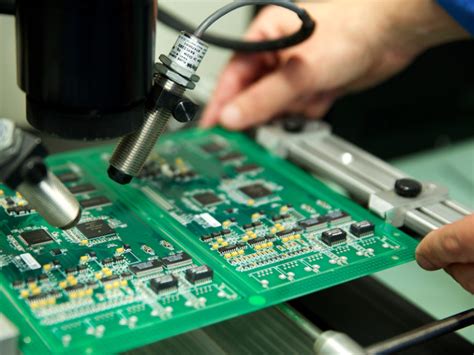
As electronic devices become increasingly compact, the components used in PCBs are correspondingly smaller. This trend necessitates the use of advanced machinery and techniques to accurately place and solder these tiny components onto the boards. To address this, IMI has invested in state-of-the-art surface mount technology (SMT) equipment, which allows for precise placement and alignment of components. Additionally, the company employs automated optical inspection (AOI) systems to detect any misalignments or defects early in the assembly process, thereby reducing the likelihood of errors and rework.
Another significant challenge is the complexity of modern PCBs, which often feature multiple layers and intricate designs.
This complexity can lead to difficulties in ensuring proper connectivity and functionality across all layers. To overcome this, IMI utilizes advanced computer-aided design (CAD) software to meticulously plan and simulate the assembly process before actual production begins. This preemptive approach allows engineers to identify potential issues and optimize the design for manufacturability, thus minimizing the risk of defects during assembly.
Moreover, the demand for faster production times without compromising quality presents an ongoing challenge.
In response, IMI has implemented lean manufacturing principles to streamline its assembly processes. By eliminating waste and optimizing workflow, the company can achieve shorter lead times and increase throughput. Furthermore, IMI employs a highly skilled workforce trained in the latest assembly techniques, ensuring that human expertise complements technological advancements.
The issue of thermal management also poses a challenge in PCB assembly, particularly as devices become more powerful and generate more heat.
Effective thermal management is crucial to prevent overheating and ensure the longevity of electronic components. IMI addresses this by incorporating advanced thermal materials and heat dissipation techniques into its PCB designs. Additionally, the company conducts rigorous thermal testing to validate the effectiveness of these solutions, ensuring that the final product meets all performance and reliability standards.
Quality control is another critical aspect of the PCB assembly process.
Ensuring that each board meets stringent quality standards is essential to maintaining customer satisfaction and trust. IMI employs a comprehensive quality management system that encompasses every stage of the assembly process, from initial design to final inspection. This system includes regular audits, process monitoring, and continuous improvement initiatives, all aimed at maintaining the highest levels of quality and consistency.
In conclusion, while the challenges in IMI PCB assembly are numerous and complex, the company has demonstrated a commitment to overcoming these obstacles through innovation and strategic investments. By leveraging advanced technologies, optimizing processes, and prioritizing quality, IMI continues to excel in the competitive field of electronics manufacturing. As the industry evolves, the company’s proactive approach to addressing challenges will undoubtedly play a crucial role in its ongoing success