Is pcb manufacturing profitable
Market Trends: Analyzing Profitability in PCB Manufacturing
The profitability of printed circuit board (PCB) manufacturing is a topic of considerable interest within the electronics industry, as it serves as a foundational element in the production of a wide array of electronic devices. To understand the profitability of PCB manufacturing, it is essential to examine the current market trends and the factors influencing this sector. The global demand for electronic devices continues to rise, driven by technological advancements and the proliferation of smart devices, which in turn fuels the demand for PCBs. This growing demand presents significant opportunities for PCB manufacturers to capitalize on, potentially leading to increased profitability.
One of the primary factors contributing to the profitability of PCB manufacturing is the continuous innovation in technology.
As electronic devices become more sophisticated, there is a corresponding need for more complex and high-performance PCBs. Manufacturers that can adapt to these technological advancements and offer cutting-edge solutions are likely to see enhanced profitability. Moreover, the trend towards miniaturization in electronics necessitates the development of smaller, more efficient PCBs, which can command higher prices due to their complexity and the precision required in their production.
In addition to technological advancements, the geographical distribution of manufacturing facilities plays a crucial role in determining profitability.
Many PCB manufacturers have strategically located their production facilities in regions with lower labor costs, such as Southeast Asia, to reduce operational expenses. This cost-saving measure allows manufacturers to offer competitive pricing while maintaining healthy profit margins. However, it is important to note that while cost reduction is a significant factor, quality and reliability remain paramount. Manufacturers that can balance cost efficiency with high-quality production are more likely to achieve sustained profitability.
Furthermore, the increasing emphasis on sustainability and environmentally friendly practices in manufacturing is shaping the PCB industry.
Companies that invest in green technologies and sustainable production methods not only contribute to environmental conservation but also appeal to a growing segment of environmentally conscious consumers. This shift towards sustainability can enhance a company’s reputation and open up new market opportunities, thereby positively impacting profitability.
Another aspect to consider is the impact of global supply chain dynamics on PCB manufacturing profitability.
The COVID-19 pandemic highlighted vulnerabilities in global supply chains, leading to disruptions in the availability of raw materials and components. Manufacturers that have diversified their supply chains and established robust contingency plans are better positioned to navigate such challenges, ensuring continuity in production and minimizing potential losses. This resilience can be a significant competitive advantage, contributing to long-term profitability.
Moreover, the rise of Industry 4.0 and the integration of digital technologies in manufacturing processes are transforming the PCB industry.
Automation, data analytics, and the Internet of Things (IoT) are enabling manufacturers to optimize production processes, reduce waste, and improve efficiency. By leveraging these technologies, companies can enhance their operational capabilities, reduce costs, and ultimately increase profitability.
In conclusion, the profitability of PCB manufacturing is influenced by a multitude of factors, including technological advancements, geographical considerations, sustainability practices, supply chain management, and the adoption of digital technologies. Manufacturers that can effectively navigate these trends and adapt to the evolving market landscape are well-positioned to achieve and sustain profitability. As the demand for electronic devices continues to grow, the PCB manufacturing industry presents promising opportunities for those who can strategically align their operations with market needs and emerging trends.
Cost Management Strategies for Profitable PCB Manufacturing
In the competitive landscape of printed circuit board (PCB) manufacturing, profitability hinges on effective cost management strategies. As the demand for electronic devices continues to surge, manufacturers are under pressure to deliver high-quality products while maintaining cost efficiency. To achieve this balance, it is essential to explore various strategies that can enhance profitability without compromising on quality.
One of the primary strategies for managing costs in PCB manufacturing is optimizing the supply chain.
By establishing strong relationships with suppliers, manufacturers can negotiate better prices for raw materials, which constitute a significant portion of production costs. Additionally, sourcing materials from multiple suppliers can mitigate risks associated with supply chain disruptions, ensuring a steady flow of materials at competitive prices. Furthermore, implementing just-in-time inventory practices can reduce holding costs and minimize waste, thereby contributing to overall cost efficiency.
Another crucial aspect of cost management is investing in advanced manufacturing technologies.
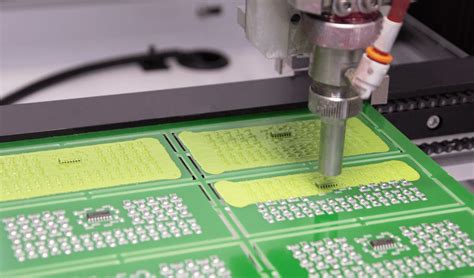
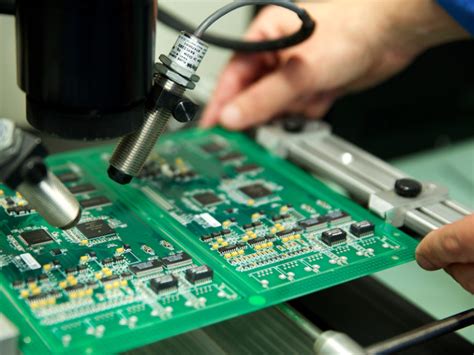
Automation and the use of sophisticated machinery can significantly enhance production efficiency, reducing labor costs and minimizing errors. For instance, automated optical inspection systems can quickly identify defects in PCBs, allowing for immediate corrective actions and reducing the likelihood of costly rework. Moreover, adopting Industry 4.0 technologies, such as the Internet of Things (IoT) and data analytics, can provide valuable insights into production processes, enabling manufacturers to identify inefficiencies and optimize operations.
In addition to technological investments, manufacturers can also focus on design optimization to manage costs effectively.
By collaborating closely with design engineers, manufacturers can ensure that PCBs are designed for manufacturability, which can lead to significant cost savings. Design for manufacturability (DFM) principles involve simplifying designs, reducing the number of components, and selecting cost-effective materials, all of which contribute to lower production costs. Moreover, early involvement in the design process allows manufacturers to identify potential issues and address them before they escalate into costly problems during production.
Furthermore, energy management is an often-overlooked aspect of cost management in PCB manufacturing.
Energy consumption can be a substantial expense, particularly in facilities with high production volumes. Implementing energy-efficient practices, such as using energy-efficient equipment and optimizing production schedules to reduce peak energy usage, can lead to significant cost savings. Additionally, investing in renewable energy sources, such as solar panels, can further reduce energy costs and enhance the sustainability of manufacturing operations.
Employee training and development also play a vital role in cost management.
A well-trained workforce is more efficient and less prone to errors, which can reduce waste and rework costs. By investing in continuous training programs, manufacturers can ensure that their employees are equipped with the latest skills and knowledge, enabling them to operate advanced machinery and adhere to best practices in production.
Finally, continuous improvement and lean manufacturing principles can drive cost efficiency in PCB manufacturing.
By fostering a culture of continuous improvement, manufacturers can encourage employees to identify inefficiencies and suggest improvements. Lean manufacturing techniques, such as value stream mapping and waste reduction, can streamline production processes and eliminate non-value-added activities, ultimately enhancing profitability.
In conclusion, profitable PCB manufacturing requires a multifaceted approach to cost management. By optimizing the supply chain, investing in advanced technologies, focusing on design optimization, managing energy consumption, training employees, and embracing continuous improvement, manufacturers can achieve cost efficiency while maintaining high-quality standards. These strategies not only enhance profitability but also position manufacturers to thrive in an increasingly competitive market.
Technological Advancements Boosting Profit Margins in PCB Manufacturing
The profitability of printed circuit board (PCB) manufacturing has been a topic of considerable interest within the electronics industry, particularly as technological advancements continue to reshape the landscape. As the backbone of modern electronic devices, PCBs are integral to a wide array of products, from consumer electronics to sophisticated industrial machinery. The evolution of technology has not only enhanced the functionality and complexity of PCBs but has also significantly influenced the profit margins within this sector.
To begin with, the integration of advanced manufacturing technologies has played a pivotal role in boosting profitability.
Automation, for instance, has revolutionized the production process by reducing labor costs and minimizing human error. Automated systems enable manufacturers to produce PCBs with greater precision and consistency, thereby enhancing product quality and reducing waste. This efficiency translates into cost savings, which can be redirected towards research and development or passed on to consumers in the form of competitive pricing.
Moreover, the advent of Industry 4.0 and the Internet of Things (IoT) has further propelled the profitability of PCB manufacturing.
These technologies facilitate real-time data collection and analysis, allowing manufacturers to optimize production processes and improve supply chain management. By leveraging data analytics, companies can predict demand more accurately, manage inventory more effectively, and reduce lead times. Consequently, these improvements lead to increased customer satisfaction and loyalty, which are crucial for sustaining profitability in a competitive market.
In addition to automation and data analytics, advancements in materials science have also contributed to enhanced profit margins.
The development of new materials, such as high-frequency laminates and flexible substrates, has expanded the range of applications for PCBs. These materials offer superior performance characteristics, such as improved thermal management and signal integrity, which are essential for high-speed and high-frequency applications. As a result, manufacturers can command higher prices for specialized PCBs, thereby increasing their profit margins.
Furthermore, the shift towards miniaturization and increased functionality in electronic devices has driven demand for more complex PCBs.
This trend has necessitated the adoption of advanced fabrication techniques, such as laser drilling and microvia technology, which allow for the production of multi-layered and high-density interconnect (HDI) PCBs. While these techniques require significant upfront investment, they enable manufacturers to produce cutting-edge products that meet the evolving needs of the market. The ability to offer innovative solutions not only differentiates manufacturers from their competitors but also allows them to capture a larger share of the market, thereby enhancing profitability.
However, it is important to acknowledge that the profitability of PCB manufacturing is not solely dependent on technological advancements.
External factors, such as fluctuations in raw material prices and geopolitical tensions, can also impact profit margins. Therefore, manufacturers must adopt a holistic approach that combines technological innovation with strategic risk management to ensure sustained profitability.
In conclusion, technological advancements have undeniably boosted profit margins in PCB manufacturing by enhancing efficiency, expanding product offerings, and enabling manufacturers to meet the demands of a rapidly evolving market. As the industry continues to evolve, companies that embrace these advancements and adapt to changing market conditions are likely to remain profitable and competitive. By leveraging technology to optimize production processes and deliver high-quality products, PCB manufacturers can secure their position in the global electronics industry and capitalize on emerging opportunities.

Challenges and Opportunities in the PCB Manufacturing Industry
The printed circuit board (PCB) manufacturing industry is a critical component of the global electronics sector, serving as the backbone for a multitude of electronic devices. As technology continues to advance at a rapid pace, the demand for PCBs is expected to grow, presenting both challenges and opportunities for manufacturers. Understanding these dynamics is essential for assessing the profitability of PCB manufacturing.
One of the primary challenges facing the PCB manufacturing industry is the increasing complexity of electronic devices.
As consumer electronics, automotive systems, and industrial equipment become more sophisticated, the demand for advanced PCBs with higher layer counts, finer lines, and smaller vias has surged. This complexity necessitates significant investment in cutting-edge technology and equipment, which can be a substantial financial burden for manufacturers. Moreover, the need for skilled labor to operate and maintain these advanced systems adds another layer of difficulty, as there is often a shortage of qualified personnel in the industry.
In addition to technological challenges, PCB manufacturers must navigate a highly competitive market.
The industry is characterized by a large number of players, ranging from small local firms to large multinational corporations. This competition exerts downward pressure on prices, making it difficult for manufacturers to maintain healthy profit margins. To remain competitive, companies must continuously innovate and improve their production processes, which requires ongoing investment in research and development.
Despite these challenges, there are significant opportunities for growth and profitability in the PCB manufacturing industry.
The increasing adoption of emerging technologies such as the Internet of Things (IoT), 5G, and electric vehicles is driving demand for specialized PCBs. Manufacturers that can develop expertise in these areas and offer high-quality, reliable products are well-positioned to capitalize on these trends. Furthermore, the shift towards more sustainable and environmentally friendly manufacturing practices presents an opportunity for companies to differentiate themselves in the market. By investing in green technologies and processes, manufacturers can not only reduce their environmental impact but also appeal to environmentally conscious customers.
Another opportunity lies in the globalization of the electronics supply chain.
As companies seek to diversify their supply sources and reduce dependency on specific regions, there is potential for PCB manufacturers to expand their customer base and enter new markets. This globalization trend also encourages collaboration and partnerships between manufacturers and other stakeholders in the electronics industry, fostering innovation and the development of new products and solutions.
Moreover, advancements in automation and digitalization offer PCB manufacturers the chance to enhance their operational efficiency and reduce costs.
By implementing smart manufacturing technologies such as artificial intelligence, machine learning, and the Industrial Internet of Things (IIoT), companies can optimize their production processes, improve quality control, and minimize waste. These improvements can lead to significant cost savings and increased profitability over time.
In conclusion, while the PCB manufacturing industry faces several challenges, including technological complexity, competition, and the need for skilled labor, there are also numerous opportunities for growth and profitability.
By embracing emerging technologies, adopting sustainable practices, and leveraging globalization and digitalization, manufacturers can position themselves for success in this dynamic and evolving industry. As the demand for PCBs continues to rise, those companies that can effectively navigate these challenges and seize these opportunities are likely to thrive in the years to come.