Mastering Board Assembly: Tips for Precision and Efficiency
Key Takeaways
Understanding the essentials of pcb assembly is crucial for both novices and seasoned professionals in the field. By mastering the basics, you lay a solid foundation for creating high-quality pcba that stands up to rigorous standards. The right tools play a pivotal role in achieving precision; investing in high-quality equipment can significantly enhance your assembly process. Developing a step-by-step approach to assembly techniques helps in ensuring that each component is placed accurately, which is fundamental for optimal performance. It’s also important to troubleshoot common challenges that arise during pcb assembly, allowing you to quickly identify and rectify issues without compromising the quality of your work. Implementing strict quality control measures guarantees that your final product meets both your standards and industry regulations. Moreover, adhering to best practices for soldering and component placement can greatly influence the durability of your assemblies. Lastly, to maximize efficiency, streamlining your workflow through targeted tips will not only save you time but also improve overall productivity in your projects. Embrace advanced techniques as you gain experience; these practices will elevate your skills from basic assembly to expert-level craftsmanship in pcba production.
Understanding the Basics of Board Assembly
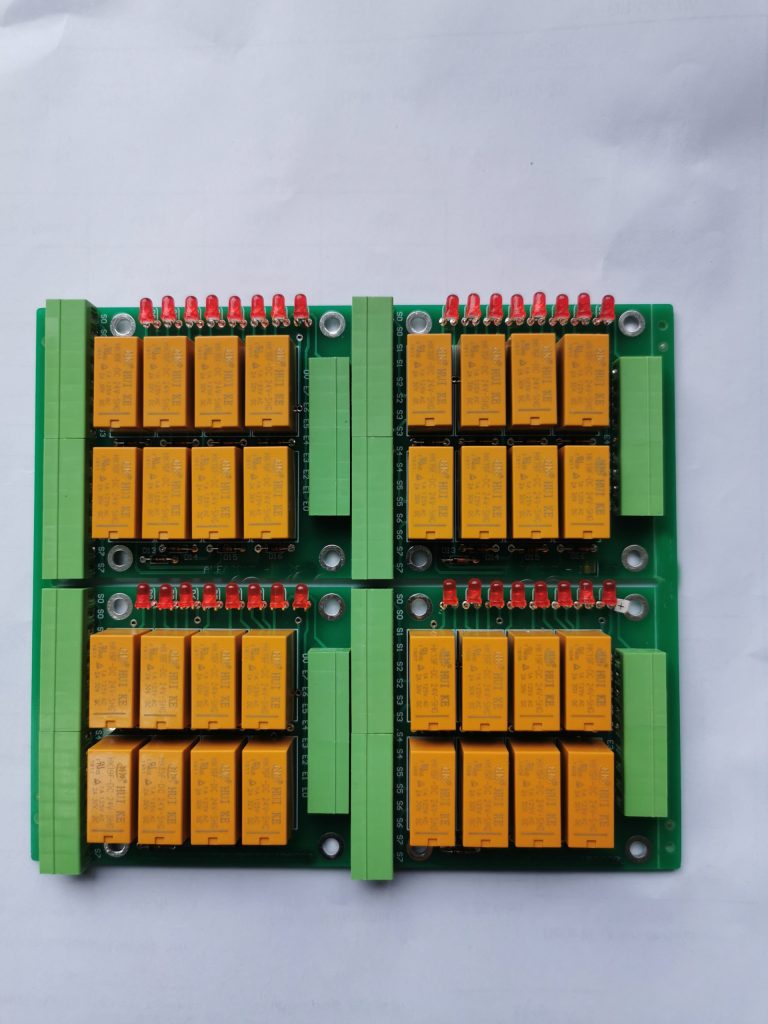
In the realm of pcb assembly or PCBA, understanding the foundational aspects is crucial for success in any electronics project. At its core, board assembly involves the integration of various electronic components onto a printed circuit board, which forms the essential backbone of electronic devices. A solid grasp of component placement, soldering techniques, and circuit design is fundamental. Attention to detail during this stage can prevent a host of issues down the line. Proper alignment and secure connections are vital for ensuring that your final product operates as intended.
Effective pcba requires familiarity with industry-standard practices that support both precision and efficiency in assembly. As you delve deeper into this process, consider adopting a systematic approach: first, familiarize yourself with the tools and equipment needed for this meticulous work. These include soldering irons, tweezers, and magnification lenses, each contributing to optimal results when assembling your boards.
“Always double-check your component orientation before soldering; it can save you hours of troubleshooting later.”
Moreover, it’s advantageous to develop a checklist that ensures all components are correctly positioned and secured prior to soldering. This will not only enhance quality but also boost your overall productivity during board assembly processes. By mastering these basics, you set a strong foundation for advancing into more complex techniques later on, ultimately improving both the quality and efficiency of your projects.
Tools and Equipment Essential for Precision
In the realm of pcb assembly, having the right tools and equipment is pivotal for achieving high levels of precision and efficiency. The following table outlines crucial tools that every technician should consider when engaging in pcba projects:
| Tool/Equipment | Purpose |
|---|---|
| Soldering Iron | For joining electronic components through solder |
| Multimeter | For measuring voltage, current, and resistance |
| Hot Air Rework Station | To rework existing components without damage |
| PCB Holder/Clamp | To secure the board during assembly |
| Tweezers | For precise placement of small components |
| Flux Pen | To improve solder flow and reduce oxidation |
Each of these tools serves a distinct role in the assembly process and contributes to maintaining the expected quality standards in every project. For example, using a soldering iron with adjustable temperature settings can significantly enhance your ability to work with different component types, thus improving your results. Precision is not only about selecting high-quality components but also about how you manage your work environment—consider good lighting and keeping your workspace organized as critical factors. By ensuring that you utilize the appropriate tools, you dramatically increase the chances of executing a clean and efficient assembly during your pcb assembly projects. Proper preparation alongside these essential tools fosters an atmosphere where both beginners and experienced professionals can thrive in their endeavors to create outstanding PCBs.
Step-by-Step Guide to Efficient Assembly Techniques
Achieving proficiency in pcb assembly requires a systematic approach that combines the right techniques and tools. Begin by clearly organizing your workspace, as a clutter-free environment can significantly enhance focus and efficiency during the pcba process. Next, ensure that all components are readily accessible; this includes having the necessary tools like tweezers, soldering irons, and multimeters within reach. Start with appropriate component placement; verify each part’s orientation and position before soldering to avoid costly errors. It’s advisable to follow a sequence when soldering, starting from the smallest components and moving to larger ones – this allows for easier access and minimizes the risk of damaging existing connections. As you progress through the assembly, regularly check your work against schematics to ensure all connections are accurate and intact. Additionally, implementing techniques such as using solder paste and a reflow oven can enhance consistency in soldering quality while speeding up production time. By adhering to these best practices, you can ensure that each assembly project not only meets industry standards but also stands out for its precision and efficiency in pcb assembly processes.
Troubleshooting Common Board Assembly Challenges
In the intricate world of pcb assembly or pcba, encountering challenges is an inevitability that every assembler faces at some point. One prevalent issue is misalignment of components, which can lead to functionality problems. To address this, ensuring that the board is secure and that components are placed correctly before soldering is essential. Another common challenge is dealing with soldering defects such as cold solder joints and bridges. To mitigate these issues, it’s crucial to maintain optimal temperature controls during the soldering process and use appropriate soldering techniques. Additionally, thorough testing during various stages can catch these errors before they escalate. Effective organization of tools and components further aids in reducing errors; this ensures that assemblers can easily access needed materials without disrupting the workflow. Embracing a systematic approach towards identifying and resolving these challenges contributes significantly to improving overall assembly quality and efficiency within your pcb assembly projects, fostering a more reliable output whether you’re a novice or a seasoned expert in the field.
Quality Control Measures in Board Assembly
Ensuring high quality in pcb assembly is paramount to achieving reliable and effective results in any project. Implementing robust quality control measures throughout the pcba process can significantly minimize errors, improve outcomes, and enhance overall efficiency. One fundamental strategy involves establishing a thorough inspection protocol at each stage of the assembly. This should include visual inspections to identify misplaced or incorrectly oriented components, as well as functional testing to verify that circuits perform as intended. Utilizing specialized tools such as automated optical inspection (AOI) systems can further augment these efforts by providing an extra layer of scrutiny during the assembly phase. Additionally, maintaining a clean and organized workspace is essential; it aids in preventing contamination that could compromise component integrity or lead to assembly errors. Documentation of each assembly run is also critical, serving not only as a reference for future projects but also allowing for traceability should issues arise later in the production cycle. By prioritizing these quality control measures, teams can significantly enhance their board assembly processes, leading to higher quality results and increased customer satisfaction.
Best Practices for Soldering and Component Placement
Achieving optimal results in pcb assembly hinges significantly on the best practices for soldering and component placement. Proper soldering requires careful attention to detail, starting with selecting the right type of solder. For most projects, using lead-free solder is advisable, as it meets safety regulations and provides excellent conductivity. Additionally, maintaining a clean work environment is essential; any dust or debris can compromise the quality of the connection. When placing components, ensure they are aligned accurately with designated pads on the pcba to avoid misalignment issues that can lead to faulty connections. Utilizing tweezers for small components can enhance precision and minimize the risk of damage during placement. It is also crucial to observe correct heating techniques; overheating can lead to thermal stress, while insufficient heat may not create strong solder joints. A well-calibrated soldering iron, combined with a steady hand and patience, can help achieve reliable results. Moreover, employing inspection methods such as visual checks or automated optical inspection systems allows for early identification of potential issues in pcb assembly, ensuring that both quality and efficiency are prioritized in every project.
Streamlining Your Workflow: Tips for Increased Efficiency
In the world of pcb assembly, enhancing efficiency is crucial for achieving optimal productivity and quality. One effective strategy is to organize your workspace meticulously; a clutter-free environment not only enhances focus but also minimizes the risk of errors. Utilize component bins and storage solutions to keep parts and tools easily accessible, which can significantly reduce the time spent searching for materials. Moreover, investing in high-quality soldering equipment can lead to smoother operation during the pcba process, allowing for precise connections and minimizing rework. Implementing a structured workflow, such as adopting the 5S methodology, can further streamline operations by establishing a routine that emphasizes sorting, setting in order, shining, standardizing, and sustaining an organized setup. This not only boosts individual performance but helps foster a collaborative atmosphere where team members can efficiently communicate and support one another. Additionally, consider documenting processes through flowcharts or checklists; this not only serves as a reference but also aids in identifying areas for improvement over time. By focusing on these targeted strategies within your board assembly process, you can significantly enhance overall efficiency while ensuring high-quality results that meet project demands.
Advanced Techniques for Expert-Level Board Assembly
When venturing into pcb assembly, mastering advanced techniques is crucial for achieving top-tier results. One of the key methods to enhance your pcba process involves the strategic use of solder paste application, which can drastically improve the alignment and adhesion of components. By utilizing a stencil, you can apply solder paste with precision, ensuring that each pad receives the optimal amount required. This not only facilitates better solder flow but also minimizes the likelihood of cold joints and bridges, common issues in soldering.
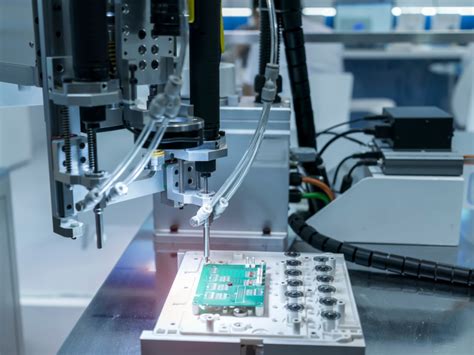
Another sophisticated approach is the implementation of automated pick-and-place machines. These devices significantly increase speed and accuracy in component placement during the pcb assembly process. While manual techniques are beneficial for smaller projects or prototypes, automation allows for rapid production scalability and superior consistency across multiple assemblies.
Furthermore, understanding thermal considerations is crucial during pcba. Employing infrared or convection reflow ovens ensures uniform heating throughout the board, which promotes excellent joint quality and enhances component functionality. Incorporating thermal profiling into your workflow can also allow you to monitor temperature variations that may affect soldering quality.
Lastly, continual learning through participation in workshops or online courses specifically on advanced techniques can keep you up to date with industry standards and innovations. Engaging with a community of professionals in pcb assembly not only enhances your skills but also fosters an environment for sharing valuable insights that can lead to more efficient practices. By integrating these advanced methods into your workflow, you can elevate your assembly projects to an expert level, ensuring remarkable outcomes every time.
Conclusion
In the realm of pcb assembly, achieving precision and efficiency is not merely desirable; it is essential for delivering high-quality results. Throughout this article, we’ve outlined key principles that every practitioner should adopt to elevate their pcba processes. From understanding the fundamentals of board assembly to employing the right tools and equipment, each step plays a critical role in enhancing the overall workflow. By implementing best practices for soldering and component placement, as well as adopting robust quality control measures, you can mitigate mistakes that often arise during assembly. Moreover, troubleshooting common challenges can save you valuable time and resources while allowing for a more streamlined process. For those looking to push their skills to advanced levels, integrating sophisticated techniques will undoubtedly provide an edge in today’s competitive environment. Ultimately, whether you’re a novice or an experienced professional, mastering these strategies will ensure that every board assembly project culminates in a successful outcome, leaving no room for compromise on quality or performance.
FAQs
What is pcb assembly?
Pcb assembly, or PCBA, refers to the process of assembling electronic components onto a printed circuit board (PCB). It involves soldering components and ensuring proper connections to create a functional electronic circuit.
What are the different types of pcb assembly techniques?
There are various pcb assembly techniques, including through-hole technology and surface mount technology. Each method has its unique advantages, and the choice often depends on the specific requirements of the project.
How can I ensure quality in my pcba?
To ensure high-quality pcba, implement rigorous quality control measures throughout the assembly process. This includes visual inspections, automated testing, and thorough documentation of each stage of production.
What tools do I need for effective board assembly?
Essential tools for board assembly include soldering irons, tweezers, flux, multimeters, and specialized jigs. Investing in quality equipment can significantly improve both precision and efficiency in pcb assembly.
How can I troubleshoot common pcb assembly challenges?
Identifying issues such as cold solder joints or misaligned components is critical. Regularly review your processes, conduct tests during various stages of the pcb assembly, and maintain a clean workspace to minimize problems.