Mastering Complex PCB Assembly: A Comprehensive Guide
Key Takeaways
Mastering complex PCB assembly involves a thorough understanding of the intricate processes involved in PCBA. To achieve successful outcomes, one must first grasp the fundamental principles of PCB design, which include circuit layout and component schema. Utilizing essential tools and equipment is pivotal; these include soldering stations, optical inspection systems, and reflow ovens, which all contribute to the precision required in pcb assembly. Additionally, being adept in advanced techniques such as proper soldering methods and strategic component placement is crucial for optimizing assembly efficiency.
Moreover, awareness of common challenges faced during pcba is vital—issues like misalignment or insufficient solder can compromise the quality of work. Learning how to navigate these challenges often involves iterative testing and adjustment protocols. Implementing robust quality control measures ensures that assembled boards meet industry standards, ultimately leading to higher-quality outcomes in PCB assemblies. Finally, staying informed on innovations and trends within the industry can provide insights into new techniques and technologies that enhance overall assembly effectiveness, thereby fostering continuous improvement in your complex PCB assembly projects.
Understanding the Fundamentals of PCB Design
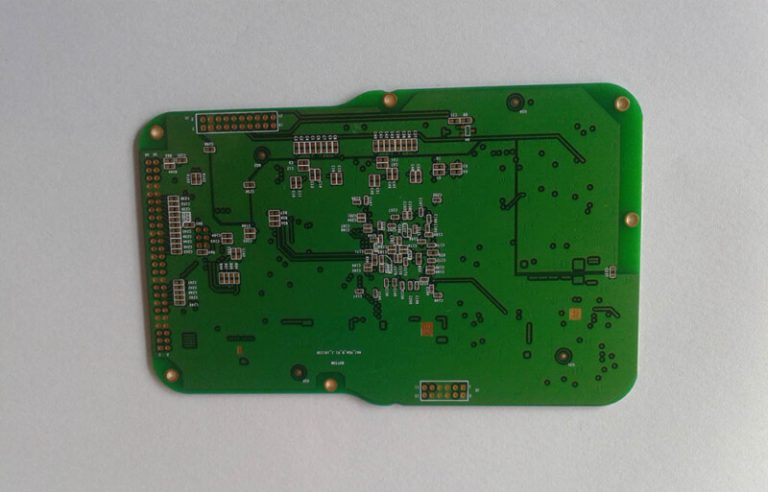
The foundation of PCB assembly lies in an intricate understanding of PCB design, which serves as the blueprint for the entire assembly process. It is crucial to grasp the core principles that guide PCBA to ensure optimal functionality and reliability in the final product. Key components of this process include layer stack-up, trace routing, and component placement. Each element must be carefully considered to minimize signal interference and optimize space utilization. Furthermore, ensuring correct design rules, such as clearance and sizing, is essential in avoiding common pitfalls during assembly. As technology evolves, designers must adapt by incorporating advanced software tools that assist in simulating real-world conditions before production begins. This proactive approach not only streamlines the PCBA process but also contributes to enhancing overall quality. Mastery of these fundamental aspects paves the way for tackling more complex challenges in later stages of complex PCB assembly. Understanding these foundational principles is not merely academic; it directly influences efficiency and longevity in electronic devices, forming a pivotal role in successful PCBA initiatives.
Essential Tools and Equipment for Complex PCB Assembly
When it comes to complex PCB assembly (or PCBA), having the right tools and equipment is critical for ensuring precision and efficiency. Among the essential items are soldering irons, which come in various types, including stationary and portable options. These are pivotal for creating strong connections on intricate circuit boards. Moreover, a reliable hot air rework station allows for the delicate removal and placement of components without damaging the PCB.
Another vital tool is the oscilloscope, which aids in analyzing electronic signals, hence providing insights during both design and troubleshooting phases. Equipment such as a PCB milling machine is helpful when creating custom boards and can save time in prototyping stages. Don’t overlook the importance of using proper hand tools like tweezers, cutters, and wire strippers, as these small items enhance accuracy in handling tiny components.
“Investing in high-quality tools not only accelerates the assembly process but also significantly enhances overall quality,” experts suggest.
Finally, employing software tools for design and simulation—such as CAD (Computer-Aided Design) programs—can be instrumental in visualizing complex layouts before physical assembly begins. In summary, a well-equipped workstation complements your skills and streamlines the entire assembly process of complex PCBs, ultimately leading to higher quality outputs in your projects.
Advanced Techniques in Soldering and Component Placement
In the realm of pcb assembly, mastering soldering and component placement is crucial for achieving high-quality results. Advanced methods such as reflow soldering and wave soldering have become standard practices for professionals looking to optimize their processes. For instance, the use of a specialized solder paste stencil can greatly enhance the accuracy of paste application, ensuring optimal solder joint formation.
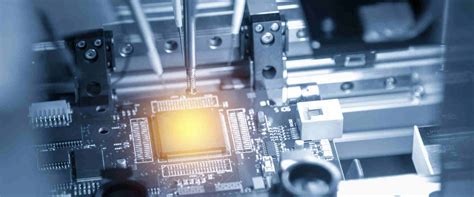
Additionally, employing techniques like pick-and-place machines can significantly improve placement precision and reduce human error. These machines utilize advanced programming to align components perfectly on the printed circuit board (PCB), which is essential when dealing with densely populated designs typical in complex pcba projects.
Moreover, understanding the thermal properties during the soldering process is vital. Implementing controlled thermal profiles during reflow processes can help prevent common defects such as cold joints or tombstoning, which impede the reliability of the final assembly. In summary, integrating these advanced techniques not only enhances efficiency during pcb assembly, but also plays a pivotal role in ensuring long-term performance of electronic devices.
Common Challenges in PCB Assembly and How to Overcome Them
Navigating the landscape of pcb assembly often brings a host of challenges that can impact the overall quality and efficiency of the process. One prominent issue is ensuring the accurate placement of components, particularly in complex PCB designs where space is limited. Misalignment can lead to faulty connections and ultimately compromise functionality. To tackle this, implementing precision tools during the pcba process is essential. Using automated optical inspection (AOI) systems can enhance accuracy and minimize human error.
Another challenge surfaces with soldering techniques. Inadequate solder joints can result from temperature fluctuations or improper application methods. By utilizing advanced soldering techniques, such as reflow soldering, engineers can enhance joint reliability. Training personnel in the nuances of these techniques is crucial for achieving high-quality results.
Additionally, managing component variations poses a significant challenge. Different suppliers may offer components that slightly vary in size or shape, leading to issues during assembly. A proactive solution involves establishing strong relationships with reliable suppliers and investing in robust quality checks to ensure component consistency.
| Challenge | Solution |
|---|---|
| Component Misalignment | Implement precision tools, use AOI systems |
| Insufficient Solder Joints | Employ advanced soldering techniques |
| Component Variations | Build strong supplier relationships |
By addressing these challenges systematically, teams can improve their pcb assembly processes, leading to more successful outcomes in complex projects.
Quality Control Measures for High-Quality PCB Assemblies
In the realm of pcb assembly, implementing rigorous quality control measures is essential for achieving superior outcomes in the pcba process. These measures encompass various stages, starting from the design phase and extending through to the final assembly. During the initial design phase, it is crucial to adhere to industry standards, ensuring that schematic designs and layouts are optimized for manufacturability. Utilizing advanced simulation tools can identify potential issues early, mitigating risks during later stages.
Once components are selected and sourced, visual inspections play a vital role in verifying that all are free from defects or damage. As assemblies progress through the manufacturing process, employing automated Optical Inspection (AOI) systems can significantly enhance efficiency. These systems can detect alignment issues and soldering defects that may not be apparent to the naked eye.
Moreover, rigorous testing protocols such as In-Circuit Testing (ICT) or Functional Testing should be integrated to ensure that each unit performs according to specifications. By adopting these comprehensive quality control measures—covering every aspect from design through to assembly—manufacturers can achieve high-quality pcb assembly while minimizing errors, thus ensuring optimal performance of the final product in its intended application. This holistic approach not only bolsters reliability but also boosts consumer confidence in high-complexity pcba projects.
Innovations in PCB Assembly: Trends to Watch
The landscape of PCB assembly is continually evolving, driven by technological advancements and market demands. One of the most exciting trends is the rise of automated processes. Automation not only increases productivity but also enhances precision in soldering and component placement within PCBA. Incorporating robotics, especially in high-volume production, helps minimize human error and optimize labor costs. Additionally, the integration of artificial intelligence (AI) into PCB assembly systems is revolutionizing quality control. AI algorithms can analyze production data in real-time, allowing for immediate adjustments to processes and reducing defects significantly.
Another noteworthy innovation is the use of advanced materials that enable lighter, thinner designs without compromising performance. Flexible PCBs are gaining traction in various applications due to their adaptability and space-saving characteristics. Furthermore, trends toward more sustainable practices in PCBA are leading to enhanced recycling methods and environmentally-friendly materials, meeting increasing regulatory demands.
Lastly, the expansion of the Internet of Things (IoT) technology has made its mark on PCB assemblies by necessitating components that can communicate effectively with networked devices. This trend demands innovative solutions for integration within compact spaces while maintaining optimal functionality. Together, these innovations in PCB assembly signify a shift toward more efficient, effective, and sustainable production methods that are essential for meeting future market needs.
Case Studies: Successful Complex PCB Assembly Projects
Analyzing successful complex PCB assembly projects provides valuable insights that can enhance one’s understanding and application of PCB assembly techniques. One notable case involved a medical device manufacturer that required a high-density PCBA with stringent reliability standards. By implementing a modular design approach, the team effectively minimized the risk of errors during assembly, ensuring that each component was easily accessible for inspection and repairs. This project highlighted the importance of thorough testing protocols, demonstrating how early-stage testing can prevent costly revisions later in the process.
Another compelling example comes from the aerospace sector, where precision and quality are paramount. A leading aerospace company tackled the challenge of assembling a complex board for navigation systems. By adopting advanced soldering techniques and leveraging automated assembly equipment, they not only improved efficiency but also reduced human error significantly. The emphasis on continuous quality control during every stage of production led to an impressive reduction in defective units.
These case studies not only illustrate successful implementations of complex PCB assembly but also emphasize key takeaways such as the necessity of innovative techniques and strict quality measures. As industries increasingly rely on sophisticated PCBA solutions, learning from past achievements will be crucial for future advancements in this field.
Conclusion
In summation, mastering complex PCB assembly is essential for any professional looking to elevate their skills in the field of electronics. Throughout this guide, we have explored various aspects of PCB assembly, delved into the fundamentals of PCB design, and highlighted the significance of each component in ensuring successful assembly outcomes. By familiarizing oneself with the essential tools and equipment required for efficient assembly, as well as adopting advanced techniques for soldering and component placement, assembly professionals can significantly enhance their productivity. Furthermore, understanding common challenges in PCBA and learning effective strategies to overcome them is crucial for achieving high-quality results. As we embrace current innovations and trends in this dynamic field, it becomes apparent that continuous learning and adaptation are key to remaining competitive. Ultimately, the insights gained through this comprehensive guide will not only help you tackle complex projects with confidence but also contribute to your long-term success in the realm of PCB assembly and design.
FAQs
What is the difference between PCB and PCBA?
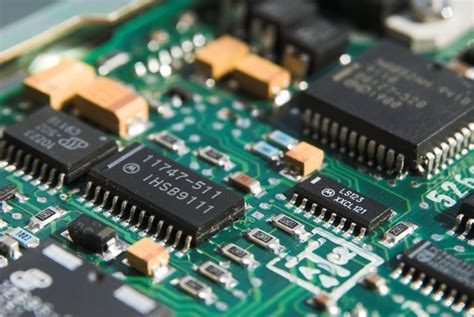
PCB stands for Printed Circuit Board, which refers to the bare board that provides the physical structure for electronic components. PCBA, or Printed Circuit Board Assembly, is the completed board with all components soldered onto it and is ready for use in electronic devices.
What are the common materials used in PCB assembly?
The most commonly used materials are FR-4, which is a standard epoxy resin glass weave, and CEM-1, a composite material used for single-layer boards. Other materials may include aluminum or polyimide depending on the application requirements.
Why is quality control important in PCB assembly?
Quality control ensures that PCB assemblies function correctly and reliably. By implementing stringent quality control measures, manufacturers can detect defects early, preventing costly errors and maintaining high performance standards.
How can I improve my skills in complex PCB assembly?
To enhance your skills in PCB assembly, consider engaging in workshops or online courses that focus on advanced soldering techniques, the latest tools, and equipment. Continuous practice on different projects will also help solidify your understanding.
What tools are essential for complex PCB assembly?
Key tools include a reliable soldering iron, solder paste, stencils for accurate application, a microscope for inspection, and an oscilloscope to test functionality post-assembly. Each of these tools plays a critical role in achieving high-quality results.