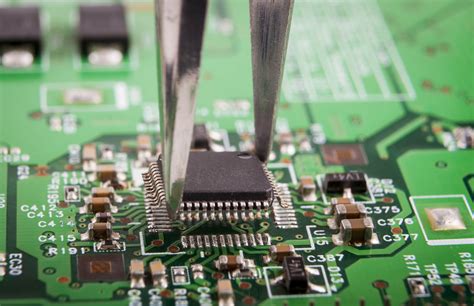
Mastering the Art of Assembling PCB Components Efficiently
Key Takeaways
When it comes to pcb assembly, understanding the fundamental principles and nuances of the process is paramount. One of the key takeaways is recognizing that efficient PCBA heavily relies on grasping the specific characteristics and roles of each component used in circuits. This foundational knowledge empowers assemblers to make informed decisions when placing components, thereby enhancing overall precision. Additionally, employing the right tools cannot be overlooked; investing in high-quality equipment facilitates smoother operations and reduces potential errors. It’s beneficial to adopt structured workflows as this not only speeds up the assembly process but also minimizes downtime during production runs. Furthermore, attention must be paid to common pitfalls that often occur, such as misalignment of components or improper soldering techniques. By identifying these issues early on, one can significantly enhance output quality while ensuring compliance with industry standards. In conclusion, balancing thorough preparation with ongoing skill enhancement lays a strong groundwork for mastering PCB assembly, fostering a more efficient and effective assembly environment for both beginners and seasoned professionals alike.
Understanding the Basics of PCB Components
In the realm of pcb assembly, understanding the fundamental components is crucial for achieving a successful printed circuit board assembly (PCBA). A PCB includes various elements such as resistors, capacitors, inductors, and semiconductors that create electrical circuits when connected. Each component plays a unique role; for example, resistors limit current flow, while capacitors store electrical energy.
Familiarity with these components allows for better decision-making regarding layout design, which is essential in optimizing the pcba process. A well-designed PCB not only improves functionality but also enhances the overall efficiency during assembly. Here’s a simplified table to illustrate some common PCB components and their functions:
| Component | Function |
|---|---|
| Resistor | Limits current flow and divides voltages |
| Capacitor | Stores and releases electrical energy |
| Inductor | Stores energy in a magnetic field |
| Diode | Allows current to flow in one direction only |
| Transistor | Amplifies or switches electronic signals |
Understanding these distinctions lays the groundwork for more advanced techniques in efficient component placement, ultimately streamlining your workflow in pcb assembly. Adopting a strategic approach from the outset not only safeguards against common mistakes but also enhances accuracy during assembly.
“Knowledge of electronic components is foundational to any successful PCB design.”
Essential Tools for PCB Assembly
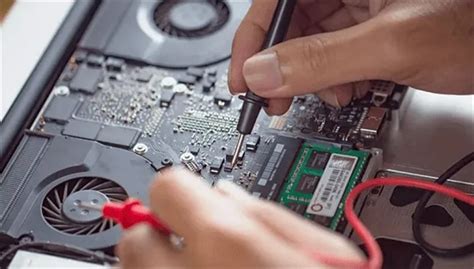
When diving into the world of PCB assembly, having the right tools at your disposal can significantly impact the overall efficiency and quality of your work. First and foremost, a reliable soldering iron is indispensable; it allows for both precise application of heat and a strong connection between components. In addition to soldering tools, a high-quality multimeter is crucial for testing electrical connections and ensuring that each component functions as intended during the PCBA process.
Moreover, employing tweezers designed specifically for electronics assembly can greatly enhance your ability to handle small components, which in turn improves accuracy while placing them on the board. To further streamline your workflow, a well-organized component bin can help categorize and quickly access parts during assembly. Lastly, a good pair of safety goggles is essential to protect your eyes while working with solder and other materials that could pose health risks. By investing in these essential tools, you will lay a solid foundation for efficient and effective PCB assembly, ultimately leading to superior project outcomes.
Step-by-Step Guide to Assembling PCB Components
Assembling PCB components requires a careful and methodical approach to ensure that every piece fits perfectly, enhancing the overall functionality and aesthetic of the PCB assembly. Start by organizing your workspace, making sure all components are easily accessible and accounted for. A clean and orderly environment reduces the chances of errors. Begin with the larger components, such as capacitors and resistors, as they typically require more space on the PCBA. It is essential to securely place each component in its corresponding hole on the board before soldering.
Use appropriate soldering techniques, ensuring that you heat the joint sufficiently for a strong bond while avoiding excessive heat that could damage surrounding components. As you progress through the assembly process, frequently check your work against schematics to confirm accurate placement and orientation of all PCB components. Implementing a systematic approach not only enhances efficiency but also significantly lowers the risk of mistakes that could derail your project. Properly executing these steps will aid in achieving an effective and reliable PCB assembly, paving the way for successful projects in electronics design.
Tips for Enhancing Accuracy in PCB Assembly
Achieving precision in PCB assembly is critical to the successful performance of any electronic device. To enhance accuracy during the assembly of PCB components, it is vital to adopt a systematic approach. First, ensure that all components are carefully organized and clearly labeled to prevent any mix-ups, especially when dealing with multiple PCBA projects simultaneously. The use of a magnifying glass or loupe can significantly aid in inspecting component orientation and positioning, which is particularly important for small SMD parts where precision placement is crucial.
Utilizing a stencil for solder paste application also contributes to better accuracy by maintaining consistent amounts of solder on each pad. Additionally, consider implementing automated pick-and-place machines that significantly enhance placement precision. Regular testing during the assembly process using continuity tests can identify errors early on, preventing costly rework later. By incorporating these practices, you will not only elevate your skills but also improve the overall quality of your PCB assemblies, leading to more reliable final products and satisfied stakeholders in your electronic endeavors.
Common Mistakes to Avoid During PCB Assembly
When engaging in pcb assembly, it’s crucial to be aware of common pitfalls that can compromise the quality and functionality of the finished product. One frequent mistake is neglecting to verify the correct orientation of components assembled pcb. Misplacing components like polarized capacitors or diodes can lead to circuit failures that are often difficult to diagnose. Another common error involves insufficient inspection before soldering; failing to check for solder bridging or cold joints can sabotage even a meticulously assembled pcba. Additionally, many enthusiasts underestimate the importance of cleanliness—contaminants on the board can lead to poor connections, affecting overall performance. It’s also worth noting that using inappropriate soldering techniques, such as excessive heat or inadequate cooling, can damage components and lead to inconsistent electrical performance. By being mindful of these issues and implementing a structured assembly process, one can dramatically enhance the quality and reliability of their pcb assembly projects. Remember, taking a moment to double-check work not only saves time but also boosts confidence in your final product.
Streamlining Your PCB Assembly Workflow
Optimizing your PCB assembly workflow is crucial for increasing productivity and ensuring the highest quality in the final product. To begin with, it’s essential to have an organized workspace; this means having all essential tools and components readily accessible. A well-arranged area minimizes time spent searching for parts, enabling smoother operations during the assembly phase. Next, implementing a systematic approach to component placement can significantly enhance efficiency. Familiarize yourself with the layout of the board and establish a placement strategy that allows for logical sequencing of parts, which can help avoid confusion.
Additionally, consider utilizing advanced techniques such as automated pick-and-place machines if your production scale justifies such an investment. These machines not only speed up the process but also improve accuracy, significantly reducing the chance of human error in placing PCB components. Regularly assessing and refining your processes along with maintaining clear communication within your team can also play a pivotal role in streamlining operations. By focusing on these aspects, you can create a more productive environment that enhances both speed and precision throughout the PCBA process, ultimately driving success in your projects.
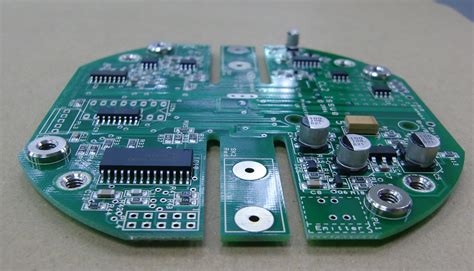
Advanced Techniques for Efficient PCB Component Placement
Efficient PCB assembly begins with mastering advanced techniques for component placement, which can significantly affect the overall performance and reliability of the circuit board. One effective method is to implement a systematic approach by categorizing components based on their size, type, and placement strategy. This helps in organizing your workspace and minimizes errors during the PCBA process. Utilizing automated pick-and-place machines can drastically reduce human error and improve assembly speed; however, understanding manual placement techniques remains crucial, especially for delicate components or prototypes. Employing solder paste stencils ensures even distribution of solder paste, which is vital for creating reliable electrical connections. Additionally, practicing proper orientation alignment ensures that each component is positioned correctly, which enhances circuit functionality and reduces rework time. Regularly inspecting placements with optical inspection equipment can help identify misalignments before soldering takes place. By incorporating these advanced techniques, you can achieve a higher level of efficiency and precision in your PCB assembly, ultimately leading to a more robust final product.
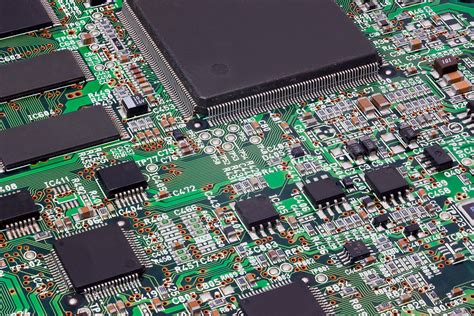
Maintaining Quality Control in PCB Assembly
To ensure the highest standards in PCB assembly, maintaining quality control is paramount. Quality control (QC) involves a series of processes aimed at catching defects early in the PCBA process, thus avoiding costly reworks and ensuring the reliability of the final product. One effective strategy is to implement regular inspections during various stages of assembly; this can include visual inspections and automated tests to check for component placements and soldering accuracy. Utilizing specialized tools such as optical inspection machines can significantly enhance the detection of discrepancies in layout or component orientation. Furthermore, establishing a robust documentation system helps in tracking defects and identifying recurring issues, enabling teams to make informed adjustments to their processes. Regular training sessions for workers on quality standards and best practices also foster an environment committed to excellence. Additionally, employing a statistical approach to monitor performance metrics allows for continuous improvement of PCB assembly methods. By prioritizing these quality control measures, manufacturers can ensure that their products not only meet industry standards but also resonate with customer expectations for reliability and performance.
Conclusion
In conclusion, mastering the art of PCB assembly is a journey that requires continuous learning and practice. Through the techniques discussed, you can significantly improve your efficiency in PCBA. Emphasizing the importance of understanding the fundamentals of PCB components, utilizing essential tools effectively, and employing advanced techniques for precise component placement are vital steps in enhancing your skills. Moreover, by adopting best practices to streamline your workflow and maintaining stringent quality control measures, mistakes can be minimized, ensuring high-quality output in every project. Remember that even seasoned professionals must remain vigilant against common pitfalls in pcb assembly to maintain accuracy and productivity. As you move forward in your PCB assembly endeavors, keep these principles at the forefront; they are key to achieving success in the fascinating and intricate world of PCB assembly.
FAQs
Q: What is pcb assembly?
A: PCB assembly refers to the process of connecting multiple electronic components to a printed circuit board (PCB) to create a functional electronic device. This typically involves soldering components onto the PCB surface.
Q: What are the main techniques used in PCBA?
A: The main techniques include surface mount technology (SMT) and through-hole technology. Each method has its advantages and is chosen based on the specific requirements of the board design.
Q: How can I ensure accuracy during pcb assembly?
A: To enhance accuracy, you should utilize precise tools, maintain a clean workspace, and follow a systematic approach that includes pre-preparation of components and regular checks throughout the process.
Q: What tools are essential for PCBA?
A: Essential tools include soldering irons, solder paste dispensers, tweezers for placing components, multimeters for testing connections, and magnifying lenses to inspect work.
Q: What common mistakes should I avoid during pcb assembly?
A: Common mistakes include incorrect component placement, insufficient solder application, failing to check for shorts or open circuits, and not following safety protocols during assembly.
Q: How can I streamline my pcb assembly workflow?
A: Streamlining can be achieved by organizing your workspace effectively, using efficient setup techniques like preparing all components in advance, and familiarizing yourself with the entire assembly process before beginning.
For more insights into enhancing your PCB production capabilities or to explore advanced techniques in pcb assembly, please visit our comprehensive guide here.