Mastering the Art of Printed Circuit Board Assembly
Key Takeaways
By mastering the art of PCB assembly, both beginners and seasoned practitioners can achieve exceptional results in their electronic projects. Essential tools and techniques, from precise component placement to robust soldering methods, play pivotal roles in ensuring the functionality and reliability of your PCBA. Rigorous quality control checks are fundamental in identifying and rectifying issues early, thus ensuring flawless assemblies. Moreover, understanding how to troubleshoot common problems is crucial, allowing you to address any issues efficiently. By consistently applying best practices and advanced techniques, you can significantly elevate your skills and ensure that every project meets the highest standards of performance and reliability.
Introduction to Printed Circuit Board Assembly
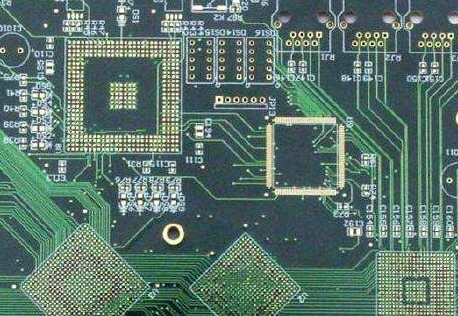
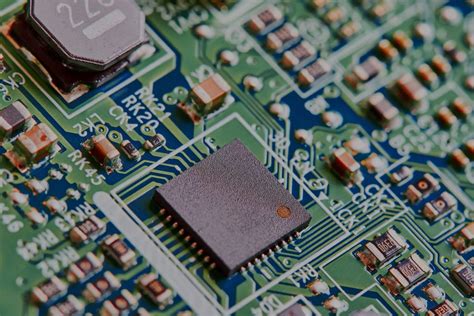
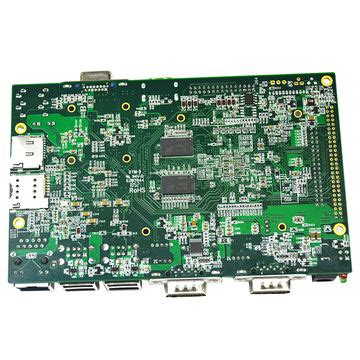
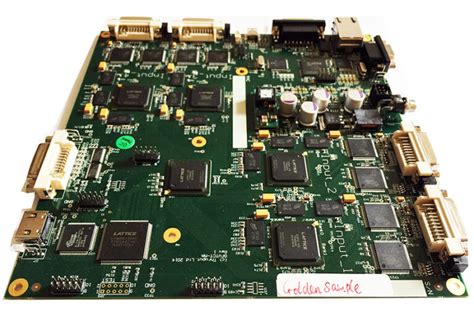
Delving into the world of PCB assembly unveils a fascinating intersection of precision and technical skill. The journey begins with understanding the role of a printed circuit board, which serves as the foundation for countless electronic devices. The pcb assembly process involves several crucial steps, from component placement and soldering to rigorous quality control measures.
In essence, PCBA can be broken down into a series of methodical stages. Each stage is designed to ensure that every component is precisely placed and securely connected. For those new to this field, getting acquainted with the fundamental tools and techniques is essential. Mastering these initial steps can significantly impact the overall success of your electronic projects.
Understanding how to align components correctly is pivotal; misalignment can lead to dysfunctional circuits and potential damage. Once placement is perfected, soldering binds the components to the board, forming electrical connections that need to be both strong and reliable.
“Precision in component placement and soldering is key to achieving a flawless PCB assembly.”
Quality control plays an indispensable role throughout the entire process. Each assembled board must undergo thorough testing to identify any faults or issues before they can affect product functionality. By addressing these errors early on, you ensure that your final product meets high standards of reliability and performance.
Delving deeper into PCB assembly, seasoned practitioners will find advanced techniques that can further refine their skills, enabling them to tackle more complex designs with confidence. Whether you’re a novice or an experienced assembler, continuous learning and adherence to best practices will always yield optimal results in your electronic endeavors.
Essential Tools and Equipment for PCB Assembly
To achieve exceptional results in PCB assembly (PCBA), it’s crucial to have the right tools and equipment at your disposal. At the very core, you’ll need a high-quality soldering iron equipped with a fine tip for precision work. Equally important is a reliable solder, preferably lead-free to align with modern safety standards. A multimeter is indispensable for testing electrical connections, ensuring that each circuit functions as intended.
For component placement, precision tools such as tweezers and a magnifying glass or microscope are essential to handle tiny components accurately. A temperature-controlled reflow oven can streamline the soldering process for surface mount components, while a hot air rework station can assist in both soldering and desoldering tasks.
An effective workbench should also have an anti-static mat and wrist strap to prevent electrostatic discharge from damaging sensitive components. For quality control, a good inspection system featuring an optical microscope or digital camera helps in scrutinizing solder joints and overall component placement.
Lastly, having organizational tools like component trays and storage containers can enhance workflow efficiency, keeping your workspace tidy and your components easily accessible. With these essential tools and equipment in hand, you are well-equipped to achieve flawless results in your pcba projects.
Component Placement: Techniques and Best Practices
The component placement stage is a critical phase in the pcb assembly process that ensures the functionality and reliability of the final product. Proper placement of components can significantly reduce the risk of soldering defects and improve overall performance. When placing components, it’s essential to consider the following best practices:
Best Practices for Component Placement
| Practice | Description |
|---|---|
| Component Orientation | Ensuring all components are oriented correctly according to design specifications to avoid connectivity issues. |
| Spacing and Clearance | Maintain adequate spacing between components to prevent short circuits and facilitate effective soldering. |
| Symmetry | Place components symmetrically to ensure balanced stress distribution during handling and operation. |
| Thermal Management | Position heat-sensitive and heat-generating components appropriately to manage thermal flow effectively. |
| Accessibility for Testing | Arrange components in a way that allows for easy access during testing and troubleshooting phases. |
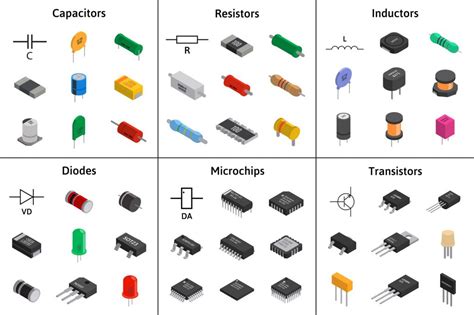
When it comes to component orientation, always follow the assembly guidelines provided in the PCB design documentation. Correct orientation is crucial for integrated circuits (ICs), diodes, and capacitors, as improper alignment can lead to circuit malfunction.
Spacing and clearance play a vital role in avoiding unintended short circuits, which could compromise your entire PCBA. Ensure there is adequate space around each component not only for electrical safety but also to facilitate efficient soldering.
Symmetry can be particularly useful in maintaining mechanical stability throughout the PCB, minimizing warpage during thermal cycles. Balanced placement helps distribute stress equally across the board.
Addressing thermal management during component placement is essential for ensuring your assembly does not overheat during operation. Heat-sensitive elements should be placed away from heat sources, while heat-generating components should have sufficient heat sinks or be near ventilation points.
Lastly, consider the testing phase by placing vital test points accessible without disrupting other parts of your PCBA setup. Accessibility simplifies both quality control procedures and future troubleshooting tasks, aiding long-term maintenance.
Mastering these techniques will elevate your skill set in PCB assembly, ensuring that each of your projects meets high standards of durability and functionality.
Soldering Methods: Achieving Strong and Reliable Connections
In the realm of PCB assembly, mastering various soldering methods is crucial to ensure strong and reliable connections. Soldering, the process of joining electronic components to a PCB, involves heating and melting solder material to create an electrical bond between the component leads and the PCB pads. The two primary techniques utilized in PCB assembly are hand soldering and reflow soldering.
Hand soldering is a fundamental skill that requires precision and finesse. This method involves using a soldering iron – a handheld tool that heats up solder material – which is then applied directly to the joint area. Practitioners must be careful to regulate temperature, as excessive heat can damage components or lead to poor connections.
On the other hand, reflow soldering is a more advanced technique often used in mass production. This method uses a reflow oven where PCBs travel through temperature zones. Solder paste, pre-applied to the PCB during the assembly process, melts and solidifies as it cools, creating numerous simultaneous connections.
An alternative method worth mentioning is wave soldering, particularly for through-hole PCBs. This technique involves passing the PCB over a wave of molten solder which adheres to exposed metal areas like component leads.
A critical aspect of PCBA (Printed Circuit Board Assembly) is evaluating the type of components being used—surface mount technology (SMT) or through-hole technology (THT). SMT components are typically smaller and require precise reflow soldering, while THT components are larger and better suited for wave or hand soldering.
Incorporating these soldering methods into your skillset for PCB assembly ensures robust electrical connections that stand up to both time and function. Knowledge of when and how to use each method can significantly enhance the reliability of your electronic projects.
Proper practice of these techniques will lead to optimal results in your PCBA endeavors, creating durable and reliable electronic circuits ready for use in various applications.
Quality Control: Ensuring Flawless PCB Assembly
Ensuring the quality of PCB assembly is paramount to achieving optimal performance and reliability. Quality control begins with a meticulous inspection of all components and materials before assembly. This preliminary check is crucial for identifying any defects or inconsistencies that may compromise the final product. During the pcba process, every step must be carefully monitored, from component placement to soldering methods. Advanced inspection techniques, such as automated optical inspection (AOI) and X-ray inspection, can detect deficiencies that manual inspections might miss. Moreover, implementing stringent testing protocols, including in-circuit testing (ICT) and functional testing, helps verify the integrity and functionality of the assembled PCB. By adhering to best practices in quality control, manufacturers can ensure that their PCBs not only meet but exceed industry standards, resulting in reliable and high-performing electronic devices.
Troubleshooting Common PCB Assembly Issues
Encountering issues during PCB assembly is not uncommon and can often lead to frustrating delays. Identifying and addressing these problems promptly is essential for maintaining the quality and functionality of your PCBA. One common issue is poor solder joints. These can result from inadequate soldering techniques or using low-quality materials, leading to unstable connections or even complete circuit failure. Visual inspection with magnification tools, coupled with proper soldering methods, can significantly mitigate this problem.
Another frequent challenge is component misplacement, which can occur due to incorrect component orientation or placement errors during the assembly process. Utilizing automated placement tools and double-checking against design layouts before soldering can help prevent such inaccuracies.
Short circuits are another troublesome issue often stemming from solder bridges or improper layout designs. Utilizing a multimeter for continuity testing before powering the board can efficiently pinpoint shorts, allowing for quick rectification.
Thermal management issues should not be overlooked, as overheating components can degrade functionality and lifespan. Ensuring proper heat dissipation through the use of thermal pads or heat sinks, as well as verifying that components are rated for their operating environments, can help in managing thermal conditions effectively.
Lastly, inconsistent power delivery and signal integrity problems might arise from poor trace design or inadequate decoupling capacitors. Proper PCB layout design practices, such as maintaining clean trace paths and utilizing bypass capacitors effectively, play a critical role in ensuring reliable power distribution across the PCBA.
Effective troubleshooting involves a systematic approach: inspect visually first, test electrically second, and review your design as needed. By employing these strategies, one can significantly reduce assembly-related setbacks and ensure a smoothly functioning PCB that meets specifications and performance expectations.
Advanced Techniques for Experienced Practitioners
For those who have mastered the basics, delving into advanced techniques can significantly enhance your PCB assembly (PCBA) skills. One crucial area is the optimization of surface-mount technology (SMT). This involves refining your pick-and-place strategies to improve accuracy and efficiency. Leveraging automated optical inspection (AOI) tools can also play a pivotal role in identifying assembly defects early on, thus saving valuable time in the production process.
Understanding the importance of thermal profiling and its impact on solder reflow is another advanced technique vital for experienced practitioners. By carefully monitoring temperature curves, you can ensure proper solder joint formation, leading to more reliable and durable connections. Additionally, integrating controlled impedance design in your PCB layout can deliver significant performance improvements for high-speed circuitry.
Enhanced troubleshooting capabilities are essential for complex PCB assemblies. Techniques such as boundary-scan testing and in-circuit testing (ICT) allow for detailed diagnostics of intricate faults that might otherwise go undetected. By honing these skills, you can quickly pinpoint issues and implement corrective measures with precision.
Lastly, continual education on emerging technologies and methodologies keeps seasoned professionals ahead of the curve. Whether it’s adopting new soldering alloys or experimenting with advanced fluxing agents, staying informed allows you to push the boundaries of what’s possible in PCBA. By incorporating these advanced techniques into your workflow, you will elevate the quality and performance of your electronic projects significantly.
Conclusion: Elevating Your PCB Assembly Skills
In mastering the art of PCB assembly, you’ve embarked on a journey that combines meticulous attention to detail with advanced technical prowess. By integrating the essential tools and best practices, you can ensure the placement of components and achieve strong, reliable solder connections. Comprehensive quality control procedures will help you maintain an error-free assembly process, while effective troubleshooting techniques prepare you to address any issues that arise. For experienced practitioners, advanced methods offer opportunities to refine your skills further. Elevate your PCBA capabilities and strive for perfection in your electronic projects, achieving both precision and functionality with every build.
Conclusion: Elevating Your PCB Assembly Skills
As we reach the culmination of our comprehensive guide, “Mastering the Art of Printed Circuit Board Assembly,” it’s clear that the path to achieving proficiency in pcb assembly involves meticulous attention to detail and a deep understanding of essential techniques. By mastering component placement, leveraging effective soldering methods, and adhering to rigorous quality control measures, both beginners and experienced practitioners can significantly enhance their pcba skills. Moreover, the ability to troubleshoot common issues not only streamlines the assembly process but also ensures the functionality and reliability of your electronic projects. Armed with these insights and a commitment to continuous learning, you are now well-equipped to take your PCB assembly endeavors to new heights.
Frequently Asked Questions
PCB assembly can be a complex process, and many practitioners have numerous questions about it. Below are some common queries and their answers:
1. What is PCB Assembly (PCBA)?
PCB assembly, often referred to as PCBA, involves mounting electronic components onto a printed circuit board. This process is essential for creating functional electronic devices and includes various steps like component placement, soldering, and quality control.
2. What tools are necessary for PCB Assembly?
The essential tools for PCB assembly include soldering irons, tweezers, stencils for solder paste application, reflow ovens, and inspection equipment like magnifying lamps or microscopes.
3. How can I ensure the proper placement of components on the PCB?
Accurate component placement can be achieved by following the design guidelines strictly, using automated pick-and-place machines where possible, and double-checking layout designs before moving on to the soldering phase.
4. What are the different methods of soldering in PCBA?
The two primary methods of soldering in PCBA are:
- Reflow Soldering: where solder paste is applied to pads on the PCB, and then components are placed before heating in a reflow oven.
- Wave Soldering: mainly used for through-hole components where the PCB is passed over a wave of molten solder.
Ready to take your PCB Assembly skills to the next level?
For more comprehensive information on mastering PCB Assembly, please visit this link.
This guide provides in-depth knowledge essential for both beginners and seasoned professionals looking to achieve flawless PCBA results.