Maximizing Efficiency in Contract Manufacturing PCB Assembly
Key Takeaways
In the realm of contract manufacturing for PCB assembly, understanding the nuances of the process is essential for achieving optimal results. The objective is to ensure that the PCB assembly process is both efficient and effective, minimizing time and costs. One significant strategy for enhancing productivity in pcba operations involves implementing best practices that streamline workflow. This includes meticulous planning, regular inspections, and thorough training for personnel involved in the assembly line. Furthermore, embracing advanced technologies such as automation and real-time monitoring can lead to substantial improvements in accuracy and output. These technologies not only reduce manual errors but also facilitate quicker turnaround times. Alongside these innovations, fostering a culture of continuous improvement within teams can inspire creative solutions to common challenges faced in the pcba industry. By leveraging these insights, businesses can enhance their operational efficiency in contract manufacturing, ultimately positioning themselves favorably within a competitive market landscape.
Understanding Contract Manufacturing PCB Assembly: An Overview
Contract manufacturing, particularly in PCB assembly or PCBA, has become an indispensable component of modern electronics production. This process entails outsourcing the manufacturing of printed circuit boards to specialized companies, allowing organizations to focus on their core competencies while leveraging the expertise of seasoned professionals. By engaging in contract manufacturing, businesses can maintain flexibility in their production capabilities, reduce operational costs, and benefit from the latest advancements in technology. As a growing trend, many manufacturers are recognizing that streamlining their assembly processes not only enhances productivity but also improves time-to-market for new products. Moreover, with an emphasis on quality and precision, effective pcb assembly often significantly boosts the reliability and performance of electronic devices. Understanding the fundamental dynamics of PCBA is crucial for businesses looking to thrive in a competitive landscape; this includes grasping the nuances of supply chain management, quality assurance protocols, and efficient workflow design. Ultimately, this understanding lays the groundwork for building successful relationships with contract manufacturers and harnessing the full potential of their services to achieve outstanding results.
Key Best Practices for Streamlining PCB Assembly Processes
To effectively enhance pcb assembly efficiency, it’s crucial to adopt best practices that not only streamline operations but also elevate the quality of the manufactured products. One of the fundamental strategies is to establish robust process documentation, which serves as a reference point for all team members involved in pcba production. Clear guidelines ensure consistency and minimize errors throughout the manufacturing stages.
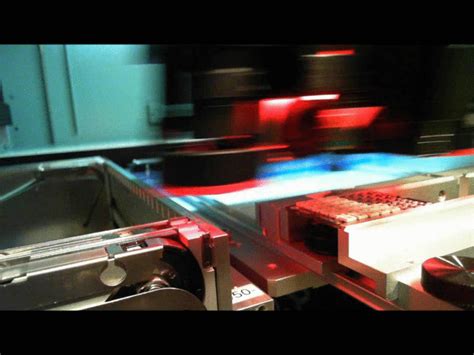
Moreover, embracing automation in processes like soldering and component placement can significantly reduce cycle times while maintaining precision. Investing in state-of-the-art equipment enables manufacturers to handle complex designs effortlessly, thus enhancing output.
“Continuous training and development for staff on the latest tools and techniques not only empowers them but also fosters a culture of innovation within the organization.” Investing in human resources is just as critical as upgrading machinery.
Another important practice is optimizing inventory management by implementing techniques such as Just-In-Time (JIT). This approach minimizes excess stock and reduces carrying costs while ensuring that components are available when needed for seamless pcb assembly operations.
Additionally, incorporating real-time monitoring systems can provide insights into production efficiency. By tracking key performance indicators (KPIs), companies can quickly identify bottlenecks or inefficiencies within their workflows.
In summary, focusing on structured process documentation, automation, continuous staff training, effective inventory management practices, and robust monitoring systems will pave the way for enhanced productivity in pcba operations while ensuring that quality standards are upheld throughout the assembly process.
The Role of Advanced Technologies in Enhancing Efficiency
The integration of advanced technologies into contract manufacturing PCB assembly (or PCBA) processes is becoming a game-changer in enhancing overall efficiency. Innovative tools such as automation, machine learning, and smart manufacturing systems facilitate increased accuracy and reduce the risk of human error during the assembly process. For instance, implementing automated optical inspection systems enables manufacturers to quickly identify defects in printed circuit boards, improving quality control. Moreover, digital twins and real-time data analytics allow for better visualization and tracking of production workflows, aiding in the optimization of resource allocation. By leveraging these modern technologies, companies can not only expedite their PCB assembly processes but also enhance supply chain management, resulting in a more agile response to market demands. Furthermore, utilizing IoT devices can lead to greater connectivity between equipment, fostering a proactive maintenance approach that mitigates downtime. In summary, the adoption of these advanced technologies is pivotal for manufacturers aiming to achieve higher productivity levels within the competitive landscape of contract manufacturing PCB assembly.
Innovative Approaches to Optimize Workflow in Manufacturing
In the realm of contract manufacturing, particularly in PCB assembly or printed circuit board assembly, optimizing workflow is a critical area that can significantly impact overall efficiency and productivity. Companies are increasingly adopting innovative approaches to refine their processes, utilizing tools such as automation and advanced analytics to streamline operations. For instance, implementing automated assembly lines not only speeds up production but also reduces human error, thus enhancing the quality of the PCBA (printed circuit board assembly).
Moreover, utilizing real-time monitoring systems allows manufacturers to track production metrics and identify bottlenecks instantly. This data-driven approach helps teams make informed decisions swiftly and can lead to a considerable reduction in downtime. Establishing a flexible manufacturing system can also contribute positively; it enables rapid shifts in production lines according to shifting demands without compromising quality.
To illustrate these strategies, consider the following table that captures key technologies and their impacts on workflow:
| Technology | Impact on Workflow |
|---|---|
| Automation | Increases speed and reduces errors |
| Real-time Monitoring | Enables immediate response to issues |
| Flexible Manufacturing Systems | Adjusts quickly to market changes |
| Advanced Analytics | Provides data-driven insights for optimization |
By embracing these innovative approaches, companies can significantly optimize their workflow within the PCB assembly process, leading not only to enhanced productivity but also ensuring that they remain competitive in an ever-evolving industry landscape. This strategic focus on efficiency is essential for long-term success in contract manufacturing.

Measuring Productivity: Metrics and Tools for Success
In the realm of contract manufacturing PCB assembly (often abbreviated as PCBA), measuring productivity is essential for driving continuous improvement and achieving operational excellence. Establishing clear metrics is the first step toward understanding productivity levels. Key performance indicators (KPIs) such as cycle time, yield rate, and defect rates provide critical insights into efficiency and quality. For instance, a decrease in cycle time directly correlates with enhanced productivity, allowing companies to deliver more products in less time without compromising quality.
Additionally, utilizing advanced tools such as manufacturing execution systems (MES) can help monitor real-time data on production processes, enabling manufacturers to make informed decisions quickly. By integrating technologies like automated inspection systems, organizations can reduce the rate of defects in their pcb assembly processes, thus minimizing rework and associated costs. Furthermore, adopting lean manufacturing principles can streamline workflows and eliminate wasteful practices throughout the assembly line.
Ultimately, reviewing these metrics regularly empowers manufacturers to identify trends, address inefficiencies, and optimize their operations in the highly competitive landscape of contract manufacturing PCB assembly. By fostering a data-driven culture focused on productivity measurement, companies position themselves to respond effectively to market fluctuations while maximizing their overall output.
Case Studies: Successful Strategies in Contract Manufacturing
In examining successful strategies within contract manufacturing pcb assembly, various real-world examples highlight the effectiveness of specific approaches. One notable case involved a tech company that sought to enhance its PCB assembly efficiency by implementing streamlined communication channels between its engineering and production teams. By utilizing advanced project management software, they ensured that design changes were quickly relayed to the PCBA line, significantly reducing turnaround times and minimizing errors. Another instance involved a manufacturer that invested in automated inspection technologies. This innovation not only improved the accuracy of assembling pcb assembly units but also allowed for real-time quality assessments, which led to a remarkable decrease in defect rates. These case studies illustrate that successful strategies often combine both technological advances and effective team dynamics to achieve optimal productivity and quality in the highly competitive landscape of contract manufacturing.
Future Trends in PCB Assembly and Contract Manufacturing
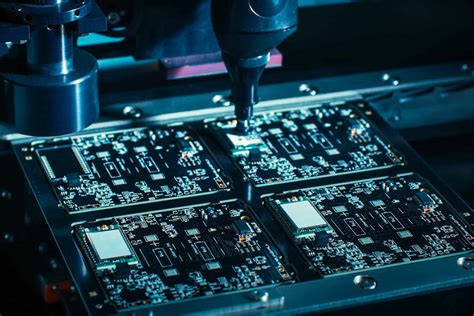
The landscape of PCB assembly and contract manufacturing is poised for significant transformation in the coming years. As industries increasingly demand shorter lead times and greater flexibility, pcba processes are evolving to meet these needs. One trend gaining momentum is the integration of automated solutions into assembly lines, which not only enhance speed but also improve accuracy in component placement. Additionally, the rise of smart manufacturing techniques, powered by advanced data analytics and Internet of Things (IoT) applications, allows for real-time monitoring and adjustments that bolster overall productivity. Companies are also embracing sustainability by adopting eco-friendly materials and practices within their contract manufacturing processes, aligning with global efforts to reduce environmental impact. Furthermore, emerging technologies like artificial intelligence (AI) are being utilized to predict potential failures in production lines before they arise, thus minimizing downtime and optimizing resource allocation. With these trends taking shape, organizations engaged in pcb assembly must remain agile and innovative to stay competitive in a rapidly changing market.
Building Strategic Partnerships for Improved Efficiency
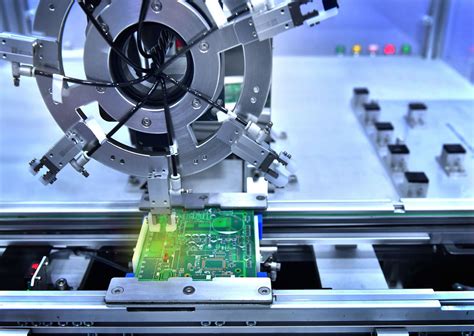
In the competitive realm of contract manufacturing, forming strategic partnerships is essential for boosting efficiency in PCB assembly processes. Collaborating with suppliers, technology providers, and even other manufacturers can lead to significant benefits. These partnerships enable organizations to tap into specialized expertise, share resources, and leverage advanced technologies that enhance the quality and speed of production. For instance, working closely with a PCBA service provider can help streamline practices by aligning design specifications with manufacturing capabilities early in the development process, subsequently reducing rework and minimizing delays. Additionally, mutual investments in shared technology platforms can lead to better communication and integrated workflows that enhance overall productivity. Establishing clear communication channels within these partnerships is critical; it not only fosters collaboration but also mitigates potential misunderstandings that could impact production timelines. By prioritizing these strategic relationships, companies in the contract manufacturing PCB assembly sector can create a more agile environment that is better equipped to meet market demands while maintaining high-quality standards.
Conclusion
In summation, achieving efficiency in contract manufacturing PCB assembly (PCBA) is essential for organizations aiming to enhance their competitive edge. By implementing key practices such as lean manufacturing and continuous improvement, companies can optimize workflows and reduce waste. Additionally, the integration of advanced technologies like automation, artificial intelligence, and real-time data analytics plays a crucial role in enhancing productivity within the pcba process. Moreover, fostering strategic partnerships with suppliers and stakeholders can lead to a more streamlined operation, enabling better resource management and innovation. As the industry continues to evolve, staying informed about future trends and adapting to changing market demands will be vital for sustained success in pcb assembly. The collective effort to embrace best practices, leverage technology, and build collaborative relationships will undoubtedly shape the future landscape of contract manufacturing PCB assembly, ensuring that organizations not only meet but exceed their operational goals.
FAQs
What is PCB assembly?
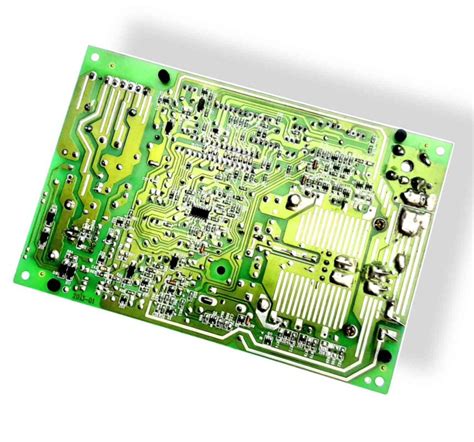
PCB assembly, or Printed Circuit Board Assembly, refers to the process of connecting electronic components to a printed circuit board. This is a crucial step in developing electronic devices.
What are the benefits of contract manufacturing for PCB assembly?
Utilizing contract manufacturing for pcb assembly allows companies to reduce costs, leverage specialized expertise, and improve production speed. It helps businesses focus on their core operations while outsourcing assembly to specialists.
How can advanced technologies enhance PCB assembly efficiency?
Advanced technologies, such as automated assembly machines, assist in pcba by streamlining processes and reducing human error. Incorporating robotics and smart manufacturing solutions can significantly boost productivity.
What best practices should be implemented in PCB assembly?
Best practices include thorough design reviews before production, implementing quality control measures, and optimizing inventory management. These practices ensure that the pcb assembly process runs smoothly and efficiently.
What metrics are important for measuring productivity in PCB assembly?
Key metrics include cycle time, defect rates, and overall equipment effectiveness (OEE). Monitoring these factors helps identify areas for improvement within the pcba process.