metal core pcb construction
Metal core PCB construction is a popular choice for electronic applications that require
high thermal conductivity and efficient heat dissipation. These types of PCBs are designed
with a metal core layer that acts as a heat sink, which helps to dissipate heat generated
by the components on the board. This article will explore the benefits of metal core PCB
construction and how it is used in various electronic applications.
What is Metal Core PCB Construction?
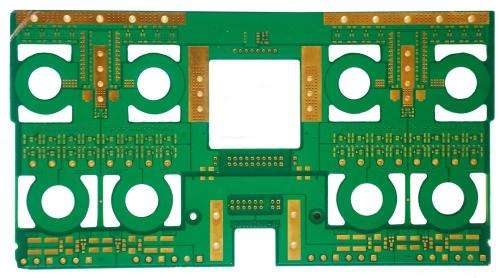
A metal core PCB is a printed circuit board that has a metal core layer in the center,
usually made of aluminum or copper. This metal core layer acts as a heat sink, which helps
to dissipate heat generated by the components on the board. The metal core layer is
sandwiched between two layers of non-conductive material, such as FR-4 or polyimide, which
provide electrical insulation.
The metal core layer is typically thicker than the copper layers used in traditional PCBs.
This is because the metal core layer needs to be able to absorb and dissipate heat
effectively. The thickness of the metal core layer can vary depending on the application,
but it is usually between 0.8mm and 3mm.
Benefits of Metal Core PCB Construction
There are several benefits to using metal core PCB construction, including:
1. High Thermal Conductivity: Metal core PCBs have a high thermal conductivity, which means
that they can dissipate heat more efficiently than traditional PCBs. This is important in
applications where there is a high level of heat generated by the components on the board.
2. Improved Reliability: Metal core PCBs are more reliable than traditional PCBs because
they can handle higher temperatures without degrading. This means that they are less likely
to fail due to thermal stress.
3. Improved Performance: Metal core PCBs can improve the performance of electronic devices
by reducing thermal resistance. This allows for faster and more efficient operation of the
components on the board.
4. Cost-Effective: Metal core PCBs are cost-effective because they can replace traditional
PCBs and heat sinks in some applications. This reduces the overall cost of the electronic
device.
Applications of Metal Core PCB Construction
Metal core PCBs are used in a variety of electronic applications, including:
1. LED Lighting: Metal core PCBs are commonly used in LED lighting applications because
they can dissipate heat more efficiently than traditional PCBs. This helps to improve the
lifespan and performance of the LEDs.
2. Automotive: Metal core PCBs are used in automotive applications because they can handle
high temperatures and vibrations. They are commonly used in engine control modules, power
converters, and lighting systems.

3. Power Electronics: Metal core PCBs are used in power electronics applications because
they can handle high currents and voltages. They are commonly used in power supplies, motor
controllers, and inverters.
4. Aerospace: Metal core PCBs are used in aerospace applications because they can handle
extreme temperatures and harsh environments. They are commonly used in avionics, satellite
systems, and communication systems.
Conclusion
Metal core PCB construction is a popular choice for electronic applications that require
high thermal conductivity and efficient heat dissipation. These types of PCBs are designed
with a metal core layer that acts as a heat sink, which helps to dissipate heat generated
by the components on the board. Metal core PCBs are used in a variety of electronic
applications, including LED lighting, automotive, power electronics, and aerospace. They
offer improved reliability, performance, and cost-effectiveness compared to traditional
PCBs.