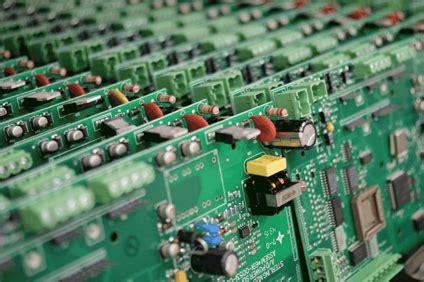
Modern PCB Fabrication with Integrated Component Solutions
Key Takeaway
When navigating PCB manufacturing with integrated components, understanding the relationship between design complexity and PCB manufacturing cost becomes critical. Modern precision-driven processes enable seamless component embedding while maintaining tight tolerances—a capability that sets leading PCB manufacturing companies apart. You’ll find that automated optical inspection (AOI) and surface-mount technology (SMT) integration reduce assembly errors by up to 40%, directly impacting production efficiency.
For businesses scaling their PCB manufacturing business, balancing component sourcing with fabrication timelines is key. Consider these factors:
| Consideration | Traditional Approach | Integrated Solution |
|---|---|---|
| Component Sourcing | Separate vendors | Single-point procurement |
| Assembly Time | 10–14 days | 5–7 days |
| Cost Efficiency | 15–20% overhead | <10% overhead |
| Defect Rate | 3–5% | 0.5–1.2% |
By adopting end-to-end electronics manufacturing, you eliminate supply chain fragmentation—ensuring traceability from raw materials to finished boards. Smart manufacturing frameworks further optimize PCB manufacturing workflows, leveraging real-time data analytics to preempt bottlenecks. Whether prototyping or mass-producing, aligning with certified PCB manufacturing companies guarantees compliance with industry standards like IPC-A-610 and ISO 9001, safeguarding your project’s reliability.
Ultimately, your choice hinges on whether the provider offers scalable solutions that adapt to evolving technical demands while controlling PCB manufacturing cost without compromising quality.
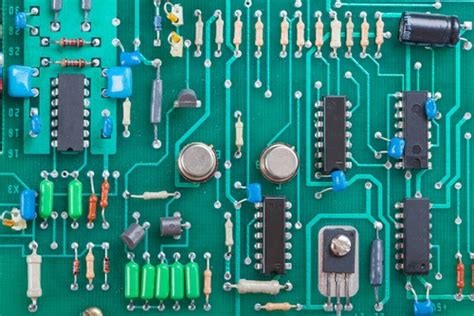
Integrated Component Assembly for PCB Fabrication
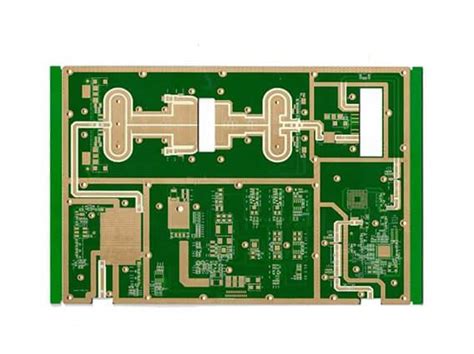
When optimizing PCB manufacturing workflows, integrating component assembly directly into fabrication processes eliminates redundancies while enhancing quality control. Leading PCB manufacturing companies now combine bare-board production with automated pick-and-place systems, ensuring precise alignment of resistors, capacitors, and ICs during initial fabrication stages. This approach reduces PCB manufacturing cost by minimizing handling errors and material waste, particularly for high-volume orders.
You’ll benefit from unified design rules that account for both board layout and component placement, streamlining thermal management and signal integrity checks. For example, embedding passive components within multilayer PCBs can shrink device footprints while improving electrical performance—a critical advantage in IoT or wearable tech. By partnering with a full-service PCB manufacturing business, you gain access to vetted component suppliers, bypassing delays from third-party sourcing.
Advanced manufacturers leverage real-time analytics to monitor solder paste application and reflow profiles, ensuring consistency across batches. This integration also accelerates prototyping cycles, allowing you to validate designs faster without compromising scalability. Whether you’re developing consumer electronics or industrial systems, merging fabrication and assembly phases creates a seamless path from concept to market-ready products.
Streamlining PCB Manufacturing with Component Sourcing
When managing PCB manufacturing, sourcing components efficiently is critical to maintaining workflow continuity and controlling PCB manufacturing cost. By aligning with trusted PCB manufacturing companies, you gain access to vetted suppliers, reducing delays from part shortages or quality mismatches. Modern providers often integrate component procurement directly into their fabrication workflows, allowing you to focus on design optimization rather than supply chain logistics.
Tip: Always verify suppliers’ certifications and lead times during component sourcing—this minimizes risks of counterfeit parts or unexpected bottlenecks.
A streamlined approach ensures that your PCB manufacturing business avoids overstocking obsolete inventory while securing critical parts for high-priority projects. Advanced procurement platforms now automate component matching based on your design files, ensuring compatibility and cost-efficiency. This synergy between fabrication and sourcing not only accelerates production timelines but also stabilizes budgeting, as bulk purchasing agreements with suppliers can lower per-unit expenses.
For startups and enterprises alike, the key lies in choosing partners that offer end-to-end visibility—from initial prototyping to final assembly. Transparent communication about component availability and alternative sourcing options ensures your project remains on track, even during global supply chain fluctuations. By embedding procurement strategies into PCB manufacturing processes, you create a resilient framework that adapts to both current demands and future scalability needs.
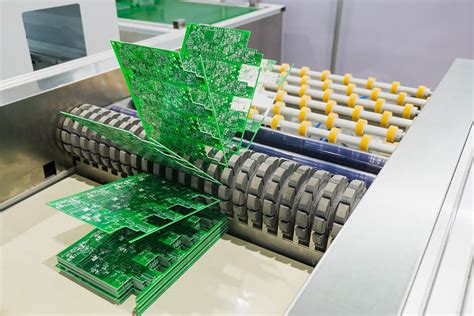
Precision-Driven PCB Production and Part Integration
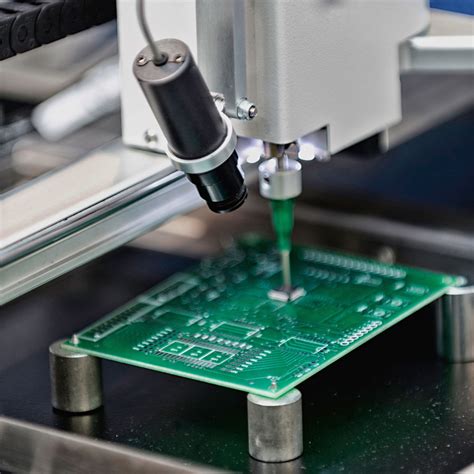
Achieving seamless integration of components during PCB manufacturing requires precision-driven processes that align design intent with production realities. Modern PCB manufacturing companies leverage advanced pick-and-place systems, automated optical inspection (AOI), and 3D solder paste inspection (SPI) to ensure micron-level accuracy in component placement. This minimizes errors in high-density interconnect (HDI) boards, where even minor misalignments can compromise functionality.
When evaluating PCB manufacturing cost, factors like component sourcing efficiency and assembly complexity directly impact budgets. Leading providers optimize this by offering unified workflows that combine bare-board fabrication with pre-validated part procurement. You’ll find that partnering with a PCB manufacturing business specializing in integrated solutions reduces supply chain delays while maintaining traceability from raw materials to finished assemblies.
Critical to this approach is the synchronization of design-for-manufacturing (DFM) checks with real-time bill of materials (BOM) validation. By embedding component compatibility analysis early in the process, manufacturers prevent costly redesigns and ensure thermal/mechanical stability in the final product. This precision-first methodology not only elevates quality standards but also scales efficiently for prototyping through mass production cycles.
End-to-End Electronics Manufacturing Solutions
When you choose PCB manufacturing partners offering comprehensive services, you eliminate fragmented workflows that delay production timelines. Leading PCB manufacturing companies now integrate component sourcing, assembly, and testing into a single workflow, ensuring seamless transitions from prototype to mass production. This holistic approach minimizes PCB manufacturing cost by reducing material waste and avoiding redundant quality checks, while accelerating time-to-market for complex designs.
A robust PCB manufacturing business leverages automated systems for real-time component tracking, ensuring compatibility between fabricated boards and sourced parts like ICs or connectors. Advanced design-for-manufacturability (DFM) analysis tools identify potential conflicts early, preventing costly redesigns. By consolidating suppliers, you mitigate risks of supply chain bottlenecks—critical for industries requiring high-reliability electronics, such as aerospace or medical devices.
Moreover, end-to-end solutions provide visibility into every stage, from substrate selection to final inspection. You gain tighter control over tolerances, thermal management, and compliance certifications, which are vital for applications demanding precision. Whether scaling prototypes or optimizing high-volume orders, unified workflows ensure consistency while adapting to evolving technical requirements.
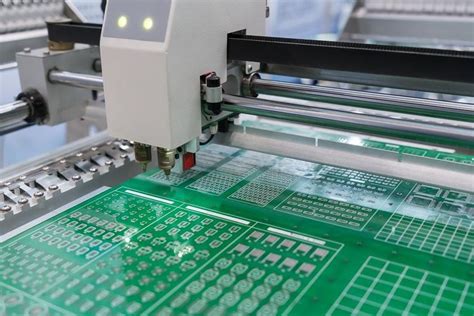
Advanced PCB Fabrication for Modern Applications
As industries demand faster, smaller, and more complex electronics, PCB manufacturing has evolved to meet these challenges through cutting-edge technologies and integrated workflows. Modern fabrication leverages automated optical inspection (AOI), laser drilling, and high-density interconnect (HDI) designs to ensure precision in multilayer boards. For PCB manufacturing companies, balancing PCB manufacturing cost with quality is critical—advanced processes like panelization optimization and material selection algorithms help reduce waste while maintaining performance.
Your projects benefit from seamless integration of component sourcing directly into fabrication workflows, minimizing delays caused by fragmented supply chains. By partnering with a PCB manufacturing business that offers end-to-end solutions, you gain access to just-in-time inventory management and compliance with industry standards like IPC-A-610. This shift enables rapid prototyping for IoT devices, automotive systems, or wearables without compromising scalability.
Advanced fabrication also addresses thermal management and signal integrity through embedded passive components and controlled impedance routing. Whether you’re developing aerospace systems or consumer electronics, modern PCB manufacturing ensures reliability across extreme environments while keeping PCB manufacturing cost predictable. The result? Faster time-to-market and products that meet evolving technical demands.
Component Integration in Automated PCB Processes
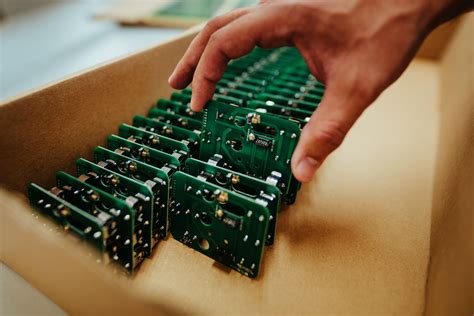
When designing PCB manufacturing workflows, automated systems now play a pivotal role in seamlessly embedding components during fabrication. By combining precision-driven assembly with intelligent robotics, modern facilities eliminate manual errors while accelerating production timelines. For PCB manufacturing companies, this integration means you can source, place, and solder components directly onto boards within a unified workflow—reducing handling steps and minimizing contamination risks.
Automated optical inspection (AOI) systems further ensure component alignment accuracy, verifying placements down to micrometer tolerances. This level of control directly impacts PCB manufacturing cost, as fewer defects translate to lower waste and rework expenses. Additionally, automated processes enable just-in-time component sourcing, allowing you to integrate specialized parts (like high-frequency ICs or thermal management modules) without disrupting production schedules.
For businesses scaling their PCB manufacturing business, automation offers flexibility to adapt to diverse project requirements. Whether prototyping or mass-producing complex designs, integrated systems maintain consistency across batches while supporting traceability protocols. By streamlining component logistics and assembly, you not only optimize resource allocation but also strengthen reliability—a critical advantage in industries demanding mission-critical electronics.
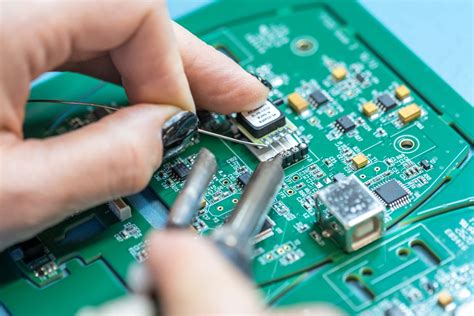
Reliable PCB Assembly with Sourced Components
When partnering with PCB manufacturing companies, securing high-quality components is as critical as the fabrication process itself. Modern PCB manufacturing workflows now emphasize end-to-end integration, where component sourcing and assembly are managed cohesively to minimize delays and PCB manufacturing cost. By aligning with suppliers that offer verified parts inventory, you ensure consistent material availability while avoiding production bottlenecks caused by shortages or counterfeit components.
Leading PCB manufacturing business models prioritize supply chain transparency, leveraging real-time tracking systems to monitor component authenticity and delivery timelines. This approach not only streamlines assembly but also reduces the risk of defects during surface-mount technology (SMT) processes. Advanced manufacturers often employ automated optical inspection (AOI) systems to validate component placement accuracy, ensuring every board meets stringent quality benchmarks before final testing.
To optimize PCB manufacturing cost without compromising reliability, consider providers offering value-added services like bulk purchasing agreements or consignment inventory programs. These strategies enable you to scale production efficiently while maintaining control over material specifications. The integration of smart logistics with assembly workflows further strengthens the reliability of sourced components, creating a seamless bridge between procurement and fabrication stages.
Smart Manufacturing for Integrated Circuit Boards
Modern PCB manufacturing has evolved into a data-driven ecosystem where smart technologies optimize every stage of production. By integrating IoT sensors, AI-driven analytics, and automated assembly lines, PCB manufacturing companies can achieve unprecedented precision in component placement and circuit board fabrication. These systems monitor processes in real time, adjusting parameters like temperature and solder flow to minimize errors—critical for high-density integrated circuit boards.
For businesses balancing PCB manufacturing cost with quality, smart manufacturing offers a strategic advantage. Automated optical inspection (AOI) systems, for instance, reduce human error by 70% while accelerating throughput. Cloud-based platforms also enable seamless collaboration between design teams and production floors, ensuring component specifications align with fabrication capabilities.
When scaling a PCB manufacturing business, adopting smart solutions ensures scalability without compromising reliability. Predictive maintenance algorithms extend equipment lifespan, while digital twins simulate production workflows to preempt bottlenecks. This approach not only cuts operational costs but also positions manufacturers to meet the demands of 5G, IoT, and automotive applications—where precision and speed are non-negotiable.
Conclu
As the electronics industry evolves, selecting the right PCB manufacturing partner becomes critical to balancing quality, cost, and speed. Modern PCB manufacturing companies now offer integrated component solutions that simplify the production chain, allowing you to focus on design innovation rather than logistical hurdles. By embedding component sourcing directly into the fabrication process, these providers reduce PCB manufacturing cost through bulk purchasing agreements and optimized logistics. This approach not only accelerates timelines but also minimizes risks associated with component mismatches or supply chain delays.
For businesses scaling their PCB manufacturing business, adopting end-to-end solutions ensures consistency across prototypes and high-volume runs. Advanced manufacturers employ automated systems to verify component placement accuracy, ensuring compliance with industry standards. As smart manufacturing technologies advance, the integration of IoT-enabled tracking and predictive maintenance further elevates reliability. Whether you’re developing consumer electronics or industrial systems, partnering with a vertically integrated manufacturer transforms complexity into competitive advantage—delivering boards that meet performance thresholds while staying within budget constraints.
Frequently Asked Questions
How does integrated component sourcing affect pcb manufacturing cost?
By combining component procurement with pcb manufacturing, companies reduce logistical overhead and bulk purchasing expenses. This integration minimizes delays, ensuring faster turnaround times while maintaining quality standards across high-volume production runs.
What should you look for in pcb manufacturing companies offering end-to-end solutions?
Prioritize firms with certified component suppliers, automated assembly lines, and transparent cost structures. Reliable pcb manufacturing businesses provide design-for-manufacturability (DFM) analysis to optimize both board layout and component placement for cost efficiency.
Can small-scale projects benefit from advanced pcb manufacturing processes?
Yes. Modern smart manufacturing techniques allow pcb manufacturing companies to handle low-volume orders without sacrificing precision. Flexible pricing models and modular tooling make advanced processes accessible for prototypes or niche applications.
How do automated systems improve quality in pcb manufacturing?
Automation ensures consistent solder paste application, precise component placement, and rigorous testing. This reduces human error, especially in high-density interconnect (HDI) designs, while accelerating production timelines for complex boards.
Need a Partner for Your Next Project?
Streamline your pcb manufacturing workflow with integrated component solutions. Please click here to explore tailored services that balance cost, speed, and reliability for your unique requirements.