Optimizing PCBA BGA Assembly and SMT for Efficient PCB Production
Key Takeaways
Optimizing PCBA and BGA assembly processes are crucial in ensuring efficient PCB assembly and manufacturing workflows. By adopting innovative techniques in PCBA, manufacturers can significantly enhance production efficiency. For instance, leveraging advanced materials and BGA designs that minimize the number of necessary components can lead to reductions in cost and time without compromising quality.
Additionally, employing systematic approaches for SMT can facilitate smoother transitions from one assembly operation to another. Effective training programs that equip workers with knowledge about the latest equipment and methodologies will not only improve individual performance but also promote an overall culture of quality assurance within the organization.
It’s important to remember that challenges such as component misalignment or thermal management issues can arise during the PCBA process. Continuous monitoring and adaptation are key to overcoming these hurdles. By implementing thorough quality control strategies, manufacturers can swiftly identify issues before they escalate, ensuring the integrity of every batch.
“Investing in technology is not just about purchasing new equipment; it’s about transforming workflows for better efficiency.”
In conclusion, staying informed about future trends such as automation will further optimize operations and solidify a competitive edge in the ever-evolving domain of PCB manufacturing. Ultimately, a proactive approach in tackling common challenges while emphasizing continuous improvement strategies will lead to sustainable success within the industry.
Introduction to PCBA and BGA Assembly: Key Concepts and Importance
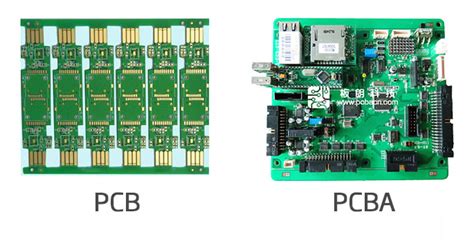
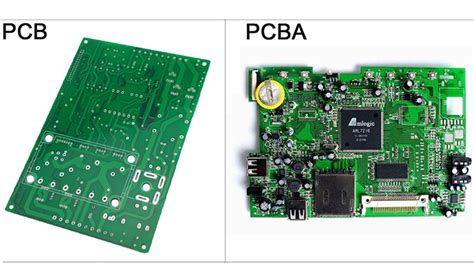
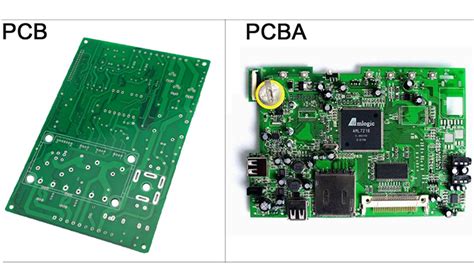
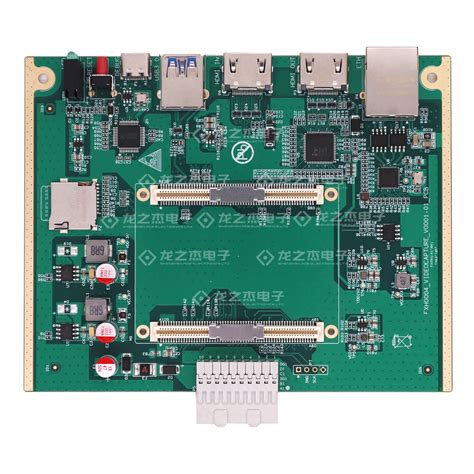
In the realm of pcb assembly, the processes of PCBA (Printed Circuit Board Assembly) and BGA (Ball Grid Array) assembly play critical roles. These methodologies are integral to modern electronics manufacturing, where efficiency and precision are paramount. PCBA involves the attachment of electronic components to a pcb, transforming it into a functional circuit ready for integration into various devices. The introduction of BGA technology has significantly improved the reliability and performance of these assemblies, as it allows for higher pin counts in smaller footprints, which is particularly beneficial in compact electronic designs.
The importance of optimizing pcba processes cannot be overstated, especially as the demand for miniaturized devices grows. Employing methods such as Surface Mount Technology (SMT) in conjunction with BGA assembly creates a streamlined approach that enhances production efficiency. By reducing the physical footprint of components while maintaining or improving electrical performance, manufacturers can achieve faster production times and lower costs.
Moreover, understanding these key concepts not only aids in improving quality control but also establishes a foundation for tackling common challenges within the industry. By ensuring precise alignment during assembly and implementing rigorous testing protocols, manufacturers can minimize defects related to soldering and connectivity issues commonly associated with both PCBA and BGA processes.
| Technology | Benefits |
|---|---|
| PCBA | Increases component density |
| BGA | Enhances reliability in connections |
| SMT | Reduces production time |
The synergy between these methodologies represents a significant advancement in electronic manufacturing, paving the way for innovations that cater to an ever-evolving technological landscape. As such, understanding the significant aspects of PCBA and its components is essential for anyone involved in the field of electronics manufacturing.
Understanding SMT: The Backbone of Efficient PCB Production
Surface Mount Technology (SMT) plays a crucial role in modern PCBA processes, especially when it comes to achieving higher efficiency in pcb assembly. SMT allows for the placement of components directly onto the surface of aPCB, enabling a more compact design and improving the speed of assembly. The process involves the use of automated machines that can accurately position small components, which is essential for BGA (Ball Grid Array) assemblies. These components, often larger in pin count and complexity, require precise placement to ensure reliable connections and performance. By leveraging SMT, manufacturers can significantly minimize operational costs and time while enhancing the overall quality and reliability of the final product. Additionally, adopting innovative strategies within SMT—such as optimizing solder paste application and inspecting placements—can lead to superior performance in pcba processes. Ultimately, an in-depth understanding of SMT not only serves as a foundation for efficient PCB production but also positions manufacturers to adapt to evolving industry standards and demands.
Innovative Techniques in PCBA BGA Assembly for Enhanced Efficiency
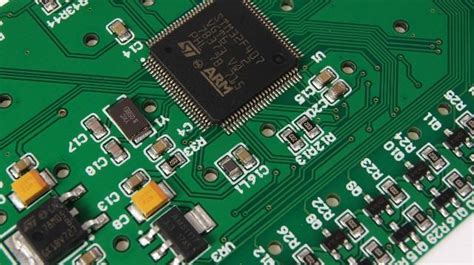
In the realm of pcb assembly, particularly in PCBA and BGA assembly, adopting innovative techniques can significantly improve manufacturing efficiency. One key approach is the integration of advanced 3D inspection systems that enhance real-time quality checks during the assembly process. These systems can detect anomalies at an early stage, reducing the potential for defects and rework, which ultimately saves time and resources. Furthermore, employing surface mount technology (SMT) alongside modern automated placement machines allows for high precision and a reduction in handling times. This synergy between PCBA, BGA, and SMT is vital, as it aligns production workflows and optimizes space utilization on printed circuit boards.
Additionally, utilizing thermal profile management during reflow soldering can enhance joint reliability by ensuring optimal temperature distributions—this is crucial for both BGA components and overall PCB integrity. Further, training personnel on new technologies involves introducing them to simulation software that predicts the effectiveness of assembly layouts before actual production begins, enabling better planning and execution. Together, these techniques not only streamline processes but also bolster the overall quality of printed circuit boards, reinforcing an organization’s commitment to excellence in pcb assembly practices.
Best Practices for Streamlining SMT Processes in PCB Manufacturing
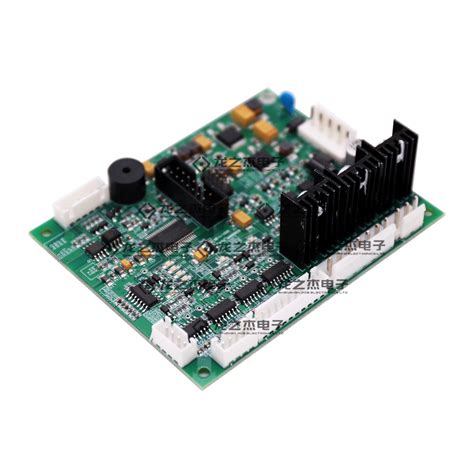
In the realm of PCB assembly, Streamlined Surface-Mount Technology (SMT) processes are essential for enhancing overall efficiency and productivity. One of the best practices involves ensuring optimal placement accuracy during the assembly process. Utilizing advanced machines equipped with high-resolution cameras can dramatically increase precision, reducing the occurrence of misaligned components. Additionally, implementing real-time feedback systems allows operators to monitor placement and make adjustments instantly, thus minimizing errors and wastage.
Another critical factor is meticulous preparation of the pcba materials and components prior to assembly. This includes thorough cleaning, proper storage conditions, and ensuring all parts are compatible with the specified design. By adopting these preparatory measures, manufacturers can effectively decrease cycle times and enhance the reliability of their final products.
Furthermore, adopting a modular approach to equipment can facilitate adaptability in production lines. This flexibility allows companies to quickly alter setups in response to changing production demands or new product introductions, all while maintaining consistent quality across different runs. Regular training for SMT operators on best practices and emerging technologies also significantly enhances workforce capability, leading to improved performance on the assembly line.
Ultimately, integrating these best practices into SMT processes is pivotal for optimizing PCB assembly operations and ensuring high-efficiency levels throughout production cycles. By focusing on precision, preparation, flexibility, and continuous education, manufacturers can achieve superior results in their pcba endeavors while keeping pace with industry advancements.
Quality Control Strategies in PCBA and SMT Assembly
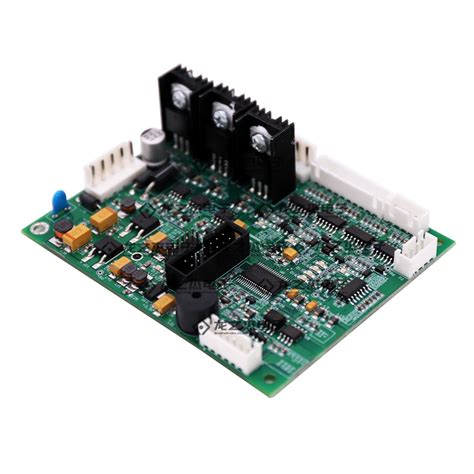
Ensuring quality in pcba and SMT assembly is pivotal for achieving exceptional performance in PCB assembly processes. A robust quality control framework encompasses several strategies designed to identify and mitigate defects early in the production cycle. One effective method is the implementation of rigorous inspection procedures at various stages of the assembly process, including automated optical inspection (AOI). This technology enables manufacturers to promptly detect misalignment or soldering issues, thereby reducing the likelihood of failures in the final product.
In addition, regular calibration of machinery and tools used in pcba production plays a crucial role in maintaining consistency and precision. Coupled with a well-defined standard operating procedure (SOP), this practice ensures that every component adheres to specific dimensions and operational standards. Implementing a comprehensive training program for operators can further enhance quality outcomes; equipping them with thorough knowledge about potential pitfalls during SMT assembly fosters vigilance and expertise.
Moreover, incorporating Data Analytics into the quality control process can yield valuable insights regarding trends in defects. Utilizing statistical process control allows engineers to monitor critical parameters continuously, helping them adjust processes dynamically to maintain optimal quality levels. By integrating these quality control strategies, manufacturers can not only enhance productivity but also cultivate confidence among clients regarding the reliability of their products.
Common Challenges in BGA Assembly and How to Overcome Them
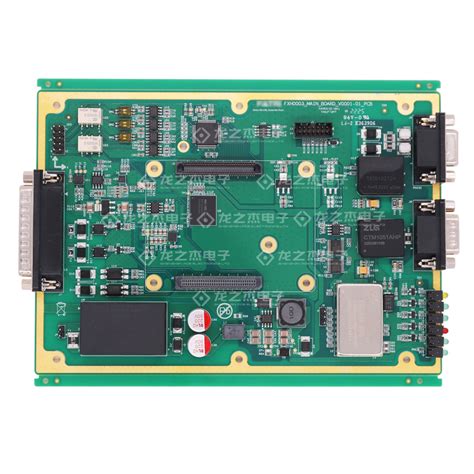
When it comes to BGA assembly in pcb assembly, several challenges can hinder the efficiency and quality of manufacturing processes. One prevalent issue is the alignment of the BGA components during placement, which is critical for ensuring reliable electrical connections. Misalignment can lead to a high rate of defects, ultimately affecting the performance of the final product. To overcome this, manufacturers can implement enhanced SMT (Surface Mount Technology) systems equipped with advanced vision inspection technologies. These systems help ensure accurate placement by verifying positions before soldering.
Another challenge is related to thermal management during the soldering process. BGAs are typically larger components that require precise temperature profiles to avoid defects such as voids or cold joints. Adopting best practices in thermal profiling and utilizing reflow ovens designed for pcba processes can significantly mitigate these issues. Furthermore, having a structured approach to regular maintenance and calibration of soldering equipment ensures optimal performance during production runs.
Finally, material selection plays a pivotal role in pcb assembly efficiency. The quality of solder paste and substrates can greatly influence the success of BGA assembly processes. By employing high-quality materials that are designed specifically for BGA applications, manufacturers not only improve yield rates but also enhance overall reliability. Addressing these challenges with systematic solutions will streamline operations in PCBA production and ensure exceptional outcomes in electronic device manufacturing.
Future Trends: Automation and Technology in PCB Production
The landscape of PCB production is continually evolving, driven by advancements in automation and technology. The integration of automatic assembly systems has revolutionized PCBA processes, particularly in BGA assembly, offering significant enhancements in precision and speed. Automation not only reduces human error but also streamlines manufacturing workflows, allowing for a more consistent quality across production runs. Additionally, the adoption of smart technologies such as the Internet of Things (IoT) and artificial intelligence enables real-time monitoring of assembly processes, providing valuable data that can inform decision-making and optimize efficiency.
As manufacturers seek to improve their pcb assembly capabilities, innovations within Surface-Mount Technology (SMT) are remarkable. New techniques are emerging that enhance component placement accuracy and soldering quality, ultimately contributing to higher-yield outputs. Furthermore, collaborative robots—often referred to as cobots—are beginning to play a pivotal role in assisting human operators during various stages of PCBA production. This not only enhances productivity but also aligns with the growing demand for flexible manufacturing systems that can quickly adapt to changes in product design or volume.
In the pursuit of excellence within PCB production, leveraging these technological advancements will be crucial for manufacturers looking to remain competitive. Embracing automation will not only boost efficiency but also pave the way for innovative methods that enhance overall product quality while reducing lead times. Companies that prioritize these trends in their strategy will likely see long-term benefits as the industry continues to advance towards a more automated future.
Case Studies: Successful Optimization of PCBA BGA Assembly and SMT
In recent years, several organizations have reported significant improvements in their PCB assembly processes through targeted optimization of PCBA and BGA assembly techniques. For instance, a leading electronics manufacturer implemented a series of innovative surface mount technology (SMT) enhancements that resulted in a 30% reduction in production time. By integrating real-time data analytics into their workflow, they were able to identify bottlenecks and inefficiencies that previously went unnoticed. The adoption of more sophisticated solder paste application methods further improved the reliability of the PCBA process, ensuring higher first-pass yields and reducing rework rates.
Moreover, another case study highlighted a semiconductor company that redesigned their BGA assembly line to incorporate automated inspection systems. This initiative not only sped up quality assessments but also enabled faster feedback loops for continuous improvement. These adjustments reduced defect rates significantly while maintaining high standards for overall product quality. As these case studies demonstrate, investing in modernized processes and innovative practices in PCBA, BGA assembly, and SMT can lead not only to enhanced operational efficiency but also to improved product reliability and customer satisfaction in the broader landscape of electronics manufacturing.
Conclusion
In summation, optimizing PCBA and BGA assembly processes is crucial for enhancing the overall efficiency of PCB production. Implementing innovative techniques and adhering to best practices in smt can significantly elevate the quality of products while reducing waste and production time. Emphasizing quality control strategies ensures that every stage of the pcb assembly process meets stringent standards, which ultimately leads to more reliable end products. Addressing common challenges faced in BGA assembly, such as solder joint reliability and thermal performance, is essential for maintaining high-quality output. Moreover, staying abreast of future trends, particularly in automation and technology, will enable manufacturers to streamline workflows even further. With these insights, organizations can better navigate the complexities of the assembly process and position themselves for success in an increasingly competitive marketplace.
FAQs
What is PCBA and why is it important?
PCBA, or Printed Circuit Board Assembly, is a critical process in electronics manufacturing, as it involves the assembly of electronic components onto a printed circuit board (PCB). This process is vital for ensuring that devices function properly and meet performance standards.
How does BGA assembly differ from other types of packaging?
Ball Grid Array (BGA) assembly offers advantages in terms of space efficiency and thermal performance compared to traditional packaging. It uses a grid of solder balls to connect the device to the PCB, allowing for higher pin counts and better heat dissipation.
What role does SMT play in PCB production?
Surface Mount Technology (SMT) is crucial for modern pcb assembly, as it allows components to be mounted directly onto the surface of a PCB, facilitating faster production and smaller device sizes. SMT provides significant advantages in manufacturing efficiency and reliability.
What strategies can improve efficiency in PCBA processes?
Innovative techniques such as implementing advanced soldering methods, optimizing workflow layouts, and utilizing automation are key to enhancing efficiency. Additionally, ensuring thorough training for operators plays an essential role in maintaining high standards during the pcba process.
How do quality control measures impact PCB manufacturing?
Effective quality control measures ensure that defects are identified early, minimizing waste and rework costs. Regular inspections at various stages of PCBA not only improve product reliability but also increase customer satisfaction.