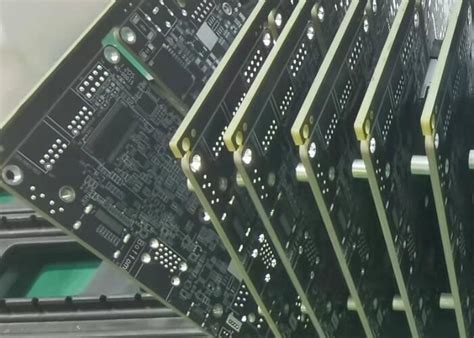
Optimizing Subcontract PCB Assembly for Efficiency and Quality
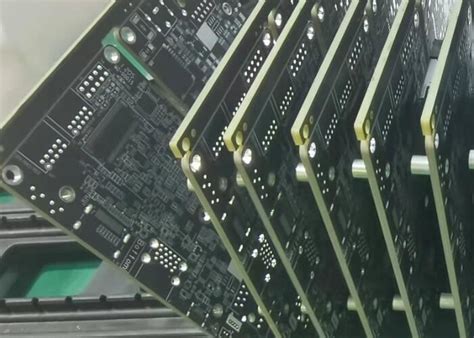
Key Takeaways
The landscape of subcontract PCB assembly is continually evolving, driven by the need for efficiency and quality. To excel in this competitive sector, understanding the foundational concepts and recognizing the associated benefits of pcb assembly is essential. A well-structured approach to selecting PCB assembly suppliers can significantly impact the quality of the final products. Prioritizing quality and reliability in supplier relationships leads to smoother operations and higher standards.
Streamlining processes is another critical aspect that directly enhances efficiency in pcba. Evaluating existing workflows, identifying bottlenecks, and implementing automation can yield substantial improvements. Furthermore, adopting robust quality assurance strategies ensures that each unit produced meets rigorous standards, reducing defects and increasing customer satisfaction.
Key Metrics for Success
Measuring success within subcontract PCB assembly requires clearly defined metrics and KPIs. Here’s a table outlining essential metrics:
| Metric | Description |
|---|---|
| Cycle Time | Time taken to complete one assembly cycle |
| Defect Rate | Percentage of defective units produced |
| First Pass Yield (FPY) | Ratio of units passing inspection on first attempt |
| Supplier On-Time Delivery | Percentage of shipments received on time |
Incorporating these metrics provides a quantitative basis for evaluating performance and driving continuous improvement.
Lastly, staying abreast of innovations and technologies that enhance pcb assembly processes is crucial for maintaining a competitive edge. By integrating new tools and methodologies, businesses can achieve greater efficiency while ensuring that quality remains uncompromised.

Understanding Subcontract PCB Assembly: Key Concepts and Benefits
Subcontract PCB assembly (PCBA) refers to the practice of outsourcing the production and assembly of printed circuit boards to third-party companies. This approach can offer numerous advantages, including cost savings, access to specialized skills, and the ability to scale operations quickly. One of the primary benefits of subcontracting PCB assembly is that it allows companies to focus on their core competencies while leveraging the capabilities of experienced suppliers. When selecting a subcontractor, it’s crucial to consider aspects such as their track record in quality and efficiency, as well as their technology and equipment.
“Choosing the right partner for PCBA not only enhances productivity but can also significantly reduce time-to-market for your products.”
Additionally, effective communication with suppliers about expectations regarding quality standards is essential for ensuring that the final products meet desired specifications. Emphasizing continuous improvement processes can also lead to better outcomes in subcontract PCB assembly, as it aligns both parties towards a common goal of efficiency and excellence. By understanding these key concepts, businesses can strategically position themselves to reap the full benefits of outsourcing their PCBA needs while maintaining high levels of quality throughout their operations.
Best Practices for Selecting PCB Assembly Suppliers
Selecting the right PCB assembly supplier is crucial for the success of your project. It is essential to consider various factors that can impact both efficiency and quality of your pcba production. First, assess the supplier’s experience in the industry; those with a proven track record in pcb assembly often bring valuable insights and expertise. Evaluate their technical capabilities, ensuring they can handle your specific requirements, such as surface mount technology or through-hole components.
Additionally, communication plays a pivotal role in fostering a productive relationship with your pcba supplier. Look for suppliers that prioritize responsiveness and transparency, as these traits can significantly reduce misunderstandings and lead to better outcomes. Quality certifications, such as ISO 9001 or IPC-A-610, are important indicators of a supplier’s commitment to maintaining high standards in their pcb assembly processes.
Moreover, consider the geographical location of potential suppliers; proximity can reduce lead times and shipping costs while enhancing collaboration. Furthermore, analyze their financial stability; a well-established supplier is less likely to encounter issues that could disrupt production. Lastly, gather references from previous clients to gauge their satisfaction and reliability. By implementing these best practices in selecting your pcb assembly supplier, you set the stage for enhanced efficiency and superior product quality throughout your project lifecycle.
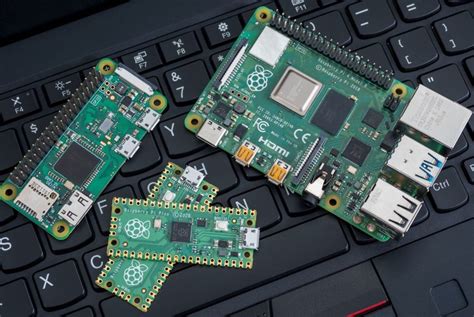
Streamlining Processes for Enhanced Efficiency in PCB Assembly
In the realm of subcontract PCB assembly, striving for enhanced efficiency is paramount for achieving superior outcomes in the production cycle. A critical approach to streamlining processes is the integration of standardized operations which ensures that each step of the PCB assembly process adheres to best practices. By implementing lean manufacturing principles, teams can identify and eliminate wasteful practices that do not add value to the overall process. Moreover, investing in training for staff involved in the PCBA can significantly impact productivity, as they become more adept at their tasks and more familiar with the operational workflow. Automated technologies also play a vital role by minimizing human error and speeding up production rates, leading to a more reliable output of high-quality PCBA products. Furthermore, collaboration with suppliers who specialize in advanced techniques can enhance not just efficiency but also quality assurance through precision in components and timely delivery. In focusing on these strategies, organizations can ensure that their subcontract PCB assembly efforts are not only optimized for productivity but also maintain a steadfast commitment to excellence.
Quality Assurance Strategies in Subcontract PCB Assembly
Effective quality assurance strategies are critical in ensuring the success of subcontract PCB assembly (or PCBA) operations. To maintain high standards, organizations should adopt a systematic approach that encompasses several key components. First and foremost, establishing clear quality specifications is essential; this ensures that all parties involved understand the criteria for acceptable performance and reliability of the final product. Utilizing advanced inspection techniques, such as automated optical inspection (AOI) and X-ray inspection, can greatly enhance the detection of defects early in the PCB assembly process, thereby minimizing costly rework and enhancing overall quality.
Another vital aspect is fostering strong communication channels between clients and suppliers. Regular feedback loops can facilitate prompt identification and resolution of issues, ultimately leading to improved product outcomes. Furthermore, investing in training programs for employees involved in the PCBA process ensures that they are well-versed in the latest quality standards and practices. Emphasizing a culture of continuous improvement empowers teams to actively seek ways to enhance processes further.
Additionally, periodic audits of subcontractors play a vital role in ensuring adherence to quality management systems. These audits can help identify potential areas for improvement while also verifying that suppliers are consistently meeting established criteria. By implementing these quality assurance strategies, organizations can achieve an optimal balance between efficiency and high-quality results in their subcontract PCB assembly processes, fostering successful partnerships and satisfied end customers.
Innovations and Technologies Improving PCB Assembly Efficiency
In the competitive landscape of pcb assembly, ongoing innovations play a crucial role in enhancing operational efficiency. One such advancement is the integration of automated assembly systems, which significantly reduce labor costs and minimize human error throughout the assembly process. These systems utilize sophisticated robotics and machine learning algorithms to optimize various tasks, thereby enabling a more streamlined workflow. Additionally, the advent of 3D printing technology facilitates rapid prototyping and custom part fabrication, allowing for quicker iterations and adjustments in the PCBA process without delaying production timelines.
Furthermore, digital manufacturing techniques, including smart sensors and real-time data analytics, empower manufacturers to closely monitor their processes for better quality control. By analyzing data collected during assembly, companies can swiftly identify inefficiencies or defects, ultimately leading to improved production quality and reduced waste. Collaboration tools also enhance communication between subcontractors and clients, ensuring that all parties are aligned on expectations and timelines, which is essential for maintaining quality in outsourced pcb assembly operations. As these technologies evolve, the potential to achieve both enhanced efficiency and superior quality in pcb assembly continues to expand, reshaping the landscape of manufacturing across various industries.
Measuring Success: Metrics and KPIs for PCB Assembly Operations
In the world of pcb assembly, measuring success goes beyond just completing production runs. It involves a systematic approach to evaluating performance through well-defined metrics and Key Performance Indicators (KPIs). These tools are critical for assessing both efficiency and quality in the pcba process. Key metrics may include overall equipment effectiveness (OEE), defect rates, cycle time, and yield rates. Each of these indicators provides insights into various aspects of the production workflow, enabling companies to pinpoint inefficiencies and areas requiring enhancement. For instance, a high defect rate could indicate issues in supplier materials or misalignment in assembly protocols, prompting companies to revisit their supplier selection criteria or implement more stringent quality control measures. Similarly, tracking cycle time enables teams to identify bottlenecks in the pcb assembly line that can be alleviated through process improvements or equipment upgrades. Furthermore, leveraging real-time data analytics can facilitate continuous monitoring of these metrics, providing ongoing visibility into production efficiency. This data-driven approach empowers businesses to make informed decisions that enhance both the quality of their products and operational effectiveness in subcontract PCB assembly environments. Ultimately, a robust framework for measuring success not only boosts performance but also fosters a culture of continuous improvement within organizations involved in pcba operations.
Case Studies: Successful Examples of Optimized Subcontract PCB Assembly
Examining real-world examples of subcontract PCB assembly offers valuable insights into effective practices and methodologies that enhance both efficiency and quality. One notable case involved a technology company that partnered with a specialized PCBA provider. By leveraging advanced automation tools and implementing a comprehensive quality control system, they significantly reduced production lead times while maintaining high standards. The integration of real-time monitoring systems allowed for immediate detection of discrepancies, which enabled swift corrective actions, ultimately resulting in a 30% reduction in scrap rates.
Another compelling case features an automotive manufacturer that re-evaluated its supplier relationships for pcb assembly services. Through diligent supplier selection processes based on performance metrics and certifications, they managed to identify partners with robust capabilities and extensive experience in the automotive sector. This strategic alignment not only enhanced the quality of the assembled units but also optimized the entire supply chain process, leading to a noticeable improvement in overall delivery times.
These examples showcase how targeted efforts in selecting the right vendors and adopting innovative technologies can yield remarkable results in subcontract PCB assembly operations. With continuous adjustment to processes and suppliers inspired by these case studies, businesses can propel their performance toward industry-leading standards of efficiency and reliability.
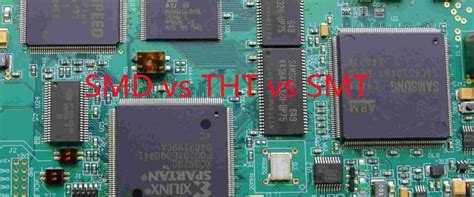
Future Trends in Subcontract PCB Assembly and Quality Management
The landscape of subcontract PCB assembly (PCBA) is rapidly evolving, influenced by technological advancements and an increasing demand for higher quality and efficiency. As industries embrace automation and smart manufacturing, the integration of Internet of Things (IoT) technologies into pcb assembly processes promises to enhance real-time monitoring and control, ensuring precision in every step. Furthermore, the use of advanced materials and innovative techniques not only improves product reliability but also accelerates production timelines, ultimately leading to cost savings. Another significant trend is the rise of sustainable practices, where companies are focusing on eco-friendly materials and waste reduction strategies in their pcb assembly operations. This shift towards sustainability aligns with consumer preferences for green products and can strengthen supplier relationships. Additionally, investing in advanced training programs for assembly line workers can improve overall quality management by fostering a culture of continuous improvement. As we move forward, companies involved in »subcontract PCB assembly« will need to stay attuned to these trends, ensuring they leverage new technologies while maintaining the highest standards of quality, thus securing their competitive edge in a constantly evolving market environment.
Conclusion
In conclusion, optimizing subcontract PCB assembly is pivotal for companies seeking to enhance both efficiency and quality in their production processes. The insights gathered throughout this article highlight the importance of effective supplier selection and the application of best practices. By prioritizing rigorously defined metrics, organizations can track the performance of their PCBA operations and make informed decisions that lead to continuous improvements. Moreover, integrating modern technologies and innovative strategies can significantly bolster the efficiency of the PCB assembly process. As industries evolve, staying abreast of future trends will be crucial for maintaining a competitive edge in quality management. Ensuring a robust partnership with subcontractors not only facilitates superior manufacturing outcomes but also fosters a culture of excellence and accountability within the supply chain. Ultimately, embracing these practices will yield remarkable benefits for manufacturers, validating the importance of a strategic approach to optimizing subcontract PCB assembly.
FAQs
What is subcontract PCB assembly?
Subcontract PCB assembly refers to the practice of outsourcing the manufacturing of printed circuit board assemblies (PCBA) to specialized firms. This allows companies to focus on their core competencies while benefiting from the expertise and resources of dedicated assembly providers.
How can I ensure quality in subcontract PCB assembly?
To ensure quality in subcontract PCB assembly, it’s critical to implement a rigorous supplier selection process, monitor production standards, and conduct thorough inspections at various stages. Adopting quality assurance strategies and utilizing advanced technologies can significantly enhance the overall PCBA quality.
What should I consider when selecting a PCB assembly supplier?
When selecting a PCB assembly supplier, consider factors such as their track record, certifications, technological capabilities, communication efficiency, and ability to meet deadlines. It’s also beneficial to request references and case studies from past projects involving similar requirements.
What are some common challenges in subcontract PCB assembly?
Common challenges in subcontract PCB assembly include supply chain disruptions, communication barriers with suppliers, unexpected lead times, and maintaining consistency in quality. Addressing these issues through careful planning and effective relationship management is essential for success.
How can we streamline processes for enhanced efficiency in PCB assembly?
Streamlining processes can be achieved by adopting lean manufacturing principles, using automation where feasible, optimizing workflow layouts, and continuously assessing process bottlenecks. Investing in staff training is also vital to ensure that everyone involved understands the best practices for an efficient PCBA operation.