Optimizing Your Project with Custom PCB Assembly Solutions
Key Takeaways
Custom PCB assembly—often referred to as PCBA—is a fundamental aspect that can significantly improve the efficiency and effectiveness of electronic projects. By leveraging custom PCB assembly, designers can achieve tailor-made solutions that align with the specific demands of their projects. This bespoke approach not only enhances functionality but also fosters innovative designs. Adopting PCBA allows for the integration of advanced technologies, ensuring that components are optimally arranged and connected, which can translate into improved performance and reliability. Furthermore, understanding essential concepts and terminology related to custom PCB assembly is crucial for effectively communicating requirements to potential providers. The advantages of utilizing sophisticated assembly techniques include reduced time to market and enhanced product quality, which ultimately contribute to a project’s overall success. Thus, by paying close attention to the details involved in custom PCB assembly, stakeholders can navigate challenges more effectively, all while maximizing their project’s output and maintaining cost-effectiveness.
Understanding Custom PCB Assembly: Key Concepts and Terminology
Custom PCB assembly (PCBA) is a pivotal process in the design and manufacturing of electronic devices. It involves the intricate steps of designing, fabricating, and assembling printed circuit boards tailored to specific project requirements. Understanding the fundamental terminology related to custom PCB assembly can significantly improve communication among stakeholders and streamline project workflows.
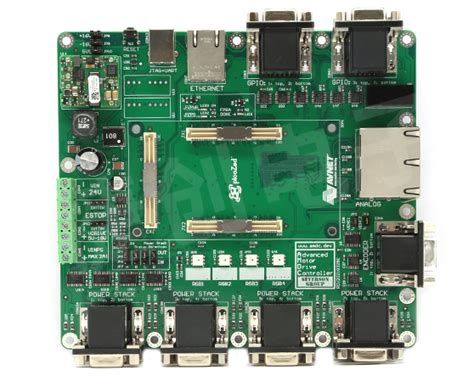
At the heart of this process lies the printed circuit board (PCB), which serves as a foundation for electronic components. This structure is essential for providing connections between components while ensuring efficient electrical performance. The components used in PCBA can range from resistors and capacitors to microchips and connectors, each playing a critical role in the functionality of the final product.
Additionally, it’s important to comprehend terms such as “surface mount technology (SMT)” and “through-hole technology.” SMT refers to a method where components are mounted directly onto the surface of the PCB, providing advantages in terms of space-saving and reduced production time. In contrast, through-hole technology involves inserting component leads through holes drilled in the PCB, which is a traditional method often used for larger or more robust components.
Here’s a brief overview:
| Term | Description |
|---|---|
| PCB | Base for mounting electronic components |
| PCBA | Process of assembling PCBs with various electronic parts |
| Surface Mount Technology | Method where components are mounted on the surface of PCBs |
| Through-Hole Technology | Insertion method where leads go through drilled holes in PCBs |
By grasping these key concepts and terminology associated with custom PCB assembly, project managers and engineers can enhance collaboration efforts, leading to improved efficiency in achieving high-quality results tailored to their specific needs. Whether it’s through understanding assembly processes or utilizing innovative techniques, having a solid foundational knowledge is indispensable for successful outcomes in any electronics project.
The Advantages of Using Custom PCB Assembly in Your Projects
When embarking on a new project, the integration of custom PCB assembly (or PCBA) can significantly impact the overall effectiveness of your design. Utilizing these tailored solutions allows for a higher degree of flexibility, enabling designers to implement unique functionalities that might be unattainable with standard options. One primary advantage is the ability to reduce size and weight, which is critical for devices requiring portability. By optimizing layouts and component placement, custom PCB assembly helps conserve valuable space while maintaining high performance.
Moreover, streamlined production processes often lead to quicker turnaround times. When projects employ PCBA, developers can benefit from advanced techniques such as surface-mount technology (SMT), which allows for the integration of smaller components and enhanced connectivity. This efficiency can be particularly beneficial for startups and businesses looking to accelerate their product timelines.
Another key benefit lies in cost reduction. Although custom solutions may initially appear more expensive, they frequently yield long-term savings by minimizing material waste and eliminating the need for multiple prototypes. Custom assemblies are designed to meet precise specifications, lowering production errors and ensuring that each component works in concert with others.
“When selecting a provider for your PCB assembly needs, consider their experience with innovative solutions tailored to your specifications.”
Overall, leveraging custom PCB assembly translates into not only improved efficiency but also higher-quality outputs that align closely with project objectives and market demands. Embracing these advancements empowers creators to push boundaries while achieving reliable performance in today’s competitive landscape.
Innovative Techniques in Custom PCB Design and Assembly
The landscape of custom PCB assembly (PCBA) is rapidly evolving, driven by technological advancements and the increasing demand for efficiency and performance in electronic designs. One innovative technique that is gaining traction is the implementation of advanced simulation software during the design phase. This allows engineers to accurately predict circuit behavior, enabling them to identify potential issues before moving to physical prototypes. Furthermore, multilayer PCBs have become quite popular, providing compact solutions that accommodate more complex circuitry within smaller footprints, which is essential for today’s miniaturized electronic products.
Another remarkable technique involves the use of automated assembly tools that enhance precision and reduce assembly time. This not only accelerates production but also minimizes human error, leading to improved quality control and reliability in the final product. Additionally, the integration of IoT capabilities into PCBA processes is transforming traditional methods—enabling remote monitoring and diagnostics of the assembly line, which ensures optimal performance standards are maintained throughout production.
Moreover, embracing sustainable practices through eco-friendly materials and processes in PCB assembly can significantly reduce a company’s environmental footprint while still achieving high-quality results. These advancements illustrate how innovative approaches in custom PCB design and assembly are not just enhancing efficiency but also pushing the boundaries of what can be achieved with modern technology. By adopting these techniques, developers can ensure their projects meet specific requirements while maintaining a competitive edge in a rapidly changing market landscape.
Essential Tips for Selecting the Right PCB Assembly Provider
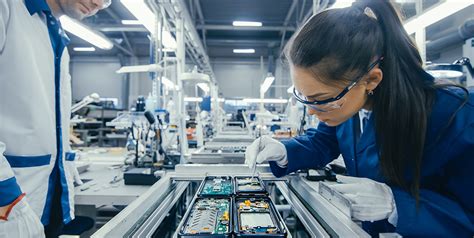
Choosing the right PCB assembly provider is crucial for the success of any electronic project. First and foremost, you should assess the provider’s experience in handling similar projects, particularly in your industry. Companies with a proven track record in PCBA production can offer insights into innovative techniques and solutions that enhance overall performance. Additionally, it’s vital to examine their capabilities in terms of quality assurance and adherence to industry standards. Consider requesting samples of their previous work to evaluate build quality and design fidelity.
Furthermore, a transparent communication process is essential; your provider should be willing to discuss challenges openly and provide regular updates throughout the assembly process. Don’t overlook the importance of customer support—an accessible team can greatly facilitate troubleshooting during production runs or later when integrating components into your overall system. Finally, evaluate their pricing structure against the quality of service offered; sometimes, a slightly higher investment can lead to significant long-term savings due to reduced defects and enhanced product reliability.
In conclusion, selecting the right PCB assembly partner involves thorough research and consideration of various factors that align with your project’s unique requirements, ensuring efficient delivery and high-quality results in your PCBA endeavors.
Optimizing Performance: Tailoring Your PCB Design to Project Needs
When embarking on any electronics project, the significance of pcb assembly becomes apparent as it directly influences the overall performance and reliability of the final product. To effectively tailor your design, understanding the specific requirements of your project is crucial. This involves analyzing factors such as desired size, complexity, and functionality. By utilizing custom PCB assembly solutions, you can achieve a pcba that is not only efficient but also aligns perfectly with your technical specifications. Selecting the right materials and layout strategies can significantly enhance signal integrity and reduce electromagnetic interference, which are vital for optimal performance. Additionally, collaborating closely with a qualified provider can lead to innovative approaches that help streamline production processes, thereby saving time and costs. Ultimately, a well-optimized PCB design can lead to higher reliability and satisfaction for end-users, making it an essential focus in any technological endeavor.
Cost-Effectiveness of Custom PCB Assembly Solutions
When investing in custom PCB assembly solutions, many project managers often prioritize cost-effectiveness without sacrificing quality. One of the primary advantages of pcb assembly is that it allows for economies of scale; when manufacturing multiple units, the per-unit cost decreases significantly. This reduction can be attributed to streamlined processes and reduced labor costs associated with higher volume production. Furthermore, leveraging professional pcba services can minimize the risk of errors that can arise during assembly, ultimately saving money in rework and component replacement. Opting for custom PCB assembly also enables more precise budgeting as project needs evolve. Companies can choose specific components that meet their performance criteria while remaining within budget limitations, effectively balancing quality and expenditure. By implementing innovative techniques in design and taking advantage of bulk purchasing agreements for parts, organizations can optimize their financial resources while ensuring high-quality results. The strategic alignment of technical requirements with cost objectives makes custom pcb assembly a wise choice in today’s competitive landscape, reinforcing both sustainability and profitability in engineering projects.
Real-World Applications: Success Stories of Custom PCB Implementation
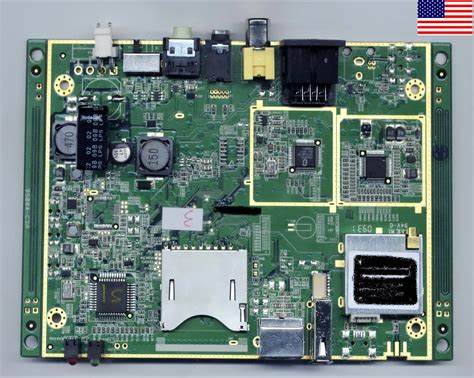
The realm of custom PCB assembly has proven instrumental in various industries, enhancing the functionality and reliability of electronic devices. For instance, in the medical field, a company successfully developed a portable diagnostic device utilizing PCBA techniques. This device, designed for remote patient monitoring, integrated multiple components into a compact layout, resulting in improved patient outcomes and streamlined data collection processes. Another notable example can be found in the automotive industry, where custom PCB assemblies have revolutionized vehicle electronics. A leading manufacturer implemented pcba solutions for their advanced driver-assistance systems (ADAS), enabling features like collision avoidance and lane-keeping assistance. The precision afforded by tailored PCB assembly allowed quicker data processing and increased safety measures on the road.
Moreover, in the consumer electronics sector, a startup utilized innovative custom PCB assembly to create a smart home automation system that integrated seamlessly with existing websites and systems. This adaptability not only enhanced user experience but also reduced production costs significantly by optimizing space and component placement on the board. These success stories illustrate that when businesses leverage the benefits of custom PCB assembly, they can achieve superior efficiency, performance, and adaptability tailored to their unique needs. The continuous evolution in technology behind these assemblies not only meets current demands but also sets the stage for future advancements across various sectors.
Future Trends in Custom PCB Assembly and Technology
As the electronics industry continues to evolve, custom PCB assembly (PCBA) is witnessing significant advancements aimed at enhancing efficiency and functionality. One of the notable trends is the increasing integration of automation and robotics in PCB assembly processes. This shift not only speeds up production but also minimizes human error, resulting in higher quality assemblies. Additionally, as IoT devices and smart technologies become more prevalent, there is a growing demand for custom PCBA solutions that can accommodate complex designs while maintaining a compact form factor.
Another trend is the adoption of advanced materials and multilayer design techniques that allow for improved heat dissipation and signal integrity. These developments are crucial in meeting the high performance demanded by modern electronic applications. Furthermore, sustainability plays a vital role in shaping future PCB assembly methodologies, with an emphasis on eco-friendly materials and waste reduction practices being prioritized in manufacturing processes.
In parallel to these technological enhancements, the need for customization is driving innovation. As businesses strive to differentiate their products in a competitive market, tailored PCBA solutions are essential. Manufacturers are responding by developing flexible production capabilities that cater to individual project specifications while ensuring cost-effectiveness and timely delivery.
Ultimately, the future of custom PCB assembly will be characterized by high adaptability to market demands, ongoing technological integration, and a commitment to sustainability—all essential factors for enhancing project efficiency and performance. As these trends continue to unfold, industries can look forward to more innovative solutions emerging from the realm of PCB assembly, opening new avenues for success across various applications.
Conclusion
The significance of custom PCB assembly in enhancing project efficiency and performance cannot be overstated. By harnessing PCBA solutions, designers and engineers can significantly streamline their workflows, leading to quicker product development cycles and improved functionality. The innovative techniques available in custom PCB assembly offer tailored solutions that cater to specific project requirements, ensuring that every component is optimized for maximum effectiveness. Additionally, the cost-effectiveness achieved through these bespoke assemblies allows for competitive pricing without compromising quality. As we look to the future, trends indicate that PCBA technology will continue to evolve, integrating smarter manufacturing processes and advanced materials. Understanding these dynamics will empower professionals to leverage custom PCB assembly for not just meeting but exceeding design expectations in their projects. With careful selection of assembly providers and a keen focus on performance optimization, the road ahead for PCB assembly holds vast potential for innovation and success in various applications.
FAQs
What is custom PCB assembly?
Custom PCB assembly refers to the process of creating printed circuit boards tailored to meet specific project requirements. This involves the design and manufacturing of PCB layouts, followed by the integration of electronic components to produce a fully functional board.
Why should I consider using custom PCBA?
Utilizing custom PCBA can significantly enhance efficiency and performance in your projects. It allows for a precise match between your specifications and the final product, ensuring improved reliability and functionality.
How do I choose a PCB assembly provider?
When selecting a PCB assembly provider, look for experience, customer reviews, and confirm that they offer the specific services you need, such as prototyping or mass production. Assess their ability to handle complexities in your designs as well.
What are the key benefits of custom PCB assembly?
The main benefits include enhanced design flexibility, improved quality control, reduced production costs, and faster time-to-market. Custom pcb assembly allows for precision-engineered solutions tailored specifically to your project needs.
Are there any innovative techniques in custom PCB design?
Yes, innovative techniques include adhesive bonding, advanced soldering methods, and integration of surface-mount technology (SMT). These advancements in pcba technology lead to smaller footprints and higher performance boards.