PCB Assembly Quotes: Affordable Pricing Tactics

Key Takeaways
When seeking affordable PCB assembly quotes, understanding the core factors influencing costs is crucial. First, component sourcing plays a pivotal role—opting for common, readily available parts reduces lead times and minimizes expenses. For instance, selecting PCBA suppliers with established vendor networks can streamline procurement.
Second, volume optimization directly impacts pricing. Ordering in moderate to high quantities often unlocks tiered discounts, but balancing this with demand forecasts prevents overstocking. Below is a breakdown of typical cost reductions based on order volume:
| Order Quantity | Average Cost Reduction |
|---|---|
| 50–100 units | 10–15% |
| 100–500 units | 15–25% |
| 500+ units | 25–35% |
Third, negotiating with suppliers is a strategic lever. Highlighting long-term partnership potential or bundling services (e.g., design and PCB assembly) can yield better terms. Always scrutinize quotes for hidden fees, such as tooling charges or expedited shipping markups, and clarify these upfront.
Lastly, integrating design-for-manufacturability (DFM) principles—like standardizing board sizes—reduces complexity and waste. For tailored guidance, consider submitting a Request for Quote to compare multiple offers. By aligning these tactics, businesses can achieve cost-efficient PCBA solutions without compromising reliability.
Strategies for Low-Cost PCB Assembly Quotes
Securing cost-effective PCB assembly services requires a blend of strategic planning and technical foresight. Start by evaluating component sourcing practices—opting for generic or commercially available parts instead of specialized alternatives can lower material expenses without sacrificing functionality. For instance, working with suppliers that offer bulk pricing on common components like resistors or capacitors can reduce per-unit costs.
Next, consider design optimization to streamline the PCBA process. Simplifying board layouts, minimizing layer counts, and standardizing hole sizes help avoid unnecessary manufacturing complexities. Tools like Design for Manufacturability (DFM) checks ensure your design aligns with production capabilities, preventing costly rework.
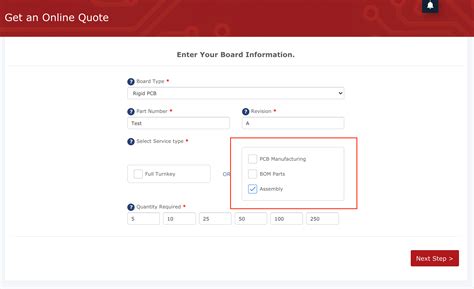
Volume optimization is another critical lever. While larger orders typically unlock economies of scale, even mid-volume projects can benefit from partial panelization or batch ordering. Partnering with a manufacturer like Ultimate PCB for instant quotes allows you to compare pricing structures and identify volume-based discounts.
Finally, negotiate terms proactively. Clarify payment schedules, lead times, and potential hidden fees—such as tooling charges or expedited service premiums—to ensure transparency. By balancing these tactics, businesses can achieve significant savings in PCB assembly while maintaining rigorous quality benchmarks.
Component Sourcing Impact on PCB Costs
Strategic component sourcing plays a pivotal role in determining the affordability of PCB assembly projects. The choice of components—whether resistors, capacitors, or integrated circuits—directly influences material costs, lead times, and overall PCBA quality. Off-the-shelf components are typically more cost-effective than specialized or obsolete parts, which often require custom orders or substitutions. For instance, opting for widely available surface-mount devices (SMDs) over rare through-hole variants can reduce procurement delays and minimize bulk pricing premiums.
Collaborating with suppliers to identify alternate sourcing options or equivalent parts can further lower expenses without compromising functionality. However, balancing cost savings with reliability is critical: selecting components from unverified vendors may lead to higher failure rates, increasing long-term expenses. Additionally, leveraging PCB assembly partners with established supply chain networks ensures access to competitively priced, high-quality parts.
Automated component matching tools, often integrated into PCBA platforms, streamline the sourcing process by cross-referencing specifications with supplier inventories. This reduces manual errors and prevents last-minute substitutions that inflate costs. Proactive communication with suppliers about projected demand also helps secure volume discounts, creating a ripple effect on overall project budgets. By prioritizing intelligent sourcing strategies, businesses can significantly optimize expenses while maintaining rigorous quality standards in PCB assembly workflows.
Optimizing Volume for Budget-Friendly Assembly
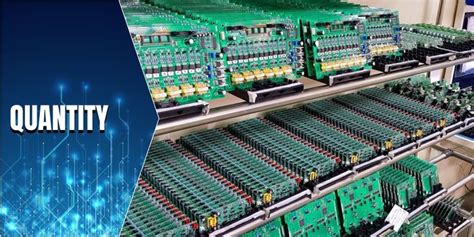
Order volume directly influences PCB assembly costs, making strategic quantity planning crucial for balancing affordability and project requirements. Manufacturers typically offer tiered pricing, where per-unit expenses decrease as production quantities rise due to economies of scale. For instance, ordering 1,000 PCBA units instead of 500 may reduce costs by 15–25% by spreading fixed setup fees across more boards. However, overestimating demand risks excess inventory, so align order sizes with realistic usage forecasts.
To maximize savings, analyze volume brackets offered by suppliers—many provide price breaks at specific thresholds (e.g., 500, 1,000, or 5,000 units). Even a 10–15% increase in quantity might unlock lower rates without significantly impacting cash flow. Additionally, consolidating multiple small batches into fewer large orders minimizes recurring setup and tooling charges. For projects with variable needs, phased production plans or panelization designs can help achieve bulk pricing while maintaining flexibility.
Collaborate early with your PCBA partner to identify opportunities for component standardization, which supports bulk purchasing and reduces material costs. Tools like demand forecasting models or inventory management software further refine volume decisions. By optimizing order quantities, businesses achieve cost-efficient PCB assembly without compromising turnaround times or quality benchmarks.
Negotiating With PCB Suppliers to Save
Effective negotiation with PCB assembly suppliers can significantly reduce project costs without compromising quality. Start by understanding the supplier’s pricing structure—ask for a detailed breakdown of labor, materials, and overhead fees. This transparency helps identify areas for potential savings, such as opting for standardized PCBA processes over custom solutions.
Tip: Request quotes from multiple suppliers to benchmark pricing. Use this data to negotiate volume-based discounts or flexible payment terms.
Building long-term partnerships often leads to better rates. Suppliers may offer preferential pricing for repeat orders or commitments to future projects. Highlight your willingness to collaborate on component sourcing; some providers, like Gold Phoenix PCB, offer integrated procurement services that lower material costs. Additionally, discuss lead time flexibility—slightly adjusting delivery schedules can reduce rush fees.
Avoid focusing solely on upfront costs. Instead, emphasize value through quality assurance metrics, such as ISO certifications or defect-rate guarantees. This approach ensures savings align with reliability, preventing costly rework. Finally, clarify contract terms to eliminate hidden charges like tooling fees or minimum order penalties. By balancing assertive negotiation with strategic collaboration, businesses secure cost-efficient PCB assembly solutions that scale with their needs.
Balancing Quality and PCB Assembly Expenses
Achieving cost efficiency in PCB assembly requires a strategic approach to balancing expenses with performance expectations. While reducing PCBA costs is essential, compromising on quality can lead to reliability issues, rework expenses, and delayed timelines. Start by evaluating material specifications—opting for industry-standard substrates or alternative finishes that meet functional requirements without over-engineering. For instance, selecting FR-4 instead of high-frequency laminates for non-critical applications can lower material costs by up to 30%.
Collaborate with suppliers to identify cost-reduction opportunities without sacrificing integrity. Reputable PCB assembly partners often provide multi-tier pricing models for varying order volumes or suggest compatible component alternatives during shortages. Additionally, implementing Design for Manufacturability (DFM) principles—such as minimizing layer counts or standardizing component sizes—streamlines production and reduces waste.
Quality assurance remains non-negotiable. Prioritize suppliers offering rigorous testing protocols (e.g., automated optical inspection) as part of their PCBA services. This ensures defects are caught early, avoiding costly post-production fixes. For projects with tight budgets, requesting a free quote from certified providers allows for transparent comparisons of cost structures and quality guarantees.
Ultimately, the goal is to align technical requirements with financial constraints by leveraging supplier expertise, optimizing designs, and maintaining clear communication throughout the PCB assembly process.
Hidden Fees in PCB Quotes to Avoid
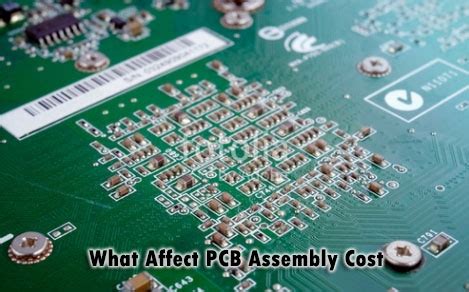
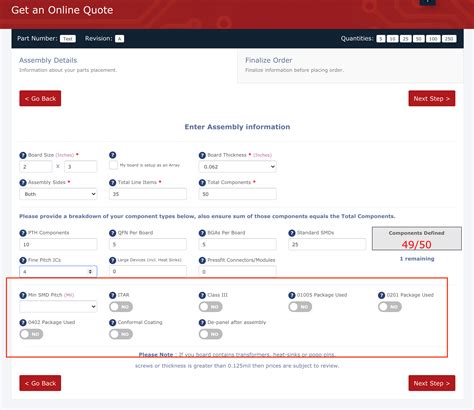
When requesting PCB assembly or PCBA quotes, suppliers may present base pricing that appears competitive but excludes critical ancillary charges. Common hidden costs include non-recurring engineering (NRE) fees for design adjustments, tooling charges for custom jigs, or testing surcharges for specialized quality checks. For instance, some providers bundle automated optical inspection (AOI) into the quote but bill separately for extended reliability tests like thermal cycling.
Another often overlooked expense stems from minimum order quantity (MOQ) requirements. While suppliers advertise lower per-unit rates for bulk orders, they may impose penalties for revisions or cancellations post-production. Additionally, shipping costs—particularly for expedited international deliveries—can inflate budgets unexpectedly if not clarified upfront.
To mitigate risks, insist on a comprehensive breakdown of all potential fees during negotiations. Scrutinize terms related to component substitutions, as last-minute part replacements (due to shortages) might trigger unplanned costs. Always validate whether certifications, such as IPC-A-610 compliance, are included or treated as add-ons. By demanding transparency in PCB assembly contracts, you safeguard against budgetary surprises while maintaining alignment with quality benchmarks.
Design Tactics for Cost-Effective PCB Assembly
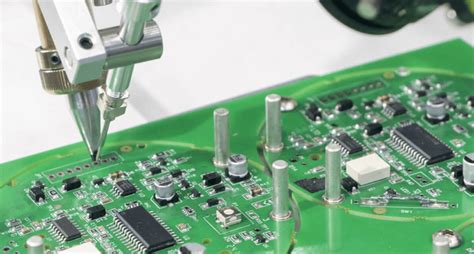
Strategic design choices directly influence the affordability of PCB assembly services. Start by optimizing component placement to minimize board complexity—fewer layers and simplified routing reduce material waste and manufacturing time. For instance, consolidating surface-mount devices (SMDs) on one side of the board can lower PCBA costs by streamlining solder paste application and reflow processes. Additionally, adhering to standardized component sizes avoids the need for custom tooling or specialized equipment during production.
Designers should prioritize Design for Manufacturability (DFM) principles, such as maintaining adequate spacing between components to prevent soldering defects. Collaborating with suppliers like Boardera early in the design phase ensures compatibility with their assembly workflows, reducing the risk of costly redesigns. Another tactic involves selecting readily available, industry-standard parts over niche components, which simplifies sourcing and avoids delays. Finally, leveraging panelization—grouping multiple boards into a single panel—maximizes material utilization and lowers per-unit expenses. By integrating these strategies, engineers achieve cost-efficient PCB assembly without compromising functionality or reliability.
Bulk Purchasing Advantages in PCB Assembly
Leveraging bulk purchasing strategically can significantly reduce per-unit costs in PCB assembly projects. When ordering larger quantities for PCBA production, manufacturers often benefit from economies of scale, as fixed expenses like setup fees, tooling, and testing are distributed across more units. This approach not only lowers material procurement costs but also incentivizes suppliers to offer volume-based pricing tiers—a common practice in the electronics manufacturing industry.
For instance, purchasing components like resistors, capacitors, or ICs in bulk minimizes price fluctuations and ensures consistency across batches, which is critical for maintaining quality standards. Additionally, consolidating orders reduces administrative overhead and shipping frequency, further trimming expenses. However, businesses must balance volume commitments with realistic demand forecasts to avoid excess inventory. Collaborating with PCB assembly partners to align order sizes with production schedules can optimize cash flow while securing competitive rates.
Pro tip: Negotiate long-term agreements with suppliers for recurring PCBA needs. Many vendors provide discounts for committed volumes over time, creating a win-win scenario where both parties benefit from predictable workflows and cost efficiencies.
Conclusion
Securing cost-effective PCB assembly solutions requires a strategic balance between technical requirements and financial planning. By integrating component sourcing insights, volume optimization, and supplier negotiation techniques, businesses can achieve PCBA quotes that align with budget constraints without compromising reliability. While prioritizing affordability, it’s critical to maintain transparency with suppliers to avoid hidden fees and ensure adherence to quality benchmarks. Proactive design adjustments, such as standardizing components or simplifying layouts, further amplify savings. For long-term cost efficiency, consider leveraging bulk purchasing advantages, as higher order volumes often unlock tiered pricing models. Ultimately, success in minimizing PCB assembly expenses hinges on a holistic approach—combining informed decision-making with collaborative supplier relationships—to deliver functional, high-quality electronics at competitive rates.
Frequently Asked Questions
How do component sourcing choices affect my pcb assembly quote?
Component selection directly impacts costs—off-the-shelf parts often cost less than custom or rare components. Working with suppliers who offer PCB assembly bundles (components + assembly) can streamline procurement and reduce expenses.
Can ordering higher volumes lower pcba costs per unit?
Yes, PCBA services typically offer volume discounts. Bulk orders reduce setup fees, material waste, and labor allocation, making per-unit pricing more economical. Always clarify minimum order quantities with suppliers.
What hidden fees should I watch for in pcb assembly quotes?
Common hidden costs include tooling charges, shipping fees, and testing surcharges. Request a detailed breakdown to avoid surprises. Some PCB assembly providers bundle these fees, while others list them separately.
How can design adjustments optimize pcba affordability?
Simplifying layouts, using standard board sizes, and minimizing layer counts reduce manufacturing complexity. Design-for-manufacturing (DFM) reviews help identify cost-saving opportunities without compromising functionality.
Is negotiating with pcb assembly suppliers effective?
Absolutely. Suppliers often adjust pricing for long-term partnerships or repeat orders. Highlight your project scope and future volume potential to leverage better rates. Some providers offer price-matching for competitive quotes.
Does balancing quality and cost risk pcba reliability?
Not necessarily. Reputable PCBA suppliers adhere to industry certifications (e.g., ISO 9001) while offering budget options. Prioritize testing protocols like AOI or X-ray inspections to maintain quality within budget constraints.
Ready to Optimize Your PCB Assembly Costs?
For tailored PCB assembly solutions that align with your budget and quality needs, please click here to explore competitive quotes and expert support.