PCB CNC Operation: Precision, Techniques, and Best Practices
Introduction
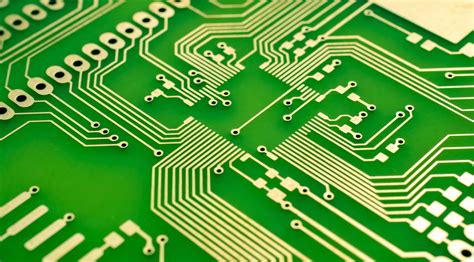
Printed Circuit Board (PCB) manufacturing has evolved significantly with the advent of Computer Numerical Control (CNC) machining. PCB CNC operation involves the use of automated milling, drilling, and routing machines to fabricate high-precision circuit boards. This technology enables rapid prototyping, low-volume production, and precise modifications that traditional etching methods cannot achieve.
This article explores the fundamentals of PCB CNC operation, including machine setup, tool selection, milling techniques, common challenges, and best practices for achieving optimal results.
1. Understanding PCB CNC Machining
1.1 What is PCB CNC Machining?
PCB CNC machining is a subtractive manufacturing process where a computer-controlled machine removes copper and substrate material from a blank PCB to create conductive traces, pads, and holes. Unlike chemical etching, CNC machining offers greater control, allowing for quick design iterations and complex geometries.
1.2 Advantages of CNC for PCB Fabrication
- Precision: CNC machines can achieve tolerances as tight as ±0.001 inches (0.025 mm).
- Flexibility: Supports single-sided, double-sided, and multi-layer PCBs.
- Rapid Prototyping: Eliminates the need for chemical processing, reducing turnaround time.
- No Masks or Etchants: Environmentally friendly compared to traditional etching.
- Compatibility: Works with various materials, including FR-4, aluminum, and flexible substrates.
2. Key Components of a PCB CNC Machine
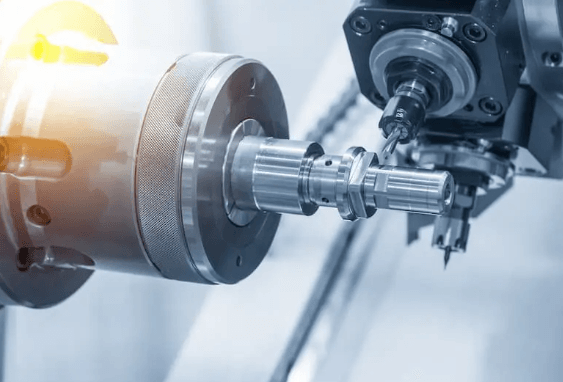
A typical PCB CNC system consists of:
2.1 The CNC Mill/Router
- A high-speed spindle (typically 10,000–60,000 RPM) for precise cutting.
- Linear motion systems (ball screws or linear rails) for accurate movement.
2.2 Control Software
- CAD/CAM Software (e.g., Eagle, KiCad, Fusion 360) converts PCB designs into machine-readable G-code.
- Machine Control Software (e.g., Mach3, GRBL, LinuxCNC) executes the toolpath.
2.3 Workholding & Bed
- Vacuum tables or clamps secure the PCB blank during machining.
- A flat, rigid surface ensures consistent depth control.
2.4 Tooling
- End Mills: V-shaped or flat-end mills for trace isolation.
- Drill Bits: Micro-drills (0.2mm–3mm) for vias and through-holes.
- Engraving Bits: For fine-pitch components and text etching.
3. PCB CNC Operation Workflow
3.1 Design Preparation
- Export Gerber and drill files from PCB design software.
- Use CAM software to generate toolpaths (traces, holes, and outlines).
3.2 Machine Setup
- Material Mounting: Secure the copper-clad board onto the machine bed.
- Tool Installation: Load appropriate end mills and drill bits.
- Zero Positioning: Set X, Y, and Z origins using a probe or manual alignment.
3.3 Machining Process
- Drilling: Holes for vias and component leads are drilled first.
- Milling: Isolation routing removes excess copper, leaving conductive traces.
- Contour Cutting: The PCB outline is cut from the panel.
3.4 Post-Processing
- Deburring: Remove sharp edges from cuts.
- Cleaning: Brush off copper dust to prevent short circuits.
- Inspection: Verify trace continuity and hole alignment.
4. Critical Parameters for Optimal PCB CNC Operation
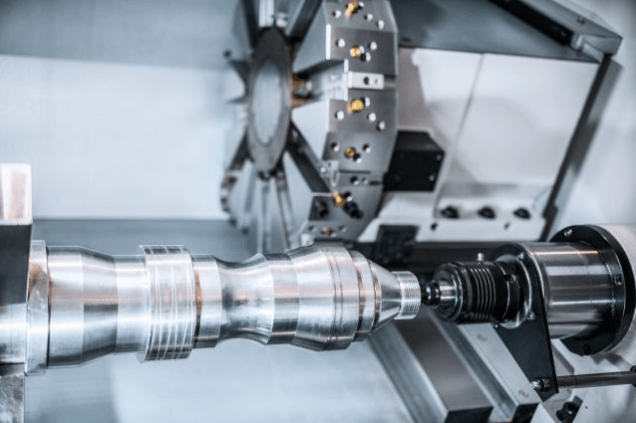
4.1 Spindle Speed & Feed Rate
- High RPM (20,000–50,000) for fine traces.
- Lower RPM (10,000–20,000) for drilling and cutting.
- Feed Rate: Typically 50–200 mm/min for milling, adjusted based on material.
4.2 Depth of Cut
- Copper Layer: 0.05–0.1mm depth to avoid damaging the substrate.
- Substrate Cutting: Full-depth passes for clean edges.
4.3 Tool Selection
- 30°–60° V-bit: Best for fine traces (0.2mm–0.5mm width).
- Flat End Mill (0.8mm–2mm): For larger traces and outline cutting.
- Carbide Drills: Essential for high-precision holes.
4.4 Stepover & Toolpath Strategy
- Isolation Milling: 10–30% stepover for clean copper removal.
- Climb vs. Conventional Milling: Climb milling reduces burring.
5. Common Challenges & Solutions
5.1 Broken or Worn Tools
- Cause: Excessive feed rate or incorrect spindle speed.
- Solution: Use sharp carbide tools and optimize cutting parameters.
5.2 Poor Trace Isolation
- Cause: Insufficient depth or incorrect tool diameter.
- Solution: Verify Z-axis calibration and tool geometry.
5.3 Copper Lifting
- Cause: Excessive heat or improper adhesive on the PCB.
- Solution: Reduce spindle speed and use coolant if necessary.
5.4 Misaligned Holes
- Cause: Tool deflection or incorrect zero positioning.
- Solution: Use a drill press or peck drilling for deep holes.
6. Best Practices for High-Quality PCB CNC Machining
- Use High-Quality Tools: Carbide end mills last longer than HSS.
- Optimize Feeds & Speeds: Adjust based on material and tool type.
- Secure Workpiece Properly: Prevent vibrations that cause inaccuracies.
- Perform Test Cuts: Verify settings on a scrap PCB first.
- Maintain Machine Calibration: Regularly check spindle alignment and bed leveling.
- Keep the Workspace Clean: Copper dust can cause electrical shorts.
7. Applications of PCB CNC Machining
- Prototyping: Fast iteration of circuit designs.
- RF & High-Frequency PCBs: Precise impedance control.
- Flex & Rigid-Flex PCBs: CNC allows for intricate flexible circuits.
- Custom Electronics: Low-volume production for specialized devices.
8. Future Trends in PCB CNC Technology
- Automated Tool Changers: Reduce manual intervention.
- Laser Hybrid CNC: Combining milling and laser etching for finer features.
- AI-Based Optimization: Smart CAM software for error detection.
Conclusion
PCB CNC operation is a powerful method for producing high-precision circuit boards with speed and accuracy. By understanding machine setup, tool selection, and optimal cutting parameters, manufacturers can achieve professional-grade PCBs without chemical processing. As CNC technology advances, it will continue to play a crucial role in rapid prototyping and customized electronics manufacturing.
By following best practices and staying updated with emerging trends, engineers and hobbyists alike can leverage PCB CNC machining to bring their electronic designs to life efficiently.