PCB Manufacturing Business: An In-Depth Analysis
Introduction
In the design and manufacturing of modern electronic products, printed circuit boards (PCBs) play a vital role as basic components. Whether it is a smartphone, computer, home appliance, or automotive electronics, PCBs are the core of electronic functions. With the continuous development of science and technology, the PCB manufacturing business is also evolving and has become an industry full of opportunities and challenges. This article will explore the current status, market trends, technological advances, challenges, and future prospects of the PCB manufacturing business.
Basic Concepts of PCB Manufacturing
1.Definition and Classification of PCBs
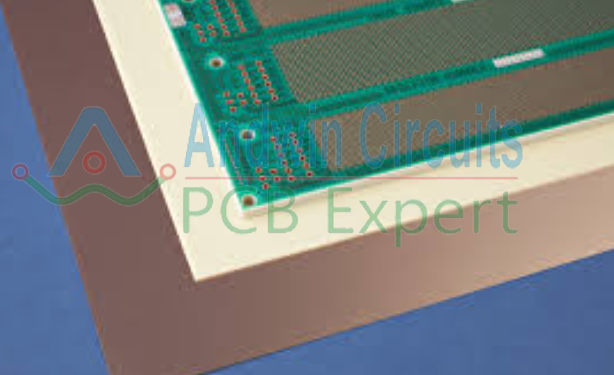
Printed circuit boards (PCBs) are basic structures for connecting electronic components, usually composed of insulating materials and conductive materials. According to different application requirements, PCBs can be divided into many types, including:
Single-sided boards: only one side has circuits, suitable for simple electronic products.
Double-sided boards: both sides have circuits, suitable for medium-complexity applications.
Multi-layer boards: composed of multiple layers of circuits stacked together, suitable for complex electronic devices such as computers and communication equipment.
2.PCB manufacturing process
The manufacturing process of PCB usually includes the following steps:
Design: Use professional software to design circuits and generate circuit diagrams and layouts.
Photolithography: Transfer the design pattern to the substrate to form a circuit pattern.
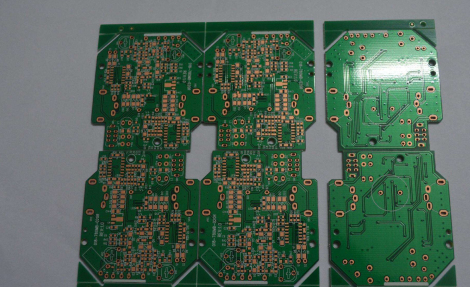
Etching: Remove the excess copper layer, leaving the required circuit.
Drilling: Drill holes in the PCB to install components and make electrical connections.
Gold plating: Plate a layer of metal on the contact points to improve conductivity and corrosion resistance.
Testing: Electrically test the PCB to ensure that it functions properly.
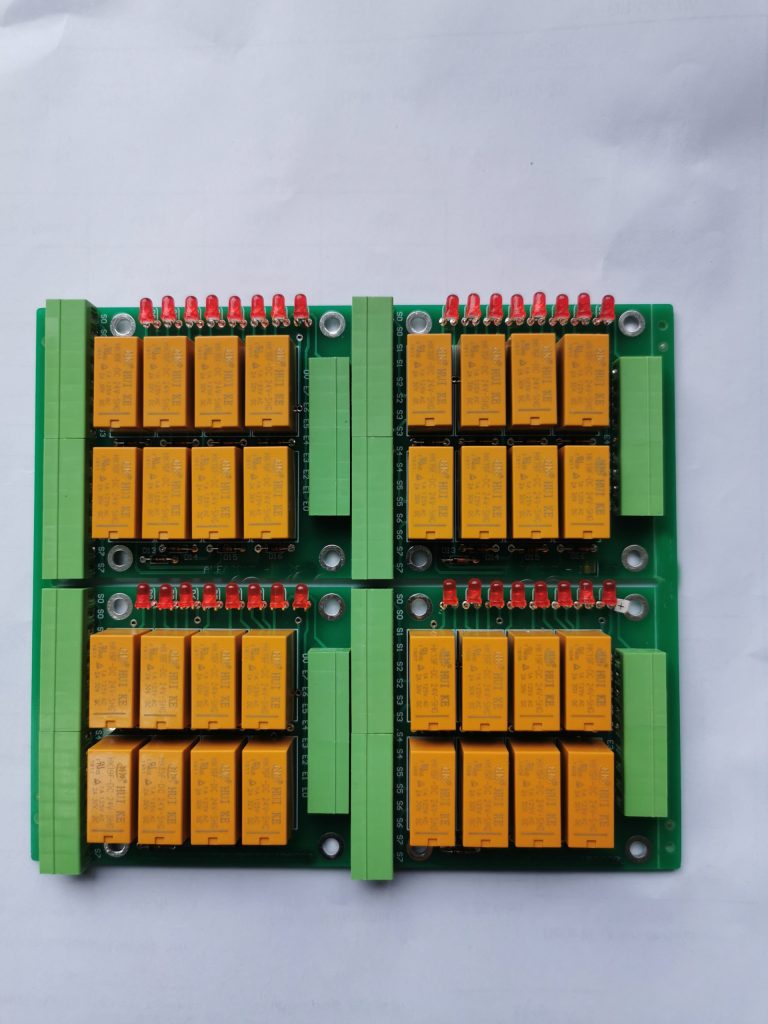
Assembly: Solder electronic components to the PCB to complete the final product.
PCB market status and trends
1.Market size and growth
According to data from market research institutions, the global PCB market has continued to grow in the past few years and is expected to continue to maintain strong growth momentum in the next few years. With the development of emerging technologies such as 5G, Internet of Things (IoT), and artificial intelligence (AI), the demand for PCBs will increase further.
2.Major market drivers
Popularity of electronic products: The popularity of consumer electronic products such as smartphones, tablets, and smart home devices has driven the demand for PCBs.
Automotive electronics: With the rise of electric and smart cars, the demand for high-performance PCBs in the automotive electronics market is increasing.
Industrial automation: The advancement of Industry 4.0 has led to a continuous increase in the demand for high-reliability PCBs in automation equipment.
3.Regional market analysis
The Asia-Pacific region is the main market for global PCB manufacturing, especially China, Japan, and South Korea. These countries have strong manufacturing capabilities and technological advantages, attracting a lot of investment and talent. At the same time, the European and American markets are also gradually recovering, especially in the field of high-end PCBs.
Advances in PCB manufacturing technology
1.High-density interconnect (HDI) technology
HDI technology can achieve higher integration and smaller size by adding tiny holes and fine lines to PCBs. This technology is widely used in smartphones and wearable devices.
2.Flexible circuit boards (FPCs)
Flexible circuit boards are widely used in electronic devices with limited space, such as smart watches and medical devices, due to their thin and bendable characteristics. With the advancement of technology, the manufacturing cost of FPC is gradually decreasing, and the market demand is also increasing.
3.Environmentally friendly materials and processes
With the improvement of environmental awareness, PCB manufacturers have begun to adopt environmentally friendly materials and processes, such as lead-free soldering and recyclable materials. This not only meets the requirements of environmental regulations, but also enhances the social responsibility image of enterprises.
Challenges faced by PCB manufacturing
1.Cost pressure
PCB manufacturing involves multiple links, and the costs of raw materials, equipment, labor, etc. continue to rise, which brings great cost pressure to enterprises. How to reduce costs while ensuring quality is an important challenge that manufacturers need to face.
2.Fast technology update speed
The technology in the electronics industry is updated rapidly, and PCB manufacturers need to continuously invest in research and development to keep up with changes in market demand. This puts higher requirements on the capital and technology accumulation of enterprises.
3.Intensified competition
With the opening of the market and the intensification of global competition, PCB manufacturers are facing fierce competition from domestic and foreign companies. How to stand out in technology, quality and service is the key to the survival and development of enterprises.
Future Outlook
1.Intelligent manufacturing and automation
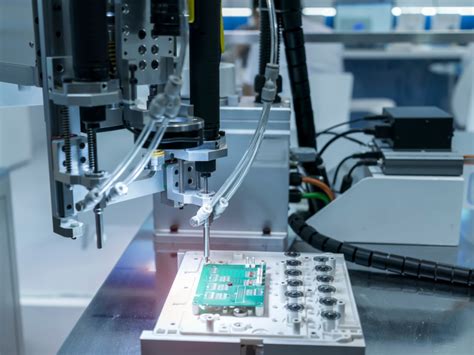
In the future, PCB manufacturing will develop in the direction of intelligent manufacturing and automation. By introducing technologies such as artificial intelligence and the Internet of Things, production efficiency and product quality can be improved and labor costs can be reduced.
2.Customization and small-batch production
With the diversification of market demand, customization and small-batch production will become the trend of PCB manufacturing. Enterprises need to flexibly adjust production lines to meet the needs of different customers.
3.Sustainable development
Environmental protection and sustainable development will become an important direction for PCB manufacturing. Enterprises need to reduce resource consumption and waste emissions during the production process and actively explore green manufacturing technologies.
Conclusion
PCB manufacturing business occupies a pivotal position in the modern electronics industry. With the continuous advancement of science and technology and changes in market demand, PCB manufacturers are facing opportunities and challenges. Only through technological innovation, optimization of production processes and improvement of service quality can enterprises remain invincible in the fierce market competition. In the future, PCB manufacturing will continue to move towards intelligence, customization and sustainable development, and contribute greater strength to the development of the global electronics industry.