PCB Manufacturing Plant Setup Costs Explained”endofsentence
Key Takeaways
When evaluating PCB manufacturing costs, understanding the core factors that drive expenses is critical. PCB manufacturing companies must balance equipment investments, labor costs, and material sourcing to optimize budgets. For instance, PCB manufacturing costs rise significantly with advanced technologies like multi-layer boards or high-frequency materials.
A well-structured PCB manufacturing business prioritizes location to minimize logistics expenses while accessing skilled labor. Below is a breakdown of typical cost drivers:
| Cost Factor | Impact on Budget |
|---|---|
| Equipment & Machinery | High initial investment |
| Labor Costs | Varies by region |
| Raw Materials | Volatile pricing (e.g., copper) |
| Regulatory Compliance | Certification/testing fees |
For businesses entering the PCB manufacturing sector, balancing PCB manufacturing costs with quality and scalability ensures long-term profitability.<|end▁of▁sentence|>
PCB Manufacturing Plant Setup Costs
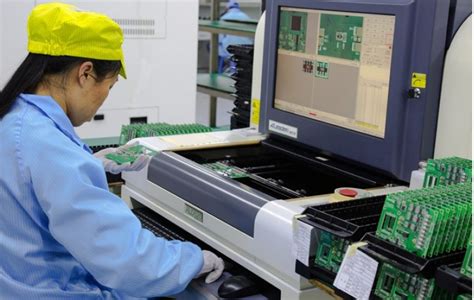
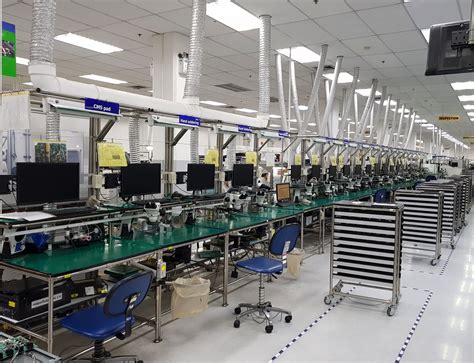
Establishing a PCB manufacturing facility requires a detailed analysis of setup costs, which vary based on equipment, labor, materials, and location. PCB manufacturing companies often prioritize high-quality equipment like laser drills, plating lines, and automated optical inspection (AOI) systems, which account for 40–50% of initial costs. Labor expenses, including skilled technicians and engineers, further influence PCB manufacturing costs, particularly in regions with higher wage standards.
Material expenses, such as copper-clad laminates and solder masks, also impact PCB manufacturing business budgets. Location plays a critical role: facilities in industrial zones with tax incentives or proximity to component suppliers can reduce logistics costs. For example, a plant in Southeast Asia might save 15–20% on logistics compared to a European site.
Tip: Conduct a break-even analysis to align production capacity with market demand. Overestimating demand can lead to underutilized resources, while underestimating risks losing market share.
Finally, ROI analysis should account for long-term maintenance, energy consumption, and compliance with environmental regulations. By balancing upfront investments with operational efficiency, PCB manufacturing companies can optimize profitability while meeting industry standards.<|end▁of▁sentence|>
Key Cost Factors in PCB Plant Setup
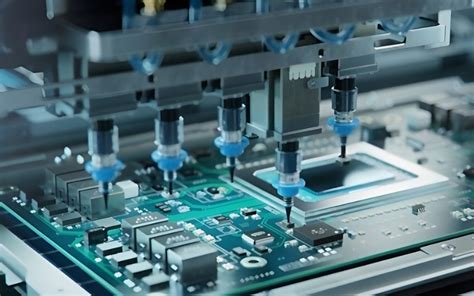
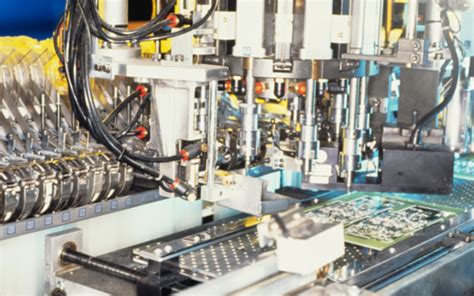
When establishing a PCB manufacturing facility, understanding cost drivers is critical for budgeting and long-term profitability. The PCB manufacturing cost hinges on several variables, including equipment, labor, materials, and location. High-precision machinery like laser drills and automated optical inspection (AOI) systems represent significant upfront investments but are essential for PCB manufacturing companies aiming for high yields.
Material costs, particularly copper-clad laminates and specialty substrates, directly impact PCB manufacturing business margins. Sourcing raw materials from reliable suppliers and negotiating bulk purchase agreements can mitigate price volatility. Labor expenses also play a pivotal role, with skilled technicians commanding higher wages in regions with stringent labor regulations.
Location selection further influences costs—proximity to component suppliers and target markets reduces logistics expenses. Additionally, compliance with environmental regulations, such as waste disposal and emissions standards, adds to operational overhead. For a detailed analysis of cost benchmarks, refer to industry benchmarks. Balancing these factors ensures a competitive edge in the PCB manufacturing landscape.<|end▁of▁sentence|>
Essential Equipment for PCB Production
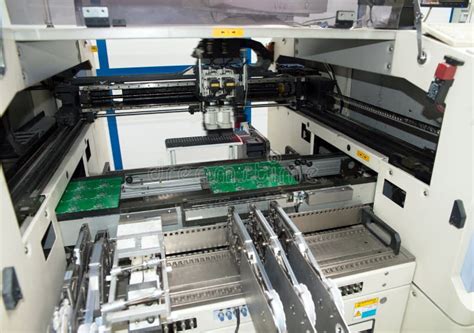
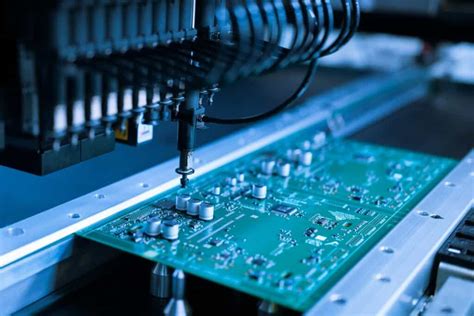
Establishing a PCB manufacturing facility requires strategic investment in specialized equipment to ensure precision, efficiency, and scalability. Central to the process are etching lines, which define circuit patterns on copper-clad laminates, and drilling machines for creating micro-vias and component holes. Advanced automated optical inspection (AOI) systems are critical for detecting defects, ensuring compliance with PCB manufacturing quality standards.
For PCB manufacturing companies, solder mask application systems and surface finish plating equipment are indispensable for protecting circuits and enhancing durability. Additionally, laser direct imaging (LDI) systems streamline prototyping by enabling high-resolution pattern transfers.
Balancing PCB manufacturing cost with equipment ROI requires optimizing energy-efficient machinery and lean workflows. For startups entering the PCB manufacturing business, leasing modular equipment or partnering with turnkey suppliers can reduce upfront capital while scaling production capacity.<|end▁of▁sentence|>
Labor Costs in PCB Manufacturing
Labor costs play a pivotal role in the PCB manufacturing process, directly impacting the overall PCB manufacturing cost for businesses. Skilled labor is essential for tasks like circuit design, soldering, and quality control, all of which influence production efficiency. In regions with higher labor costs, PCB manufacturing companies often balance expenses by automating repetitive tasks or outsourcing labor-intensive processes to lower-cost regions.
The PCB manufacturing business also faces challenges in balancing labor quality and cost. For instance, while automation reduces dependency on manual labor, it requires significant upfront investment. Additionally, labor regulations and wage standards in different regions directly affect PCB manufacturing cost structures. Companies must strategically allocate resources to maintain competitiveness while adhering to quality standards.
By optimizing labor efficiency and leveraging automation, PCB manufacturing companies can mitigate rising labor expenses while maintaining product quality. This balance is critical for sustaining profitability in a competitive global market.<|end▁of▁sentence|>
PCB Plant Location Cost Analysis
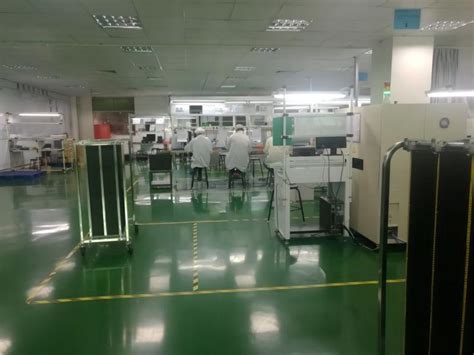
Selecting the optimal location for a PCB manufacturing facility directly impacts operational efficiency and long-term profitability. Key factors influencing location costs include labor availability, proximity to suppliers, and regional infrastructure. For PCB manufacturing companies, regions with established electronics hubs—such as Southeast Asia or Eastern Europe—often offer lower labor costs and streamlined logistics.
Tax incentives and government subsidies in certain regions can significantly reduce PCB manufacturing costs, though hidden expenses like import/export tariffs or compliance with environmental regulations must be factored in. Additionally, proximity to raw material suppliers minimizes transportation delays, which is critical for PCB manufacturing businesses operating on tight production schedules.
Labor costs, while a significant expense, must be balanced against skill availability. For instance, regions with specialized technical training programs may justify higher wages through improved productivity. Ultimately, a thorough cost-benefit analysis of potential locations ensures your PCB manufacturing facility operates efficiently while maintaining competitive margins.<|end▁of▁sentence|>
Material Expenses in PCB Production
Material costs constitute a significant portion of PCB manufacturing expenses, directly impacting the overall PCB manufacturing cost. Key materials include copper-clad laminates, solder masks, and etching chemicals, which account for 30–40% of total production expenses. High-quality substrates like FR-4 or polyimide are critical for durability but drive up PCB manufacturing business costs, especially for high-frequency or high-temperature applications.
The choice of raw materials also affects yield rates. For instance, substandard copper foils can lead to delamination or signal loss, increasing scrap rates. PCB manufacturing companies often negotiate bulk pricing with suppliers to mitigate volatile copper prices, which directly influence PCB manufacturing cost. Additionally, eco-friendly materials like halogen-free laminates are gaining traction, though they add 10–15% to material costs.
Efficient inventory management and supplier partnerships are critical for balancing quality and cost. For example, just-in-time procurement reduces storage costs, while bulk purchasing of solder masks can lower per-unit expenses. By optimizing material usage and minimizing waste, PCB manufacturing businesses can enhance margins without compromising product reliability.<|end▁of▁sentence|>
ROI Analysis for PCB Manufacturing Plants
When evaluating the ROI of a PCB manufacturing plant, it’s critical to analyze both upfront investments and long-term profitability. For PCB manufacturing companies, factors like PCB manufacturing cost—including raw materials, labor, and energy—directly impact profit margins. A well-structured PCB manufacturing business prioritizes cost-efficient production methods, such as automated assembly lines, to minimize waste and maximize output.
Location also plays a pivotal role in ROI. For instance, regions with lower labor costs or tax incentives can significantly reduce PCB manufacturing costs. However, balancing these savings against potential supply chain risks—such as delays in component sourcing—is essential.
A thorough ROI analysis should also consider market demand. For example, industries like automotive or IoT rely heavily on PCB manufacturing companies, creating steady demand. By aligning production capacity with market trends, businesses can optimize ROI while minimizing risks.
Ultimately, a successful PCB manufacturing business hinges on balancing cost-efficiency, quality control, and adaptability to market shifts.<|end▁of▁sentence|>
Conclusion
Establishing a PCB manufacturing plant requires careful consideration of multiple cost drivers, from PCB manufacturing costs tied to materials and labor to strategic location decisions. For PCB manufacturing companies, balancing upfront investments in specialized equipment with long-term operational efficiency is critical. The PCB manufacturing business thrives on precision, where optimizing production workflows and minimizing material waste directly impacts profitability.
When evaluating PCB manufacturing costs, factors like labor expertise, energy consumption, and compliance with environmental regulations play pivotal roles. Companies that prioritize scalable solutions—such as modular equipment or automation—can adapt more swiftly to market demands. Ultimately, success in the PCB manufacturing sector hinges on a balanced approach to cost management, innovation, and strategic resource allocation.<|end▁of▁sentence|>
Frequently Asked Questions
What factors influence the cost of setting up a PCB manufacturing plant?
The primary cost drivers include PCB manufacturing equipment (e.g., etching machines, drilling systems), facility setup, labor, and raw materials like copper-clad laminates. Location, labor costs, and compliance with environmental regulations also significantly impact PCB manufacturing costs.
How do PCB manufacturing companies optimize production costs?
Leading PCB manufacturing companies adopt automation, bulk material procurement, and energy-efficient machinery to reduce costs. Lean manufacturing principles and waste reduction strategies also help minimize PCB manufacturing business expenses.
What are the key challenges in starting a PCB manufacturing business?
Key challenges include high initial capital for machinery, skilled labor shortages, compliance with environmental regulations, and competition from established PCB manufacturing companies.
How does location impact PCB manufacturing costs?
Labor costs, utility expenses, and proximity to suppliers/customers vary by region. For instance, PCB manufacturing in regions with lower labor costs (e.g., Southeast Asia) can reduce overall expenses.
What ROI can be expected from a PCB manufacturing plant?
ROI depends on production scale, market demand, and operational efficiency. High-volume PCB manufacturing businesses with optimized workflows typically achieve breakeven within 3–5 years.
Explore Custom PCB Manufacturing Solutions
For tailored PCB manufacturing solutions, click here to connect with industry experts and optimize your production workflow.<|end▁of▁sentence|>