PCB Plant Sales: Essential Buying Factor
Key Takeaway
When evaluating PCB manufacturing facilities for acquisition, start by analyzing production capacity alignment with your business needs. Plants offering 1,000 to 1 million units annually cater to diverse demands, from prototyping to mass production. Verify compliance with IPC Class 2/3 standards, which ensure reliability for commercial or aerospace applications—critical for maintaining quality benchmarks.
Material versatility is another priority. Facilities supporting FR4, Rogers, or Aluminum substrates provide flexibility for varied projects, directly impacting PCB manufacturing cost and market competitiveness. For instance, aluminum-backed PCBs suit high-power applications but may increase material expenses.
Tip: Request documentation for IPC certifications and material traceability to avoid post-purchase compliance issues.
Lead times (2 days to 5 weeks) reveal operational efficiency. Shorter cycles benefit urgent orders but may indicate limited PCB manufacturing business scalability. Compare this with the seller’s equipment age and workforce expertise—older machinery could mean higher maintenance costs.
Finally, assess how well the plant integrates with existing workflows. Partnering with established PCB manufacturing companies often ensures smoother transitions, but validate their financial stability to mitigate acquisition risks. By balancing these factors, you position yourself to select a facility that aligns with both technical and strategic goals.
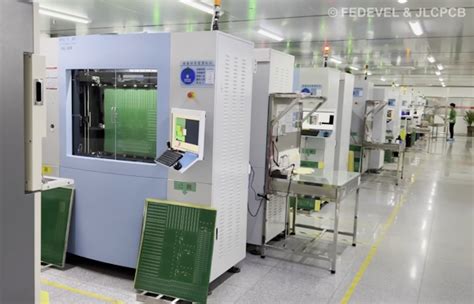
PCB Plant Capacity Range Evaluation
When evaluating a pcb manufacturing plant’s capacity, you’ll need to align its output range with your project’s scale and growth projections. Most facilities operate within a spectrum of 1–1 million units per month, but the ideal choice depends on whether you prioritize prototyping agility or high-volume consistency. For smaller batches (1–10k units), leaner plants often offer faster turnaround times, while larger pcb manufacturing companies with 100k+ unit capacities optimize economies of scale.
Consider this breakdown:
| Capacity Tier | Typical Clients | Cost Efficiency |
|---|---|---|
| 1–10k/month | Startups, R&D | Higher per-unit pcb manufacturing cost |
| 10k–100k/month | Mid-sized OEMs | Balanced margins |
| 100k–1M/month | Enterprise buyers | Lowest per-unit costs |
A plant’s machinery mix directly impacts scalability. For example, laser direct imaging (LDI) systems enable finer tolerances for complex designs but may limit throughput. Verify if the facility can reconfigure lines for sudden demand spikes—critical for maintaining flexibility in the pcb manufacturing business. Overestimating capacity risks idle machinery, while underestimating strains delivery timelines. Cross-reference claimed output with historical client data or third-party audits to avoid discrepancies.
This evaluation sets the foundation for analyzing IPC certifications and material capabilities, which further refine your shortlist.
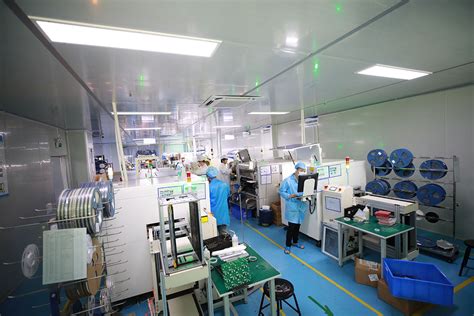
Material Selection in PCB Plants
When evaluating a PCB manufacturing facility, the range of materials offered directly impacts the versatility and quality of your end products. Reputable PCB manufacturing companies typically provide FR4 as a standard substrate for general-purpose boards, while high-frequency applications may require Rogers materials or aluminum-core substrates for thermal management. You’ll want to verify whether the plant supports IPC-4101 specifications for material qualification, as this ensures consistency in dielectric properties and thermal reliability.
Material choices also influence PCB manufacturing cost—specialized substrates like polyimide or ceramic-filled laminates can increase expenses by 15–40% compared to standard options. However, these investments may be justified for aerospace or automotive applications demanding extreme durability. For PCB manufacturing business buyers, balancing material capabilities with projected order profiles is critical: a plant limited to FR4 may struggle to serve clients needing flexible circuits or high-density interconnect (HDI) designs.
Equally important is the supplier network—facilities with partnerships with Tier-1 material vendors (e.g., Isola, Shengyi) often achieve better pricing and faster restocking, reducing production delays. Always cross-reference material certifications with the plant’s quality audit reports to avoid mismatches between claimed and actual capabilities.
Lead Time Factors for Buyers
When assessing PCB manufacturing facilities for sale, lead time directly impacts your operational efficiency and customer satisfaction. Production timelines for PCB manufacturing companies typically range from 2 days for quick-turn prototypes to 5 weeks for high-volume orders, depending on the plant’s capacity and order complexity. A facility’s ability to scale batch sizes without compromising deadlines is critical—especially if your PCB manufacturing business serves clients with urgent project cycles or fluctuating demand.
Key variables affecting lead times include material procurement strategies (e.g., stocking common substrates like FR4 versus specialty materials) and compliance with IPC Class 2/3 standards, which may require additional quality checks. For instance, PCB manufacturing cost optimization often involves balancing faster production with tighter material budgets, but rushing orders without proper testing can lead to delays from rework. Always verify whether the plant uses automated workflows for design validation or relies on manual processes, as this determines how quickly they can adapt to last-minute design changes.
Finally, prioritize suppliers offering real-time production tracking and transparent communication channels. This ensures you can proactively manage client expectations while maintaining the agility needed in competitive PCB manufacturing markets.
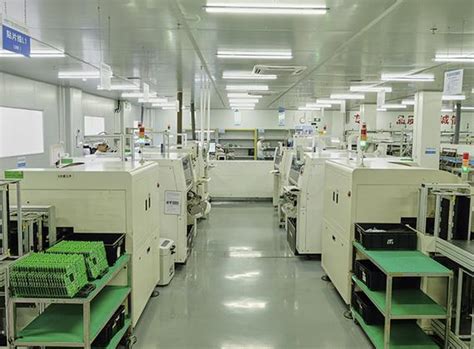
Key PCB Plant Purchase Factors
When acquiring a PCB manufacturing plant, you must prioritize factors that align with your operational goals and market demands. Start by verifying the facility’s production capacity—whether it handles low-volume prototyping (1–1,000 units) or high-volume runs (100k–1M units). This ensures scalability for your PCB manufacturing business as orders fluctuate. Next, scrutinize compliance with IPC standards (Class 2/3), which validate the plant’s ability to produce boards for mission-critical applications like aerospace or medical devices.
Material versatility is equally vital: assess whether the plant supports FR-4, Rogers substrates, or aluminum-backed PCBs to meet diverse client requirements. For PCB manufacturing companies serving global markets, review lead time flexibility—options ranging from 48-hour rapid turnaround to 5-week extended cycles—to balance speed and PCB manufacturing cost efficiency. Finally, cross-check these elements against the seller’s financial stability and equipment maintenance records to avoid hidden liabilities. By methodically evaluating these aspects, you position your acquisition to thrive in competitive electronics markets.
Quality Benchmarks in PCB Acquisition
When assessing a PCB manufacturing plant, quality benchmarks should form the cornerstone of your evaluation. Reputable PCB manufacturing companies adhere to IPC-6012 and IPC-A-600 standards, which define acceptance criteria for rigid boards and performance specifications. For high-reliability applications—such as aerospace or medical devices—look for facilities certified to Class 3 requirements, ensuring stricter controls over hole wall thickness and solderability.
Material traceability is equally critical. Verify whether the plant maintains ISO 9001-compliant documentation for raw materials like FR4 substrates or Rogers high-frequency laminates. This reduces risks of counterfeit components, which can escalate PCB manufacturing costs due to rework or warranty claims. Advanced facilities often integrate automated optical inspection (AOI) systems, achieving defect rates below 0.1%, while older plants relying on manual checks may struggle to meet modern yield expectations.
Finally, align quality protocols with your PCB manufacturing business goals. If producing high-mix, low-volume prototypes, prioritize plants with flexible testing workflows rather than those optimized solely for mass production. Balancing these factors ensures you acquire a facility capable of delivering both consistency and adaptability across projects.
Cost Analysis for PCB Manufacturing
When evaluating pcb manufacturing expenses, you’ll need to dissect both upfront investments and long-term operational costs. Start by analyzing equipment depreciation—high-end machinery for multilayer boards or HDI designs can account for 40–60% of initial capital. Pcb manufacturing companies often bundle tooling fees into project quotes, but clarify whether these are one-time or recurring charges. Material procurement is another critical layer: substrates like FR4, Rogers, or Aluminum vary in price by 15–300%, depending on thermal and mechanical specs.
Labor costs fluctuate based on technical expertise—operators for automated optical inspection (AOI) systems typically command higher wages than general assembly staff. Don’t overlook certifications: maintaining IPC Class 3 compliance adds 8–12% to quality control budgets. For pcb manufacturing cost optimization, compare volume pricing models—some plants offer 18–22% discounts for orders above 10,000 units. Energy consumption patterns also matter; facilities with solar-powered lines may reduce your kWh expenses by 6–9%.
Finally, factor in logistics. While offshore pcb manufacturing business hubs promise lower base rates, tariffs and shipping delays can erode 12–15% of projected savings. Domestic suppliers might provide tighter lead time guarantees, minimizing inventory holding costs. Always cross-reference quoted rates with industry benchmarks—a $0.03/sq. inch variance becomes significant at scale.
Production Flexibility in PCB Sal
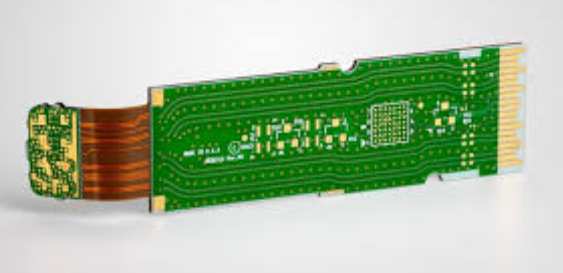
When evaluating PCB manufacturing facilities, production flexibility directly impacts your ability to meet diverse client demands. Modern PCB manufacturing companies must balance standardized processes with the capacity to handle specialized orders, such as high-frequency designs or mixed-material boards. Key factors include equipment compatibility for both rigid and flexible PCBs, as well as the ability to switch between FR4, Rogers, or Aluminum substrates without significant downtime.
A plant’s adaptability in order sizes—from prototype batches (10–100 units) to high-volume runs (50k+ units)—determines how efficiently you can manage PCB manufacturing cost fluctuations. For instance, facilities with modular production lines can scale operations dynamically, reducing idle machinery expenses. Additionally, assess lead time variability: while standard orders may take 5–7 days, complex designs requiring IPC Class 3 certifications or HDI technology could extend to 3–5 weeks.
This flexibility becomes critical if your PCB manufacturing business serves industries with rapid design iterations, like consumer electronics or automotive. Verify whether the plant supports quick-turn services (24–48 hours) for urgent revisions and maintains inventory for common materials to avoid bottlenecks. Seamless transitions between product types ensure you stay competitive without compromising on quality or delivery timelines.
Conclu
When finalizing your decision to acquire a PCB manufacturing facility, aligning operational priorities with long-term business objectives becomes critical. Production capacity requirements (1–1M units) must match your projected demand, while IPC Class 2/3 certifications ensure compliance with industry reliability standards—a non-negotiable for most PCB manufacturing companies. Material versatility, including substrates like FR4, Rogers, or aluminum, directly impacts the facility’s ability to serve diverse client needs, affecting both PCB manufacturing cost and market competitiveness.
Lead time flexibility (2 days–5 weeks) often correlates with a plant’s process optimization and automation levels, which influence scalability in a dynamic PCB manufacturing business. While upfront costs are a key factor, prioritize facilities offering upgradable equipment to adapt to emerging technologies like HDI or flexible circuits. Cross-referencing quality benchmarks (e.g., defect rates per million) with supplier audits minimizes post-purchase risks. Ultimately, the right acquisition balances immediate ROI with strategic adaptability, ensuring the facility evolves alongside shifts in material science and client specifications.
FAQ
What production capacity should I expect from a PCB manufacturing plant?
When evaluating PCB manufacturing facilities, consider plants offering 1-1M units monthly capacity. This range accommodates prototyping and mass production, ensuring scalability for your PCB manufacturing business.
How do IPC certifications impact plant quality?
Facilities with IPC Class 2/3 certifications meet rigorous reliability standards for industries like aerospace or medical devices. Prioritize PCB manufacturing companies with these certifications to ensure compliance with high-performance benchmarks.
What material options are critical for PCB production?
Look for plants supporting FR4, Rogers, and Aluminum substrates. Material versatility allows you to address diverse client needs, from low-cost prototypes to high-frequency applications, optimizing PCB manufacturing cost efficiency.
Why are lead times a decisive factor in purchasing a plant?
Shorter lead times (2 days for prototypes, 5 weeks for bulk orders) enhance client satisfaction and operational agility. Ensure the plant’s workflow aligns with your PCB manufacturing timelines to maintain competitive delivery schedules.
How do I balance cost and quality when acquiring a facility?
Analyze equipment depreciation, labor expertise, and energy consumption. Partnering with ISO-certified PCB manufacturing companies often provides better long-term ROI despite higher initial investments.
Ready to Explore Custom PCB Solutions?
For tailored guidance on selecting or upgrading your PCB manufacturing infrastructure, please click here to connect with industry experts.