Printed Circuit Assembly Costs: Key Pricing Factors and Optimization
Key Takeaways
Three primary considerations emerge when analyzing PCB assembly cost drivers: material specifications, production scale, and technical complexity. Understanding these variables enables informed decision-making across the PCBA lifecycle.
| Cost Factor | Typical Impact Range | Optimization Strategy |
|---|---|---|
| Material Selection | 15-40% of total cost | Prioritize cost-performance balanced substrates |
| Order Volume | 30-60% unit cost reduction | Implement phased production batches |
| Design Complexity | +20-50% labor costs | Apply DFM (Design for Manufacturing) principles |
"Early supplier engagement during prototyping often reveals 12-18% potential savings through component substitution alternatives."
While PCB assembly pricing appears straightforward, hidden expenses like certification testing fees and custom tooling charges frequently impact budgets. Recent advancements in automated optical inspection (AOI) systems have reduced quality control costs by 25-40% for high-volume orders.
Strategic PCBA cost management requires balancing three imperatives:
- Component sourcing flexibility without compromising reliability
- Yield optimization through process validation
- Global supplier negotiations leveraging total cost of ownership models
Manufacturers achieving <5% material waste rates typically combine vendor-managed inventory programs with just-in-time delivery schedules. This approach proves particularly effective for mid-volume PCB assembly projects (500-5,000 units), where both economies of scale and customization requirements coexist.
Material Selection Impact on PCB Assembly Costs
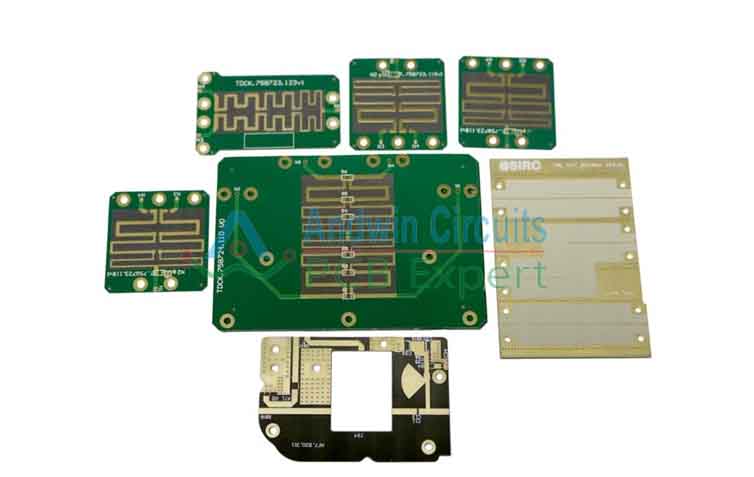
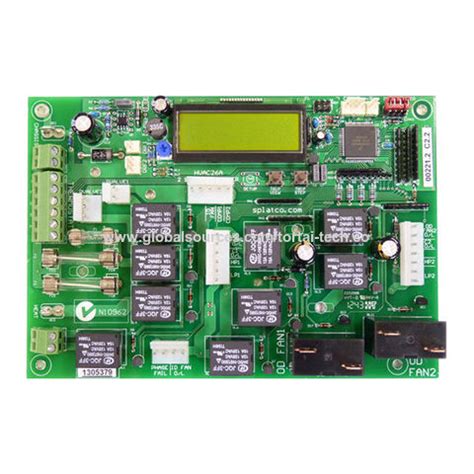
Material choices directly influence PCB assembly expenses, with substrate selection being the primary cost driver. Standard FR-4 substrates offer cost efficiency for general applications, while high-frequency laminates (e.g., Rogers or Teflon) can increase material costs by 300–500% for specialized RF designs. Copper weight further impacts pricing—thicker layers (2 oz vs. 1 oz) improve current capacity but raise raw material consumption by 20–30%.
The PCBA process is also affected by solder mask and surface finish options. Liquid photoimageable solder masks (LPISM) provide finer resolution than cheaper epoxy options but add 15–25% to material costs. For surface finishes, HASL (Hot Air Solder Leveling) remains economical, while ENIG (Electroless Nickel Immersion Gold) increases expenses by 40–60% but enhances reliability for complex boards. Component packaging formats—such as surface-mount (SMD) versus through-hole—affect both material waste and assembly speed, with SMD typically reducing placement costs by 18–22% through automated workflows.
Strategic material optimization requires balancing performance requirements with budget constraints. For instance, selecting mid-Tg FR-4 instead of standard grades improves thermal resilience for industrial applications with only a 10–15% cost premium. Manufacturers leveraging design-for-manufacturing (DFM) principles often achieve 12–18% material savings by aligning specifications with production capabilities.
Volume Production Discounts in PCB Manufacturing
Economies of scale play a pivotal role in reducing PCB assembly costs, particularly for high-volume orders. Manufacturers typically offer tiered pricing models where per-unit expenses decrease significantly as order quantities increase. This is driven by the amortization of fixed costs—such as tooling, stencil preparation, and machine setup—across more units. For example, a 10,000-unit PCBA order might cost 30-50% less per board compared to a 500-unit prototype batch, depending on the supplier’s operational efficiency.
Material procurement also benefits from bulk purchasing. Larger orders enable manufacturers to negotiate better rates for components, substrates, and solder materials, which directly lowers the PCB assembly price. However, businesses must balance volume commitments with demand forecasts to avoid overstocking or obsolescence risks. Strategic planning becomes critical here: phased production runs or consignment inventory agreements can help maintain cost advantages without tying up capital.
Automation further amplifies volume-driven savings. High-throughput pick-and-place machines and reflow ovens operate more efficiently at scale, reducing labor costs and minimizing errors. For projects requiring consistent PCBA quality across thousands of units, this automation leverage ensures both affordability and reliability. Still, manufacturers often impose minimum order quantities (MOQs), making it essential to align production schedules with supplier capabilities. By optimizing order volumes and leveraging tiered pricing structures, businesses can unlock substantial savings while maintaining flexibility in dynamic markets.
Design Complexity vs. Assembly Pricing Tradeoffs
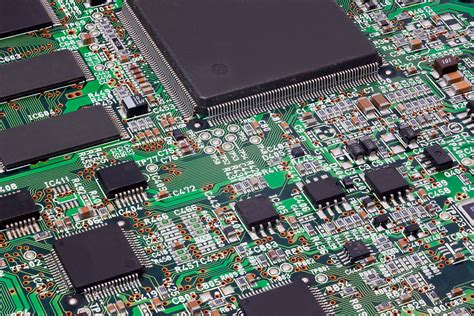
The relationship between PCB assembly design intricacy and production costs hinges on balancing technical requirements with economic feasibility. Highly complex designs—featuring high component density, multilayer configurations, or customized form factors—often demand specialized equipment and extended labor hours, directly elevating PCBA expenses. For instance, boards requiring advanced surface-mount technology (SMT) or fine-pitch components may incur 20–35% higher assembly costs compared to simpler layouts.
However, strategic design optimization can mitigate these tradeoffs. Standardizing component sizes, minimizing unique part types, and adhering to Design for Manufacturing (DFM) guidelines streamline PCB assembly workflows, reducing error rates and rework costs. Engineers must also evaluate thermal management and signal integrity needs early in the design phase to avoid costly post-production modifications.
Automation plays a dual role here: while complex designs may require pricier, precision-focused machinery, automated systems for solder paste application and component placement can offset labor costs in high-volume PCBA orders. A pragmatic approach involves prototyping multiple design iterations to identify cost drivers without compromising critical functionalities—ensuring that complexity aligns with market demands and end-use requirements.
Quality Control Standards and Cost Optimization Balance
Navigating the equilibrium between PCB assembly quality benchmarks and cost efficiency requires a methodical approach to process design. Rigorous quality control (QC) protocols, such as automated optical inspection (AOI) and X-ray testing, inherently increase PCBA expenses due to specialized equipment and extended cycle times. However, strategic sampling protocols—applying 100% inspection only for high-risk components—can reduce overhead while maintaining defect detection accuracy.
Material certifications (e.g., IPC-A-610 Class 3) and supplier audits add upfront costs but mitigate long-term risks like rework or field failures, which escalate expenses by 30–50% post-deployment. Implementing statistical process control (SPC) tools enables manufacturers to identify cost drivers in real time, such as solder paste misapplication or component misalignment, allowing corrective actions before defects propagate.
A common pitfall involves over-specifying tolerances for non-critical features, which inflates PCB assembly costs without functional benefits. Conversely, aligning QC thresholds with application-specific requirements—for example, relaxing standards for consumer electronics versus medical devices—optimizes resource allocation. Transitioning to risk-based inspection models, supported by machine learning analytics, further refines this balance by prioritizing checks at critical junctures in the production flow.
This synergy between precision and pragmatism ensures PCBA projects meet reliability targets while avoiding unnecessary expenditures, creating a foundation for scalable manufacturing partnerships.
Component Sourcing Strategies for Cost-Effective PCBA
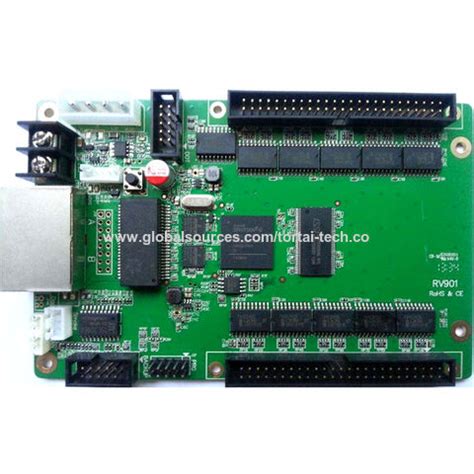
Effective PCB assembly cost management begins with optimizing component procurement, a process accounting for 40–60% of total PCBA expenses. Strategic supplier partnerships play a pivotal role—collaborating with certified vendors offering volume-based pricing tiers ensures access to competitively priced, high-quality components. For high-mix, low-volume projects, leveraging distributors with consolidated inventories reduces lead times and minimizes expedited shipping fees.
Equally important is component standardization. Prioritizing widely available, cross-compatible parts over proprietary alternatives mitigates supply chain risks while lowering per-unit costs. Engineers should reference PCBA-specific databases like IPC-7351 to identify components with optimal availability-to-cost ratios.
Another critical consideration involves demand forecasting. Aligning purchase orders with production schedules through just-in-time (JIT) inventory systems prevents overstocking of obsolete materials. However, for stable, high-volume PCB assembly lines, bulk purchasing agreements with suppliers often yield 15–30% cost reductions.
Counterfeit mitigation strategies also impact costs—implementing component traceability protocols and sourcing from authorized distributors avoids costly rework from faulty parts. Advanced buyers employ AI-driven market analysis tools to anticipate price fluctuations for critical ICs, enabling strategic stockpiling during market dips.
Lastly, design-for-procurement practices—such as avoiding sole-source components—ensure long-term cost stability. By integrating procurement teams early in the PCBA design phase, manufacturers balance technical requirements with sourcing feasibility, achieving both performance goals and budget targets.
Hidden Expenses in PCB Assembly Process Analysis
While material and labor costs dominate PCB assembly budgets, often overlooked ancillary expenses can significantly impact total project expenditures. PCBA providers typically emphasize base pricing, but secondary costs like specialized testing protocols (e.g., AOI or X-ray inspection) and rework charges for design-related defects frequently inflate quotes. For instance, inadequate solder mask clearance or improper pad spacing may necessitate post-assembly corrections, adding 12-18% to baseline PCB assembly costs.
Another hidden factor involves NPI (New Product Introduction) tooling charges, where low-volume prototypes require custom fixtures not amortized across production runs. Supply chain dynamics further introduce volatility—emergency component substitutions due to shortages often incur 25-40% cost premiums. Additionally, logistics delays from overseas PCBA partners may trigger penalties for missed deadlines, particularly in JIT manufacturing environments.
Proactive mitigation requires scrutinizing contractual terms for test coverage thresholds and change order fees. Implementing DFM (Design for Manufacturing) audits early reduces rework risks, while dual-sourcing critical components minimizes last-minute procurement markups. By quantifying these invisible cost drivers, engineers can negotiate PCB assembly contracts that align pricing transparency with operational realities.
Automation Advancements Reducing Circuit Board Costs
Modern PCB assembly workflows increasingly leverage intelligent automation to minimize production expenses without compromising reliability. Robotic pick-and-place systems now achieve placement accuracies under 15µm while operating at speeds exceeding 25,000 components per hour – a 40% efficiency gain compared to semi-automated lines from the previous decade. This precision reduces rework rates by up to 60%, directly lowering labor costs associated with manual error correction.
Machine vision technologies further optimize PCBA quality control, with AI-driven optical inspection (AOI) systems detecting solder joint defects at rates surpassing 99.5%. These systems eliminate the need for multi-stage manual inspections, shortening cycle times by 30–50% depending on batch complexity. Manufacturers implementing closed-loop feedback between AOI results and assembly robots report material waste reductions of 12–18% annually.
Strategic integration of automated testing protocols also addresses hidden costs in functional validation. In-circuit test (ICT) fixtures programmed with adaptive algorithms now complete full-board diagnostics 70% faster than static testing methods. This acceleration enables high-mix manufacturers to maintain tighter production schedules while reducing equipment idle time.
For design teams, automation compatibility requires design-for-manufacturing (DFM) optimization – a critical link between the PCB assembly process and cost efficiency. Software-driven DFM analysis tools automatically flag layout features that increase machine processing time, allowing engineers to refine designs before prototyping. This synergy between digital tools and physical automation creates compounding savings, particularly in high-volume PCBA production runs exceeding 10,000 units.
Global Supplier Negotiation Tactics for PCB Savings
Navigating global supplier relationships requires a strategic blend of market insight and negotiation agility to achieve PCB assembly cost efficiencies. Start by leveraging volume commitments – suppliers often offer tiered pricing models for higher-order quantities, particularly in PCBA production. However, balance this with flexible contract terms that allow adjustments based on demand fluctuations. Geographic diversification remains critical: evaluate partners in regions with lower labor costs or tax incentives, but prioritize those with proven quality control infrastructure to avoid rework expenses.
When negotiating, emphasize long-term partnership value rather than focusing solely on per-unit pricing. Request detailed breakdowns of material procurement and assembly labor costs to identify potential savings opportunities. For instance, consolidated component sourcing across multiple projects can strengthen bargaining power. Introduce performance-based incentives, such as bonuses for on-time delivery or defect-rate improvements, to align supplier goals with your cost objectives.
Additionally, explore multi-year agreements with inflation-adjusted pricing clauses to mitigate market volatility. Always benchmark quotes against regional PCB assembly averages using third-party cost analysis tools. Finally, maintain transparency about future project pipelines – suppliers may offer steeper discounts for anticipated repeat business. By combining these tactics, manufacturers can secure PCBA cost reductions of 12–18% without compromising technical specifications or lead times.
Conclusion
Navigating PCB assembly costs demands a strategic balance between technical requirements and budgetary constraints. While material selection and production volume remain foundational cost drivers, emerging factors like design-for-manufacturability principles and automation-driven efficiency are reshaping pricing dynamics. The interplay between component sourcing strategies and quality control protocols underscores the importance of viewing PCBA expenses through a lifecycle lens rather than isolated transactional costs.
Successful cost optimization hinges on proactive collaboration with suppliers, leveraging volume-based incentives without compromising on reliability standards. As global supply chains evolve, manufacturers must remain vigilant about hidden expenditures in testing, logistics, and compliance documentation. By implementing modular design architectures and embracing smart manufacturing technologies, businesses can achieve scalable cost reductions while maintaining production flexibility. Ultimately, effective PCB assembly budgeting requires continuous evaluation of technological advancements against operational priorities, ensuring financial efficiency aligns with long-term product performance goals.
Frequently Asked Questions
How does component selection affect PCB assembly pricing?
The choice between standard and specialized components directly impacts PCBA costs. High-reliability military-grade parts can increase expenses by 30-50% compared to commercial equivalents, while bulk purchasing of common SMD components often reduces per-unit pricing.
What volume thresholds trigger production discounts?
Most manufacturers offer tiered pricing at 250, 1,000, and 5,000 unit quantities. Automation efficiency improvements typically allow 15-22% cost reductions beyond 1,000 units, though prototype batches under 50 pieces incur 40-60% premium pricing.
Can design simplification reduce PCB assembly expenses?
Optimizing pad geometries and eliminating unnecessary vias decreases fabrication time by 18-25%. Consolidated component placement within standard panelization layouts improves machine throughput, potentially lowering PCBA costs by 12-20% through reduced labor hours.
How do quality certifications influence pricing structures?
ISO 9001/IATF 16949 compliance adds 8-15% to baseline costs but prevents field failures averaging $17,000 per recall event. Implementing statistical process control (SPC) typically shows ROI within 3-5 production cycles through reduced rework rates.
Maximize Your Cost Efficiency Today
For personalized strategies aligning with your specific PCB assembly requirements, please click here to access our proprietary cost-optimization toolkit and live supplier bidding platform.