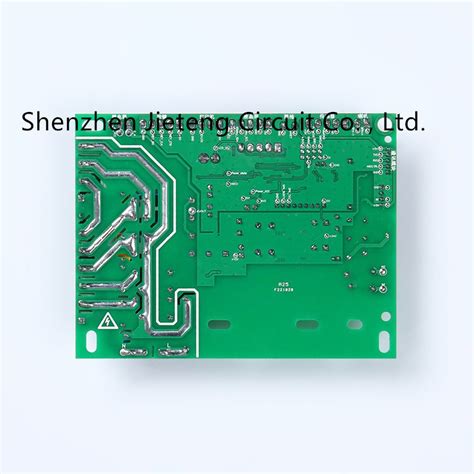
Revolutionizing Electronics: The Future of Automated PCB Manufacturing
Key Takeaways
The evolution of automated PCB manufacturing marks a pivotal shift in the electronics sector, allowing for enhanced efficiency and precision in pcb assembly processes. By leveraging advanced technologies, manufacturers are now able to automate complex tasks that were once performed manually, significantly improving the output quality and consistency of printed circuit board assemblies (pcba). This automation eliminates human error, enabling rapid scaling of production that keeps pace with the ever-increasing demand for electronic devices. Furthermore, the integration of sophisticated software and robotics ensures that each pcb assembly undergoes rigorous quality checks throughout the production cycle, resulting in fewer defects and a reduced likelihood of costly rework. Innovations such as machine learning and artificial intelligence play critical roles in optimizing manufacturing workflows and predicting maintenance needs, thereby further mitigating downtime. As these automated processes evolve, they not only drive down costs but also open up new avenues for creative circuit board design, paving the way for groundbreaking products in various industries. Ultimately, as automated PCB manufacturing practices continue to advance, they promise to revolutionize how electronic devices are produced and designed, readying the industry for a future marked by increased interconnectedness and innovation.
Introduction to Automated PCB Manufacturing: A New Era in Electronics
The landscape of electronics has undergone a significant transformation with the advent of automated PCB manufacturing. This innovative approach not only enhances the efficiency of pcb assembly processes but also significantly improves the precision of production. By integrating advanced technologies, manufacturers can achieve higher quality in their pcba outputs while streamlining operations. One of the most notable transitions involves the reduction of human error, which has historically been a challenge in traditional manufacturing setups. Automated systems ensure that each circuit board is created with impeccable accuracy, minimizing defects and ensuring reliability in each unit produced.
Moreover, as automation becomes more prevalent, businesses are discovering that they can save on production costs while boosting throughput. This reduction in expenses can provide companies with a competitive edge, allowing them to invest resources into further research and development, thereby fostering innovation in circuit board designs. The future holds vast potential for automated PCB manufacturing as it aligns with the growing demand for sophisticated electronics that require complex and reliable pcb assembly. As we move forward into this new era, it is clear that automation will play a pivotal role not just in manufacturing efficiency but also in shaping the innovations that define our electronic future.
The Role of Automation in Increasing Efficiency and Precision
The integration of automation in PCB assembly processes has become a cornerstone in enhancing efficiency and precision. As manufacturers adopt automated PCB manufacturing systems, the production of circuit boards is witnessing a transformation characterized by significant improvements in speed and accuracy. Automated systems reduce the likelihood of human error, which has traditionally posed a challenge in manual PCBA operations.
Through the use of advanced robotics and intelligent software, manufacturers can produce intricate designs with unparalleled precision. This automation allows for the completion of tasks such as drilling, component placement, and soldering with remarkable consistency, thereby facilitating higher throughput rates and accelerating time-to-market for new products.
| Aspect | Manual Process | Automated Process |
|---|---|---|
| Production Speed | Moderate | High |
| Error Rate | Higher | Lower |
| Setup Time | Longer | Shorter |
| Complexity Handling | Limited | High |
The enhancements brought about by these automated systems not only streamline operations but also optimize material usage, minimizing waste during production. Furthermore, automated quality control checks ensure that each pcb assembly adheres to stringent industry standards before reaching the next production stage.
“The key to future innovation in electronics lies within the precision that automation brings to PCB manufacturing.”
This paradigm shift suggests a profound impact on the electronics industry, positioning automated processes as pivotal in building not just better products but also enabling companies to meet evolving market demands effectively. As the landscape continues to evolve, embracing these technological advancements promises to yield significant benefits for manufacturers and consumers alike.
Cost Reduction Strategies through Automated PCB Production
The integration of automated PCB manufacturing processes represents a significant shift in the electronics industry, particularly regarding cost efficiency. Adopting automation in PCB assembly can drastically reduce labor costs, as machines handle repetitive tasks with precision and speed. This not only minimizes the potential for human error but also allows companies to allocate their workforce to more value-added activities, thus optimizing overall productivity. Enhanced automation technologies enable manufacturers to streamline their operations by implementing sophisticated pcba workflows that reduce production cycles and inventory holding costs. For example, utilizing advanced robotic systems and AI-driven analytics can lead to better resource management, ensuring that raw materials are used efficiently while minimizing waste. As a result, manufacturers can achieve economies of scale that were previously unattainable, driving down unit costs and providing a competitive edge in a market that demands both quality and affordability. Furthermore, the ability to produce high-quality pcb assemblies at a lower cost encourages innovation in product design and accelerates time-to-market for new electronic devices, ensuring that companies remain at the forefront of technological advancements while maintaining robust profit margins.
Innovations in Circuit Board Design Enabled by Automation
The advancement of automated PCB manufacturing has significantly enhanced the possibilities in circuit board design, allowing for unprecedented levels of creativity and functionality. The introduction of automation tools has streamlined the PCB assembly process, ensuring a more efficient workflow that minimizes human error and maximizes precision. This efficiency not only accelerates production timelines but also facilitates the development of complex designs that were previously challenging to realize. With pcba technology, designers can implement intricate layouts and fine pitch components with confidence, knowing that automation’s accuracy will yield high-quality results.
Moreover, the integration of advanced software and robotics in automated PCB production empowers engineers to rapidly prototype and iterate designs. This agility leads to quicker turnaround times for new products, enabling companies to respond swiftly to market demands while reducing overall costs associated with design changes. The result is a dynamic environment where innovative ideas can flourish, paving the way for ground-breaking electronic devices that enhance both functionality and user experience. As automation continues to evolve, its potential to reshape the landscape of circuit board design remains a pivotal development in the electronics industry.
Key Technologies Driving the Future of Automated PCB Manufacturing
The future of automated PCB manufacturing rests on several critical technologies that are revolutionizing the landscape of pcb assembly and contributing to enhanced pcba processes. One significant advancement is the integration of machine learning algorithms, which enable systems to optimize assembly lines by predicting failures and adjusting processes in real time. Another crucial technology is robotic automation, which not only increases speed and precision in assembling complex circuit boards but also minimizes human error, ensuring high-quality output. Furthermore, advanced imaging systems play a pivotal role in inspecting PCB layouts and detecting anomalies at unprecedented speeds, thus reducing the need for extensive manual quality checks. Additionally, the adoption of Internet of Things (IoT) technologies allows manufacturers to track production metrics continuously, facilitating smarter inventory management and reducing waste. As these technologies continue to evolve, they will fundamentally reshape how pcb assembly is approached, leading to lower costs and more innovative designs across various electronics sectors. The ongoing collaboration between hardware capabilities and intelligent software solutions promises a new era for pcba, where efficiency meets unprecedented design possibilities.
Challenges and Solutions in Implementing Automated Processes
The shift towards automated PCB manufacturing heralds a new era of efficiency and precision in the electronics industry, but it is not without its challenges. A significant hurdle is the integration of new automation technologies with existing systems, which can lead to compatibility issues and increased downtime during the transition period. Additionally, ensuring that the workforce is adequately trained to manage and maintain automated processes plays a vital role in successful implementation. Companies must invest in ongoing education for their personnel to navigate the complexities of automated systems effectively. Another challenge lies in achieving precision during pcb assembly, where any minor error can have cascading effects on product quality and reliability. To combat this, utilizing advanced inspection technologies and real-time monitoring can significantly enhance quality control measures. Implementing a phased approach to automation, starting with simpler processes before moving to more complex tasks, can mitigate risks while gradually increasing automation’s benefits in pcba production. By addressing these challenges with well-planned strategies, organizations can harness the full potential of automated PCB manufacturing, leading to reduced costs and improved product outcomes.
The Impact of Automated Manufacturing on the Global Electronics Market
Automated PCB manufacturing is reshaping the global electronics market by introducing significant advancements that enhance production processes. The integration of automation in pcb assembly not only fosters greater efficiency but also improves precision in circuit board production. As manufacturers adopt automated systems, the scalability of pcba processes increases, allowing businesses to meet rising consumer demand swiftly. Furthermore, automation minimizes human error—an essential factor in achieving high-quality standards capable of satisfying diverse applications across various industries. This transition leads to cost reduction, making it feasible for companies to invest more heavily in innovation and design enhancements. The overall effect is a dynamic market landscape where companies that embrace automated manufacturing are able to gain competitive advantages. The result is an ecosystem that supports rapid development cycles and facilitates entry into new markets. Ultimately, the shift towards automated processes not only optimizes existing capabilities but also generates new opportunities for growth within the electronics sector.
Future Trends: What to Expect from Automated PCB Manufacturing
As the demand for efficient and cost-effective solutions in electronics continues to grow, the future of automated PCB manufacturing looks promising. One significant trend is the increasing integration of artificial intelligence (AI) and machine learning into pcb assembly processes. These technologies enable real-time monitoring and adjustments, ensuring higher precision and significantly reducing the likelihood of errors in production. Moreover, advancements in robotics are set to streamline operations even further, resulting in faster turnaround times for pcba.
Additionally, the adoption of flexible manufacturing systems will allow factories to accommodate a wider range of designs without extensive downtime during setup changes. This flexibility is crucial for meeting the evolving needs of consumers and industries alike. Furthermore, there is a noticeable shift towards eco-friendly manufacturing processes, where companies prioritize sustainability through reducing waste and using recycled materials in their circuit board production. Overall, the future landscape of automated PCB manufacturing is geared towards more sophisticated technologies, which will not only enhance production efficiency but also empower manufacturers to focus on innovation while ensuring a lower environmental footprint.
Conclusion
As we delve into the realm of automated PCB manufacturing, it becomes evident that this technological advancement is at the forefront of shaping the electronics industry. The transition towards automated processes in pcb assembly not only enhances efficiency but also significantly reduces costs, driving the demand for more intricate and innovative designs. The precision offered through automation ensures that every pcba produced meets stringent quality standards, ultimately benefiting manufacturers and consumers alike. With key technologies evolving rapidly and addressing the challenges faced in implementation, the industry’s future looks promising. Manufacturers can anticipate a landscape where automation is integral to achieving sustained growth and competitiveness. As companies embrace these advancements, they will pave the way for unprecedented opportunities in both design and scalability, marking a transformative chapter in electronics manufacturing that capitalizes on innovation and strategic efficiency.
FAQs
What is automated PCB manufacturing?
Automated PCB manufacturing refers to the use of advanced machinery and technology to streamline the production of printed circuit boards (PCBs). This process enhances efficiency and accuracy, dramatically improving the overall quality of pcb assembly.
How does automation improve PCB assembly efficiency?
Automation minimizes human error and speeds up production processes. With precise pcba machines, manufacturers can produce circuit boards more quickly while maintaining high standards, leading to significant improvements in turnaround times.
What are the benefits of automated PCB production?
The key benefits include reduced costs by lowering labor expenses, increased throughput, and enhanced precision in pcb assembly. Automation also allows for complex designs that would be challenging to achieve manually.
What technologies are involved in automated PCB manufacturing?
Key technologies include pick-and-place machines, laser etching systems, and automatic optical inspection (AOI) tools. These innovations play a crucial role in ensuring quality control during the pcba process.
Are there any challenges associated with automated PCB manufacturing?
Yes, challenges such as high initial setup costs and the need for specialized skills to operate machines can arise. However, these challenges can often be mitigated through proper training and investment in technology.
For more information and to explore options for your pcb assembly, please click here: AndwinPCB – PCB Assembly.