Revolutionizing PCB Fabrication Techniques for Modern Electronics
Key Takeaways
As you delve into the world of PCB manufacturing, it’s crucial to understand how these evolving techniques can significantly impact your projects. The landscape of electronics is rapidly changing, and staying informed about the latest innovations can give you a competitive edge. Companies specializing in pcb manufacturing are continually refining their processes, investing in advanced materials that not only enhance efficiency but also prioritize sustainability. When considering your options for pcb manufacturing companies, it’s important to evaluate how they implement these modern techniques to reduce the overall pcb manufacturing cost while maintaining high standards of quality and performance. Furthermore, as the industry shifts towards more automated systems, understanding these tools can benefit your own pcb manufacturing business in terms of scalability and precision. You’ll find that embracing these advancements not only streamlines production but also positions you at the forefront of technological innovation in electronics. For deeper insights into today’s market trends and best practices, look towards industry leaders such as Andwin PCB.
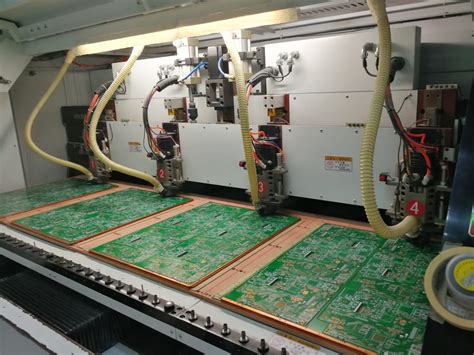
Introduction to PCB Fabrication: Importance in Modern Electronics
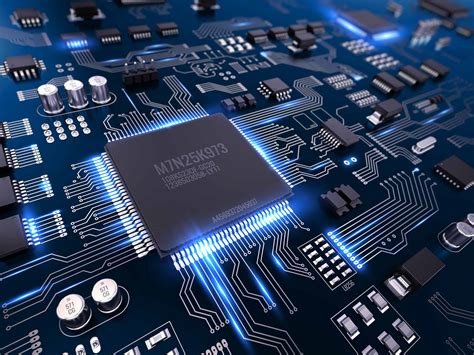
In today’s fast-paced technological landscape, the significance of PCB fabrication cannot be overstated. As you delve into the world of pcb manufacturing, you will discover that printed circuit boards (PCBs) serve as the foundational element for virtually all electronic devices. From smartphones to advanced medical equipment, every piece of technology relies on these intricate boards to function efficiently. Understanding the role of pcb manufacturing companies reveals not only their technical expertise but also their commitment to pushing boundaries in electronics. When you consider your own projects or products, knowing how pcb manufacturing costs can affect overall budgeting is crucial. By opting for innovative methods that enhance precision and efficiency, businesses can optimize their production lines and ultimately increase profitability. Engaging with a reliable pcb manufacturing business ensures that your electronics are built on a solid foundation, fostering innovation and paving the way for future advancements in technology.
"Strive to partner with manufacturers that prioritize precision and sustainability—this will be key in ensuring your products stand out in a competitive market."
Innovations in Materials: Enhancing Efficiency and Sustainability
In the realm of PCB manufacturing, the selection of materials plays a vital role in achieving greater efficiency and sustainability. Recent advancements have introduced innovative materials that not only improve the performance of printed circuit boards but also align with eco-friendly practices. For instance, companies are increasingly utilizing biodegradable substrates and lead-free solder to minimize environmental impact without compromising on quality. You may find that some leading PCB manufacturing companies are incorporating these materials into their processes, resulting in lower PCB manufacturing costs while enhancing durability and reliability. By adopting such innovative materials, you can contribute to a more sustainable PCB manufacturing business, ensuring that your products meet both performance expectations and environmental standards. This commitment to sustainability resonates with consumers who are more conscious about the ecological footprint of their electronics, driving a positive change in market dynamics.
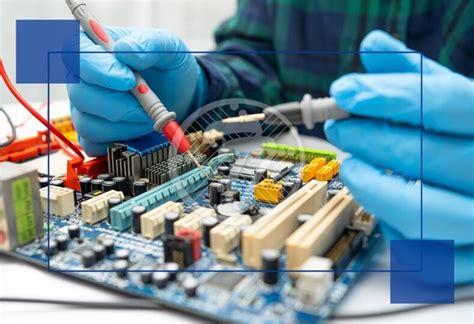
Advanced Techniques: Precision Engineering in PCB Manufacturing
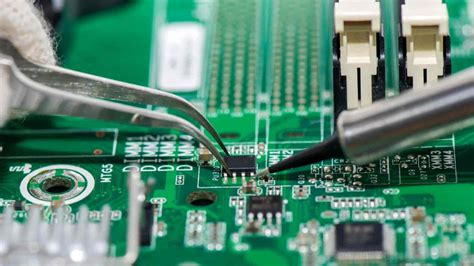
In today’s rapidly evolving electronics sector, pcb manufacturing has witnessed revolutionary changes, predominantly driven by precision engineering. This approach focuses on enhancing the accuracy and reliability of circuit boards, which are crucial components in modern devices. By integrating advanced techniques such as laser cutting and automated inspection systems, manufacturers can achieve a level of detail that was previously unattainable. This transition not only improves the quality of products but also significantly reduces waste, driving down the pcb manufacturing cost.
To illustrate the impact of these techniques, consider a comparison table below that highlights traditional methods versus modern precision engineering approaches:
| Aspect | Traditional Methods | Precision Engineering |
|---|---|---|
| Accuracy | Moderate | High |
| Waste Generation | High | Low |
| Inspection Process | Manual | Automated |
| Time Efficiency | Slow | Rapid |
| Cost-Effectiveness | Moderate | Improved |
As you delve into the specifics of pcb manufacturing, you’ll discover how leading pcb manufacturing companies have adopted these innovations to remain competitive. The strategic implementation of precision engineering not only streamlines production but also enhances durability and performance, essential for your products’ success in today’s market.
With the increasing demand for high-performance electronics, investing in a pcb manufacturing business that leverages these advanced techniques will position you favorably against competitors. The emphasis on innovation and efficiency is reshaping how you approach design and production, which is crucial for meeting evolving consumer expectations in a sustainable manner.
Automation and Robotics: Streamlining the PCB Production Process
In the realm of PCB manufacturing, the integration of automation and robotics has become a game changer, significantly enhancing the overall efficiency and output quality of production processes. By employing state-of-the-art robotic systems, pcb manufacturing companies can achieve higher levels of precision and consistency that manual processes can’t match. Automation not only reduces human error but also accelerates production timelines, resulting in decreased pcb manufacturing costs. This improvement is particularly important in a competitive market where timeliness can dictate market success. With automated systems in place, you can streamline repetitive tasks, allowing skilled workers to focus on more complex and creative aspects of the pcb manufacturing business. The incorporation of robotics also opens up avenues for advanced inspection techniques that ensure product quality is maintained rigorously throughout the production process. Thus, as innovations in automation continue to evolve, you will find that your ability to meet increasing demands for high-quality electronic components becomes not just feasible but far more efficient as well.
Environmental Impact: Sustainable Practices in PCB Fabrication
In the realm of PCB fabrication, it’s essential to address the environmental impact of traditional practices and explore sustainable alternatives. As the demand for electronics surges, your choice of PCB manufacturing companies can significantly influence not only product quality but also ecological footprints. Many firms are adopting green practices, such as using biodegradable materials and innovative recycling methods to lower their carbon emissions. Additionally, advanced technologies are improving the efficiency of the PCB manufacturing business, leading to reduced waste and energy consumption. When evaluating PCB manufacturing costs, consider how eco-friendly practices can ultimately result in savings through efficiency gains and regulatory benefits. By prioritizing sustainability in your supply chain, you not only enhance your product’s market appeal but also contribute positively to the environment, ensuring a future where electronics can thrive without compromising the planet’s health.
The Role of AI and Machine Learning in PCB Design and Production
In today’s fast-evolving landscape of electronics, the integration of AI and machine learning into pcb manufacturing practices has become revolutionary. These technologies not only enhance the design process but also optimize various stages of production, resulting in significant improvements in efficiency and precision. By analyzing vast datasets, AI algorithms can predict potential faults during the pcb manufacturing process, allowing companies to address issues proactively. This capability reduces the overall pcb manufacturing cost, as it minimizes waste and unnecessary rework. Furthermore, machine learning can help pcb manufacturing companies adapt their production techniques based on real-time feedback, fostering a more agile response to market demands. As you explore these modern methodologies, you’ll notice that they also contribute to a more sustainable approach—by optimizing resource usage, these innovations play a vital role in reducing environmental impact within the pcb manufacturing business. Embracing these technological advancements not only strengthens your competitive edge but also sets a solid foundation for future developments in the electronic industry.
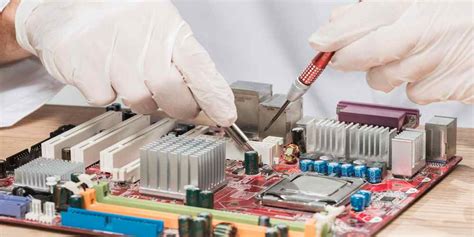
Future Trends: What Lies Ahead for PCB Fabrication Technologies
As you consider the future of PCB fabrication technologies, it’s essential to recognize the evolving landscape of the PCB manufacturing sector. Innovations are emerging that cater to not only efficiency but also precision and sustainability. You might find that PCB manufacturing companies are increasingly exploring advanced materials and techniques, which promise a reduction in the overall PCB manufacturing cost, while enhancing product reliability. The integration of automation and robotics into PCB manufacturing business practices stands at the forefront of this evolution, promising streamlined operations and reduced human error. Furthermore, as you reflect on these trends, the role of digital processes such as Artificial Intelligence and Machine Learning in optimizing design and production cannot be overlooked. These advancements will not only transform how PCBs are designed but will also drive innovation in electronics by integrating smarter features and functionalities. Keep an eye on these developments; they could redefine your expectations for future technologies in modern electronics.
Case Studies: Successful Implementation of Modern PCB Techniques
In the realm of pcb manufacturing, various companies have begun to embrace modern techniques that not only streamline production but also lower the pcb manufacturing cost. For instance, Company A implemented advanced automation and robotics in their production lines, resulting in improved precision and a significant reduction in lead times. This transition allowed them to compete more effectively within the marketplace and scaled their operations to meet increasing demand without compromising quality. Similarly, Company B focused on sustainable practices by sourcing eco-friendly materials and reducing waste during the pcb manufacturing process. These initiatives not only appealed to a growing consumer base that values sustainability but also resulted in cost savings that enhanced profitability for their pcb manufacturing business. Such case studies exemplify how embracing innovative strategies can transform operations, maximize efficiency, and adapt to changing industry demands while providing a roadmap for other pcb manufacturing companies looking to innovate in this competitive landscape.
Conclusion
As you reflect on the advancements in PCB fabrication, it’s essential to understand how these innovations are fundamentally reshaping your approach to pcb manufacturing. The relentless pursuit of efficiency and sustainability among pcb manufacturing companies is evident in the use of innovative materials and techniques that not only reduce production costs but also enhance the quality of the end products. With a growing emphasis on environmental responsibility, these companies are adopting practices that minimize waste and energy consumption, transforming your understanding of what is achievable in the pcb manufacturing business. Furthermore, by investing in automation and integrating advanced technologies like AI, you’re witnessing a dramatic shift toward precision engineering that streamlines not just production processes but also significantly lowers pcb manufacturing costs. The combination of all these factors creates an ecosystem ripe for exploration and adaptation, ultimately empowering you to innovate further within the evolving landscape of electronics. The future of pcb fabrication techniques looks bright, brimming with possibilities that promise to redefine your approach to modern electronics.
FAQs
Q: What is pcb manufacturing, and why is it important?
A: PCB manufacturing refers to the process of creating printed circuit boards, which are crucial for nearly all modern electronics. They provide a foundation for connecting various electronic components, enabling the functionality of devices ranging from smartphones to computers.
Q: How do pcb manufacturing companies ensure quality?
A: PCB manufacturing companies implement rigorous testing and quality control protocols throughout the production process. This often includes automated inspections, functional testing, and compliance with industry standards to guarantee that each board meets specific performance criteria.
Q: What factors influence pcb manufacturing cost?
A: Several elements affect the pcb manufacturing cost, including material selection, board complexity, volume of production, and the specific technologies utilized during fabrication. Understanding these factors can help you budget appropriately for your projects.
Q: Can I start a successful pcb manufacturing business?
A: Yes, starting a successful pcb manufacturing business is feasible with the right market understanding. Key aspects include identifying a niche, investing in modern fabrication technologies, and maintaining strong relationships with suppliers and clients to meet their evolving needs.
Ready to Learn More?
For detailed insights into efficient pcb manufacturing, innovations in design, and best practices that can elevate your business capabilities, please click here.