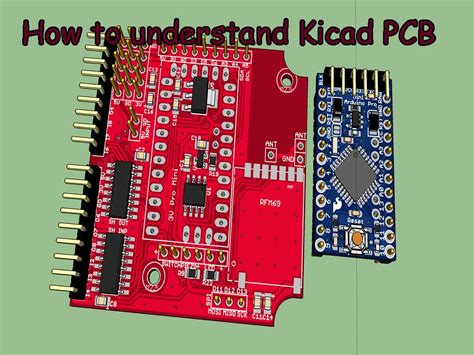
Rogers 4003c pcb material
Benefits Of Using Rogers 4003C PCB Material In High-Frequency Applications
Rogers 4003C PCB material has garnered significant attention in the realm of high-frequency applications, owing to its exceptional properties and performance characteristics. This material, a hydrocarbon ceramic laminate, is specifically engineered to meet the stringent demands of high-frequency circuits, making it a preferred choice among engineers and designers.
One of the primary benefits of using Rogers 4003C PCB material is its low dielectric constant, which is crucial for maintaining signal integrity in high-frequency applications.
The dielectric constant of Rogers 4003C is stable over a wide range of frequencies, ensuring consistent performance and minimal signal loss. This stability is particularly important in applications such as RF and microwave circuits, where even minor variations in the dielectric constant can lead to significant performance degradation.
In addition to its low dielectric constant, Rogers 4003C PCB material exhibits a low dissipation factor, which translates to reduced signal attenuation and improved efficiency. .
The low dissipation factor is essential for high-frequency applications, as it minimizes energy loss and ensures that the signal strength remains robust over long distances. This characteristic makes Rogers 4003C an ideal choice for applications such as antennas, power amplifiers, and other RF components that require high efficiency and minimal signal loss.
Another notable advantage of Rogers 4003C PCB material is its excellent thermal management properties.
High-frequency circuits often generate substantial amounts of heat, which can adversely affect performance and reliability. Rogers 4003C material has a high thermal conductivity, allowing it to effectively dissipate heat and maintain optimal operating temperatures. This thermal management capability not only enhances the performance of high-frequency circuits but also extends their lifespan by preventing thermal-related failures.
Furthermore, Rogers 4003C PCB material offers superior dimensional stability, which is critical for maintaining the integrity of high-frequency circuits.
Dimensional stability refers to the material’s ability to retain its shape and size under varying environmental conditions, such as changes in temperature and humidity. Rogers 4003C material exhibits minimal dimensional changes, ensuring that the circuit layout remains precise and accurate. This stability is particularly important in applications where tight tolerances are required, such as in phased array antennas and other complex RF systems.
The ease of fabrication is another significant benefit of Rogers 4003C PCB material.
This material is compatible with standard PCB manufacturing processes, allowing for seamless integration into existing production lines. The compatibility with conventional fabrication techniques not only reduces manufacturing costs but also ensures that high-frequency circuits can be produced with high precision and consistency. Additionally, Rogers 4003C material is available in various thicknesses and copper cladding options, providing designers with the flexibility to tailor the material to their specific application requirements.
Moreover, Rogers 4003C PCB material is known for its excellent mechanical properties, including high tensile strength and resistance to mechanical stress.
These properties ensure that the material can withstand the rigors of assembly and operation without compromising performance. The robustness of Rogers 4003C material makes it suitable for use in demanding environments, such as aerospace and defense applications, where reliability and durability are paramount.
In conclusion, the benefits of using Rogers 4003C PCB material in high-frequency applications are manifold. Its low dielectric constant, low dissipation factor, excellent thermal management, superior dimensional stability, ease of fabrication, and robust mechanical properties make it an ideal choice for a wide range of high-frequency circuits. By leveraging these advantages, engineers and designers can achieve optimal performance, efficiency, and reliability in their high-frequency applications.
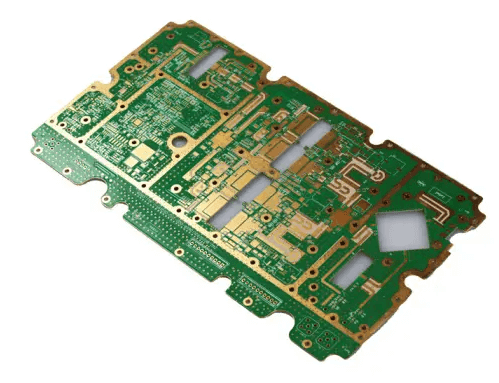
Comparing Rogers 4003C PCB Material To Other Dielectric Materials
Rogers 4003C PCB material is a high-frequency laminate that has garnered significant attention in the electronics industry due to its exceptional performance characteristics. When comparing Rogers 4003C to other dielectric materials, several key factors come into play, including dielectric constant, thermal stability, and mechanical properties. Understanding these differences is crucial for engineers and designers who aim to optimize the performance of their electronic devices.
To begin with, the dielectric constant (Dk) of a material is a critical parameter that influences signal integrity and impedance control in high-frequency applications.
Rogers 4003C boasts a stable dielectric constant of 3.38, which is relatively low compared to other materials such as FR-4, which typically has a Dk ranging from 4.2 to 4.5. This lower dielectric constant in Rogers 4003C results in reduced signal loss and better performance at higher frequencies, making it an ideal choice for applications such as RF and microwave circuits.
In addition to its favorable dielectric properties, Rogers 4003C exhibits excellent thermal stability.
The material has a low coefficient of thermal expansion (CTE), which ensures minimal dimensional changes with temperature fluctuations. This characteristic is particularly important in high-frequency applications where thermal management is critical. In contrast, materials like FR-4 have higher CTE values, which can lead to issues such as signal distortion and mechanical stress under thermal cycling conditions. Consequently, Rogers 4003C provides a more reliable performance in environments with varying temperatures.
Moreover, the mechanical properties of Rogers 4003C further distinguish it from other dielectric materials.
The laminate is known for its robust mechanical strength and durability, which are essential for maintaining the structural integrity of printed circuit boards (PCBs). For instance, Rogers 4003C has a higher peel strength compared to other materials, ensuring that the copper cladding remains securely bonded to the substrate. This attribute is particularly beneficial in applications that require repeated flexing or mechanical stress, as it enhances the longevity and reliability of the PCB.
Furthermore, the ease of fabrication is another aspect where Rogers 4003C excels.
The material can be processed using standard PCB manufacturing techniques, which simplifies the production process and reduces costs. In contrast, some high-performance dielectric materials may require specialized fabrication methods, leading to increased complexity and expense. The compatibility of Rogers 4003C with conventional manufacturing processes makes it an attractive option for a wide range of applications, from consumer electronics to aerospace and defense.
While Rogers 4003C offers numerous advantages, it is essential to consider the specific requirements of each application when selecting a dielectric material.
For example, materials like PTFE (polytetrafluoroethylene) may offer even lower dielectric constants and superior high-frequency performance, but they come with trade-offs such as higher cost and more challenging fabrication processes. Therefore, a thorough evaluation of the application’s needs, including frequency range, thermal conditions, and mechanical demands, is necessary to make an informed decision.
In conclusion, Rogers 4003C PCB material stands out due to its stable dielectric constant, excellent thermal stability, robust mechanical properties, and ease of fabrication. These attributes make it a preferred choice for high-frequency applications where performance and reliability are paramount. However, it is crucial to weigh these benefits against the specific requirements of each application to ensure the optimal selection of dielectric material. By doing so, engineers and designers can achieve the desired performance and longevity for their electronic devices.
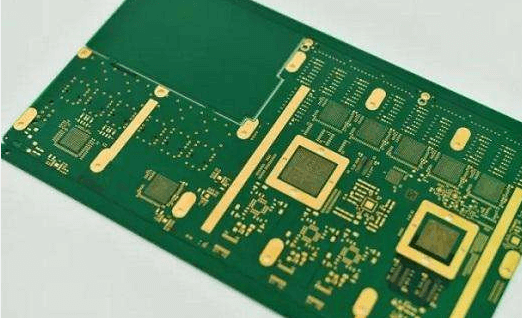
Design Considerations For Rogers 4003C PCB Material
When designing printed circuit boards (PCBs), the choice of material is a critical factor that significantly influences the performance, reliability, and overall functionality of the final product. One such material that has garnered considerable attention in the electronics industry is Rogers 4003C. This high-frequency laminate is renowned for its exceptional electrical properties, making it a preferred choice for a wide range of applications, particularly in the realm of RF and microwave circuits. Understanding the design considerations for Rogers 4003C PCB material is essential for engineers and designers aiming to optimize their circuit performance.
To begin with, Rogers 4003C is characterized by its low dielectric constant (Dk) of approximately 3.38, which remains stable over a broad frequency range.
This stability is crucial for maintaining signal integrity, especially in high-frequency applications where variations in the dielectric constant can lead to signal distortion and loss. Consequently, when designing with Rogers 4003C, it is imperative to account for the material’s consistent Dk to ensure accurate impedance matching and minimal signal reflection.
Another important consideration is the material’s low dissipation factor (Df), typically around 0.0027 at 10 GHz.
The low Df indicates minimal energy loss as the signal propagates through the PCB, which is particularly beneficial for high-frequency and high-speed digital applications. This property helps in reducing signal attenuation and maintaining signal strength over longer distances, thereby enhancing the overall performance of the circuit. Designers must, therefore, leverage this attribute by optimizing trace widths and spacing to minimize losses and ensure efficient signal transmission.
Thermal management is another critical aspect when working with Rogers 4003C.
The material exhibits a relatively low coefficient of thermal expansion (CTE), which ensures dimensional stability under varying thermal conditions. This stability is vital for maintaining the integrity of the PCB, especially in applications subjected to frequent thermal cycling. Designers should consider the thermal properties of Rogers 4003C to ensure that the PCB can withstand the operational environment without experiencing mechanical stress or failure. Proper thermal management techniques, such as the use of thermal vias and heat sinks, should be employed to dissipate heat effectively and maintain optimal operating temperatures.
Furthermore, the mechanical properties of Rogers 4003C, such as its excellent peel strength and dimensional stability, contribute to the durability and reliability of the PCB.
These properties make the material suitable for multilayer PCB designs, where maintaining layer alignment and adhesion is crucial. Designers should take advantage of these mechanical attributes to create robust and reliable multilayer PCBs that can endure the rigors of their intended applications.
In addition to the aforementioned considerations, it is also essential to factor in the manufacturability of Rogers 4003C.
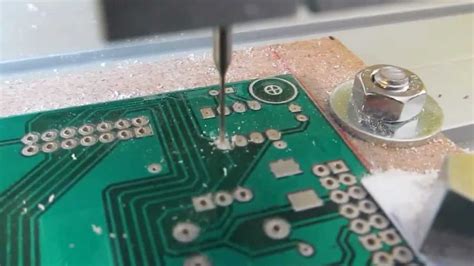
The material is compatible with standard PCB fabrication processes, which simplifies the manufacturing workflow and reduces production costs. However, designers should collaborate closely with PCB manufacturers to ensure that the specific requirements of Rogers 4003C are met during the fabrication process. This collaboration can help in addressing potential challenges, such as achieving precise etching and drilling, to ensure the final product meets the desired specifications.
In conclusion, designing with Rogers 4003C PCB material requires a comprehensive understanding of its electrical, thermal, and mechanical properties. By considering these factors and implementing appropriate design strategies, engineers can harness the full potential of Rogers 4003C to create high-performance, reliable, and efficient PCBs for a wide range of applications. The material’s unique attributes make it an invaluable choice for advanced electronic designs, particularly in high-frequency and high-speed domains.
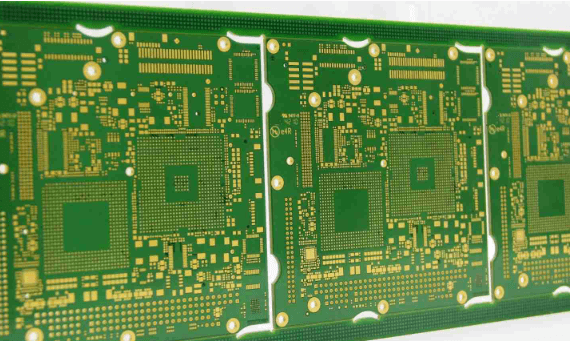
Thermal Management Techniques For Rogers 4003C PCB Material
Rogers 4003C PCB material is renowned for its excellent electrical properties and mechanical stability, making it a preferred choice for high-frequency applications. However, effective thermal management is crucial to ensure the reliability and longevity of PCBs made from this material. As electronic devices become more compact and powerful, managing heat dissipation becomes increasingly challenging. Therefore, understanding and implementing appropriate thermal management techniques is essential for optimizing the performance of Rogers 4003C PCBs.
One of the primary considerations in thermal management is the selection of suitable materials that can efficiently conduct heat away from critical components.
Rogers 4003C itself has a relatively low thermal conductivity compared to metals, which necessitates the use of additional materials or structures to enhance heat dissipation. For instance, incorporating metal heat sinks or thermal vias can significantly improve the thermal performance of the PCB. Heat sinks, typically made from aluminum or copper, are attached to heat-generating components to absorb and dissipate heat into the surrounding environment. Thermal vias, on the other hand, are plated through-holes that provide a direct thermal path from the top to the bottom layers of the PCB, facilitating heat transfer away from hot spots.
In addition to material selection, the design of the PCB layout plays a critical role in thermal management.
Strategically placing components to minimize thermal resistance and maximize airflow can greatly enhance heat dissipation. For example, high-power components should be positioned away from heat-sensitive areas and should have ample spacing to allow for adequate airflow. Moreover, the use of thermal relief pads can help distribute heat more evenly across the PCB, reducing the risk of localized overheating. These pads are typically placed around vias and component leads to provide a larger surface area for heat dissipation.
Another effective technique for managing thermal performance is the implementation of thermal interface materials (TIMs).
TIMs, such as thermal grease, pads, or adhesives, are used to fill the microscopic air gaps between the heat-generating components and the heat sinks or other cooling structures. By improving the thermal contact between surfaces, TIMs can significantly reduce thermal resistance and enhance heat transfer. It is important to select TIMs with high thermal conductivity and low thermal resistance to achieve optimal results.
Furthermore, active cooling methods, such as forced air cooling or liquid cooling, can be employed to manage the thermal performance of Rogers 4003C PCBs.
Forced air cooling involves the use of fans or blowers to increase airflow over the PCB, thereby enhancing convective heat transfer. This method is particularly effective for applications with moderate heat dissipation requirements. For more demanding applications, liquid cooling systems can be utilized. These systems circulate a coolant, typically water or a dielectric fluid, through channels or heat exchangers integrated into the PCB. Liquid cooling offers superior thermal performance compared to air cooling, making it suitable for high-power applications where efficient heat dissipation is critical.
In conclusion, effective thermal management is essential for optimizing the performance and reliability of Rogers 4003C PCBs. By carefully selecting materials, designing an efficient PCB layout, utilizing thermal interface materials, and implementing active cooling methods, engineers can ensure that heat is effectively dissipated from critical components. As electronic devices continue to evolve, the importance of advanced thermal management techniques will only increase, making it imperative for designers to stay abreast of the latest developments in this field.