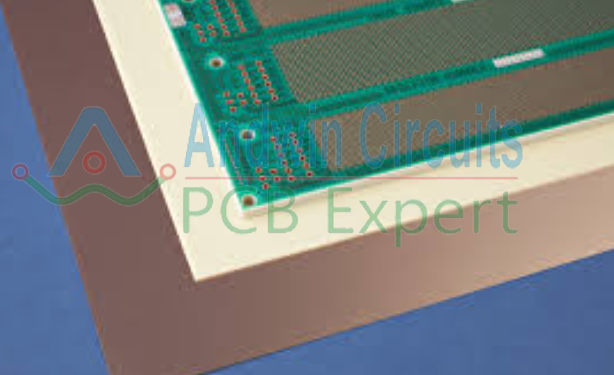
Rogers 5880 datasheet

– Dielectric constant (Dk): 2.20 +/- 0.02
– Dissipation factor (Df): 0.0009 @ 10 GHz
– Thickness: 0.020″ (0.508 mm)
– Copper foil thickness: 1 oz/ft2 (0.035 mm)
– Operating temperature range: -55°C to +125°C
– RoHS compliant
For more detailed information, you can refer to the Rogers 5880 datasheet available on the Rogers Corporation website or contact a Rogers representative for assistance.

GET IN TOUCH!

What the Rogers 5880 Data Sheet Says

The Rogers 5880 datasheet provides technical information about the material properties of the Rogers 5880 laminate. Here are some key points from the datasheet:

– The Rogers 5880 laminate is a high-frequency material designed for use in microwave applications.
– The dielectric constant (Dk) of the material is 2.20 +/- 0.02, which is relatively low compared to other materials used in microwave applications. This low Dk helps to reduce signal loss and improve signal integrity.
– The dissipation factor (Df) of the material is 0.0009 at 10 GHz, which is also relatively low. This low Df helps to minimize signal loss and distortion.
– The Rogers 5880 laminate has a thickness of 0.020″ (0.508 mm) and a copper foil thickness of 1 oz/ft2 (0.035 mm).
– The material is designed to operate over a wide temperature range, from -55°C to +125°C.
– The datasheet includes information on the mechanical properties of the material, such as its tensile strength, flexural strength, and impact strength.
– The datasheet also provides information on the electrical properties of the material, such as its dielectric breakdown voltage and surface resistivity.
– The Rogers 5880 laminate is RoHS compliant, meaning that it does not contain certain hazardous substances that are restricted by the European Union’s Restriction of Hazardous Substances (RoHS) directive.
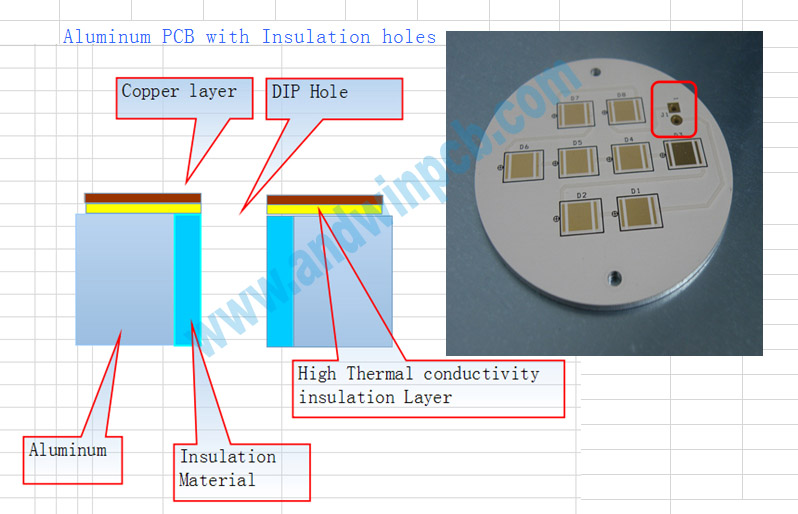
Aluminum pcb with Insulation hole

Overall, the Rogers 5880 datasheet provides a comprehensive overview of the material properties of the Rogers 5880 laminate,

which can be useful for engineers and designers working on high-frequency applications.
GET IN TOUCH!

Similar Posts

  • PCB Assembly in USA

    Printed Circuit Board (PCB) assembly is a critical process in electronics manufacturing. It involves the assembly of electronic components onto a PCB to create a functional electronic device. PCB assembly is a complex process that requires precision, accuracy, and expertise. In recent years, the demand for PCB assembly services has increased significantly in the USA. This article provides a…

  • |

    Flex pcb kapton

    1. Single-sided Kapton flex PCB: This type of flex PCB has a single layer of copper and Kapton material. 2. Double-sided Kapton flex PCB: This type of flex PCB has two layers of copper and Kapton material, with vias connecting the two layers. 3. Multi-layer Kapton flex PCB: This type of flex PCB has multiple…

  • |

    Flex pcb vibration

    Flex PCBs are designed to be flexible and bendable, which makes them more susceptible to vibration compared to rigid PCBs.Vibration can cause the flex PCB to bend and twist, potentially leading to damage or failure of the circuitry. To mitigate the effects of vibration, designers can use materials with high tensile strength and incorporate additional…

  • smt assembly service

    As the demand for electronic devices continues to grow, so does the need for efficient andreliable assembly services. One such service is surface mount technology (SMT) assembly,which has become the preferred method for assembling electronic components onto printedcircuit boards (PCBs). SMT assembly involves placing tiny components, such as resistors, capacitors, andintegrated circuits, onto the surface…

  • |

    What is flex pcb cable?

    Flex PCB (Flexible Printed Circuit Board) cables are used in a variety of electronic devices to connect different components and allow for flexibility in design. The main role of flex PCB cables is to provide a reliable and flexible connection between two or more components that may be located in different parts of the device….