Streamlining Success with Turnkey PCB Electronics Solutions
Key Takeaways
In the rapidly evolving landscape of electronics, turnkey PCB electronics solutions have emerged as a transformative force. These solutions integrate various stages of the PCB assembly process, ensuring that companies can efficiently navigate from design to manufacturing without the typical hurdles associated with traditional methods. By employing a turnkey approach, businesses not only save time but also reduce costs, as the complexities involved in designing and producing PCBA are handled by specialists with extensive expertise.
The significance of this approach can be seen across numerous industry applications. From automotive to consumer electronics, companies can leverage turnkey PCB electronics solutions to accelerate their product development cycles while maintaining high-quality standards. Moreover, integrating advanced technologies and automation in the PCB production process drives innovation, allowing organizations to stay competitive in a market that demands agility and responsiveness.
Ultimately, adopting a turnkey PCB assembly strategy is not just about streamlining operations; it also empowers teams to focus on core competencies and innovative endeavors. As industry standards continue to rise, those who embrace these solutions will be positioned for success in their future projects. The ability to enhance efficiency and output quality while minimizing risk is crucial for businesses aiming for sustainable growth in this dynamic sector.

Introduction to Turnkey PCB Electronics Solutions
In the rapidly evolving landscape of electronics manufacturing, turnkey PCB electronics solutions have emerged as a pivotal approach to streamline the production process. These solutions encompass a full-service model, where a single provider manages all aspects of PCB assembly and related services, thereby optimizing the entire workflow from design to delivery. By adopting these comprehensive services, companies can significantly enhance efficiency, reduce time-to-market, and foster innovation within their projects.
The essence of turnkey solutions lies in their ability to integrate various stages of production seamlessly. This includes PCB design, sourcing components, assembly (PCBA), testing, and logistics—all accomplished under one umbrella. With fewer coordination hurdles between multiple vendors, businesses can enjoy improved communication and quicker iterations during development.
| Key Components | Benefits |
|---|---|
| Design and Engineering | Reduced lead times |
| Material Procurement | Lower costs due to bulk purchasing |
| Assembly and Testing | Enhanced product quality |
| Logistics Coordination | Streamlined supply chain management |
Additionally, companies leveraging these integrated solutions can focus on their core competencies while leaving the complexities of production management to experts in turnkey PCB electronics. As technology continues to advance, this model not only supports current demands but also prepares businesses for future challenges in an ever-competitive market.
“Embracing turnkey solutions allows companies to innovate faster while maintaining high standards of quality.”
Benefits of Turnkey PCB Solutions in Electronics Manufacturing
The adoption of turnkey PCB solutions in electronics manufacturing offers a myriad of advantages that significantly enhance overall productivity and project effectiveness. By utilizing a single-source approach, businesses can effectively manage the complexities involved in PCB assembly and production, which streamlines the entire process from design to delivery. This integrated methodology reduces lead times, minimizes errors, and fosters collaboration among stakeholders. Furthermore, the continuous flow of communication between design engineers and manufacturers allows for more innovative designs and quicker pivots to adapt to market demands. Enhanced efficiency is another hallmark benefit; with PCBA services that include testing and quality assurance bundled into one package, companies can focus their resources on core competencies while ensuring that their final products meet high standards. This helps in driving down costs while also improving product reliability. Additionally, turnkey solutions provide scalability for businesses; whether it’s for small batches or large production runs, these systems can adjust without compromising quality or speed. By embracing such comprehensive solutions, manufacturers not only gain a competitive edge but also significantly contribute to the sustainable growth of the electronics industry.
Key Components of a Turnkey PCB Production Process
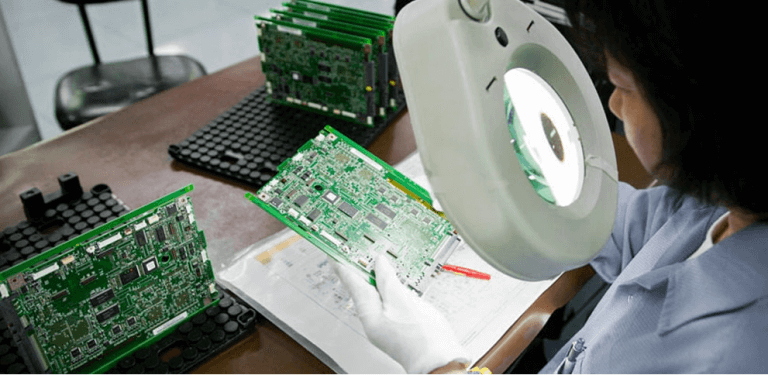
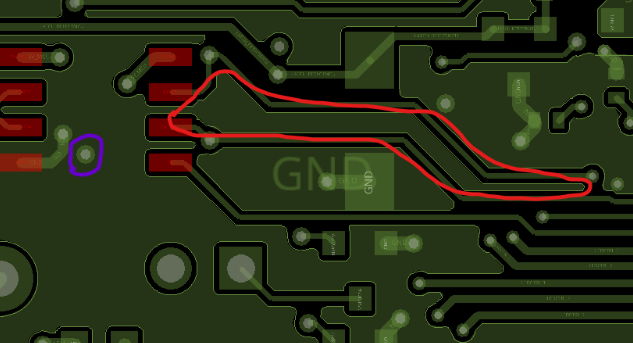
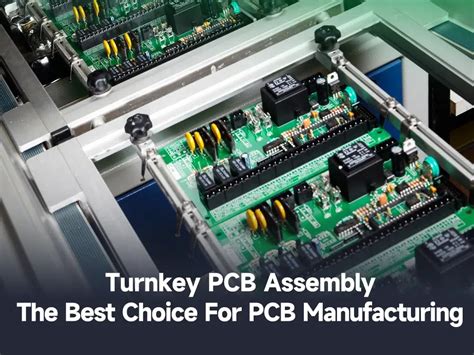
A successful turnkey PCB production process encompasses several key components, each designed to enhance efficiency and precision. First and foremost, design plays a crucial role. Effective design involves using advanced software tools to create optimized layouts that facilitate seamless PCB assembly (PCBA). This initial phase must prioritize manufacturability, ensuring that the design can be easily translated into physical components without complications during production.
Following design, prototyping is essential. Creating prototypes allows manufacturers to test functionality and address any potential issues before the full-scale production begins. This step not only helps in validating designs but also reduces the risks associated with eventual mass manufacturing.
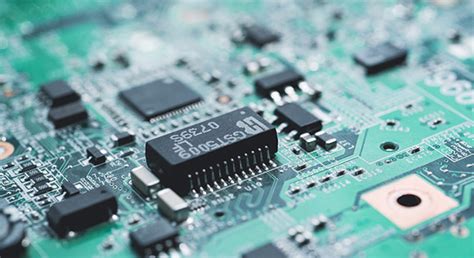
Another fundamental element is sourcing materials. Achieving high-quality results in turnkey PCB electronics hinges on selecting reliable suppliers for components. The integrity of materials impacts the overall performance of the final product, thus establishing strong relationships with vendors guarantees both quality and availability.
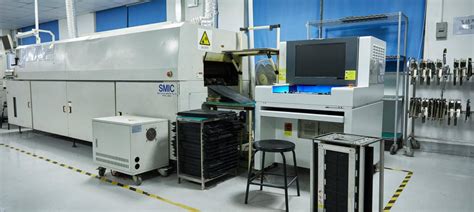
Once these components are aligned, the actual manufacturing process begins, incorporating assembly techniques tailored to the specific requirements of the project. The integration of automated systems further facilitates a streamlined workflow, substantially increasing throughput while minimizing human error.
Finally, quality assurance is vital throughout the process. Regular inspections and testing ensure every unit meets industry standards before reaching customers. By adhering to these structured stages within a comprehensive turnkey PCB production process, companies can achieve remarkable levels of efficiency and drive innovation in electronics manufacturing.
Industry Applications for Turnkey PCB Electronics
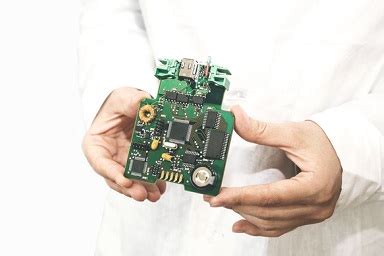
Turnkey PCB electronics solutions have found their footing across a multitude of industries, demonstrating their versatility and effectiveness. From consumer electronics to automotive systems, the implementation of turnkey processes optimizes the pcb assembly and production phases. In the realm of healthcare, advanced medical devices depend on reliable pcba services for their sophisticated functionalities, where precision and efficiency are crucial. The aerospace sector also significantly benefits from these solutions, as they require robust and lightweight circuit boards capable of performing under extreme conditions. Furthermore, the telecommunications industry leverages turnkey PCB designs to produce high-performance devices that can meet increasing communication demands. This approach not only streamlines design but also ensures that innovation remains at the forefront, enabling companies to adapt quickly to changing market needs. In essence, the adoption of turnkey PCB electronics serves as a catalyst for progress across diverse applications, reinforcing their indispensable role in fostering technological advancements and maintaining competitive edges in various sectors.
Strategies for Streamlining PCB Design and Manufacturing
To achieve efficiency and effectiveness in the complex world of PCB design and manufacturing, companies can implement several strategic approaches. First, leveraging advanced software tools is crucial for optimizing the PCB assembly process. These tools facilitate real-time collaboration among engineers, allowing for rapid prototyping and adjustments that enhance the overall quality of PCBA outcomes. Additionally, adopting a modular design philosophy encourages flexibility, enabling teams to efficiently rearrange components for different applications without starting from scratch. Another key strategy involves establishing strong partnerships with reliable suppliers and manufacturers who specialize in turnkey PCB electronics solutions. By building these relationships, organizations can benefit from streamlined supply chains and improved communication regarding project requirements. Furthermore, integrating automation into the manufacturing process can significantly reduce lead times while minimizing human error—an essential step in ensuring high-quality PCB assembly. Lastly, fostering a culture of continuous improvement among teams will drive innovation by encouraging proactive problem-solving and the exploration of new technologies that can enhance both design and production workflows. By implementing these strategies, businesses not only streamline their PCB design efforts but also position themselves to meet the evolving demands of the electronics marketplace effectively.
Driving Innovation with Integrated Turnkey Solutions
In today’s fast-paced electronics landscape, turnkey PCB solutions are crucial for driving innovation and enhancing performance. By consolidating various stages of the pcb assembly process, these integrated solutions enable manufacturers to streamline their operations. One of the key advantages of utilizing turnkey PCB electronics is the ability to reduce lead times significantly, allowing companies to bring products to market more efficiently. This streamlined approach not only simplifies design and production workflows but also minimizes the complexities often associated with multiple vendors. As a result, businesses can focus more on creative design and less on logistics, fostering a more innovative environment. Additionally, pcba services integrated within these systems ensure high-quality and reliable manufacturing outcomes, further contributing to a product’s success in competitive markets. Innovation is not just about technology; it’s about rethinking processes to drive better outcomes, making integrated turnkey solutions invaluable in shaping the future of electronics manufacturing.
Case Studies: Success Stories in Turnkey PCB Implementation
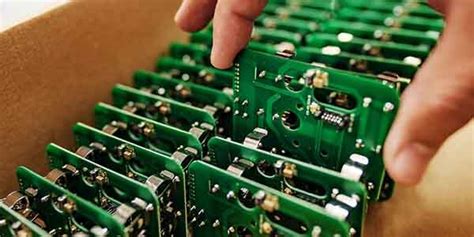
Case studies play a crucial role in understanding the practical advantages of turnkey PCB electronics solutions. One notable example involves a leading consumer electronics manufacturer that faced challenges in reducing time-to-market for its new product lines. By adopting a turnkey PCB assembly approach, this company centralized its design and manufacturing processes under one roof, enabling quicker iterations and enhancements. As a result, they successfully launched their latest range of smart devices ahead of schedule, significantly increasing their competitive edge.
Another compelling success story comes from a medical device manufacturer that integrated PCBA (Printed Circuit Board Assembly) with profound attention to quality and compliance standards. By utilizing turnkey solutions, they were able to streamline their operations significantly. This included utilizing automated assembly techniques that not only improved accuracy but also reduced labor costs. The efficiency gained from this integration allowed the firm to focus more on innovation, leading to the development of advanced diagnostic tools and enhancing patient care.
Furthermore, an automotive company aimed at improving the reliability of its electronic components turned to comprehensive turnkey PCB electronics services. They found that by relying on experienced partners for their pcb assembly, they could implement rigorous testing protocols throughout the production phase, which ultimately enhanced the performance and durability of their products. These case studies highlight how different sectors can harness the power of turnkey PCB solutions to overcome challenges, enhance productivity, and foster innovation within their fields.
Future Trends in Turnkey PCB Electronics
The landscape of turnkey PCB electronics is evolving rapidly, with several trends shaping the future of the industry. One significant trend is the increasing demand for customized solutions in PCB assembly. As companies seek to differentiate their products in a crowded marketplace, tailored pcba services are becoming essential. This shift is driven by advancements in technology that allow for more agile production processes, enabling rapid prototyping and shorter time-to-market for new products. Additionally, the integration of IoT devices into everyday applications is pushing manufacturers to adopt more sophisticated turnkey solutions that ensure seamless connectivity and functionality.
Sustainability is also a paramount concern, prompting many businesses to implement eco-friendly practices within their PCB manufacturing processes. This includes the use of recyclable materials and methods that reduce waste—strategies that align with growing consumer demand for environmentally responsible products. Moreover, automation and smart factory technologies are streamlining both design and production stages, enhancing efficiency significantly while maintaining high-quality standards.
The rise of Artificial Intelligence in design optimization further emphasizes the focus on reducing human error and expediting the development timeline of electronic components. These trends indicate a future where turnkey PCB electronics not only drive efficiency but also foster significant innovation across various sectors such as automotive, healthcare, and consumer electronics. Embracing these trends will be crucial for businesses aiming to stay competitive and meet evolving market needs while leveraging the full potential of PCB assembly technologies.
Conclusion
In today’s fast-paced electronics industry, streamlining production through turnkey PCB electronics solutions has become more essential than ever. The pcba process is significantly enhanced when employing these comprehensive solutions, allowing for a more cohesive approach to design and manufacturing. By integrating all phases of production—from initial design to final assembly—companies can expedite their timelines and reduce costs. These solutions not only simplify the PCB assembly process but also lead to higher-quality outcomes, as they are designed to address every aspect of production seamlessly. Furthermore, the potential for innovation is greatly expanded, as resources can be reallocated from tedious processes to creative development. In industries ranging from automotive to healthcare, the adoption of turnkey systems has proven to be a game-changer, fostering better collaboration among teams and ensuring that product specifications are met with precision. Ultimately, embracing turnkey PCB electronics not only streamlines operations but also positions businesses at the forefront of technological advancement in a highly competitive marketplace.
FAQs
What is turnkey PCB assembly?
Turnkey PCB assembly, often referred to as PCBA, is a comprehensive service that manages all stages of the PCB production process. This includes design, sourcing raw materials, assembly, testing, and delivery of the final product. By integrating these services, companies can streamline their operations and reduce time to market.
What are the benefits of using turnkey PCB solutions?
Using turnkey PCB solutions allows businesses to enhance operational efficiency and reduce costs. It minimizes the complexity associated with managing multiple suppliers while also ensuring consistent quality throughout the production process.
How does a turnkey PCB production process work?
The process typically begins with understanding client specifications and design requirements. Following this, components are sourced and assembled efficiently with modern manufacturing techniques. The assembly is completed with rigorous testing to guarantee functionality before final delivery.
What industries benefit from turnkey PCB electronics?
Multiple industries such as telecommunications, automotive, healthcare, and consumer electronics greatly benefit from turnkey PCB electronics due to their need for reliable and efficient electronic solutions that can be brought to market quickly.
Can I customize my PCB assembly project?
Yes, one of the significant advantages of opting for a turnkey solution is the ability to customize your PCB assembly project tailored specifically to your requirements. Whether adjusting design elements or sourcing specific components, flexibility is key.
If you want to learn more about how turnkey solutions can improve your next project or require assistance in finding a reliable partner for your PCBA needs, please click here: https://www.andwinpcb.com/pcb-assembly/.